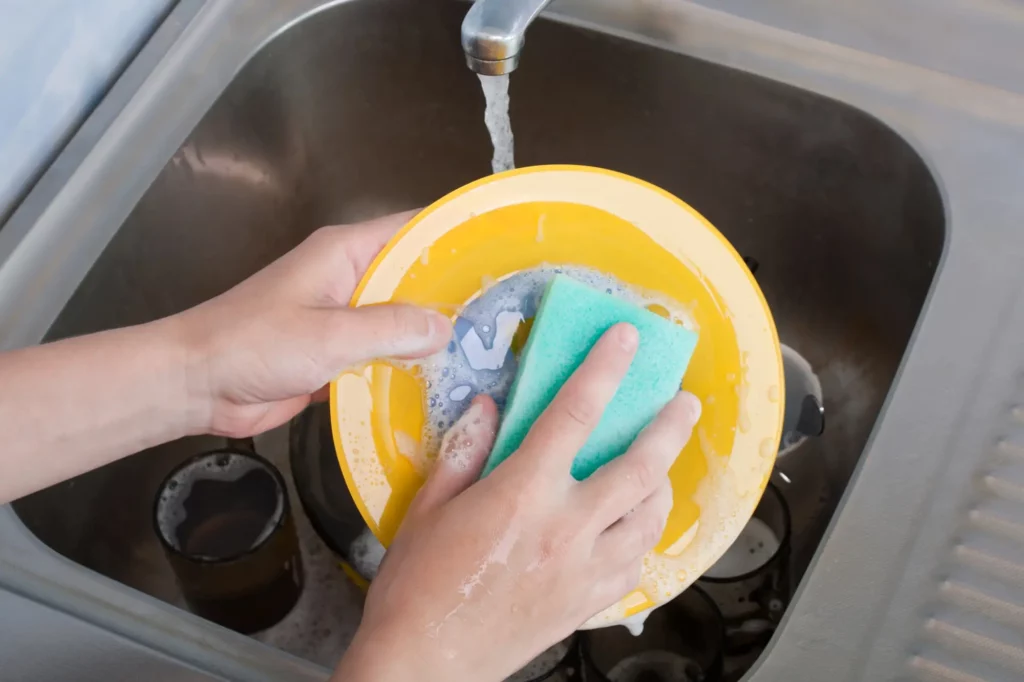
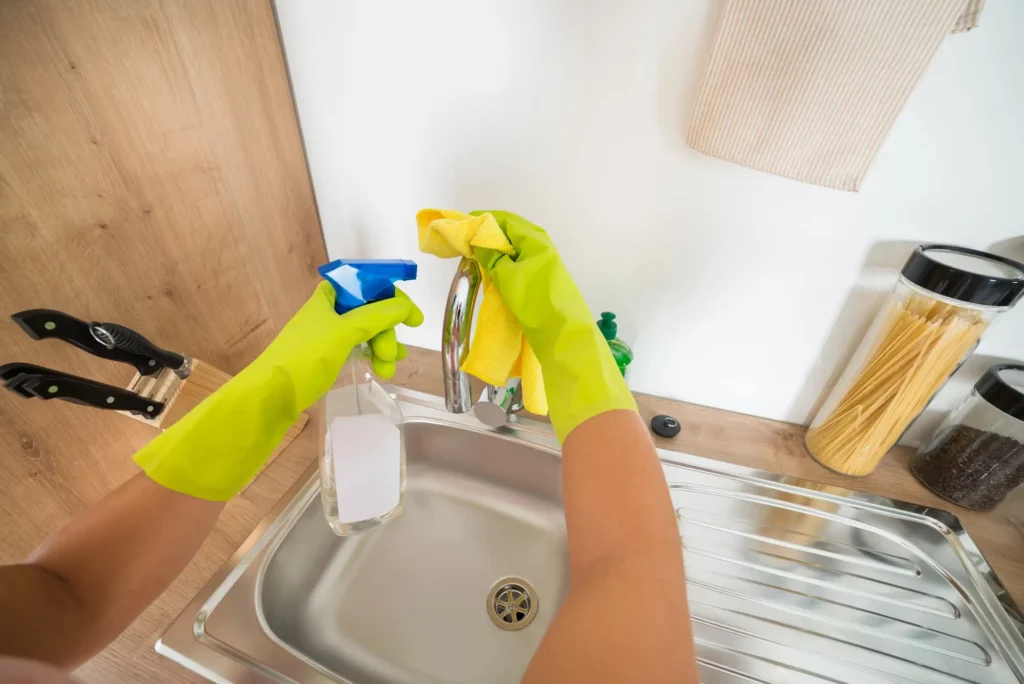
To clean most metal surfaces around the home, wipe with a solution of warm water and a few drops of mild dish soap, rinse, and dry immediately to prevent rust and water spots. The challenge is that “metal” covers dozens of different materials — stainless steel, aluminum, brass, bronze, copper, chrome, iron, and more — each with different chemistry, hardness, and corrosion behavior. Using the wrong cleaner on the wrong metal is how you ruin a surface. This guide covers the correct cleaning approach for every common metal type found in homes, plus how to remove rust, oxidation, and tarnish.
What You’ll Need (General)
- Mild dish soap
- Warm water
- Microfiber cloths and soft rags
- White vinegar
- Baking soda
- Lemon juice
- Salt
- Bar Keepers Friend (for stainless steel and chrome)
- Ketchup (for copper and brass tarnish)
- Rust remover or Naval Jelly (for iron rust)
- Metal polish (Brasso, Flitz, or specific product)
- WD-40 or mineral oil (for corrosion protection)
Safety and Precautions
- Always dry metal completely after cleaning. Water left on most metals — especially iron, steel, and cast iron — causes rust within hours.
- Test cleaners on hidden areas first. Metal finishes vary significantly — some are coated, plated, or lacquered and react differently to acids and abrasives.
- Don’t mix different metals with harsh acids. Strong acid cleaners strip plating and finishes from softer metals rapidly.
- Avoid abrasive scrubbers on polished metals. Steel wool and rough pads scratch polished chrome, stainless steel, and brass finishes.
- Keep metal away from humidity and moisture. Prevention is the best cleaning — store metal items dry and away from condensation.
How to Clean Common Metals Around the Home
Stainless Steel
Stainless steel is the most forgiving metal to clean. Use warm soapy water for routine cleaning, always wiping in the direction of the grain (the fine lines visible on the surface). For water spots and fingerprints, wipe with a cloth dampened with undiluted white vinegar, then dry. For stubborn stains and discoloration, Bar Keepers Friend (apply as a paste, scrub gently with a soft cloth, rinse thoroughly) removes oxidation and surface staining very effectively. Dry immediately after every cleaning — stainless steel develops water spots quickly in hard water areas. A light wipe with mineral oil after drying gives a nice sheen and helps repel future fingerprints. See our dedicated guide on how to clean grease off stainless steel for detailed steps.
Aluminum
Aluminum is a soft, reactive metal that tarnishes easily and corrodes in contact with strong acids or alkalis. Clean with warm soapy water and a soft cloth. For oxidation and white powder buildup, make a paste of cream of tartar and water, apply, let sit for 5 minutes, and rub gently — rinse thoroughly. White vinegar solution (1 part vinegar to 3 parts water) also dissolves aluminum oxidation. Avoid bleach and ammonia — both pit aluminum. For hammered aluminum decorative pieces, see our guide on how to clean cast and hammered aluminum.
Brass
Brass tarnishes to a dark brown over time as the copper in the alloy oxidizes. For regular cleaning, warm soapy water with a soft cloth works for surface grime. For tarnish, apply ketchup (the acetic acid and mild abrasive remove tarnish gently), let sit for 10–15 minutes, then rub gently and rinse. A paste of equal parts flour, salt, and white vinegar is the classic homemade brass cleaner — apply, rub in circles, rinse, dry, and buff. Commercial brass polish (Brasso) works well for more severe tarnish. Check if your brass is lacquered before cleaning — lacquered brass should only be wiped with soapy water; polishing compounds strip the lacquer. See our guides on how to clean brass and how to clean brass hardware.
Copper
Copper develops a green or brown patina over time — this is copper oxide and copper carbonate from oxidation. To clean and restore the shine: make a paste of equal parts salt and flour, mix in enough white vinegar to form a paste, apply to copper, let sit 10–15 minutes, rub gently, rinse thoroughly, and dry. Lemon juice plus salt is another classic copper cleaner. For stubborn oxidation, Bar Keepers Friend or commercial copper cleaners work well. After cleaning, coat with a thin layer of paste wax or lacquer to slow future oxidation. See our full guide on how to clean copper.
Chrome
Chrome plating is thin and scratches easily — always use soft cloths only. For routine cleaning, warm soapy water is sufficient. For water spots and mineral deposits, white vinegar (undiluted) applied with a cloth and left for 2 minutes dissolves mineral scale effectively. For stubborn spots, a tiny amount of Bar Keepers Friend on a soft damp cloth, rubbed gently, then rinsed immediately — don’t let BKF sit on chrome longer than 1 minute. Dry and buff with a clean cloth for shine. Never use steel wool, abrasive pads, or abrasive cleaners on chrome.
Cast Iron
Cast iron requires the most care of any common household metal. Clean with hot water and a stiff brush or coarse salt — never soak, and use dish soap sparingly (it removes the seasoning). Dry completely over low heat on the stove, then apply a very thin coat of cooking oil while still warm to maintain the seasoning layer. See our guide on how to clean a cast iron griddle for detailed seasoning-safe cleaning steps.
Bronze
Bronze develops a patina similar to copper over time. For light cleaning, warm soapy water and a soft cloth. For tarnish removal, the flour-salt-vinegar paste method (same as brass) works well. Note that some bronze pieces have a museum-style patina that is considered desirable — cleaning it away reduces the piece’s aesthetic and sometimes its value. Decide whether you want to restore the bright metal finish or preserve the aged look before cleaning. See our guide on how to clean bronze.
Galvanized Steel
Galvanized steel has a zinc coating applied to prevent rust. Clean with warm soapy water and a soft brush. Avoid strong acids (including vinegar in concentrated form) — acid strips the zinc coating, removing the rust protection. White rust (white powder deposits) on galvanized steel is zinc oxide — clean with diluted ammonia solution (1 tablespoon per quart of water) or a commercial zinc cleaner. See our guide on how to clean galvanized steel.
How to Remove Rust From Metal
Step 1 — Remove Loose Rust
Use a wire brush, sandpaper (60–120 grit), or rust-removing abrasive pad to remove loose, flaking rust from the surface. For small items, a stiff brush works fine. For large surfaces or heavy rust, an angle grinder with a wire wheel attachment removes rust much faster.


Step 2 — Apply a Rust Converter or Remover
For deeper rust pitting, apply Naval Jelly (a phosphoric acid-based rust converter), a commercial rust remover, or a DIY solution of undiluted white vinegar. Let the acid work for the time specified by the product (typically 5–30 minutes for vinegar, or as directed on commercial products). The rust reacts with the acid and converts to a more stable form or dissolves.
Step 3 — Scrub, Rinse, and Dry
After treatment, scrub remaining rust with a stiff brush, rinse completely, and dry immediately and completely. Wet iron or steel will re-rust within hours.
Step 4 — Apply Rust Prevention
After cleaning, apply a protective coating to prevent recurrence: WD-40 or mineral oil for tools and hardware, a primer and rust-inhibiting paint for structural metal, or paste wax for decorative iron pieces.
Metal Cleaning Quick Reference
| Metal | Routine Cleaner | Tarnish/Oxidation Remover | Avoid |
|---|---|---|---|
| Stainless Steel | Soapy water; wipe with grain | Bar Keepers Friend, vinegar | Bleach, steel wool |
| Aluminum | Mild soapy water | Cream of tartar paste, diluted vinegar | Bleach, ammonia, strong acids |
| Brass | Soapy water | Ketchup, flour-salt-vinegar paste, Brasso | Bleach, abrasive pads |
| Copper | Soapy water | Lemon-salt, Bar Keepers Friend | Bleach, chlorine |
| Chrome | Soapy water | White vinegar, Bar Keepers Friend (briefly) | Steel wool, bleach |
| Cast Iron | Hot water, salt scrub | Salt + oil re-seasoning | Soaking, excess dish soap |
| Bronze | Soapy water | Flour-salt-vinegar paste | Bleach, abrasive scrubbers |
| Galvanized Steel | Soapy water | Diluted ammonia for white rust | Strong acids, vinegar |
Pro Tips and Common Mistakes
- Dry is always the last step. Every metal cleaning job ends with thorough drying — this is non-negotiable for ferrous metals and important for all others.
- Know if your metal is lacquered or plated. Lacquered brass, gold-plated fixtures, and chrome-plated items require gentler cleaning than solid metal. Polish and abrasives strip the coating.
- Don’t mix different metal polishes. Each metal polish is formulated for a specific metal type. Using brass polish on chrome will leave residue, and chrome polish on brass won’t remove tarnish effectively.
- Prevention beats cleaning. For outdoor metal: apply a rust-inhibiting paint or wax sealant annually. For indoor metal fixtures: dry after each use. Prevention cuts cleaning frequency dramatically.
Frequently Asked Questions
What is the universal cleaner for all metals?
Warm water and mild dish soap is the safest universal starting point for cleaning any metal — it removes surface grime without risking damage. From there, the tarnish-removing approach depends on the specific metal. There’s no single product safe and effective for all metals — the chemistry of brass tarnish versus aluminum oxidation versus iron rust is quite different.
Does WD-40 clean metal?
WD-40 is primarily a water-displacing lubricant and light rust preventive, not a cleaner. It does help displace moisture that causes rust and can loosen light surface rust, but for cleaning metal surfaces — removing grime, grease, or tarnish — soapy water and dedicated metal cleaners are more effective. WD-40 is best used after cleaning as a protective coating on tools and hardware.
How do I clean old, corroded metal tools?
Soak iron or steel tools in undiluted white vinegar for 1–24 hours depending on rust severity. The acid dissolves the iron oxide (rust). Remove, scrub with a wire brush or steel wool, rinse thoroughly, and dry completely. Apply a light coat of WD-40 or mineral oil immediately to prevent re-rusting. See our dedicated guide on how to clean old tools for detailed steps by tool type.
Can I put metal items in the dishwasher?
Most solid stainless steel, hard-anodized aluminum, and chrome-plated steel are dishwasher safe. Avoid dishwashers for: cast iron (ruins the seasoning), brass (strips plating and finish), copper (discolors), carbon steel knives (removes hardening), and any plated or lacquered metal. When in doubt, hand wash.
How do I get rid of the white oxidation on aluminum?
White powder on aluminum is aluminum oxide — the natural corrosion product. Clean with a paste of cream of tartar and water, or use a diluted white vinegar solution. Apply, let sit 5 minutes, scrub gently with a soft brush, rinse thoroughly, and dry. For outdoor aluminum furniture with heavy oxidation, a dedicated aluminum oxidation remover or fine automotive sandpaper followed by a coat of protective wax gives the best results.
Conclusion
Cleaning metal comes down to matching the cleaning method to the specific metal type: mild soap and water for routine maintenance, then targeted acid, abrasive, or chemical treatments for tarnish and oxidation based on the metal’s chemistry. Always dry completely as the final step to prevent rust and water staining. For specific metal cleaning guides, explore our full library at GuideGrove — including guides on how to clean nickel and how to clean old tools.
