Galvanized steel is steel coated with a layer of zinc to prevent rust. The zinc coating makes it durable and corrosion-resistant, but it does accumulate dirt, white rust (zinc oxide), mineral deposits, and surface oxidation over time. Most galvanized steel surfaces clean up easily with mild dish soap and water. White rust and oxidation require acidic treatment — diluted vinegar or diluted muriatic acid for heavy cases. The key is knowing what not to use: strong acids and abrasive cleaners strip the protective zinc coating and accelerate real rust corrosion.
What You’ll Need
- Mild dish soap
- Warm water
- White vinegar (diluted)
- Soft-bristle brush or sponge
- Microfiber cloth or clean rag
- Baking soda (for neutralizing acid after treatment)
- Muriatic acid (diluted 1:10, for heavy rust — advanced use only)
- Rubber gloves and eye protection
- Spray bottle
Safety and Precautions
- Avoid strong acids. Undiluted muriatic acid, phosphoric acid, and other strong acids strip the zinc coating from galvanized steel. If acid treatment is needed for heavy rust, dilute heavily (1 part acid to 10 parts water) and work quickly with thorough rinsing.
- Never use bleach on galvanized steel. Bleach reacts with zinc to produce zinc chloride and accelerates zinc coating breakdown.
- Wear rubber gloves and eye protection when working with any acidic cleaner, especially muriatic acid.
- Work in ventilated areas when using acidic cleaners — fumes are irritating to eyes and lungs.
- Rinse and neutralize after acid treatment. Apply a baking soda solution (1 tablespoon per quart of water) after any acidic cleaning to neutralize the acid before final rinsing.
Step-by-Step: Everyday Cleaning of Galvanized Steel
Rinse with Warm Water
Begin by rinsing the galvanized steel surface with warm water to remove loose dirt, dust, and debris. This prevents grit from scratching the surface during scrubbing. For galvanized buckets, planters, or fixtures, a simple rinse under running water works. For larger surfaces like roofing or structural steel, use a garden hose.
Apply Mild Dish Soap Solution
Mix a few drops of mild dish soap in warm water. Apply with a soft sponge or cloth and wipe or scrub the surface. Most everyday grime, grease, and surface dirt come off easily with this basic treatment. For textured or corrugated galvanized surfaces (like roofing sheets), use a soft-bristle brush to get into the corrugations.
Scrub and Rinse
Scrub gently with a soft-bristle brush or sponge — never with steel wool, which damages the zinc coating. Rinse thoroughly with clean water, removing all soap residue. Soap left on galvanized steel can accelerate zinc corrosion over time.
Dry to Prevent Water Staining
For decorative galvanized items (buckets, planters, light fixtures), wipe dry with a clean cloth after washing. For exterior surfaces and roofing, thorough rinsing is sufficient — natural drying is acceptable. Drying prevents the white water spots that mineral-rich water leaves on galvanized surfaces.
How to Remove White Rust (Zinc Oxide) from Galvanized Steel
White rust is a chalky white deposit that forms on galvanized surfaces from extended moisture contact. It’s not the same as iron rust — it’s an oxidation product of the zinc coating itself. It’s aesthetically unappealing but generally not a structural concern unless very severe. To remove white rust:
Apply Diluted White Vinegar
Mix 1 part white vinegar with 1 part water in a spray bottle. Spray the white rust deposits and let sit for 5–15 minutes. The acetic acid in vinegar dissolves zinc oxide without aggressively attacking the remaining zinc coating underneath at this dilution.
Scrub with Soft Bristle Brush
After the vinegar has had time to work, scrub with a soft-bristle brush using circular motions. Most white rust deposits will loosen and lift away. Avoid steel wool or stiff wire brushes — these scratch the zinc coating.
Neutralize and Rinse
Mix 1 tablespoon of baking soda per quart of warm water. Apply to the cleaned area to neutralize any remaining acid. Rinse thoroughly with clean water. This step is important for preventing residual acid from continuing to attack the zinc.
Repeat for Stubborn Deposits
Heavy white rust may require multiple treatment cycles. Each pass with vinegar and scrubbing removes successive layers of oxidation. For extremely thick deposits on outdoor galvanized roofing or structural elements, a commercial rust remover rated for zinc surfaces can be used per product directions.
How to Clean Galvanized Pipes
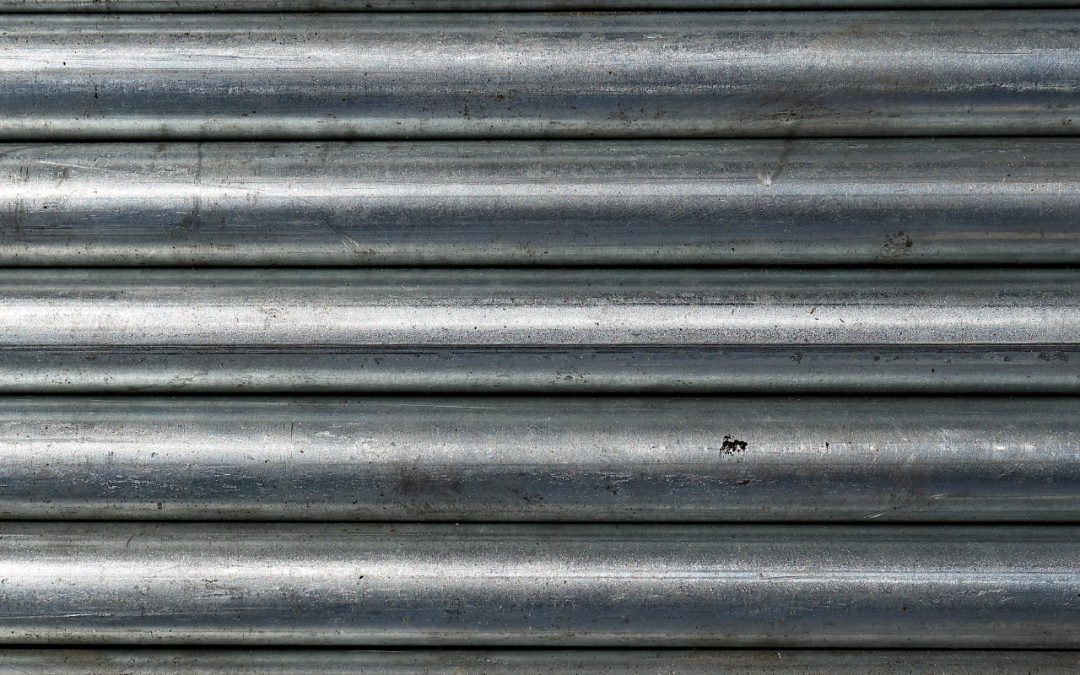
Galvanized water pipes that are interior (water supply) develop a different type of buildup — mineral deposits from hard water on the exterior, and occasionally rust-colored water if the zinc lining on interior pipe walls has been consumed (old galvanized pipes). For exterior cleaning of exposed galvanized pipes:
- Wipe with a damp cloth and mild dish soap for surface dirt and mineral deposits.
- For mineral buildup around fittings and joints, apply diluted vinegar (1:1 with water), let sit 10 minutes, scrub with an old toothbrush, and rinse.
- For mold or mildew on damp basement pipes, apply diluted bleach — but note that bleach contact with galvanized surfaces should be minimized and rinsed immediately since it degrades the zinc coating.
If your galvanized supply pipes are delivering rust-colored or metallic-tasting water, the interior zinc lining is depleted — a plumber should evaluate replacement with copper or PEX piping rather than continued use.
How to Clean Galvanized Roofing and Siding
Galvanized corrugated roofing and metal siding accumulate algae, mold, lichen, and atmospheric dirt. For cleaning:
- Mix a solution of 1 cup mild detergent per gallon of warm water.
- Use a long-handled soft-bristle brush to scrub the surface from a ladder or from ground level if reachable.
- Rinse thoroughly with a garden hose.
- For biological growth (algae, mold, lichen), add 1/2 cup of borax or oxygen bleach (sodium percarbonate) to the cleaning solution — both kill biological growth without aggressively attacking zinc.
- For a pressure washer, keep pressure below 1,200 PSI and use a 40-degree wide fan tip — high pressure will dent corrugated sheets and strip protective coatings.
Pro Tips for Galvanized Steel Maintenance
- Apply a clear coat or rust-inhibiting primer to galvanized surfaces that are showing significant white rust — this adds a protective barrier that extends the zinc coating’s lifespan.
- Keep galvanized items dry when possible. White rust forms fastest when zinc is consistently wet. Ensure good drainage and airflow around galvanized structural elements.
- Don’t stack galvanized sheets in storage. Moisture trapped between stacked galvanized sheets creates the perfect condition for accelerated white rust — store upright with air circulation between sheets.
- Use zinc primer for touch-up on scratched galvanized surfaces. Scratches that expose bare steel under the zinc coating will rust quickly. Apply cold galvanizing compound or zinc-rich primer to scratched areas to restore protection.
Common Mistakes When Cleaning Galvanized Steel
- Using strong acid cleaners. Undiluted acids strip the zinc coating and accelerate rust on the exposed steel beneath.
- Using bleach regularly. Bleach degrades the zinc coating with repeated use — use only in diluted form and rinse immediately.
- Using steel wool or wire brushes. Abrasive tools scratch the zinc coating, exposing bare steel to rust.
- Skipping the rinse and neutralization after acid treatment. Residual acid continues attacking the surface after cleaning stops.
- Leaving soap residue on decorative galvanized items. Soap that isn’t fully rinsed accelerates zinc oxidation over time.
Frequently Asked Questions
What is the white stuff on galvanized steel?
White deposits on galvanized steel are zinc oxide or zinc hydroxide — collectively called white rust. They form when zinc reacts with moisture and oxygen. It’s not iron rust (which is reddish-brown), but rather the zinc coating itself oxidizing. It doesn’t usually indicate structural failure unless very advanced, but it does signal that moisture management and cleaning are needed.
Can I use CLR on galvanized steel?
CLR (Calcium Lime Rust) is acidic and should not be used regularly on galvanized steel — it can strip the zinc coating with repeated use. For occasional mineral deposit removal on heavily scaled galvanized surfaces, it can be used very briefly and rinsed immediately. Diluted white vinegar is a safer and more appropriate regular treatment for galvanized metal.
How do I clean galvanized metal without damaging the zinc coating?
Use mild dish soap and warm water with a soft brush or cloth for routine cleaning. For mineral deposits and white rust, use diluted white vinegar (1:1 with water), scrub gently, neutralize with baking soda solution, and rinse thoroughly. Avoid steel wool, strong acids, and bleach for regular maintenance.
Can galvanized steel be painted after cleaning?
Yes — cleaned galvanized steel can be painted after proper preparation. The zinc surface needs to be clean, dry, and slightly etched (by the vinegar cleaning process or by sanding lightly with 220 grit) for paint adhesion. Use a primer formulated for galvanized metal (such as Rust-Oleum Cold Galvanizing or galvanized metal primer) before topcoat application.
Is galvanized steel safe for water storage and gardening?
Galvanized steel buckets and planters are generally safe for plants and short-term water storage. However, the zinc coating can slowly leach zinc into water and soil — this is generally safe at low concentrations but may affect pH-sensitive plants. For drinking water storage, food-grade containers are the appropriate choice rather than galvanized steel.
Conclusion
Cleaning galvanized steel is straightforward for routine maintenance — mild soap and water removes surface grime, and diluted vinegar handles white rust and mineral deposits. The protection comes from knowing what to avoid: strong acids, bleach, and abrasive tools that strip the zinc coating and leave bare steel vulnerable to real corrosion. With gentle cleaning and occasional protective coating maintenance, galvanized steel surfaces last for decades.
For related metal cleaning guides, check out our articles on how to clean metal and how to clean old tools. If you’re dealing with rust on other metal surfaces, our guide on how to clean nickel and nickel plating covers similar protective coating care.
