
The best way to clean melted or burned sugar is to soften it first with hot water, then scrape and wipe it away. Hardened caramel and crystallized sugar are completely water-soluble — they just need heat and moisture to dissolve. Never try to scrape hardened sugar with a metal tool on glass or ceramic surfaces, and don’t let burned sugar sit for days or it carbonizes and becomes far harder to remove. Whether it’s on a glass stovetop, stainless steel pan, granite countertop, or the floor, the same principle applies: hot water dissolves sugar, and patience prevents scratching.
What You’ll Need
- Very hot water (boiling or near-boiling)
- Dish soap
- Plastic scraper or silicone spatula
- Old toothbrush or soft brush
- Microfiber cloths
- Paper towels
- Baking soda (for burned/carbonized sugar)
- White vinegar (for residual stickiness)
- Cooktop cleaner (for glass stovetops, if needed)
Safety and Precautions
- Never pour cold water on a hot glass stovetop. Thermal shock can crack the glass-ceramic surface. Let the stovetop cool slightly before applying water, or use very warm (not ice cold) water.
- Let burned sugar cool completely before cleaning. Attempting to clean molten sugar is dangerous — it sticks to skin and causes severe burns. Wait until the sugar has hardened and cooled fully.
- Don’t use metal scrapers on glass stovetops or ceramic surfaces. Metal scratches glass-ceramic irreparably. Use plastic scrapers or silicone tools only.
- Wear rubber gloves. Hot water cleaning can irritate skin, and sticky sugar residue is messy to work with.
- Ventilate when cleaning burned sugar. Burned caramel produces strong odors when re-heated or dissolved — open windows.
Step-by-Step: How to Clean Melted Sugar From a Glass Stovetop
Step 1 — Let It Cool Completely
Do not attempt to clean while hot. Wait until the sugar is fully hardened and cooled to room temperature. Hardened sugar, while stubborn, is far safer and easier to clean than molten sugar. If you try to clean immediately after boiling over, you risk burns and spreading the sticky mess further.
Step 2 — Apply Hot Damp Cloths to Soften
Soak a few cloths in very hot water (as hot as tap will produce, or heated in the microwave briefly). Lay the hot wet cloths over the hardened sugar deposit. Leave them in place for 5–10 minutes. The combination of heat and moisture dissolves the sugar crystals, loosening the bond between the sugar and the stovetop surface. This step alone often lifts a surprising amount of the sugar.
Step 3 — Scrape Gently With a Plastic Scraper
After soaking, use a plastic scraper or old credit card held at a low angle (15–30 degrees) to gently push the softened sugar off the surface. Work carefully — on a glass stovetop the goal is to lift, not scrape aggressively. Most of the softened sugar should push off cleanly. Collect debris on a paper towel as you go.
Step 4 — Apply More Hot Water and Wipe
After scraping the bulk away, pour a little hot water directly on any remaining sugar film and wipe with a damp cloth. Repeat as many times as needed until the surface is clean. Sugar is infinitely water-soluble — it will eventually dissolve completely with enough hot water application. Dry with a clean cloth between applications to monitor progress.
Step 5 — Clean Residual Stickiness
Once the sugar is removed, the surface may feel slightly tacky from residual syrup. Wipe with a cloth dampened with diluted dish soap solution, then rinse clean with warm water and dry. For glass stovetops, a wipe with a stovetop-safe cleaner (like Cerama Bryte) after the sugar is removed restores the shine and removes any discoloration from the heat.
How to Clean Burned/Carbonized Sugar From a Pan
Step 1 — Fill With Water and Bring to a Simmer
For burned sugar stuck in a pot or pan, the most effective method is to add water to the pan and bring it to a simmer on the stove. Simmering water dissolves even carbonized caramel faster than any soaking or scrubbing approach. Add enough water to cover the burned area, bring to a gentle simmer, and let it work for 5–10 minutes.
Step 2 — Add Dish Soap and Simmer
Add a few drops of dish soap to the simmering water. The combination of heat and surfactant works on the burned sugar’s surface. As it simmers, you’ll see the sugar beginning to dissolve and the water turning amber-colored. Stir occasionally with a wooden spoon or silicone spatula to help loosen stuck areas from the sides and bottom.
Step 3 — Pour Out and Scrub Remaining Spots


Once most of the burned sugar has dissolved into the water, carefully pour out the hot solution. The remaining spots should be dramatically softened. Scrub with a non-scratch pad or dish brush while the pan is still warm. For cast iron pans with burned sugar, use coarse salt with water as the abrasive instead of a scrub pad to protect the seasoning.
Step 4 — Baking Soda Paste for Stubborn Carbonized Residue
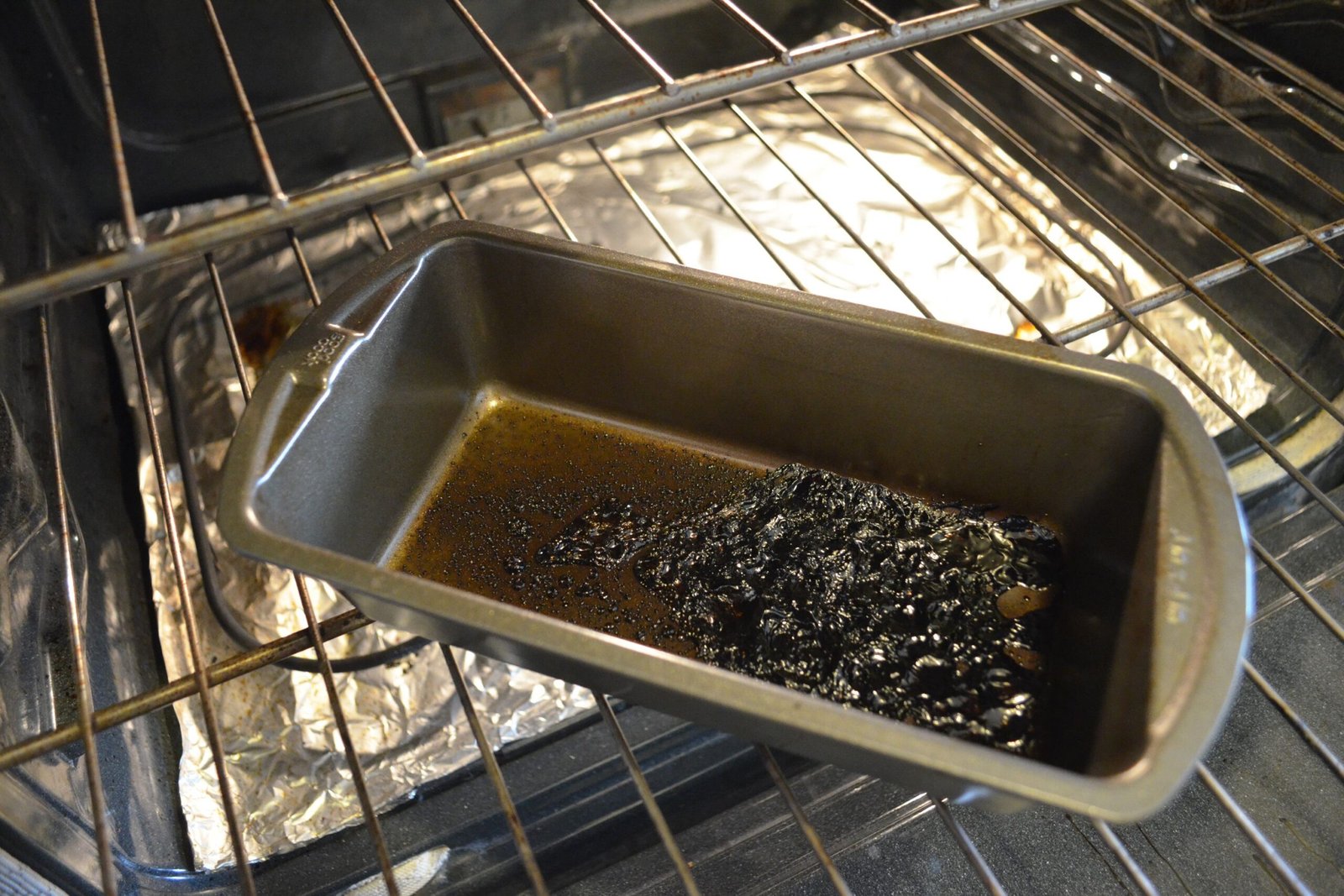
If simmering doesn’t remove all the carbonized sugar, make a thick paste of baking soda and a small amount of water. Apply to the remaining residue, let sit for 15 minutes, then scrub with a non-scratch pad. The mild abrasive action of baking soda, combined with its ability to soften carbonized organic residues, removes the last traces of burned sugar that water alone won’t budge.
Melted Sugar Removal by Surface Type
| Surface | Method | Avoid |
|---|---|---|
| Glass stovetop | Hot damp cloths to soak; plastic scraper; stovetop cleaner after | Metal scrapers, cold water on hot surface |
| Stainless steel pan | Simmer with water and dish soap; Bar Keepers Friend for residue | Steel wool (scratches) |
| Cast iron | Simmer with water; coarse salt scrub; re-season after | Prolonged soaking, dish soap overuse |
| Granite countertop | Hot damp cloth to soak; plastic scraper; pH-neutral cleaner after | Vinegar, acidic cleaners on granite |
| Laminate / Formica countertop | Hot damp cloth, plastic scraper, dish soap | Abrasive scrubbers |
| Tile floor | Hot water pour; let soak; mop up; scrub grout with brush | Metal scraper on glazed tile |
| Hardwood floor | Plastic scraper; minimal hot damp cloth; dry immediately | Excess water, soaking |
Pro Tips and Common Mistakes
- Never scrape hard sugar from a glass stovetop with metal. The most common and costly mistake in sugar cleanup — a single pass with a metal tool leaves permanent scratches in glass-ceramic that cannot be buffed out.
- Be patient with the soak method. The biggest temptation is to skip the soaking and go straight to scrubbing — which takes three times as long and risks damage. 5–10 minutes of soaking with hot wet cloths makes everything that follows faster and easier.
- Don’t use ice to harden sugar before scraping. While some sources suggest this, hardened crystallized sugar is very brittle and can shatter into tiny sharp pieces that are harder to collect and clean. The hot water dissolving method is cleaner and more effective.
- For floor spills, act quickly. Sugar tracked across flooring after a spill creates a sticky film that collects dust and debris rapidly. Clean up floor sugar spills immediately with hot water and a mop.
Frequently Asked Questions
Does hot water really dissolve hardened sugar?
Yes — sugar (sucrose) is highly water-soluble at all temperatures, but hot water dissolves it significantly faster than cold. Even completely hardened caramel will dissolve in hot water given enough time. The key is sustained heat and moisture — this is why soaking hot damp cloths on the sugar for 5–10 minutes works so well. Cold water works too, just much more slowly.
How do I clean caramel off a non-stick pan?
Add water to the non-stick pan, bring to a gentle simmer over low-medium heat, and let the caramel dissolve. Never use metal utensils or abrasive pads on non-stick coatings. Once the caramel dissolves into the water, pour it out and wash gently with a soft cloth or non-scratch sponge. Non-stick pans damaged by overheating are more vulnerable to sticking after caramel burns — if the coating is damaged, consider replacing the pan.
Can burned sugar damage a glass stovetop permanently?
Burned sugar itself doesn’t permanently damage glass stovetops if cleaned promptly and correctly. The damage comes from incorrect cleaning: using metal scrapers, using abrasive pads, or using the stove while the burned sugar is still on the surface (which bakes it on harder). Cleaned with hot water and a plastic scraper, even significant sugar overflows are recoverable without permanent marks.
How do I remove sugar from a carpet?
Allow sugar spills on carpet to harden completely before cleaning — trying to clean molten sugar from carpet smears it deeper into the fibers. Once hardened, carefully vacuum up the brittle crystals. Dampen any remaining residue with warm water applied with a cloth, blot repeatedly, then clean with a carpet spot cleaner. Avoid soaking the carpet — excess moisture causes mold in the backing.
How do I clean caramel that hardened on my stove grates?
Remove the grates and soak them in the sink in very hot water with a generous amount of dish soap. Let soak for 20–30 minutes. The sugar will dissolve into the water. For stubborn carbonized residue, sprinkle baking soda on the grates after soaking and scrub with a stiff brush. Rinse and dry thoroughly before replacing on the stove.
Conclusion
Cleaning melted or burned sugar always comes back to one principle: hot water dissolves sugar. Whether it’s on your glass stovetop, a stainless steel pan, granite countertop, or floor, soak first with hot water, then remove gently with the right tool for the surface. Never scrape glass or ceramic with metal, and be patient with the soaking step — it does most of the work for you. For more kitchen surface cleaning guides, see our articles on how to clean epoxy countertops and how to clean Formica countertops at GuideGrove.
