
To remove Sikaflex from a surface, first identify whether it is fresh or fully cured. Fresh, uncured Sikaflex can often be wiped away and cleaned with Sika Remover-208 on compatible non-porous surfaces. Fully cured Sikaflex should be cut, peeled, and scraped off mechanically; solvents are only a final cleanup aid for thin residue on compatible surfaces and should not be treated as a cure-all. Always test any cleaner on a hidden spot before working on paint, plastic, fiberglass, or finished metal.
What You’ll Need
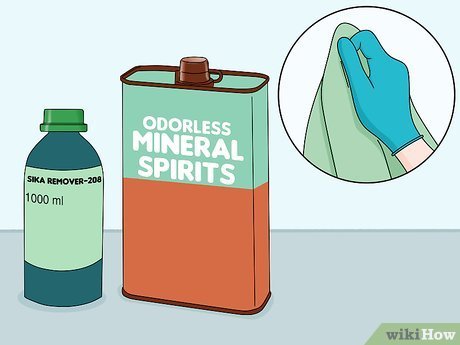
- Sika Remover-208 (for uncured Sikaflex excess and tested final wiping on compatible non-porous surfaces)
- Acetone or acetone nail polish remover
- Isopropyl alcohol 99%
- Mineral spirits
- Sharp plastic scraper or plastic putty knife
- Metal razor blade scraper (for hard surfaces only)
- Stiff plastic brush
- Clean cloths and paper towels
- Rubber gloves
- Safety glasses (when using solvents)
Safety and Precautions
- Work in a ventilated area. Acetone, mineral spirits, and Sika Remover-208 produce vapors — open windows and doors when working indoors.
- Wear rubber gloves and eye protection. These solvents irritate skin and eyes with prolonged contact. Wear nitrile or rubber gloves throughout the process.
- Test solvents on hidden areas first. Acetone damages many plastics, painted surfaces, and finishes. Always test on an inconspicuous area before applying to visible surfaces.
- Never use metal scrapers on painted or coated surfaces. Metal scrapers easily scratch paint, gel coat, and soft metals. Use plastic scrapers for all coated and soft surfaces.
- Remove fresh Sikaflex immediately. Uncured Sikaflex (within 30–60 minutes of application) is dramatically easier to remove than cured product. Clean up mistakes right away.
Understanding Sikaflex: Fresh vs. Cured
Sikaflex cures by reacting with moisture in the air — the outer skin forms within 30–90 minutes depending on humidity, and the sealant cures fully through in 1–5 days depending on thickness. Removal approach is completely different for each stage:
- Fresh (within 30–60 min, skin not formed): Very easy to remove. Wipe with a cloth and solvent.
- Skinned but not through-cured (1 hour to 48 hours): Moderate difficulty. Lift with scraper, finish with solvent.
- Fully cured (3+ days): Difficult. Remove the bulk mechanically by cutting, peeling, and scraping. A compatible cleaner may help with thin residue, but solvents will not reliably dissolve a thick cured bead.
Step-by-Step: How to Remove Fresh (Uncured) Sikaflex
Step 1 — Wipe Off the Bulk Immediately
If the Sikaflex has not yet formed a skin, use a dry cloth or paper towel to wipe off as much as possible immediately. Work quickly and change to clean sections of the cloth frequently — spreading uncured Sikaflex smears it further. Collect and discard the contaminated cloths.
Step 2 — Apply Solvent to Residue
Dampen a clean cloth with Sika Remover-208, acetone, or isopropyl alcohol. Apply to the remaining residue and rub gently. Fresh Sikaflex dissolves readily in these solvents before it cures. Multiple wipe passes with fresh sections of the solvent-dampened cloth removes the residue completely.
Step 3 — Clean the Surface
After removing the Sikaflex, wipe the surface with clean water and mild soap (for non-solvent-sensitive surfaces) or with a clean dry cloth (for surfaces affected by water) to remove solvent residue. Allow the surface to dry completely before assessing the result.
Step-by-Step: How to Remove Cured Sikaflex
Step 1 — Score and Cut the Sealant
Use a utility knife or a stiff plastic scraper to score along the edges of the cured Sikaflex bead. The goal is to separate the sealant from the surface at the adhesive bond line. Work the blade or scraper under the edge of the bead and peel or cut sections away. Work slowly and carefully because aggressive cutting can damage the substrate surface.
Step 2 — Peel and Scrape the Bulk Mechanically
Once the edge is free, grip the sealant and peel it away from the surface in long sections. Cured Sikaflex has significant tensile strength, so it may tear into smaller pieces instead of peeling cleanly. Keep cutting, lifting, and scraping until only a thin film or small traces remain.
Step 3 — Clean Thin Residue Only After Testing
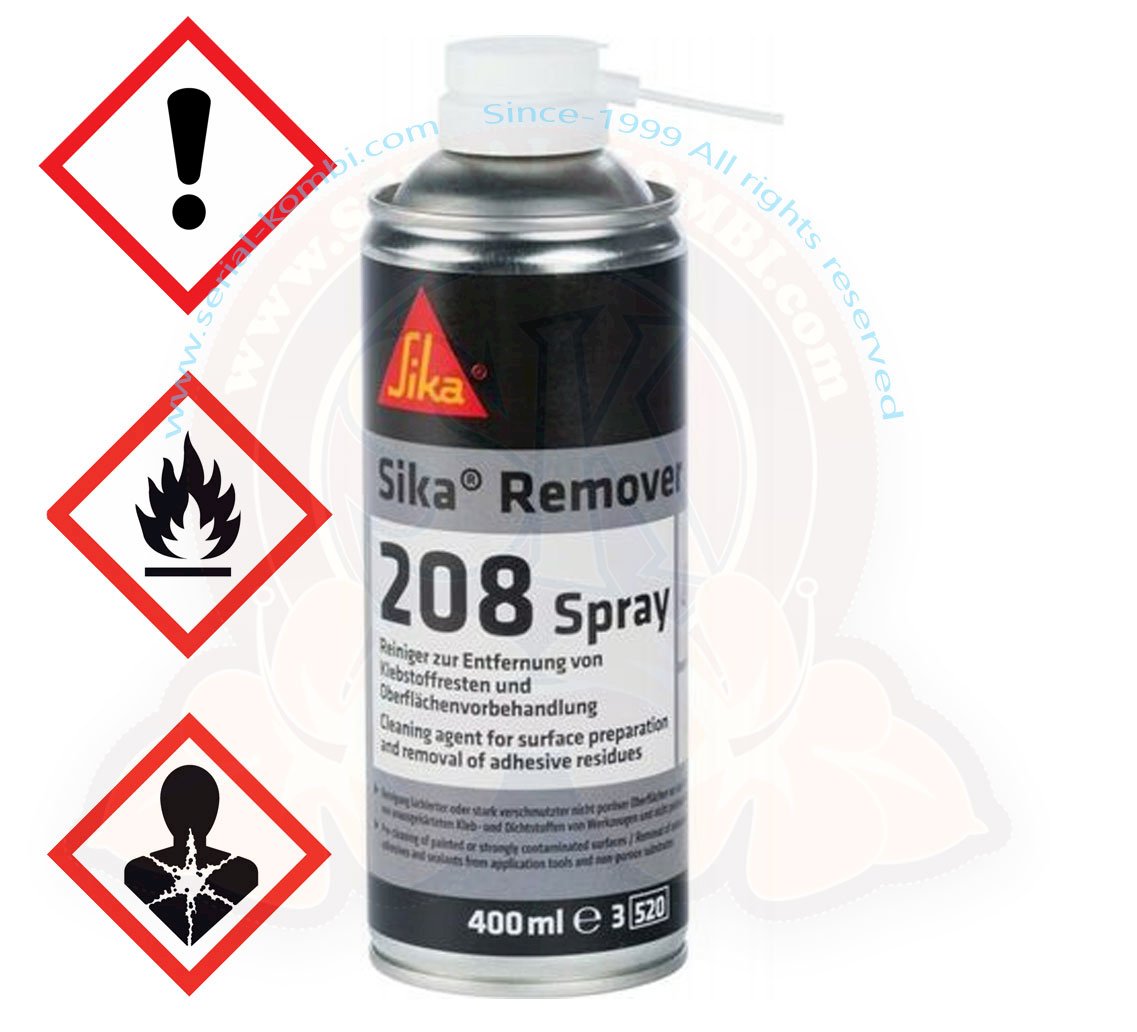
Do not rely on solvent to dissolve a thick cured Sikaflex bead. Sika describes Sika Remover-208 as a cleaner for strongly contaminated non-porous surfaces and for removing uncured excess Sikaflex from tools or soiled surfaces; it also says compatibility with the actual substrate should be verified before use. Use it only as a tested final wipe for remaining traces, not as the main cured-sealant removal method. Sika Remover-208 product guidance.
If you use acetone, mineral spirits, or isopropyl alcohol, test first and keep the contact area small. These cleaners can damage paint, plastics, gel coat, sealers, and some finished metals. For floors or large hard surfaces, finish with the least aggressive cleaner that works; our floor cleaning guide can help with surface-safe final cleanup after the sealant is removed.


Step 4 — Final Surface Clean
Once all visible Sikaflex residue is removed, clean the surface thoroughly to remove dust, loose particles, and any cleaner residue. Use mild soap and water where the surface allows, or a clean dry cloth for materials that should not be wetted. Inspect under good lighting because thin residue can be difficult to see until it catches the light.
Removing Sikaflex by Surface Type
| Surface | Recommended Approach | Avoid |
|---|---|---|
| Metal (steel, aluminum) | Cut and lift the cured bead with a plastic scraper; test any final cleaner on finished metal first | Scratching finished metal with aggressive blades |
| Glass | Use a sharp razor blade at a low angle for the cured bulk, then clean remaining film carefully | Tilting the blade upright, which can scratch glass |
| Painted surfaces / car paint | Use a plastic scraper and patient mechanical removal; use any cleaner only after a hidden-spot test | Acetone, metal scrapers, or long solvent dwell time on paint |
| Fiberglass / gel coat | Use plastic tools and short, tested cleaner contact only for residue | Abrasive pads, acetone on sensitive gel coat, and metal scrapers |
| Concrete / masonry | Cut and scrape the bulk; use a stiff brush for residue trapped in pores | Expecting solvent alone to pull cured sealant out of porous concrete |
| Plastic | Use plastic tools and test isopropyl alcohol on a hidden spot before final wiping | Acetone on most plastics because it can soften or dissolve them |
| Fabric or clothing | Fresh material may blot out; cured material usually needs careful scraping and may leave a permanent mark | Rubbing fresh sealant deeper into fibers |
How to Get Sikaflex Off Skin and Hands
Fresh Sikaflex on skin: wipe off immediately with a dry cloth, then clean with waterless hand cleaner or baby oil — NOT water and soap (which doesn’t dissolve polyurethane). Isopropyl alcohol on a cloth helps remove residue. Cured Sikaflex on skin: it will come off naturally with skin exfoliation over a few days. Use pumice soap to accelerate removal. Avoid aggressive chemical use on skin.
Pro Tips and Common Mistakes
- Use Sika Remover-208 if you can source it. Generic solvents work, but Sika’s own remover is formulated for this specific product and works faster with less mechanical effort.
- Act as early as possible after mistakes. Fresh Sikaflex takes 10 minutes to clean up. Cured Sikaflex takes an hour or more. The ROI on immediate cleanup is enormous.
- Protect adjacent surfaces before applying Sikaflex. Tape off surfaces adjacent to the sealing area before application — removing Sikaflex from areas where it isn’t wanted is far more work than applying masking tape beforehand.
- Heat helps loosen cured sealant. A heat gun applied briefly to cured Sikaflex softens it and makes scraping easier — especially useful on metal and glass. Don’t overheat painted surfaces or plastic.
Frequently Asked Questions
What dissolves Sikaflex?
Fresh, uncured Sikaflex can usually be wiped up with a suitable cleaner before it cures. Fully cured Sikaflex does not reliably dissolve with household solvents or Remover-208; the safe approach is to cut, peel, and scrape away the cured bulk, then test a compatible cleaner only for the remaining film.
Can I remove cured Sikaflex with a heat gun?
Heat may make some cured sealants more pliable, but it can also damage paint, plastic, glass seals, nearby finishes, or skin. If you use gentle warmth, keep the tool moving, work slowly, and stop if the surface softens, discolors, or smells overheated. Mechanical cutting and scraping should still do the main removal work.
How do I remove Sikaflex from my car’s paint?
For fresh Sikaflex on car paint, wipe immediately with a dry cloth, then use only a cleaner that is confirmed safe for the finish. For cured sealant, use a plastic scraper and careful mechanical lifting; avoid acetone and metal scrapers on automotive paint. If residue remains, test a detailing clay or paint-safe adhesive remover in a hidden area before using it on the visible panel.
Why won’t Sikaflex come off even with acetone?
Fully cured Sikaflex is designed to stay flexible and strongly bonded. Solvents may affect a very thin surface film, but they cannot reliably penetrate and dissolve a thick cured bead. Remove the bulk mechanically first, then clean only the final trace residue with a tested surface-compatible cleaner.
How do I clean Sikaflex off concrete?
Scrape or cut away the cured bulk first. Concrete is porous, so some residue may stay in the pores even after brushing. Use a stiff brush and repeated mechanical passes before trying any cleaner, and expect stained or deeply embedded areas to need abrasion rather than solvent soaking.
Conclusion
Removing Sikaflex is easiest when it is fresh: wipe up the bulk quickly, then use a tested compatible cleaner for residue. Once Sikaflex is fully cured, treat removal as a mechanical job first: cut, peel, and scrape the bead, then clean only the final thin film with a surface-safe product. Protect nearby surfaces with masking tape before application to avoid the cleanup problem entirely. For related cleanup jobs, see our guides on how to clean fiberglass, how to clean epoxy floors, and how to clean ice off a sidewalk without surface damage.
