
Brass tarnishes to a dull brown or black over time as copper in the alloy oxidizes. You can clean and polish brass at home using natural acidic solutions — lemon and salt, vinegar and flour paste, or ketchup — or with a commercial brass polish for faster results. The method depends on how tarnished the piece is and whether you want a high shine or a natural patina. This guide covers everything from light cleaning to restoring heavily tarnished antique brass.
What You’ll Need
- Lemon and table salt (for DIY cleaning)
- White vinegar and flour (for paste method)
- Ketchup or tomato paste (mild acid method)
- Commercial brass polish (Brasso, Flitz, or similar)
- Soft cloths or microfiber towels
- Old toothbrush
- Dish soap and warm water
- Fine steel wool (0000 grade — for severely tarnished pieces only)
- Lacquer or wax (for protection after polishing)
Safety and Precautions
First determine if your piece is solid brass or brass-plated. Test with a magnet — if it sticks, the item is brass-plated steel or brass-plated zinc, not solid brass. Plated brass must be cleaned much more gently; abrasive methods and steel wool will strip the plating down to bare metal. For plated pieces, use only the mildest cleaning methods. Never use steel wool on plated brass. Brass lacquer is a protective clear coating on new brass fixtures — if your piece has lacquer, cleaning with acid will damage the lacquer, not the brass. Lacquered pieces should be cleaned only with mild soap and water.
Step 1: Determine if the Brass Is Lacquered
Most new brass fixtures and decorative pieces are lacquered to prevent tarnishing. Unlacquered brass tarnishes naturally; lacquered brass stays shiny for years but cannot be polished — the lacquer must be removed first if the piece has tarnished underneath it. To test: dampen a cotton ball with nail polish remover (acetone) and rub an inconspicuous spot. If the cotton picks up a yellowish tint, the piece has lacquer. Lacquered pieces that have tarnished underneath need the lacquer stripped with acetone before cleaning. Once stripped and polished, re-lacquer or wax to protect.
Step 2: Remove Lacquer If Present (Only If Needed)
Soak a cloth in acetone or nail polish remover and wipe the entire brass surface to strip the lacquer coating. Work in a well-ventilated area — acetone fumes are strong. Once lacquer is removed, the bare brass surface can now be cleaned and polished using the methods below.
Method 1: Lemon and Salt (Best for Light Tarnish)
Cut a Lemon in Half and Dip in Salt
Pour a generous amount of table salt into a small dish. Cut a lemon in half and dip the cut face into the salt. The salt adds gentle abrasion while the citric acid in the lemon dissolves the copper oxide tarnish.
Rub the Lemon Over the Brass
Rub the salted lemon half directly over the tarnished brass surface using light to moderate pressure. Work in small circular motions. You should see the tarnish lifting almost immediately as the acid reacts with the oxidized copper. Re-dip in salt as the lemon loses its salted surface.
Rinse and Dry Immediately
Rinse the brass under warm water immediately after cleaning — acid left on brass continues to act and can pit the surface. Dry immediately and thoroughly with a soft cloth. Any moisture left on brass will accelerate re-tarnishing.
Method 2: Vinegar, Salt, and Flour Paste (Best for Moderate Tarnish)
Mix the Paste
Combine one teaspoon of table salt, one cup of white vinegar, and enough all-purpose flour to make a thick paste — about the consistency of toothpaste. The flour helps the acid cling to vertical surfaces instead of dripping off.
Apply and Let Sit
Apply the paste to the tarnished brass with a soft cloth or your fingers. Let it sit on the surface for 10 minutes for light tarnish; up to 30 minutes for heavier tarnish. The acid needs time to dissolve oxidation.
Scrub and Rinse
Scrub with a soft cloth or old toothbrush for crevices and decorative details. Rinse completely under warm water and dry immediately.
Method 3: Ketchup (Surprisingly Effective)
Ketchup contains acetic acid (vinegar) and tomato acids that dissolve brass tarnish. Apply a coat of ketchup to the brass, spread evenly, and let sit for 10 to 30 minutes. Scrub gently with a soft cloth, rinse thoroughly, and dry completely. This works well on moderately tarnished decorative brass pieces.
Method 4: Commercial Brass Polish (Fastest)
Commercial brass polishes (Brasso, Flitz, Simichrome) use mild abrasives and chemical agents to remove tarnish and leave a protective film. Apply a small amount to a soft cloth, rub into the brass in circular motions, let haze slightly, then buff off with a clean dry cloth. These products are faster than DIY methods and produce a higher gloss finish. Follow the product label for contact time and buffing instructions.
Restoring Heavily Tarnished Old Brass
For antique brass pieces with thick, black tarnish or verdigris (green oxidation), start with a commercial brass cleaner applied with a soft cloth. For very stubborn black tarnish, 0000 (ultra-fine) steel wool dampened with brass cleaner can be used very gently on solid brass — never on plated brass. Work in small sections, keep pressure light, and frequently wipe away lifted tarnish to assess progress. After removing heavy tarnish, follow with a paste method or commercial polish to achieve uniform shine, then protect with wax or lacquer.
Protecting Brass After Cleaning
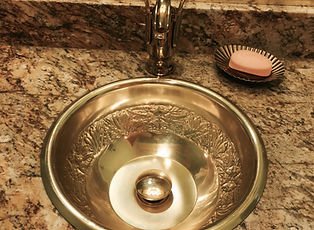
Bare polished brass re-tarnishes within weeks in most environments. Protect it after cleaning by applying a thin coat of paste wax (carnauba car wax works well), Renaissance Wax for antiques, or a clear metal lacquer spray for items that need long-term protection. Wax lasts a few months; lacquer lasts years. For interior decorative pieces, wax is typically preferable as it allows re-polishing without stripping. For exterior hardware, lacquer provides stronger protection against weather and humidity.
Pro Tips
- Never soak brass in acid for long periods: Extended acid exposure pits and damages the brass surface. Limit contact to the recommended time and rinse promptly.
- Dry immediately after rinsing: Moisture is the #1 cause of rapid re-tarnishing. Dry every piece completely before putting it away.
- Decide intentional patina vs. polished: Old brass with a rich, deep patina is often more valuable and desirable than highly polished brass for antiques. Consider whether you want to preserve the patina rather than remove it.
- Test on hidden area first: Decorative brass pieces vary in alloy composition and surface treatment. Test any method on a hidden area before treating the full piece.
Frequently Asked Questions
How do I know if my item is solid brass or brass-plated?
Use a magnet. Solid brass is not magnetic — if a magnet sticks, the item is brass-plated over steel or zinc. Plated pieces need gentler cleaning to avoid stripping the thin brass layer.
Can I use baking soda to clean brass?
Baking soda alone is not effective on brass tarnish because it’s alkaline — it doesn’t dissolve the copper oxide that causes tarnish. Mix baking soda with lemon juice or vinegar to create an acidic paste, and the combination will work. The acid does the cleaning; the baking soda adds mild abrasion.
How often should I clean brass fixtures?
Unlacquered brass in high-humidity environments may need cleaning every few months. Interior decorative brass polished and waxed may only need attention once or twice a year. The practical guide: clean when the piece looks dull or discolored.
Can I put brass in the dishwasher?
No. Dishwashers use hot water and alkaline detergents that strip brass finish and can cause pitting, discoloration, and damage to soldered joints on brass items. Always hand clean brass.
What causes green spots on brass?
Green or blue-green spots are verdigris — copper carbonate formed when brass is exposed to moisture, carbon dioxide, and oxygen over time. It’s the same chemistry as the Statue of Liberty’s green patina. Treat with a commercial brass cleaner, letting it dwell longer than for standard tarnish, and use a toothbrush to work into affected areas.
Conclusion
Cleaning brass is one of those satisfying home projects where natural kitchen ingredients do a genuinely good job. Lemon and salt for light tarnish, the vinegar paste for moderate tarnish, and commercial polish for a high gloss finish — all effective, all inexpensive. The critical finishing step is drying immediately and protecting the polished surface with wax or lacquer. Skip the protection step and you’ll be re-cleaning in a few weeks. For cleaning specific brass hardware around the house, check out our guide on how to clean brass handles and hinges for the hardware-specific techniques.
