
Bronze — an alloy of copper and tin — develops a natural brown or green patina over time. Whether you want to clean and preserve the patina or restore the bronze to a bright polished finish depends on the piece. Decorative antique bronze and outdoor statuary are typically cleaned to preserve their patina; interior hardware and decorative pieces may be polished to a higher shine. This guide covers both approaches, plus how to treat active corrosion (verdigris).
What You’ll Need
- Mild dish soap and warm water
- Soft cloths or microfiber towels
- Old toothbrush (soft bristle)
- Commercial bronze cleaner or metal polish (Flitz, Brasso, Simichrome)
- Lemon juice and baking soda (for light tarnish)
- White vinegar and salt (for moderate tarnish)
- Microcrystalline wax or paste wax (for protection)
- Renaissance Wax (for antiques)
Safety and Precautions
First decide whether you want to preserve or remove the patina. On antique and collectible bronze, the patina is part of the piece’s value and character — aggressive cleaning that removes the patina can significantly reduce monetary and aesthetic value. For antique pieces, clean only with mild soap and water and protect with Renaissance Wax. For modern decorative bronze or hardware, polishing to shine is appropriate. Never use harsh abrasives on bronze — they scratch the soft metal. Do not use strong mineral acids — they can permanently damage the alloy composition at the surface.
Routine Cleaning: Preserving the Patina
Dust with a Soft Brush
Remove loose dust from decorative bronze using a soft brush or dry microfiber cloth. For detailed pieces with relief work or engraving, a soft paintbrush reaches into recesses without scratching.
Wash with Mild Soapy Water
Dampen a soft cloth with warm water and a drop of mild dish soap. Wipe the entire bronze surface gently. Use a soft toothbrush for detailed areas. This removes surface grime and environmental deposits without affecting the patina.
Rinse and Dry Immediately
Rinse with a clean damp cloth and dry completely with a soft dry cloth. Moisture left on bronze accelerates active corrosion — always dry thoroughly.
Apply Protective Wax
Apply a thin coat of paste wax or Renaissance Wax to the clean, dry bronze. Buff lightly with a soft cloth. This seals the surface against moisture and future tarnishing while preserving the existing patina color.
Polishing Bronze to Restore Shine
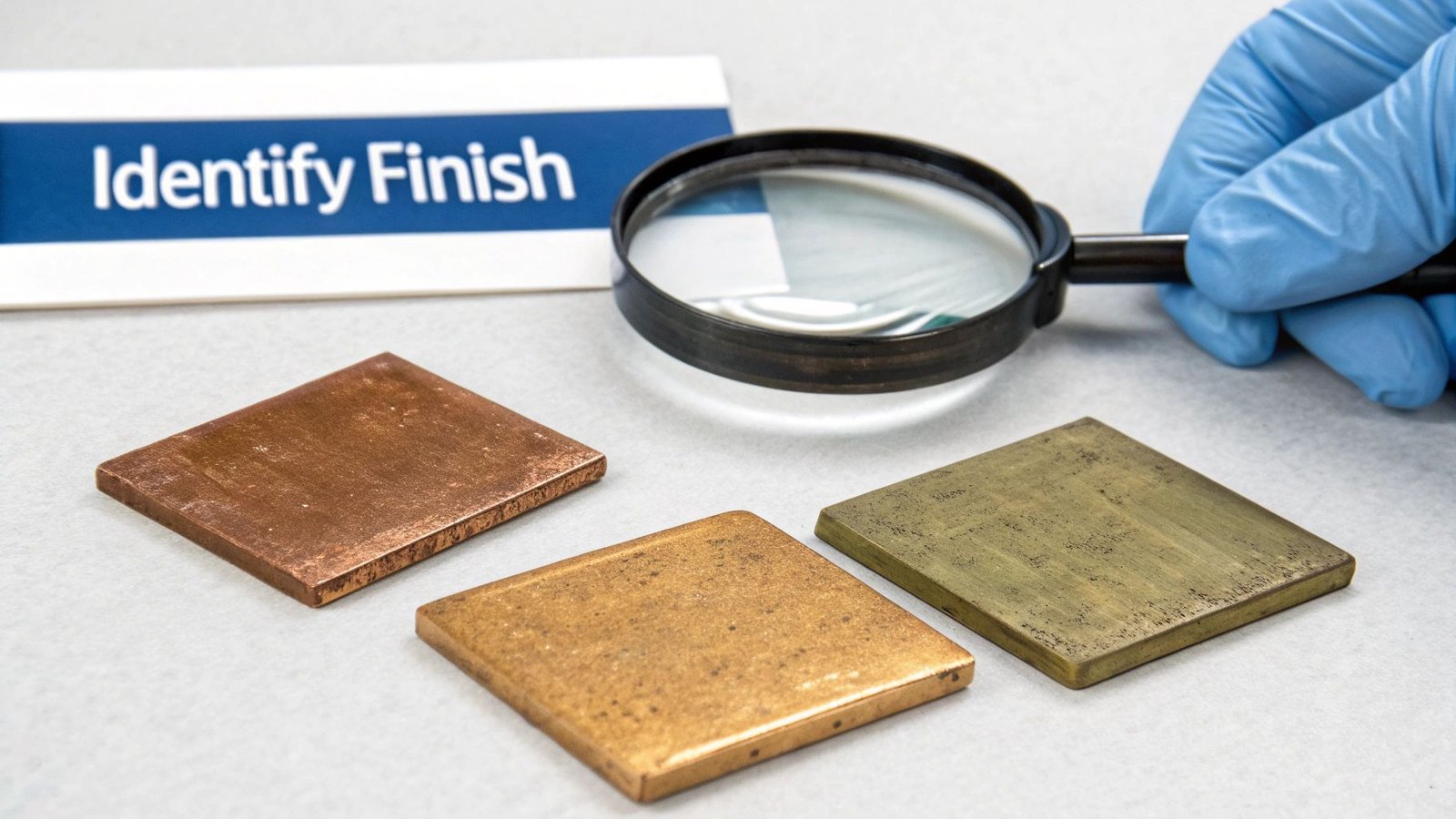
Clean Surface Grime First
Before polishing, clean the piece with warm soapy water as described above. Polishing over surface dirt creates abrasive scratching.
Apply Bronze or Metal Polish
Apply a small amount of commercial bronze or metal polish to a soft cloth. Rub into the bronze surface using small circular motions. The polish contains mild abrasives and chemicals that remove tarnish and surface oxidation, revealing the bright metal underneath.
Work in Sections and Buff
Work in small sections, buffing each area with a clean dry cloth before moving to the next. Let the polish haze slightly before buffing — this gives the chemicals time to work. Multiple thin applications are more effective than one heavy coat.
Final Buff and Protect
Once the desired level of shine is achieved, buff the entire piece with a clean dry cloth. Apply a thin coat of paste wax or metal lacquer to protect the polished surface and slow re-tarnishing.
Treating Verdigris (Green Corrosion)
Green or blue-green deposits on bronze are verdigris — copper carbonate formed by moisture and oxidation. For light verdigris on decorative pieces: apply a paste of equal parts flour, salt, and white vinegar, let sit for an hour, then scrub gently with a toothbrush and rinse thoroughly. For heavy verdigris on outdoor bronze statuary: consult a bronze conservation specialist — improper treatment can permanently damage the patina developed over decades. Active verdigris (powdery, loose green material) can indicate ongoing bronze disease — a specialist assessment is warranted for valuable pieces.
Cleaning Outdoor Bronze Statuary and Monuments
Outdoor bronze develops a stable patina that protects the metal. Cleaning should be minimal and focused on removing bird droppings, environmental deposits, and loose debris rather than polishing. Wash with warm water and mild soap using a soft brush. Rinse thoroughly. Apply a coat of paste wax annually to protect the patina and reduce future staining. Never sandblast or use abrasive tools on outdoor bronze — the patina that develops over decades cannot be replicated artificially.
Pro Tips
- Preserve antique patina: A rich, even patina on antique bronze is a sign of age and authenticity. Cleaning it off destroys value. If in doubt about cleaning an antique piece, consult an art conservator first.
- Dry storage prevents active corrosion: Bronze in high-humidity environments develops corrosion faster. Keep decorative bronze pieces in climate-controlled spaces away from moisture sources.
- Annual waxing is the key maintenance step: More important than cleaning frequency is protective waxing — it’s the single best way to preserve bronze between cleanings.
Frequently Asked Questions
Is bronze patina good or bad?
A stable, even patina is actually protective — it’s a form of controlled oxidation that slows further corrosion. Active corrosion (powdery green material that keeps growing) is damaging. The difference: stable patina is hard, even, and doesn’t grow; active corrosion is powdery, spotty, and expands over time.
Can I use vinegar to clean bronze?
In moderation — diluted vinegar as part of a flour-and-salt paste works for light tarnish. Do not soak bronze in vinegar or apply undiluted vinegar directly — extended acid exposure damages the alloy surface. Limit contact to brief applications and rinse thoroughly.
How do I clean bronze without removing the patina?
Use only mild soap and water with a soft cloth. Avoid all polishes, abrasives, and acids — these strip patina. The goal is removing surface dirt while leaving the patina layer intact. Follow with Renaissance Wax for preservation.
What is the best cleaner for bronze?
For preserving patina: mild dish soap and water. For polishing to shine: commercial metal polish like Flitz or Simichrome. For antiques: Renaissance Wax for maintenance and protection without altering the surface.
How do I clean a bronze door knocker?
Wipe with a cloth dampened with mild soapy water and a toothbrush for the detail work. For moderate tarnish, apply a small amount of Brasso or similar polish with a cloth, rub in circular motions, and buff clean. Finish with a thin coat of car wax. Do this seasonally to keep knockers looking sharp.
Conclusion
The first decision when cleaning bronze is whether you want to preserve the patina or restore shine. That choice dictates everything else: soap and wax for patina preservation; metal polish and protective lacquer for a bright finish. For antique or valuable bronze, preservation is almost always the right answer — the patina represents history that cleaning erases permanently. For modern decorative pieces and hardware, polishing is appropriate and easy with commercial bronze cleaners. For related metal cleaning, see our guide on how to clean brass — very similar methods apply to this close cousin alloy.
