
Grease stains on leather are among the most common and most treatable leather problems — but the window for easy removal is short. Fresh grease lifts off leather with an absorbent powder in minutes. Set grease that’s had time to penetrate requires more effort but still responds to the right treatment. The critical rule with leather is to absorb, not spread — rubbing grease deeper into the hide makes it much harder to remove. Here’s the step-by-step approach for both fresh and set grease stains on leather furniture, sofas, car seats, and leather upholstery.
What You’ll Need
- Baking soda or cornstarch (for fresh grease)
- Soft brush or dry cloth
- Mild dish soap (tiny amount)
- Warm water
- Clean white cloths or microfiber cloths
- Leather cleaner (pH-balanced)
- Leather conditioner
- Isopropyl alcohol (for set stains — test first)
- Talcum powder (alternative absorber)
Safety and Precautions
- Always test in a hidden area first. Different leather types (aniline, semi-aniline, pigmented, suede, nubuck) respond differently to cleaners. Test any cleaner in a hidden spot — under a cushion, on the back — before applying to the stained area.
- Never rub grease on leather. Rubbing spreads the stain and pushes oil deeper into the pores. Always blot, absorb, and dab rather than rubbing.
- Avoid soaking leather with water. Excessive moisture causes water staining, stiffening, and long-term damage to leather. Use damp cloths, not wet ones.
- Avoid acetone, harsh solvents, and bleach. These strip the natural oils and protective coating from leather, causing drying, cracking, and color loss.
- Always follow with leather conditioner after any cleaning — cleaning removes natural oils that need replenishment to keep the leather supple.
Step-by-Step: Removing Fresh Grease from Leather
Act Immediately — Don’t Blot the Grease
Resist the instinct to wipe the grease. Wiping spreads it. Instead, let the grease sit on the surface momentarily or use a dry cloth to gently blot (not rub) the surface to absorb any excess oil before it soaks in.
Apply an Absorbent Powder Generously
Sprinkle a generous layer of baking soda, cornstarch, or talcum powder directly over the grease stain. The powder absorbs the oil from the leather surface. Apply enough to completely cover the stain and extend slightly beyond its edges. Don’t press the powder in — let it rest on the surface.
Let It Sit for Several Hours
Leave the powder on the stain for a minimum of 2 hours. For best results — especially if the grease has had a few minutes to begin soaking in — leave the powder on overnight (8–12 hours). The longer it sits, the more oil it draws out of the leather.
Brush Off the Powder
After the dwell time, gently brush off the powder with a soft brush or dry cloth. Use light, sweeping motions away from the stain center. The powder should look slightly yellowed or darkened where it absorbed grease — this confirms it worked.
Assess and Repeat if Needed
Check the stained area. For fresh, lightly oily stains, one application is often sufficient. If the stain is still visible, apply a fresh layer of powder and repeat the process. Multiple applications continue drawing oil out of the leather surface.
Clean the Residue with Leather Cleaner
After the powder absorbs the grease, use a pH-balanced leather cleaner applied to a soft cloth to clean the area gently. This removes any remaining powder residue and any light surface grease the powder didn’t fully absorb. Wipe in circular motions, then wipe with a clean damp cloth to remove the cleaner.
Apply Leather Conditioner
Always finish with leather conditioner. Cleaning removes natural oils from leather, and without replenishment the leather will dry, stiffen, and crack over time. Apply conditioner to a soft cloth and work it into the leather in circular motions. Allow to absorb for 10–15 minutes, then buff off any excess with a dry cloth.
How to Remove Set Grease Stains from Leather
Grease that has soaked into leather over hours or days is more challenging but still treatable in most cases:
Method 1: Repeated Powder Treatment
The same baking soda or cornstarch method works for set stains — it just requires more patience. Apply generous powder, leave 12–24 hours, brush off, and repeat 3–5 times over several days. Each application draws out additional oil from the leather fibers. This method is slow but is completely safe for all leather types.
Method 2: Dish Soap Treatment
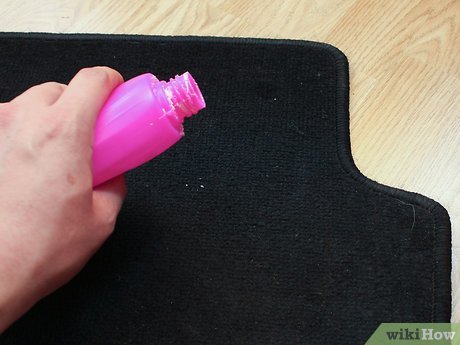
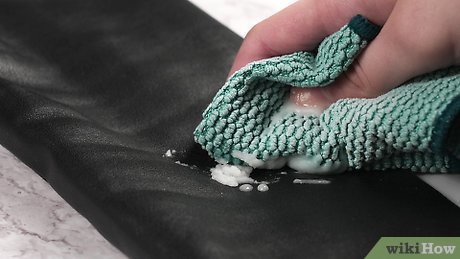
For set stains that don’t fully respond to powder alone, mix a tiny drop of mild dish soap with warm water until suds form. Apply the suds only (not the soapy water itself) to the stain with a damp cloth. Gently work in circles and immediately wipe away with a clean damp cloth. The dish soap breaks down and lifts the polymerized oil from the surface. Follow immediately with leather conditioner — dish soap is drying to leather.
Method 3: Isopropyl Alcohol (Last Resort)
For stubborn, set grease stains that resist other methods, isopropyl alcohol (70%) applied to a cotton ball can dissolve the oil. Dab gently — don’t rub — and immediately wipe with a clean damp cloth. Test thoroughly in a hidden area first. Alcohol is effective but drying to leather and can affect certain dyes. Always condition immediately after use.
How to Clean Grease from Suede Leather
Suede requires even more care than smooth leather. The nap (the raised texture) absorbs oil deeply and is damaged by water. For grease on suede:
- Apply cornstarch or talcum powder immediately and leave for 24 hours.
- Brush off with a suede brush using gentle strokes in the nap direction.
- For remaining stains, a dedicated suede eraser rubbed gently over the stain can lift absorbed grease.
- A suede-specific cleaner spray applied per product directions is the safest option for persistent stains.
- Never use water or dish soap on suede — it flattens the nap and causes water staining that’s very difficult to remove.
Pro Tips for Leather Grease Stain Prevention and Care
- Address spills within 60 seconds. The difference between a fresh and a set grease stain is essentially time. Immediate action with baking soda powder is dramatically more effective than treatment hours later.
- Use leather protector spray. Applying a leather protector (like Leather Honey or Scotchgard Leather Protector) creates a barrier that repels oil and grease — spills bead on the surface rather than soaking in immediately, giving you more time to clean them up.
- Condition regularly. Well-conditioned leather is more resilient to staining — the pores are filled with conditioning oil that leaves less room for food grease to penetrate.
- Keep leather furniture away from food eating areas when possible — or use throw covers on furniture near dining areas where grease exposure is likely.
Common Mistakes When Removing Grease from Leather
- Rubbing the stain immediately. Rubbing spreads and embeds grease deeper into leather fibers.
- Using too much water. Excess moisture causes water staining on leather and long-term damage to the hide.
- Using harsh solvents. Acetone, paint thinner, and similar chemicals strip leather of its natural oils and protective finishes.
- Not conditioning after cleaning. Any cleaning depletes natural oils — skipping conditioner leads to drying and cracking over time.
- Waiting too long. The longer grease penetrates into leather, the harder it becomes to remove. Immediate action is the most important factor in successful removal.
Frequently Asked Questions
How do I get cooking oil out of a leather couch?
Apply baking soda or cornstarch immediately to absorb the oil. Leave for several hours to overnight, then brush off. If a mark remains, use a small amount of dish soap suds (not the liquid itself) on a damp cloth to clean gently, then wipe and follow with leather conditioner. Fresh oil responds to this treatment almost every time.
Can I use baby powder on a leather grease stain?
Yes — baby powder (talcum powder) works identically to cornstarch and baking soda as a grease absorber on leather. Apply generously, leave for several hours, brush off. It’s gentle on leather and safe for all leather types including delicate aniline leather.
Will the grease stain permanently damage my leather?
In most cases, no — even set grease stains respond to treatment with patience and the right method. The oil doesn’t chemically damage leather the way some other stains do. The main risk is that the oil eventually darkens the leather in that area as it oxidizes, but this can usually be minimized or reversed with thorough cleaning. Professional leather restoration services handle even significantly neglected grease stains.
How do I clean grease off car leather seats?
Car leather seats often have a more durable protective coating than furniture leather, which makes them slightly easier to clean. Apply baking soda to the fresh stain, let sit for 1–2 hours, brush off. Follow with a leather-safe interior cleaner applied with a microfiber cloth. Buff dry with a clean cloth. Apply leather conditioner when done. Avoid strong degreasers — they strip the protective coating from car leather.
What’s the best leather grease stain remover?
Cornstarch or baking soda is the best first-line treatment — cheap, safe, and effective for both fresh and moderately set stains. For stubborn stains, a pH-balanced leather cleaner combined with the powder method usually resolves the issue. Commercial products like Leather Honey Leather Cleaner or Chamberlain’s Leather Milk are well-regarded options that clean effectively without stripping leather oils.
Conclusion
Removing grease from leather is all about speed and the right approach. Fresh grease responds reliably to baking soda or cornstarch absorption — act within minutes and the stain often disappears completely. Set stains require repeated powder treatments or a careful dish soap application, always followed by conditioning. The golden rules are never rub grease, don’t use harsh solvents, use minimal water, and always condition after cleaning. These principles keep leather looking great and prevent permanent damage.
For more leather care guides, see our articles on how to clean leather naturally and light colored leather and how to clean leatherette. Our guide on how to clean faux suede covers synthetic leather alternatives with similar care requirements.
