
To clean leatherette, wipe it down with a cloth dampened in warm water and a small amount of mild dish soap, then dry immediately. Leatherette — also called faux leather, PU leather, or vinyl — is much more forgiving than real leather. It’s non-porous, so spills sit on the surface and wipe away easily. But it has its own vulnerabilities: harsh solvents and oils can break down the polyurethane coating, and abrasive scrubbers cause peeling that can’t be repaired. This guide covers routine cleaning, stain removal, and how to prevent leatherette from cracking and peeling prematurely.
What You’ll Need
- Soft microfiber cloths
- Mild dish soap (a few drops)
- Warm water
- Isopropyl alcohol 70% (for ink and stubborn stains)
- Baby wipes (unscented — for quick cleanups)
- Soft-bristle brush (for textured surfaces)
- Petroleum jelly or vinyl conditioner (for conditioning)
Leatherette vs. Real Leather: What’s Different About Cleaning It
Leatherette is synthetic — typically made from a fabric base coated with a polyurethane (PU) or PVC layer with a leather-like texture. Unlike real leather, it has no pores and doesn’t absorb moisture or cleaners. This makes it easier to clean (spills don’t soak in) but also more susceptible to surface breakdown from harsh chemicals that attack the polyurethane coating.
The key rules: no acetone, no petroleum-based solvents, no bleach, no silicone sprays. These break down the PU layer, causing peeling that you cannot repair. Mild soap and water is all you need for most situations.
Safety and Precautions
- Never use acetone or paint thinner on leatherette. These dissolve the polyurethane coating immediately and permanently.
- Avoid silicone-based sprays. Products like Armor All or silicone tire shine make leatherette look shiny initially but accelerate surface breakdown over time.
- Don’t use abrasive scrubbers. Steel wool, rough sponges, or magic erasers scratch and lift the leatherette surface coating.
- Don’t use bleach or ammonia. Both degrade PU leatherette and cause surface peeling and color fading.
- Avoid excess heat near leatherette. Heat guns, steam, and hair dryers cause leatherette to bubble, warp, and peel.
Step-by-Step: How to Clean Leatherette
Step 1 — Wipe Down With a Dry Cloth First
Remove loose debris, crumbs, and surface dust with a dry soft cloth. For furniture with seams and tufting, use a soft brush or vacuum with a brush attachment to clean out the crevices before wiping the flat surfaces. Starting dry prevents pushing dry grit around on the surface when you add moisture.
Step 2 — Mix Mild Soap Solution
Add a few drops of mild dish soap to a bowl of warm water. Mix gently — you want barely sudsy water, not a bubbly foam. Dish soap is mild enough for the PU coating and effective at cutting through body oils, food residue, and general grime that accumulate on leatherette over time.
Step 3 — Wipe the Leatherette Surface
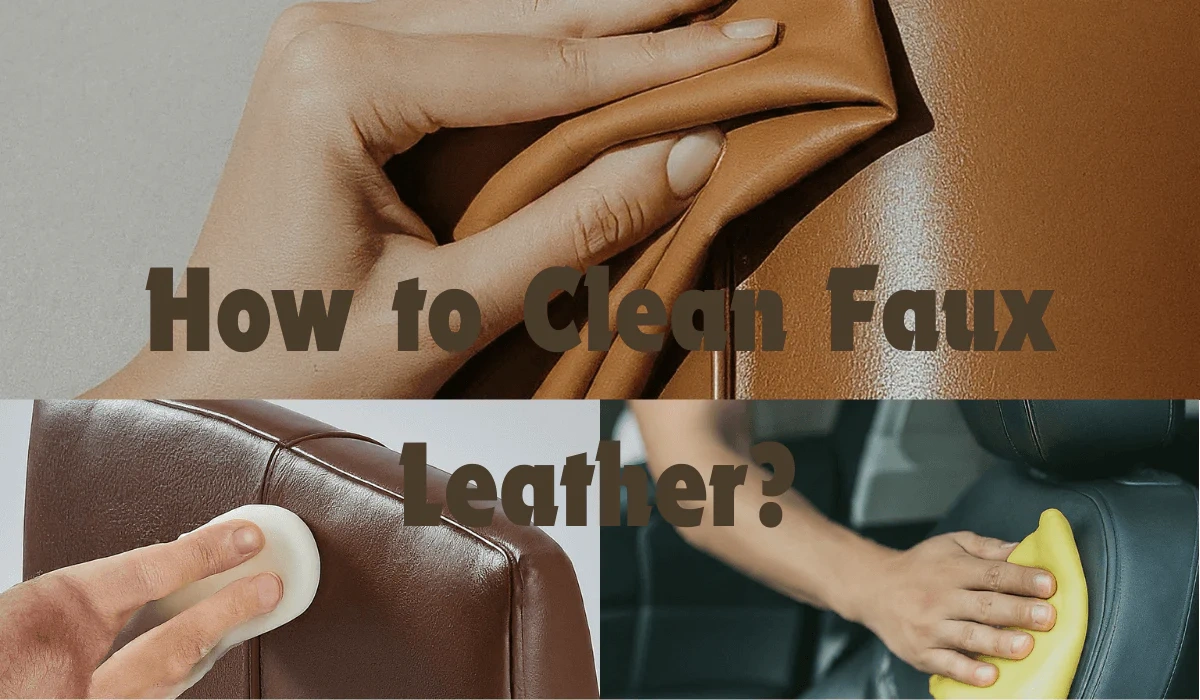
Dip a microfiber cloth into the soapy water and wring it out well. Wipe the leatherette surface in smooth, even strokes. Work in sections. Because leatherette is non-porous, the soap solution lifts surface grime quickly and easily. You’ll see the cloth picking up dirt right away. Flip to a clean area of the cloth as it gets dirty.
For textured leatherette (with raised grain patterns), a soft-bristle brush dipped in the cleaning solution helps get into the texture grooves where grime accumulates.
Step 4 — Wipe With Clean Water
Follow with a second cloth dampened in clean water to remove soap residue. Soap left on leatherette creates a slightly tacky or dull film over time. A clean water wipe removes it completely. Wring the cloth well — this step is about rinsing, not adding more moisture.
Step 5 — Dry Completely
Wipe dry with a clean, dry cloth. Leatherette dries faster than real leather since it’s non-porous, but allowing it to air dry naturally is best. Don’t use heat to speed drying — heat degrades the PU coating.
Step 6 — Condition Periodically


Leatherette doesn’t need conditioning as often as real leather, but occasional conditioning helps keep the PU coating supple and prevents cracking at flex points (like sofa cushion creases and steering wheel grip areas). Apply a thin layer of petroleum jelly (Vaseline) or a dedicated vinyl/leatherette conditioner every 3–6 months, buff in with a soft cloth, and wipe off excess. Avoid natural oil-based conditioners (coconut oil, olive oil) — these can discolor the PU coating over time.
Stain Removal for Leatherette
| Stain | Method | Notes |
|---|---|---|
| Food and drink | Wipe immediately with damp cloth; soap solution for sticky residue | Act fast — although leatherette is non-porous, dyes in beverages can stain |
| Ink | Dab with 70% isopropyl alcohol on a cotton swab; work from outside in | Test first; alcohol can dull some leatherette finishes |
| Grease / cooking oil | Blot with dry cloth, then dish soap solution | Don’t rub — spreading grease makes it worse |
| Dye transfer (jeans) | Isopropyl alcohol or dedicated leatherette cleaner | Work quickly — dye transfer is easier to remove when fresh |
| Scuff marks | Soft cloth with soap solution; light rubbing | For black scuffs on light leatherette, try a small amount of non-gel white toothpaste |
| Mold / mildew | 50/50 white vinegar and water solution; wipe and dry | Ensure full drying to prevent recurrence |
How to Prevent Leatherette From Peeling and Cracking
Peeling and cracking are the most common leatherette problems, especially in high-flex areas. Prevention is far easier than repair:
- Keep leatherette out of direct sunlight. UV degrades PU coatings rapidly. Use UV-blocking window film or keep leatherette furniture away from direct sunlight.
- Avoid extreme temperatures. Leatherette in hot cars can degrade rapidly. Use a car sunshade and park in the shade when possible.
- Condition flex points regularly. Sofa armrests, steering wheels, and car seat creases flex with every use. Apply a thin conditioner film to these areas more frequently.
- Don’t use harsh cleaners. Even one exposure to acetone or bleach can start the breakdown process that leads to peeling within months.
- Use seat covers in high-wear areas. For car seats or office chairs, a protective cover reduces wear on the leatherette surface significantly.
Pro Tips and Common Mistakes
- Baby wipes are your friend for quick spot cleans. Unscented, alcohol-free baby wipes are gentle on leatherette and perfect for quick wipe-downs without mixing a cleaning solution.
- Don’t wax leatherette. Car wax and furniture polish that contain wax build up on the synthetic surface and create a sticky residue that attracts more dirt.
- Repair minor peeling with leatherette repair kits. Once peeling starts, it won’t stop on its own. Leatherette repair kits (available at auto stores and Amazon) include a flexible adhesive and texture tool that can reattach peeling sections and blend in the repair.
- Test isopropyl alcohol carefully. Alcohol is effective for stains but can dull or slightly lift the surface finish on some leatherette types. Always test on a hidden area first.
Frequently Asked Questions
Is leatherette the same as vinyl?
Leatherette, faux leather, PU leather, and vinyl are all similar synthetic materials, but they’re not identical. PU leatherette uses a polyurethane top coat over a fabric base and tends to be softer and more breathable than older PVC vinyl. PVC vinyl is stiffer and more commonly found in older furniture and car interiors. Cleaning methods are nearly identical for both — mild soap and water, no harsh solvents.
Can I use a magic eraser on leatherette?
Use magic erasers (melamine foam) on leatherette very cautiously. They can remove scuff marks and some stains effectively, but the micro-abrasive nature of the foam can dull the surface finish if used aggressively. Apply with very light pressure on a small test area first. For most stains, a cloth with soap solution is safer.
How do I clean leatherette car seats?
Use the same mild soap and water method. For car seats, a small soft-bristle brush helps clean textured grain patterns and seat seams. Vacuum first to remove crumbs and debris from seams. Condition car seat leatherette every 3 months — heat inside parked cars degrades PU coatings quickly without regular conditioning. Keep a small bottle of vinyl conditioner in the glove box for easy access.
Can I repair peeling leatherette?
Minor peeling can be repaired with a leatherette or vinyl repair kit. Clean and degrease the area, apply flexible repair adhesive, press the peeling section back down, apply a grain texture tool while the adhesive is wet, and allow to cure fully. It won’t look factory-perfect, but it stops the peeling from spreading. For extensive peeling (common in older car seats), reupholstering with new leatherette material is the more durable fix.
What is the difference between cleaning leatherette and real leather?
Real leather is porous and absorbs moisture, so it needs conditioning to prevent drying and cracking. Leatherette is non-porous, so it doesn’t absorb moisture and doesn’t need conditioning as frequently. However, real leather is more durable and resilient to cleaning products, while leatherette’s PU coating is more vulnerable to solvents and harsh chemicals. Both benefit from mild soap and water cleaning, but the conditioning needs differ significantly.
Conclusion
Leatherette is one of the easiest surfaces to keep clean — mild soap and water handles almost everything, and its non-porous surface means spills wipe up before they can soak in. The key is protecting the PU coating from harsh chemicals and UV damage, and conditioning flex points regularly to prevent cracking. For more guides on cleaning upholstery and specialty surfaces, see our articles on how to clean faux suede and how to clean neoprene at GuideGrove.
