
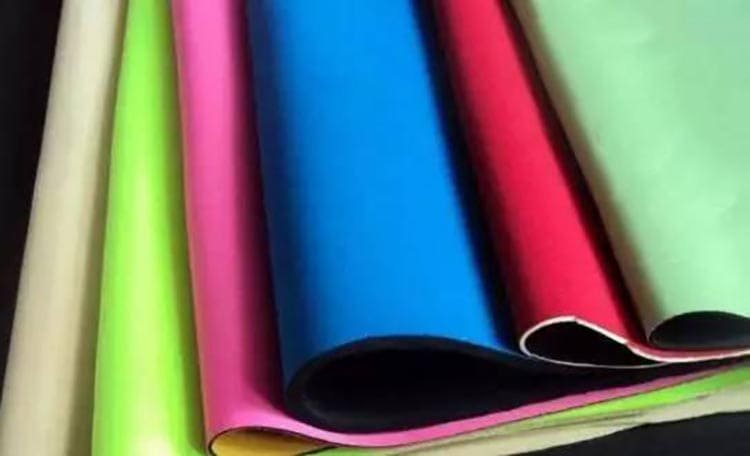
To clean neoprene, rinse it thoroughly in cold or lukewarm water immediately after use, then hand wash with a specialized neoprene cleaner or a small amount of baby shampoo, rinse completely, and air dry flat or on a wide hanger away from direct sunlight and heat. Neoprene is a synthetic rubber foam — it’s durable but sensitive to heat, strong chemicals, machine washing, and UV radiation. Whether you’re cleaning a wetsuit, a laptop sleeve, a tool bag, a can koozie, or neoprene braces, the same gentle principles apply. This guide covers routine rinsing, deep cleaning, odor removal, and long-term neoprene care.
What You’ll Need
- Cold or lukewarm water (never hot)
- Neoprene cleaner / wetsuit shampoo (specialty products like McNett Wetsuit Cleaner, Gear Aid Wetsuit Shampoo)
- Baby shampoo (mild alternative)
- White vinegar (for odor removal)
- Soft cloth or sponge
- Wide plastic hanger or flat drying surface
Safety and Precautions
- Never machine wash neoprene. The agitation and spin cycle stretch, crack, and delaminate neoprene material. Always hand wash only.
- Never use hot water on neoprene. Heat degrades neoprene’s cellular foam structure, reducing its insulating properties and elasticity. Use cold or room temperature water only.
- Avoid bleach, detergents, and solvents. These chemicals break down neoprene’s polymer structure and cause the material to harden, crack, and deteriorate rapidly.
- Never dry neoprene in a dryer or in direct sunlight. Both heat and UV radiation accelerate neoprene breakdown. Air dry in the shade or indoors.
- Don’t fold neoprene for storage. Folding creates permanent creases and can cause delamination over time. Store flat or hung on a wide hanger.
Step-by-Step: How to Clean Neoprene
Step 1 — Rinse Immediately After Use
The single most important neoprene care step is rinsing immediately after use — before salt water, chlorine, sweat, sand, or other contaminants have time to dry into the material. Run the neoprene item under cold or lukewarm running water for several minutes. For wetsuits and large items, turn them inside out partway through to rinse the interior lining as well as the exterior rubber surface.
Most neoprene odor and premature degradation comes from skipping this rinse step after water sports. Salt and chlorine left to dry in the foam break down the material at the cellular level over repeated exposures.
Step 2 — Hand Wash With Neoprene Cleaner or Baby Shampoo
Fill a tub, large sink, or bucket with cold or lukewarm water. Add a small amount of neoprene-specific cleaner or a capful of baby shampoo — both are gentle enough to clean without damaging the material. Submerge the neoprene item and gently agitate with your hands. Work the cleaning solution into the surface with a soft cloth or your palms. For stubborn grime areas (neck seals, sleeve cuffs, armpit areas), gently scrub with a soft-bristle brush.
Do not wring, twist, or scrub aggressively. Neoprene foam tears and deforms under mechanical stress.
Step 3 — Rinse Completely
Rinse the neoprene item thoroughly in clean cold or lukewarm water until no soap bubbles or suds remain. Soap residue left in neoprene can cause skin irritation (important for wetsuits and braces), degrade the material over time, and create a persistent soapy odor. Multiple rinse cycles with fresh water ensure all cleaner is removed.
Step 4 — Remove Excess Water Gently
Gently press water out of the neoprene — never wring or twist. For wetsuits and large items, lay flat on a clean towel and gently roll the towel around the item to blot out water. This technique removes significant moisture without mechanical stress on the foam structure.
Step 5 — Air Dry Properly
Hang the neoprene on a wide, padded hanger or lay it flat on a clean surface to air dry. For wetsuits: dry inside-out first (the interior lining dries first, which is the portion that contacts your skin), then turn right-side-out for the second half of drying. Dry in the shade or indoors — not in direct sunlight and never near a heat source. Full drying typically takes 8–24 hours depending on humidity and thickness. Ensure the item is completely dry before folding or storing.
How to Remove Odor From Neoprene
Neoprene odor — particularly the persistent “wet rubber” or “sour” smell in wetsuits — is caused by bacteria growing in the warm, damp neoprene interior and in the surface foam cells. Standard cleaning reduces it, but for stubborn odor:

- White vinegar soak: Fill a tub with cold water and add 1–2 cups of white vinegar. Soak the neoprene item for 30 minutes. Vinegar kills odor-causing bacteria effectively. Rinse thoroughly after soaking — 3–4 times with fresh water to remove all vinegar. Allow to dry fully.
- Baking soda soak: Dissolve 1/2 cup of baking soda in cold water. Soak for 30 minutes, rinse thoroughly, and dry. Baking soda neutralizes acidic odor compounds.
- Specialty wetsuit deodorizer: Products like Gear Aid Wetsuit Wash or McNett Wetsuit Cleaner contain enzymes that break down the bacteria and organic compounds causing odor more effectively than vinegar alone. Follow product instructions.
Cleaning Neoprene by Item Type
| Item | Cleaning Frequency | Special Considerations |
|---|---|---|
| Wetsuit | After every use (rinse); deep clean every 5–10 uses | Turn inside-out for drying; wide hanger only |
| Laptop/tablet sleeve | As needed; monthly for regular use | Wipe interior lining with damp cloth; air dry flat |
| Neoprene tool bags and pouches | Monthly or as soiled | Rinse with garden hose if heavily dirty; air dry completely before storing tools |
| Neoprene knee/elbow braces | After every sweaty use | Hand wash only; skin contact items need thorough rinsing |
| Drink koozies | As needed | Hand wash in soapy water; rinse; air dry |
How to Condition and Preserve Neoprene
After cleaning, applying a neoprene conditioner or a thin coat of Black Witch neoprene treatment (a common product in the surfing community) helps restore flexibility, extend the material’s life, and prevent surface cracking on aged neoprene. Apply a small amount to the surface and work in with a cloth. Wipe off excess. This step is optional for new neoprene but beneficial for older items showing stiffness or surface cracking.
Pro Tips and Common Mistakes
- Rinse immediately after every use — without exception. This single habit extends neoprene life by years. Salt water, chlorine, sunscreen, and body oil left to dry in neoprene degrade it rapidly.
- Dry inside out first. The interior lining of wetsuits and neoprene braces is the most important area to dry — it contacts your skin and is the primary location for bacteria and odor development.
- Store hanging or flat, never folded. Permanent fold lines form in neoprene relatively quickly and can eventually crack. If storage space is limited, roll loosely rather than fold sharply.
- Keep away from heat and sunlight during storage. UV degrades neoprene’s rubber structure over time. Store in a cool, dark, ventilated space.
Frequently Asked Questions
Can I put neoprene in the washing machine?
No — machine washing damages neoprene. The agitation stretches and tears the foam cells, the spin cycle applies mechanical stress that causes delamination, and the water temperature in most machines is too warm. Always hand wash neoprene in cold or lukewarm water.
How do I get the smell out of a neoprene wetsuit?
The most effective method is a white vinegar cold water soak for 30 minutes, followed by thorough rinsing and complete drying. For persistent odor, a specialty enzyme-based wetsuit cleaner (Gear Aid, McNett) is more effective than vinegar alone. The key is also preventing odor recurrence by rinsing immediately after every use and ensuring the suit dries completely (inside out first) before storage.
Is baby shampoo safe for neoprene?
Yes — baby shampoo is one of the most commonly recommended neoprene cleaners. It’s pH-neutral, fragrance-minimal, and gentle enough not to damage the rubber foam structure. Use a small amount diluted in cold water. Rinse thoroughly afterward to avoid any skin irritation from residue in items that contact skin.
Why is my neoprene getting stiff and cracking?
Stiffness and cracking in neoprene is caused by UV degradation, heat exposure, or chemical damage (from harsh cleaners, sunscreen, or solvent contact). Mild stiffness in older neoprene can be improved with a neoprene conditioner. Advanced cracking or delamination of the fabric lining is structural damage that cannot be reversed — at that point, replacement or professional repair is needed.
How long does neoprene last?
Well-maintained neoprene wetsuits typically last 3–5 years with regular use, and up to 10 years with careful care and less frequent use. Neoprene accessories (laptop sleeves, tool bags, drink koozies) last even longer with proper care. The most common cause of premature neoprene failure is UV exposure, improper drying, and harsh chemical exposure.
Conclusion
Cleaning neoprene properly is straightforward: rinse immediately in cold water after every use, hand wash with a gentle cleaner periodically, rinse completely, and air dry fully before storage. The non-negotiables are no machine washing, no hot water, no bleach, and no direct sun drying. Following these rules consistently keeps neoprene flexible, odor-free, and functional for years. For related cleaning guides on specialty materials, see our articles on how to clean faux suede and how to clean felt at GuideGrove.
