
To clean nylon, spot clean with a mild dish soap solution and a soft brush, or hand wash in cool water with gentle detergent. Most nylon items — backpacks, bags, nylon carpet, nylon upholstery — handle water well. Nylon is a durable, resilient synthetic fiber that resists staining and cleans up easily. However, hot water and harsh chemicals can fade colors and weaken the fibers over time. This guide covers cleaning methods for every common nylon item in the home: bags, backpacks, carpet, upholstery, and nylon outdoor fabric.
What You’ll Need
- Mild dish soap or gentle laundry detergent
- Cool or warm water (never hot)
- Soft-bristle brush (toothbrush or nail brush)
- Microfiber cloths
- White vinegar (for odor and mild stains)
- Baking soda (for deodorizing)
- Isopropyl alcohol 70% (for ink and tough stains)
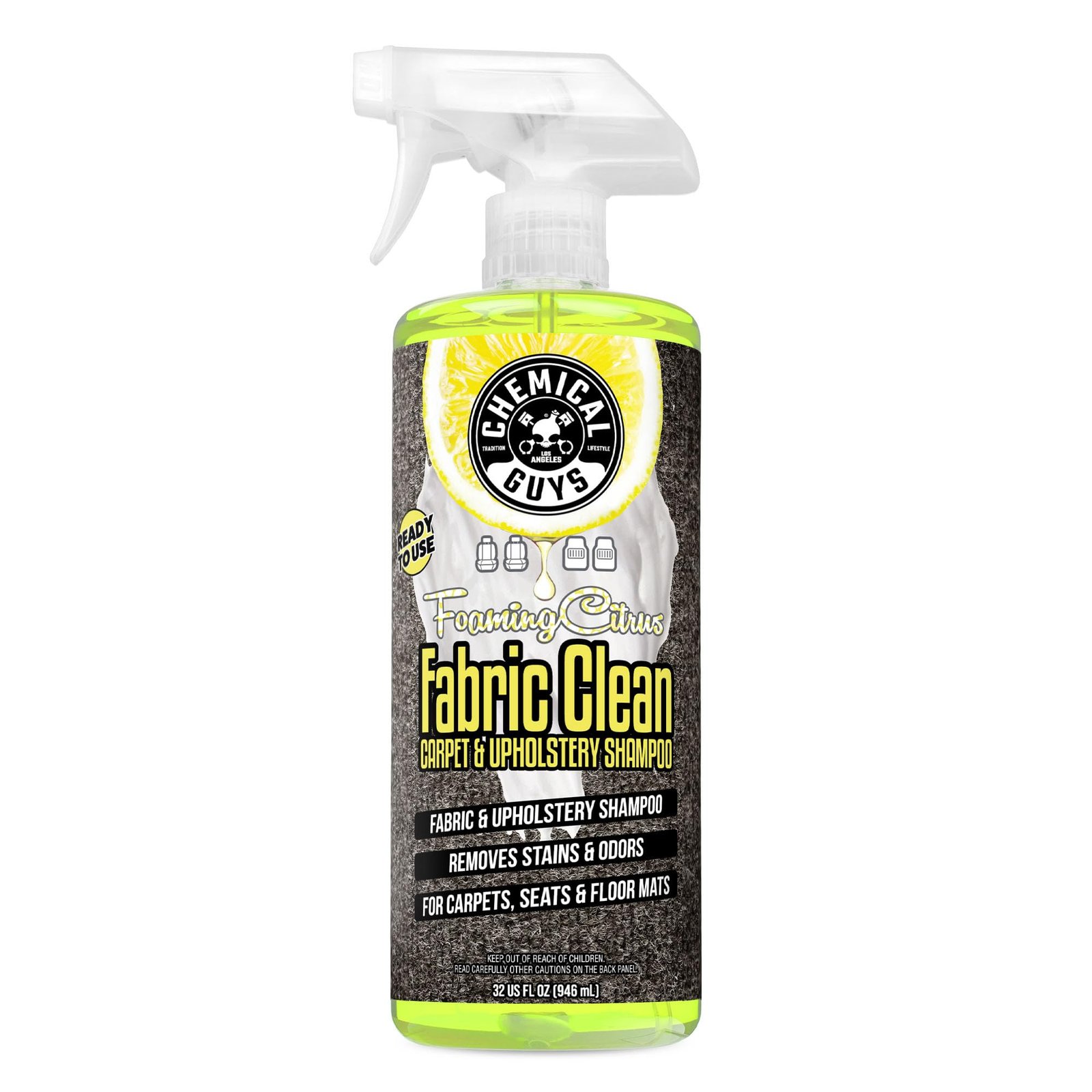
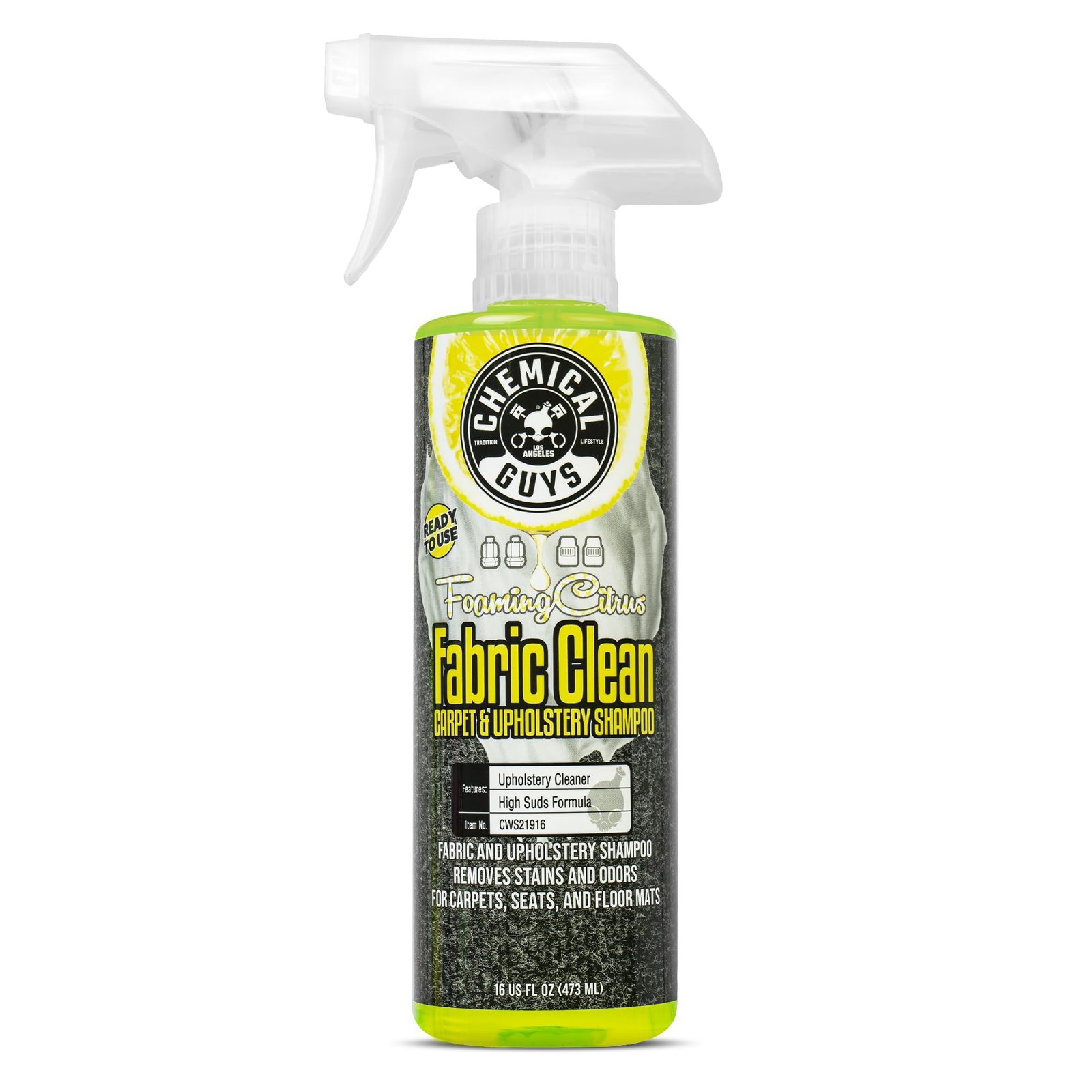
- Carpet/upholstery cleaner (for nylon carpet and furniture)
Safety and Precautions
- Use cool or warm water — not hot. Hot water can weaken nylon fibers and cause shrinkage or warping in structured items like bags with internal frames.
- Avoid bleach on colored nylon. Bleach rapidly fades and degrades nylon’s color. For white nylon, a heavily diluted bleach solution can be used carefully, but oxygen bleach (OxiClean) is safer.
- Don’t machine dry most nylon items. High dryer heat can melt, warp, or shrink nylon, especially in bags and packs with structural elements. Air dry most nylon items.
- Check care labels first. Many nylon bags, backpacks, and upholstered items have specific manufacturer cleaning instructions — check before washing.
Step-by-Step: How to Clean Nylon Bags and Backpacks
Step 1 — Empty and Shake Out
Empty the bag completely and turn it inside out if possible. Shake to remove loose debris, sand, and crumbs. Use a vacuum attachment on the interior to remove fine dust and pet hair from fabric lining pockets.
Step 2 — Spot Clean Stains First
Before full washing, address individual stains. Mix a solution of warm water and a few drops of mild dish soap. Dip a soft-bristle brush in the solution and scrub the stained area in small circular motions. For grease stains: apply a small amount of dish soap directly to the stain, let sit 5 minutes, then scrub and rinse. For ink: dab with 70% isopropyl alcohol on a cotton swab from the outside of the stain in.
Step 3 — Hand Wash the Full Bag
Fill a large sink or bathtub with cool to warm water and add a small amount of gentle laundry detergent. Submerge the bag and work the soapy water through all fabric panels with your hands. Gently scrub all exterior surfaces with a soft brush, paying extra attention to straps (where skin oils accumulate), strap attachment points, and the base of the bag (which sits on floors). Clean the interior lining with the same solution.
Step 4 — Rinse Thoroughly
Drain the soapy water and rinse the bag multiple times in clean cool water until all soap suds are gone. Squeeze (don’t wring) water out of fabric panels. For zippered compartments, open all zippers and rinse through them to flush out soap residue.
Step 5 — Air Dry Completely
Hang the bag open to air dry fully, with zippers and compartments open so interior areas dry completely. Dry in a shaded, well-ventilated area — not in direct sunlight, which can fade nylon’s colors over time. Bags typically take 24–48 hours to dry completely, especially thick padded backpacks. Do not use or store until completely dry — damp nylon bags develop mold and mildew odor.
How to Clean Nylon Carpet
Nylon is the most common material in high-quality carpet — it’s durable, resilient, and cleans well. The cleaning approach varies by whether you’re dealing with routine maintenance, spot staining, or a full deep clean.
Routine Vacuuming
Vacuum nylon carpet at minimum weekly, more frequently in high-traffic areas. Use a vacuum with good suction and a rotating beater bar — nylon’s resilience means it handles aggressive vacuuming well. Regular vacuuming prevents soil from working down into the fiber base where it causes permanent discoloration.
Spot Stain Removal
Step 1 — Blot Immediately
For fresh spills, blot up as much liquid as possible immediately with a clean white cloth — never rub. Work from the outside of the spill toward the center to prevent spreading.
Step 2 — Apply Cleaning Solution
Mix 1 tablespoon of dish soap and 1 tablespoon of white vinegar in 2 cups of warm water. Apply to the stain with a clean white cloth. Blot from outside in. For pet stains, use an enzyme cleaner — it breaks down the proteins that cause staining and odor.

Step 3 — Rinse and Dry
Rinse by blotting with a cloth dampened in clean water. Blot dry with a clean cloth and allow to air dry fully.
Deep Cleaning Nylon Carpet
Nylon carpet responds well to hot water extraction (steam cleaning). Rent a carpet cleaner or hire a professional every 12–18 months for a thorough deep clean that removes embedded soil and allergens. Use a carpet cleaner solution specifically rated for synthetic/nylon carpet — avoid solutions formulated for wool or natural fiber carpet.
How to Clean Nylon Upholstery
Nylon upholstery on furniture is cleaned similarly to spot cleaning nylon carpet:
- Vacuum with an upholstery attachment first to remove loose soil
- Check the manufacturer’s cleaning code: W = water-based cleaners safe; S = solvent/dry cleaning only; WS = either; X = vacuum only
- For W and WS coded nylon upholstery: use the dish soap and vinegar solution above, apply with a soft cloth, blot gently, rinse by blotting with clean water, and air dry
- Avoid saturating upholstered cushions with water — excess moisture reaches the foam and padding, causing mold growth
Nylon Stain Removal Reference
| Stain | Method | Notes |
|---|---|---|
| Food and drink | Dish soap solution; blot from outside in | Act fast for best results |
| Grease/oil | Dish soap directly on stain; let sit 5 min; scrub; rinse | Don’t dilute dish soap for grease |
| Ink | Isopropyl alcohol on cotton swab; blot | Test on hidden area first |
| Pet stains | Enzyme cleaner per product directions | Don’t use ammonia — amplifies urine odor |
| Mud | Let dry completely; brush off; then clean with soap solution | Never clean wet mud — spreads the stain |
| Mold/mildew | Diluted white vinegar or oxygen bleach solution | Dry fully to prevent recurrence |
Pro Tips and Common Mistakes
- Let mud dry before cleaning. Wet mud is very difficult to remove from fabric — it smears deeper into the fibers. Allow it to dry completely, then brush or vacuum off the bulk before applying any cleaning solution.
- Test cleaners on a hidden area first. Even mild soap can affect dye stability on some nylon fabrics. Test the inside of a pocket or the back of a cushion before treating visible areas.
- Don’t machine dry most nylon bags. Air drying is the safest approach for all nylon items with structure (frames, padded panels, foam padding). Machine drying risks warping, shrinkage, and adhesive failure on laminated panels.
- Treat nylon bags with a DWR (Durable Water Repellent) spray after cleaning. Many nylon bags come with a factory DWR coating that repels water and stains. This washes off over time. Reapply a silicone or fluorocarbon DWR spray after washing to restore water repellency.
Frequently Asked Questions
Can I put a nylon backpack in the washing machine?
Many basic nylon backpacks can be machine washed on a gentle cycle in cold water with a small amount of detergent — but check the care label first. Backpacks with metal frames, leather accents, or foam padding should not be machine washed. If machine washing, use a mesh laundry bag to protect zippers from snagging on the machine drum. Never machine dry — air dry only.
How do I get the musty smell out of a nylon bag?
Sprinkle baking soda inside the bag, close it, and leave overnight. The baking soda absorbs odor. Shake out and vacuum the residue. Follow with a hand wash using the standard method above. For persistent mildew smell from moisture, soak in a diluted white vinegar solution (1 part vinegar to 4 parts water) for 30 minutes, then rinse thoroughly and air dry fully before storing.
Is nylon carpet hard to clean?
Nylon is actually one of the easiest carpet materials to clean. Its resilient fiber structure resists crushing and responds well to both spot cleaning and hot water extraction (steam cleaning). Nylon carpet typically outlasts polyester and wool in terms of maintaining appearance with regular cleaning. Vacuum frequently, address spills promptly, and deep clean annually for best results.
Can I use bleach on white nylon?
Diluted chlorine bleach (1 tablespoon per gallon of water) can be used sparingly on white nylon for spot disinfection, but test first — some white nylon items are treated with coatings that bleach can damage. Oxygen bleach (OxiClean) is safer for white nylon and as effective for most stain removal purposes. Never use bleach on colored nylon.
How do I clean a nylon laptop bag?
Empty completely and remove any protective laptop sleeve or padding if detachable. Hand wash the nylon exterior with mild dish soap and a soft brush. Wipe the interior lining with a damp cloth (minimal moisture). Clean zippers with a toothbrush and soap. Rinse, press out excess water, and air dry fully before reinserting any electronics or padding.
Conclusion
Nylon is one of the most forgiving materials to clean — mild soap, cool water, a soft brush, and thorough rinsing handles almost every situation. The key rules are cool water (not hot), no bleach on colored items, and air drying rather than machine drying most structured items. For related material cleaning guides, see our articles on how to clean faux suede and how to clean felt at GuideGrove.
