Felt is a dense, matted fiber material — wool, synthetic, or a blend — that requires careful handling when cleaning. It doesn’t unravel like woven fabrics, but it does shrink, distort, and mat irreversibly when washed aggressively or with hot water. The approach varies significantly by the type of felt: craft felt and decorative fabric felt requires gentle hand washing; pool table felt needs specialized care that preserves the nap and playing surface; and small felt items can often be spot cleaned without any water at all. This guide covers all three situations.
What You’ll Need
- Cool to lukewarm water
- Mild wool detergent or baby shampoo (for wool felt)
- Mild dish soap (for synthetic felt)
- Lint roller or sticky tape
- Soft-bristle brush or dry toothbrush
- Clean white cloths
- Compressed air (for pool table felt)
- Pool table felt brush (for billiard felt)
- Baking soda (for odors)
- Towels for drying
Safety and Precautions
- Never use hot water on felt. Hot water causes wool felt to shrink and mat (a process called felting — ironic but true). Cool or lukewarm water only.
- Never machine agitate wool felt. The mechanical action of a washing machine causes wool fibers to interlock and shrink permanently. Hand wash only for wool felt.
- Don’t wring or twist felt. Felt distorts easily when wet. Press out water gently rather than wringing.
- Avoid rubbing stains on pool table felt. Rubbing pushes stains deeper into the dense fiber and permanently disrupts the nap, affecting ball roll. Always blot, then brush in the direction of the nap.
- Check if felt is wool or synthetic before washing. Synthetic (polyester/acrylic) felt is more forgiving with water and temperature than wool felt. The tag or manufacturer information tells you which you have.
How to Clean Craft Felt and Fabric Felt
Remove Surface Debris with a Lint Roller
Before any wet cleaning, use a lint roller, sticky tape, or a dry soft brush to remove lint, dust, pet hair, and loose particles from the surface. This prevents debris from being worked into the fibers during washing.
Spot Clean Minor Stains First
For small stains, spot cleaning is preferable to full washing — less water exposure means less risk of shrinkage or distortion. Mix a tiny drop of mild dish soap or baby shampoo in cool water. Dampen a white cloth and blot the stain gently from the outside in. Rinse the cloth and blot with clean water. Press with a dry towel and allow to air dry.
Hand Wash for Full Cleaning
For significantly soiled felt pieces that need a full wash, fill a basin with cool water and a small amount of wool detergent or baby shampoo. Submerge the felt and gently squeeze the water through — don’t scrub or agitate. Let it soak for 5–10 minutes, then gently squeeze again. Drain and refill with clean cool water to rinse. Squeeze gently — do not wring or twist.
Press Out Water and Dry Flat
Lay the wet felt on a clean dry towel and roll it up to press out water. Unroll and repeat with a dry section of towel. Reshape the piece to its original dimensions while still wet — felt sets in whatever shape it dries in. Lay flat on a clean surface to air dry away from heat and direct sun.
How to Clean Pool Table Felt (Billiard Cloth)
Pool table felt (billiard cloth) is a specialized woven wool or wool-nylon blend material — not the same as craft felt. It has a directional nap that affects ball roll and requires specific care to maintain playing performance.
Brush the Table Regularly
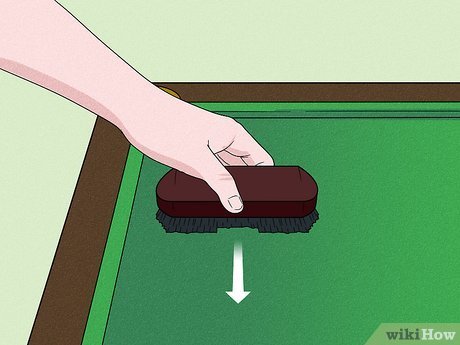
Use a dedicated pool table brush (a wide, soft-bristle brush designed for billiard cloth) to brush chalk dust, talc, and debris off the table after each session. Always brush in one direction — from one end of the table to the other — in the direction of the nap. Never brush back and forth, and never use a circular motion. Incorrect brushing disrupts the nap and affects ball roll.
Vacuum with Low Suction
Use a vacuum with a soft upholstery attachment on very low suction to remove stubborn chalk dust that brushing doesn’t fully clear. Keep the vacuum moving in one direction (following the nap). Don’t press the nozzle hard against the cloth — light contact only.
Remove Spills Immediately
If a beverage spills on pool table felt, blot immediately with a clean white cloth. Do not rub. Press firmly and lift straight up repeatedly to absorb as much liquid as possible. Use a clean section of cloth with each blot. For staining that remains after blotting, apply a very small amount of club soda to the stain and blot again. Let the area dry completely with a fan before playing again.
Use Compressed Air for Chalk Dust in Pockets
Chalk dust accumulates in the pocket liners and corner areas. A can of compressed air blows it out effectively without introducing moisture or disturbing the cloth surface.
Avoid Over-Cleaning the Playing Surface
Pool table felt should generally not be wet-cleaned beyond spot treatment for spills. Excessive moisture causes dimensional changes that affect the cushion and frame underneath and can cause the cloth to loosen from the table surface. Professional re-covering (typically $300–600) is the solution when felt becomes too worn or stained for gameplay.
How to Remove Common Stains from Felt
Food and Beverage Stains
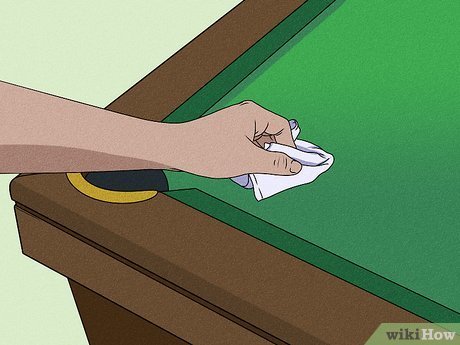
Blot immediately — don’t rub. Apply a small amount of cool water and mild soap to a cloth and blot gently. For dried stains on craft felt, dampen the stain with cool water first to rehydrate it before attempting removal. Club soda works well on fresh liquid stains — the carbonation helps lift the stain from the fibers.
Grease and Oil Stains
Sprinkle baking soda or cornstarch on the grease stain and let it absorb for 30 minutes. Brush off gently. Then blot with a cloth dampened with a tiny amount of dish soap in cool water. Rinse by blotting with a clean damp cloth. Allow to dry flat.
Ink Stains
Dab a small amount of isopropyl alcohol onto a clean white cloth and blot the ink stain gently. Work from outside the stain inward. Alcohol removes many ink types from felt effectively without the water-shrinkage risk. Test in a hidden area first as it may lighten some dyed felts.
Chalk Stains (Pool Table)
Chalk stains on billiard cloth should be treated by dry brushing first. Brush in the direction of the nap to move chalk out rather than into the fibers. If a blue chalk stain persists, let a small amount of cold water absorb into just the stain area, blot (don’t rub), and fan dry. Attempting aggressive cleaning on chalk stains usually makes them worse.
Pro Tips for Felt Care
- Never iron felt directly. Iron marks on felt are permanent. If you need to remove wrinkles from craft felt, steam from a distance with a garment steamer — never direct iron contact.
- Keep pool table felt covered when not in use. A table cover prevents dust accumulation, protects from accidental spills, and reduces UV fading from overhead lighting.
- Air out felt pieces regularly. Hanging felt items outdoors in fresh air (not direct sun) keeps them smelling fresh and reduces minor odors without any wet cleaning.
- Replace heavily worn felt rather than over-cleaning it. Felt doesn’t recover well from heavy-use wear. Pool table felt that’s bald in the center or craft felt that’s pilling and matting is past the point of cleaning benefit.
Common Mistakes When Cleaning Felt
- Using hot water. Causes irreversible shrinkage and matting, especially in wool felt.
- Machine washing wool felt. Mechanical agitation causes wool to full (felt further), making it smaller, stiffer, and misshapen.
- Rubbing stains. Always blot — rubbing permanently disrupts the surface texture of felt.
- Brushing pool table felt in multiple directions. Disrupts the nap and affects ball roll. Always brush end-to-end in one direction.
- Over-wetting felt items. Even when hand washing, minimizing water contact and time reduces the risk of dimensional distortion.
Frequently Asked Questions
Can felt be machine washed?
Synthetic (polyester/acrylic) craft felt can sometimes be machine washed on a delicate/cold cycle if the item is small and the label permits it — use a mesh laundry bag. Wool felt should never go in the washing machine — hand washing only. Pool table felt should never be machine washed under any circumstances.
How do I get pet hair off felt?
A lint roller is the easiest method for surface pet hair. For embedded hair, a rubber glove rubbed over the surface in circular motions collects hair effectively. A tape roller or even the back of a rubber spatula also works. Avoid sticky tape directly on the felt surface — it can pull fibers.
How do I restore the nap on worn felt?
For craft felt with matted or worn areas, brushing gently with a soft-bristle brush can partially restore the surface texture. For pool table felt with a worn playing area, the nap cannot be fully restored — replacement is the only solution once the cloth wears through. Regular brushing and proper storage extend felt life significantly.
Can I use Febreze or fabric spray on felt?
Yes — a light mist of fabric deodorizer spray is safe for most felt items for odor control. Test in a small area first to ensure no color change. Allow to fully dry before use. Don’t soak the felt — a light mist is enough.
How often should pool table felt be cleaned?
Brush the pool table felt after every session. Vacuum monthly in high-use settings. Spot treat any spills immediately. Pool table felt in regular home use typically needs replacing every 3–5 years depending on play volume and quality of the original cloth.
Conclusion
Cleaning felt requires gentleness above everything else — cool water, blotting rather than rubbing, minimal agitation, and drying flat. Craft felt needs occasional hand washing with mild soap. Pool table felt is maintained by regular directional brushing and immediate blotting of spills. Avoid hot water, machine washing (especially for wool), and rubbing, and your felt items will maintain their texture and appearance for years.
For related fabric cleaning guides, see our articles on how to clean faux fur and how to clean faux suede. For nylon materials with similar care needs, our guide on how to clean nylon covers both fabrics and hard nylon surfaces.
