
Faux suede — also called microsuede, ultrasuede, or synthetic suede — is a popular upholstery and furniture fabric made from ultra-fine polyester microfibers. It’s softer and more affordable than genuine suede, but cleaning it requires some care: the wrong products can leave water marks, fading, or permanent stiffening. For most stains and general cleaning, rubbing alcohol or a mild soap-and-water solution handles the job effectively. This guide covers how to clean faux suede furniture, couches, car upholstery, and fabric items without damage.
What You’ll Need
- Isopropyl alcohol (rubbing alcohol, 70%)
- Mild dish soap or upholstery cleaner
- Warm water
- Clean white cloths or microfiber cloths
- Spray bottle
- Soft-bristle brush or dry toothbrush
- Vacuum with upholstery attachment
- Baking soda (for odors)
Safety and Precautions
- Check the care code tag first. Upholstered faux suede furniture has a care code tag: “W” (water-based cleaners only), “S” (solvent/dry cleaning only), “WS” or “SW” (either), or “X” (vacuum only, no liquid). Never use water on an “S” coded piece.
- Test in a hidden area. Test any cleaner on the underside or back of a cushion first to check for color change or texture alteration before applying to visible areas.
- Use white cloths only. Colored cloths can transfer dye to faux suede, especially when the fabric is wet. Always use white or light-colored cleaning cloths.
- Avoid soaking the fabric. Too much moisture leads to water marks, color variation, and mildew in cushion foam. Use damp cloths, not soaking wet ones.
- Work in small sections to maintain even moisture application and prevent visible cleaning boundaries.
Step-by-Step: Cleaning Faux Suede Furniture
Check the Care Code Tag
Find the tag under or behind the cushions. If the code is “W” or “WS,” water-based cleaning is safe. If it’s “S,” use only solvent-based cleaners (isopropyl alcohol works well). If it’s “X,” skip liquids entirely and vacuum only.
Vacuum Thoroughly First
Before applying any liquid, vacuum the entire faux suede surface with an upholstery attachment. Remove all loose dirt, crumbs, pet hair, and dust. Vacuuming first prevents these particles from being rubbed into the fabric during the cleaning process.
Apply Rubbing Alcohol for Stains (S or WS Code)
Pour a small amount of isopropyl alcohol (70%) onto a clean white cloth. Don’t apply it directly to the fabric — dampen the cloth, not the sofa. Blot the stained area gently rather than rubbing. Work from the outside of the stain inward to prevent spreading. The alcohol dries quickly, which is ideal for suede-type fabrics — it cleans without leaving water marks.
For Water-Safe Fabric: Mild Soap Solution
For “W” code fabric or general cleaning, mix a small amount of mild dish soap in warm water. Dampen a white cloth (not soaking wet) and blot the stained or dirty area. Rinse the cloth with clean water and blot again to remove soap residue. Repeat until clean.
Brush with a Soft Bristle Brush While Damp
While the fabric is still slightly damp, use a soft-bristle brush or clean dry toothbrush to gently brush the faux suede fibers in one direction. This restores the nap (the directional texture of the microfibers) that gets disrupted during cleaning. Brushing while damp is more effective than when fully dry.
Allow to Air Dry Fully
Allow the cleaned area to dry completely before using the furniture. Speed drying with a fan if needed. Avoid sitting on damp faux suede — it compresses the fibers and can leave permanent impressions.
Brush Again When Dry
Once fully dry, lightly brush the surface again with the soft bristle brush in the direction of the nap to restore the full uniform texture and eliminate any stiffness left from the cleaning process.
How to Remove Specific Stains from Faux Suede
Water Marks
Counterintuitively, water marks on faux suede are removed by applying more water. Lightly mist the entire affected panel or cushion section (not just the mark) with a fine water spray. Then use a damp cloth to blend the water mark into the surrounding fabric before it dries. Use a circular feathering motion outward from the mark. Allow to dry completely, then brush to restore the nap.
Oil and Grease Stains
Blot up as much oil as possible immediately with a dry cloth. Sprinkle baking soda or cornstarch on the stain and let it absorb for 15–30 minutes, then brush off. Follow with an alcohol treatment — apply isopropyl alcohol to a cloth and blot the remaining stain. Repeat if needed. Oil stains that have dried are harder to remove but may respond to multiple alcohol treatments.
Pet Stains and Urine
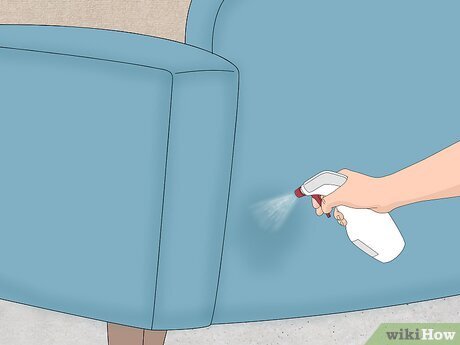
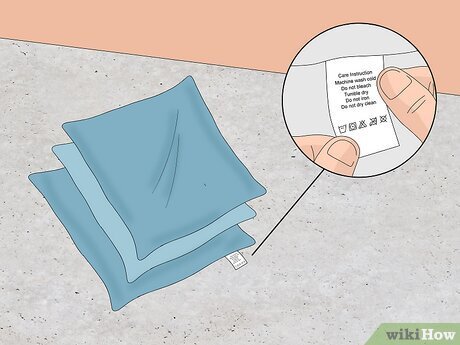
Blot up as much liquid as possible immediately. Mix 1 part white vinegar with 1 part water and blot the stained area — vinegar neutralizes urine odor. Let sit for 2 minutes, then blot with a clean cloth. Follow with a light application of mild soap solution, then blot with clean water to rinse. Sprinkle baking soda on the area when drying to further absorb odor. Vacuum after fully dry. For “S” code fabric, skip the vinegar/water and use an enzyme-based pet stain cleaner diluted in isopropyl alcohol instead.
Ink Stains
Immediately blot the ink without rubbing. Apply isopropyl alcohol to a cotton ball and dab the ink stain gently. Work from the outside in. Don’t rub — dragging moves the ink into a larger area. The alcohol dissolves ink effectively from synthetic microfiber. Repeat applications until the ink is lifted. Dry and brush the nap when done.
How to Deodorize Faux Suede
For odors without visible staining, sprinkle baking soda generously over the faux suede surface. Let it sit for at least an hour — overnight is better for strong odors. Vacuum thoroughly with the upholstery attachment. This absorbs odors from the microfibers without introducing moisture that could cause water marks.
Pro Tips for Faux Suede Care
- Use a lint roller regularly. Regular lint rolling removes surface debris before it gets worked into the microfibers during use.
- Brush the nap monthly. A quick brush with a soft-bristle upholstery brush in the direction of the nap keeps faux suede looking fresh and uniform between cleanings.
- Apply a fabric protector spray. Products like Scotchgard Fabric Protector create a barrier that repels liquid spills, giving you time to blot them up before they penetrate the fibers. Reapply every 6–12 months.
- Address spills immediately. The faster you blot a spill on faux suede, the less likely it is to become a permanent stain. Fresh spills are dramatically easier to remove than dried ones.
Common Mistakes When Cleaning Faux Suede
- Using water on an “S” code sofa. Water-based cleaning on solvent-only fabric leaves permanent water marks.
- Rubbing instead of blotting. Rubbing spreads stains and pushes them deeper into the microfibers. Always blot.
- Using colored cloths. Dye transfer from colored cloths onto wet faux suede is a common and frustrating mistake. Use white cloths exclusively.
- Soaking the fabric. Too much liquid saturates the cushion foam beneath and causes mildew, odors, and water staining.
- Skipping the nap brushing. Not brushing after cleaning leaves faux suede looking stiff and flat rather than soft and textured.
Frequently Asked Questions
Can faux suede be washed in a washing machine?
Removable faux suede cushion covers and some garments can be machine washed — check the label. Use cold water, gentle cycle, and mild detergent. Do not put in the dryer on high heat. For fixed upholstery (couches, chairs), spot cleaning only — never soak permanently upholstered pieces.
What’s the difference between faux suede and microsuede?
There’s no meaningful difference — microsuede, microfiber suede, ultrasuede, and faux suede are all terms for the same general category of ultra-fine synthetic polyester fabric that mimics the texture of real suede. They all clean the same way and share the same care considerations.
How do I restore the soft texture of faux suede after cleaning?
Brush the fabric with a soft-bristle brush while slightly damp (not soaking wet), then again when fully dry. Brushing in the direction of the nap restores the soft, velvety texture. For severely stiffened faux suede, hold a steamer a few inches away while brushing to help the fibers relax.
Can I use Windex or glass cleaner on faux suede?
No — ammonia-based cleaners like Windex can bleach and permanently damage faux suede fabric. Use only approved cleaners: rubbing alcohol for stains, mild soap for water-safe fabric, or commercial upholstery cleaners formulated for microfiber.
How do I clean a faux suede sofa that has a strong smell?
Baking soda is the most effective DIY deodorizer for faux suede sofas. Sprinkle generously over all surfaces, let sit overnight, then vacuum thoroughly. For persistent odors, spray very lightly with a 1:1 water and white vinegar solution, allow to air dry completely, then vacuum. An ozone air purifier running in the room for several hours also eliminates deep-set odors.
Conclusion
Cleaning faux suede successfully comes down to checking the care code first, using the right cleaning agent (alcohol for S-coded fabric, mild soap for W-coded), blotting rather than rubbing, and always restoring the nap with a brush after drying. With regular lint rolling, monthly brushing, and quick spot treatment of spills, faux suede furniture stays looking clean and soft for years.
For more upholstery and fabric cleaning guides, check out our articles on how to clean faux fur and how to clean neoprene. For leather surfaces that are sometimes confused with faux suede, see our guide on how to clean leatherette.
