
To clean leather naturally, wipe it down with a mixture of equal parts white vinegar and water, dry immediately, and condition with a small amount of coconut oil or beeswax conditioner. For light colored leather — white, cream, beige, or tan — the process is the same but requires extra care because dark stains show immediately and some cleaners leave yellowing. This guide covers natural cleaning methods for all leather types, specific stain removal for light leather, and how to keep white leather from turning yellow.
What You’ll Need
For Natural Cleaning
- White vinegar
- Distilled water
- Coconut oil, olive oil, or pure beeswax conditioner
- Mild castile soap (Dr. Bronner’s or similar)
- Soft microfiber cloths
- Cotton swabs
For Light Colored Leather
- Non-gel white toothpaste (for ink and scuff stains)
- Isopropyl alcohol 70% (for ink stains)
- Cream of tartar + lemon juice paste (for brightening)
- OxiClean White Revive or similar oxygen cleaner (diluted, for severe yellowing)
- Leather conditioner (colorless/neutral)
Safety and Precautions
- Always test any cleaner on a hidden area first. The back of a cushion, the underside of a bag, or an inner seam are good test spots. Wait 10 minutes and check for color change or texture damage before proceeding.
- Never soak leather. Excessive moisture warps leather, weakens the fibers, causes cracking when it dries, and can leave watermarks. Always use barely damp cloths.
- Avoid silicone-based products. Many commercial leather conditioners contain silicone, which temporarily makes leather look shiny but builds up over time, prevents the leather from breathing, and causes long-term cracking.
- Don’t use dish soap directly. Dish soap is too harsh for regular leather cleaning. Use it only diluted in water, only for spot stain removal, and follow immediately with conditioning.
- On light leather, avoid colored cloths. Use only white or light-colored microfiber cloths — dye transfer from a colored cloth can permanently stain light leather.
Step-by-Step: How to Clean Leather Naturally
Step 1 — Dust and Wipe Down First
Before applying any cleaning solution, wipe the leather with a clean, dry microfiber cloth to remove surface dust, crumbs, and loose debris. For furniture, use the soft brush attachment on your vacuum first to pull debris from creases and seams. This prevents grit from scratching the surface when you start wiping with a damp cloth.
Step 2 — Make Your Natural Cleaning Solution
Mix equal parts white vinegar and distilled water in a small bowl. White vinegar is a gentle natural acid that cuts through body oils, light grease, and surface grime on leather without stripping the finish. The diluted solution has the same cleaning power as many commercial leather cleaners but without harsh synthetic detergents. For a lightly soapy option, substitute a few drops of castile soap for the vinegar — castile soap is derived from natural plant oils and is gentle enough for all leather types.
Step 3 — Wipe the Leather Surface
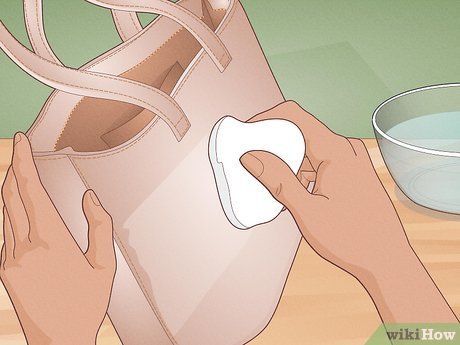
Dip a soft microfiber cloth into the solution, wring out completely until barely damp. Wipe the leather in small circular motions, working one section at a time. The moisture lifts dirt and oils to the surface. Don’t scrub — leather is a skin and aggressive rubbing damages the grain. For creases and seams, fold the cloth to a thinner edge or use a cotton swab for precision.
Don’t let water sit on leather. Follow each section with a dry cloth to absorb moisture right away.
Step 4 — Dry Thoroughly
After cleaning, wipe the entire surface dry with a clean cloth. Let the leather air dry fully in a well-ventilated room — away from direct sunlight and heat sources. Leather drying in direct sun can stiffen, fade, and crack. Room temperature air drying takes 20–30 minutes. Don’t use the item until completely dry.
Step 5 — Condition the Leather
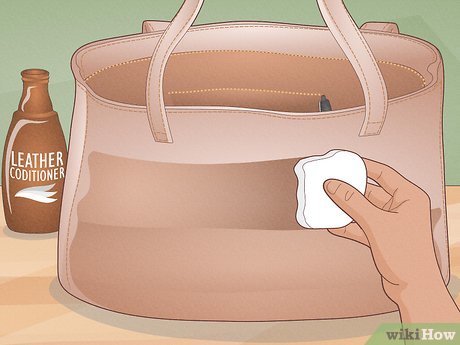
Cleaning removes some of the natural oils from leather, making conditioning essential after every cleaning session. Apply a small amount of coconut oil to a clean cloth and rub it into the leather in circular motions. Use very small amounts — a little goes a long way. Buff off excess oil after 5 minutes with a dry cloth.
Alternatives: pure olive oil works similarly but can temporarily darken the leather slightly (it lightens as it absorbs). Beeswax leather conditioner is excellent for conditioning and adds a light protective barrier. Avoid petroleum jelly (Vaseline) as a long-term conditioner — it’s occlusive and prevents the leather from breathing over time.
How to Clean Light Colored Leather (White, Cream, Tan)
Step 1 — Use the Natural Cleaning Method First
Begin with the vinegar-water solution described above. Light leather responds the same way to natural cleaning as dark leather. The vinegar solution is safe and effective for routine grime, body oil buildup, and light stains. Use white cloths only to avoid dye transfer to the light leather surface.
Step 2 — Remove Scuff Marks With White Toothpaste
Light leather shows scuff marks very clearly. Apply a small amount of non-gel white toothpaste to the scuff using a soft toothbrush or cotton swab. Rub gently in small circular motions, then wipe clean with a damp cloth. Follow with conditioning. Toothpaste contains mild abrasives that lift the black or gray rubber scuff marks off the leather surface without damaging the grain.

Step 3 — Treat Ink Stains With Isopropyl Alcohol
Ink is one of the most common and frustrating stains on light leather. Dampen a cotton swab with 70% isopropyl alcohol and dab (not rub) directly on the ink stain. Work from the outside of the stain toward the center. The alcohol dissolves the ink carrier without damaging most finished leathers. Wipe away with a clean damp cloth, then condition immediately — alcohol is drying to leather.
Don’t use nail polish remover or acetone — these strip the leather’s finish and can cause irreversible damage.
Step 4 — Brighten Yellowed Light Leather With Cream of Tartar Paste
White and cream leather can develop a yellow tint over time from UV exposure, body oils, and cleaning product buildup. Make a paste of equal parts cream of tartar (the kitchen baking ingredient) and lemon juice. Apply to the yellowed area, let sit for 10 minutes, then wipe off with a damp cloth. This mild acid combo gently lifts oxidation and surface yellowing. Follow with conditioning. Test on a hidden spot first — on some leathers the lemon juice can lighten unevenly.
Step 5 — Apply a Colorless Conditioner to Maintain Brightness
Use a clear, colorless leather conditioner — never a tinted or “natural” conditioner like coconut oil on very white leather, as these can add a warm yellow tint over time. Products like Leather Honey, Chamberlain’s Leather Milk (colorless), or Cadillac Leather Conditioner are good options. Apply a thin coat after every cleaning and every 3 months for general maintenance.
Stain Quick Reference for Light Leather
| Stain | Method | Avoid |
|---|---|---|
| Scuff marks | White non-gel toothpaste, soft brush | Magic eraser |
| Ink | 70% isopropyl alcohol on cotton swab | Acetone, nail polish remover |
| Food grease | Sprinkle cornstarch, let sit 4 hours, brush off; mild soap for residue | Dish soap straight |
| Water stains | Dampen entire panel evenly, let air dry; condition after | Spot-wetting only |
| Dye transfer (from jeans) | Leather-specific dye remover; or saddle soap; test first | Bleach |
| General yellowing | Cream of tartar + lemon paste; colorless conditioner maintenance | Colored conditioners |
Pro Tips and Common Mistakes
- Condition after every cleaning. Every time you clean leather — even with a mild solution — you’re removing some natural oils. Condition immediately after to restore what was removed.
- Clean light leather more frequently. Dirt is more visible on light leather but also causes more visible damage if left to build up. A quick wipe-down every 2 weeks prevents deep staining.
- Don’t use baby wipes on leather. They contain alcohol and synthetic fragrances that dry out leather and can cause surface cracking over time.
- Store light leather away from sunlight. UV is the primary cause of yellowing in white and cream leather. Keep light leather furniture away from south-facing windows, and keep bags and accessories stored in dust bags or away from direct light.
- Coconut oil can slightly darken leather. On very light cream or white leather, test coconut oil first — it sometimes adds a warm tone. Use a colorless conditioner instead for these colors.
Frequently Asked Questions
Is white vinegar safe for all leather types?
Diluted white vinegar (50/50 with water) is safe for most finished (protected) leathers, including furniture, bags, and car leather. It’s not recommended for suede, nubuck, or unfinished leather — these porous types absorb liquid and the acid can damage the fibers. When in doubt, test on a hidden area first. The vinegar smell dissipates quickly as it dries.
Can I use coconut oil on white leather?
Coconut oil can be used on white leather, but test it first — it may add a slight yellow or warm tint on very bright white leather. If you want to keep white leather pure white, use a colorless commercial leather conditioner instead. On cream or natural-toned leather, coconut oil works well and looks great.
How do I prevent white leather from turning yellow?
Keep white leather out of direct sunlight — UV is the primary cause of yellowing. Use a UV-filtering spray or keep blinds drawn in rooms with white leather furniture. Clean regularly to prevent oil and dirt buildup that contributes to yellowing. Condition with a colorless conditioner every 3 months. If yellowing has already occurred, the cream of tartar and lemon method can help reverse mild cases.
What is the best natural conditioner for leather?
Coconut oil and pure beeswax conditioner are the best natural options. Coconut oil is highly effective, widely available, and absorbs well without leaving a sticky residue. Beeswax adds an additional protective layer that repels water and light stains. Olive oil works but can temporarily darken leather. Avoid petroleum-based products, silicone, and commercial polishes with waxes and silicones for natural leather care.
How do I clean leather furniture that’s been neglected for years?
Start with a gentle cleaning using the vinegar solution to lift surface grime. If the leather is heavily soiled, follow with a dedicated leather cleaner (like Lexol Cleaner). Condition thoroughly with a good leather conditioner — neglected leather absorbs a lot of conditioner before it becomes supple again. Apply 2–3 conditioning coats over a week. If the leather is severely cracked or peeling, a leather repair kit can fill cracks before conditioning.
Conclusion
Cleaning leather naturally is straightforward: diluted vinegar or castile soap cleans gently, and coconut oil or beeswax restores moisture and suppleness. For light colored leather, the same principles apply with extra attention to preventing yellowing and using colorless conditioners. Clean regularly, condition every time you clean, and keep leather away from direct sun to keep it looking great for decades. For related cleaning guides, see our article on how to clean grease stains on leather and how to clean leatherette at GuideGrove.
