
To clean a lampshade, start by removing dust with a lint roller or soft brush, then spot-clean stains with a slightly damp cloth and mild soap. The method depends on the material: fabric shades can handle light moisture, paper and rice paper shades cannot get wet at all, and drum shades or pleated shades need gentle dry cleaning only. Dusty, yellowed lampshades dramatically dim your lighting and make a room look dingy — but proper cleaning takes just a few minutes and brings them back to looking new.
What You’ll Need
- Lint roller
- Soft-bristle brush (paintbrush or clean makeup brush)
- Microfiber cloth
- Clean cotton cloths
- Mild dish soap
- Warm water
- Spray bottle
- Dry-cleaning sponge (also called a chemical sponge — for paper and delicate fabric shades)
- Bathtub or large sink (for fabric shades that can be fully washed)
- Fan or hair dryer on cool setting (for drying)
How to Identify Your Lampshade Material
Before cleaning, identify what your lampshade is made of — because the wrong method will ruin it. Here’s a quick guide:
- Fabric (linen, cotton, silk, polyester): Soft to the touch, slightly flexible. Linen and cotton can handle damp cleaning; silk requires extreme care.
- Paper or rice paper: Very lightweight, translucent when lit. Crispy, crinkles when pressed. Cannot get wet.
- Pleated or accordion shades: Often a combination of stiffened fabric and glue. Cannot be submerged.
- Drum or hardback shades: Stiff, often with a metallic or vinyl-coated lining. Can handle light surface cleaning.
- Wicker or rattan: Natural fiber, slightly rough. Requires dry brushing; minimal moisture.
Safety and Precautions
- Always turn off and unplug the lamp before cleaning. Never clean a lampshade while it’s on or hot — heat buildup makes moisture dangerous near the bulb socket.
- Remove the lampshade from the lamp before deep cleaning. Cleaning in place risks getting moisture into the socket or base.
- Test any cleaning solution on the back or underside of the shade first. Some dyes and fabric finishes bleed or spot when wet.
- Never put a fabric lampshade in the washing machine. The agitation and water volume will warp the frame and destroy the shape.
- Do not use bleach. It discolors fabric and destroys glued seams.
Step-by-Step: How to Clean Fabric Lampshades
Step 1 — Remove and Inspect the Shade
Remove the lampshade from the lamp. Take it to a well-lit area and look at the seams, lining, and fabric. If the seams are glued (you’ll see adhesive instead of stitching), do not submerge the shade in water — the glue will dissolve. If it’s fully sewn and has a white or cream liner, it may be able to handle a gentle hand wash. When in doubt, stick to dry or spot-clean methods.
Step 2 — Dry Dust First
Roll a lint roller across the entire outside surface of the shade, pressing gently. Follow with a soft-bristle brush (an artist’s paintbrush or clean, soft makeup brush works well) to dislodge dust from fabric texture, pleats, or trim. Work from top to bottom in smooth strokes. This step removes the bulk of the dust — most lampshades don’t need anything more than this once a month.
Step 3 — Spot Clean Stains
Mix a small amount of mild dish soap with warm water in a bowl. Dip a clean cloth into the solution, wring it out until barely damp. Gently blot (don’t rub) at stains — rubbing will spread the stain and push it deeper into the fabric fibers. Work from the outside of the stain toward the center to avoid spreading it outward. Blot, lift, blot, lift. Follow with a cloth dampened with clean water to remove soap residue, then blot dry.
Step 4 — Full Wash for Sewn Fabric Shades (If Needed)
If the shade is heavily soiled and has fully sewn (not glued) seams, you can do a gentle hand wash. Fill a bathtub or large sink with lukewarm water and a small amount of mild detergent. Submerge the shade and swish gently — don’t scrub. Let it soak for 3–5 minutes, then rinse under lukewarm running water until all soap is gone.
Dry the shade standing upright or on its side (not flat) to allow air circulation. Do not wring. Blot excess water with a clean towel and allow to air dry fully before re-fitting on the lamp. A fan speeds drying; never use a hair dryer on heat — it shrinks and distorts the fabric.
How to Clean Paper and Rice Paper Lampshades
Paper lampshades and rice paper shades cannot get wet — water warps, stains, and destroys them permanently. For these shades, dry methods only:
- Use a dry-cleaning sponge (chemical sponge) — available at hardware stores — to wipe the surface. These sponges lift dirt, soot, and dust from paper without moisture.
- A kneaded eraser (like those used for artwork) can gently lift grime from paper shades without moisture.
- A lint roller works for fine dust.
- For fly specks or small stains, a very lightly dampened cotton swab applied carefully to just the spot may work — but be prepared that even slight moisture can leave a mark on paper shades.
- If the paper shade is extensively stained or yellowed, replacement is often the better option.
How to Clean Drum and Hardback Lampshades
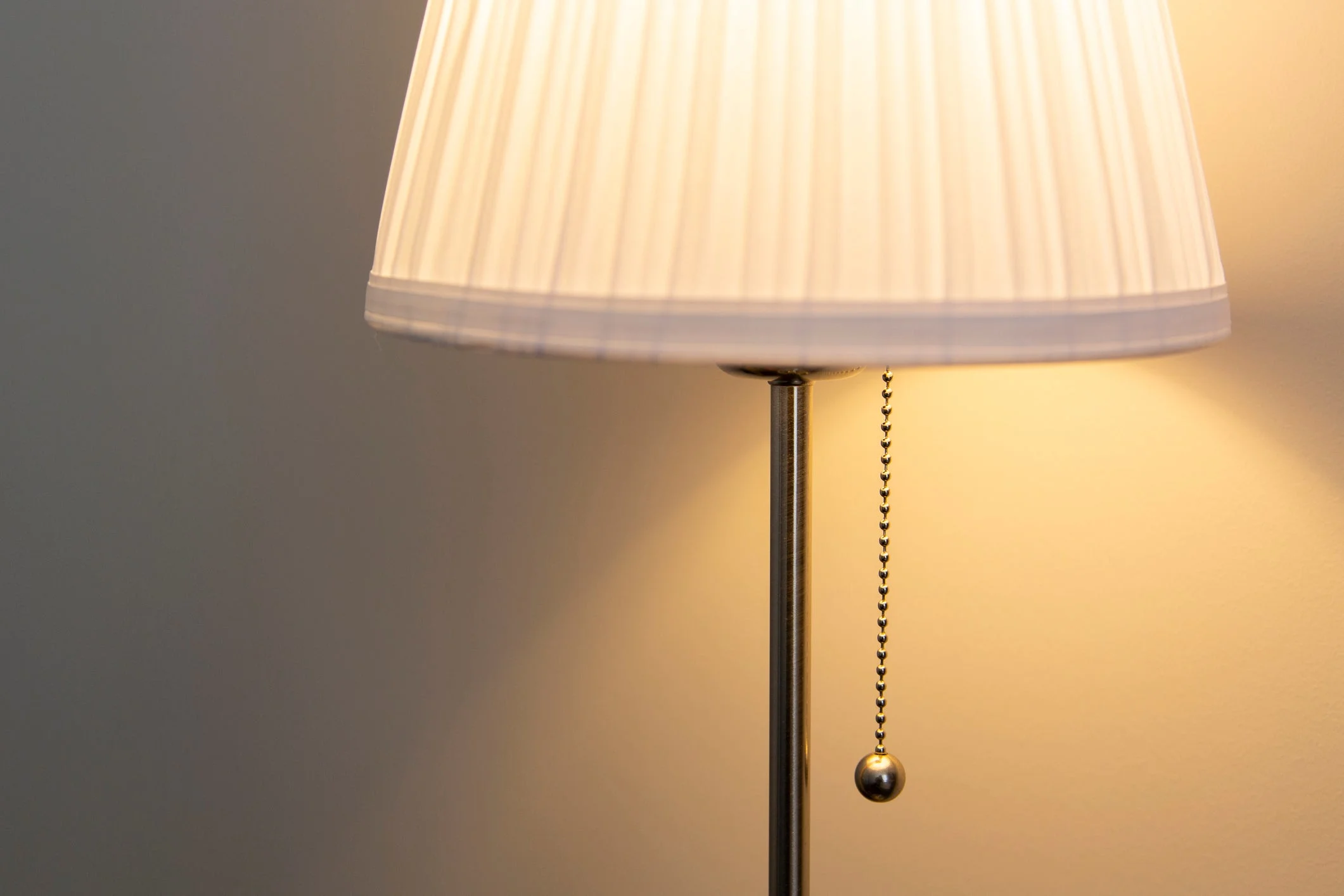
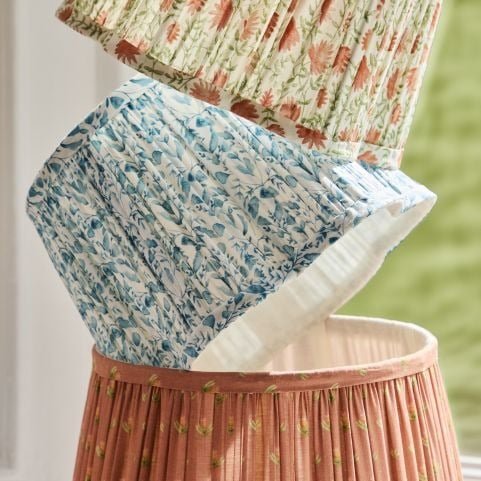
Drum shades (the stiff, straight-sided kind common in modern décor) typically have a vinyl or metallic liner glued to a wire frame. They can handle surface wiping but not soaking:
- Wipe down with a barely damp microfiber cloth to remove dust and surface dirt
- For grease or fingerprint stains, use a cloth with a tiny amount of dish soap solution
- Dry immediately after wiping — the liner is paper-backed and can delaminate if moisture seeps behind it
- For the metallic interior liner, a dry cloth is sufficient — moisture can dull the reflective finish
How to Remove Yellowing From Lampshades
White or cream fabric lampshades yellow over time due to dust, UV exposure, and heat from the bulb. Light yellowing can sometimes be addressed:
- For machine-washable white liners: A soak in a tub of water with a small amount of oxygen bleach (OxiClean, not chlorine bleach) can brighten the fabric without damage.
- For non-washable shades: Use a dry-cleaning sponge which lifts surface oxidation.
- Switch to LED bulbs: Incandescent and halogen bulbs generate significant heat that accelerates yellowing. LED bulbs run much cooler and dramatically slow the yellowing process.
- Avoid keeping lamps in direct sunlight. UV from sunlight bleaches and yellows fabric unevenly.
Pro Tips and Common Mistakes
- Clean lampshades more often than you think. A lampshade collects as much dust as a floor fan — but because dust blends in with the shade color, most people don’t notice until it’s heavily soiled.
- A hair dryer on the cool setting speeds dry cleaning. Hold it 12 inches away and blow loose dust off the surface into a trash can. Great for pleated shades with many folds.
- Check the frame for rust before washing. If the wire frame has rust spots, wetting the shade will cause orange staining from the rust. Spray-paint rusty frames before washing the shade fabric.
- Use compressed air for heavily pleated shades. A quick burst of compressed air (the kind used for electronics) blasts dust from pleat folds without touching the delicate fabric.
Frequently Asked Questions
Can I wash a lampshade in the bathtub?
Yes, if it’s a fabric lampshade with fully sewn seams and no glued components. Fill the bathtub with lukewarm water and a small amount of mild detergent, hand wash gently, and rinse thoroughly. Dry upright in a well-ventilated area. Never put a lampshade in a washing machine — the agitation will destroy the shape and potentially the frame.
How do I clean an empire-style pleated lampshade?
Empire-style pleated shades are typically made with glued panels and a stiffened lining. Do not get them wet. Use a dry-cleaning sponge, lint roller, and soft brush for routine cleaning. For spots, a very barely damp cotton swab applied carefully to just the stain is the safest approach. Test on the back first.
How do I get rid of the musty smell from an old lampshade?
Musty smells are usually from dust and mildew. For fabric shades, a light misting of diluted white vinegar (1 part vinegar to 3 parts water) applied with a spray bottle and allowed to air dry outdoors in indirect sunlight often eliminates musty odors. Don’t soak the shade — mist lightly. Baking soda in a bag placed with the shade overnight also absorbs odors without moisture.
Can I use a magic eraser on a lampshade?
On smooth, hard surfaces like a drum shade exterior, a lightly dampened magic eraser can remove scuff marks. On fabric lampshades, avoid it — the micro-abrasive surface damages fabric fibers and creates visible worn patches. For fabric shades, always use soft cloths only.
How often should I clean my lampshades?
Dry dust lampshades monthly — it takes 2 minutes and prevents major buildup. Spot clean as needed when stains appear. A full deep clean (for washable fabric shades) every 6–12 months is sufficient for most households. If you have pets, live near a fireplace, or cook frequently, clean more often — grease and pet dander accumulate faster in these environments.
Conclusion
Cleaning lampshades comes down to knowing your material: fabric shades can handle gentle damp cleaning, paper shades need dry methods only, and drum shades need a light surface wipe. Regular dry dusting monthly keeps them looking fresh and prevents the buildup that dims your lighting. For related home cleaning guides, check out our articles on how to clean fans and how to clean mirrors without streaks at GuideGrove.
