
Streak-free glass cleaning is achievable with the right technique — and it’s simpler than most people realize. The biggest culprits for streaky windows and mirrors are dirty cloths, too much cleaner, and cleaning in direct sunlight. For clear glass, a commercial glass cleaner or diluted white vinegar with a microfiber cloth handles most cleaning tasks. Frosted glass has an etched or sandblasted texture that traps grime differently than smooth glass, requiring slightly different techniques to avoid smearing rather than cleaning. This guide covers both.
What You’ll Need
- Glass cleaner (Windex or equivalent) OR white vinegar diluted with water
- Distilled water (for streak-free results)
- Microfiber cloth (2–3 clean ones)
- Squeegee (for large windows)
- Bucket
- Soft-bristle brush (for frosted glass texture)
- Newspaper (old-school method, optional)
- Rubber gloves
- Ladder (for high windows)
Safety and Precautions
- Never clean glass in direct sunlight. The sun dries the cleaner too quickly before you can wipe it, leaving more streaks. Clean windows when the glass is in shade or on an overcast day.
- Use a stable ladder for high windows. Don’t lean out from unstable positions — clean large exterior windows from the ground with an extension pole or from inside where possible.
- Don’t use abrasive scrubbers on glass. Steel wool, rough scouring pads, and abrasive cleaners scratch glass surfaces — only use microfiber cloths, squeegees, and soft tools.
- Avoid ammonia-based cleaners on tinted windows. Ammonia degrades window tinting film and causes it to bubble, peel, or discolor over time. Use ammonia-free glass cleaners for tinted car and home windows.
- Distilled water prevents new spots. If hard water is causing spotting after cleaning, switch to distilled water for your cleaning solution — it has no minerals to leave deposits.
Step-by-Step: How to Clean Clear Glass Streak-Free
Remove Loose Dust and Debris First
Before applying any liquid cleaner, use a dry microfiber cloth or soft brush to wipe off loose dust from the glass surface. For window glass, a dry wipe prevents dust from turning into muddy streaks when the cleaner is applied. On exterior windows, brush off cobwebs and debris from the frame and sill first.
Prepare Your Cleaning Solution
For a DIY solution, mix 1 part white vinegar with 1 part distilled water in a spray bottle. Add a drop of dish soap for greasy windows. Alternatively, use a commercial glass cleaner like Windex. Both work equally well — the technique matters more than the specific product used.
Apply Cleaner and Wipe in an S-Pattern
Spray the glass moderately — don’t saturate. Apply to the glass or to the cloth, not both. Use a clean microfiber cloth and wipe in an overlapping S-pattern (top to bottom, left to right) to avoid leaving uncleaned tracks. An S-pattern covers the surface evenly without going back over previously cleaned areas.
Dry with a Second Clean Microfiber Cloth
Immediately follow with a dry, clean microfiber cloth using the same S-pattern to buff away any remaining streaks. This two-cloth method — one damp, one dry — is the most reliable way to achieve a streak-free result. Using the same cloth for both steps is the primary cause of streaking.
Use a Squeegee for Large Windows
For large windows and glass door panels, a professional-quality squeegee is faster and more effective than cloths. Wet the glass with the cleaning solution, then pull the squeegee from top to bottom in overlapping vertical stripes. Wipe the squeegee blade clean with a cloth between passes. Dry any drips at the edges with a cloth.
How to Clean Frosted Glass
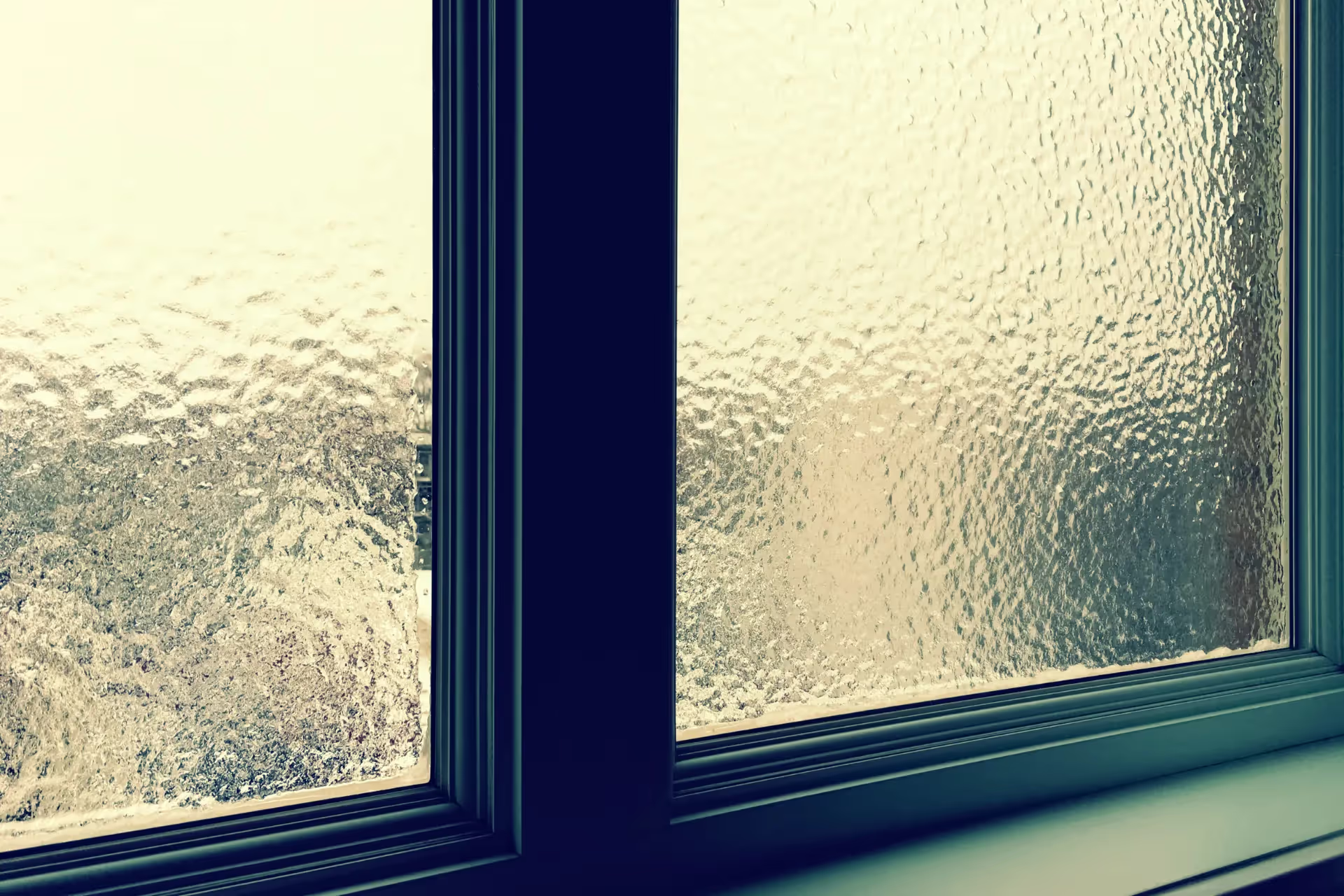
Frosted glass (etched, sandblasted, or acid-frosted glass) has a textured surface that traps soap scum, grease, and fingerprints more aggressively than smooth glass. The cleaning approach needs to address the texture:
Apply Cleaning Solution to the Glass
Spray a glass cleaner or diluted dish soap solution generously onto the frosted surface. The textured surface needs more cleaning product than smooth glass to penetrate the etched pattern.
Scrub with a Soft-Bristle Brush
Use a soft-bristle brush (an old toothbrush for small panels, a long-handled soft brush for shower doors) to work the cleaner into the frosted texture. Scrub in circular motions to lift trapped dirt from the etching. This scrubbing step is critical for frosted glass and doesn’t apply to smooth glass.
Rinse Thoroughly
Rinse completely with clean water. Soap or cleaner left in the etched texture will dry to a hazy residue — thorough rinsing is essential. For shower panels, use the showerhead for rinsing. For door glass, wipe with a cloth dampened in clean water several times.
Dry and Buff
Dry with a clean microfiber cloth using firm pressure to absorb moisture from the frosted texture. For shower panels, follow with a squeegee on the smooth sides and a dry cloth on the frosted areas. Buff until no moisture remains in the surface texture — this prevents water spots.
How to Remove Specific Stains from Glass
Hard Water Spots
Hard water spots on glass are mineral deposits from evaporated hard water. Apply undiluted white vinegar to the spots with a cloth and let sit for 5–10 minutes. The acidity dissolves calcium deposits. Wipe and rinse thoroughly. For severe spots, CLR diluted per product directions can be used — apply briefly and rinse immediately. Never use CLR on tinted windows.
Soap Scum on Shower Glass
Shower glass soap scum responds to a paste of baking soda and a small amount of dish soap. Apply to a non-scratch sponge and scrub the glass. Let it sit for a few minutes before scrubbing for heavy buildup. Rinse thoroughly and squeegee. A commercial soap scum remover (like Scrubbing Bubbles) also works well on shower glass — spray on, let dwell, and wipe clean.
Paint Splatter
Fresh paint wipes off glass easily with a damp cloth. Dried paint can be carefully removed with a razor blade scraper held at a very low angle (nearly flat) against the glass surface. Work slowly and keep the blade wet with soapy water to lubricate it. Never use a dry razor — it can scratch the glass.
Grease and Fingerprints
Commercial glass cleaner with a microfiber cloth handles fingerprints and light grease. For heavy grease (kitchen window glass near cooking areas), dampen the cloth with a small amount of isopropyl alcohol and wipe before using glass cleaner. Alcohol cuts through cooking grease faster than standard glass cleaner.
How to Clean Exterior Windows
For exterior windows that are heavily soiled from outdoor exposure:
- Mix a bucket of warm water with a few drops of dish soap.
- Wash with a soft sponge or window washing wand to remove heavy dirt.
- Rinse with a garden hose or clean water bucket.
- Squeegee from top to bottom with overlapping stripes.
- Wipe the frame and sill dry with a cloth.
- On second-story windows, use an extension pole squeegee from the ground or inside the house with the window open.
Pro Tips for Streak-Free Glass
- Clean in the shade. This is the most impactful single change most people can make. Direct sunlight dries cleaner before you can wipe it, creating guaranteed streaking.
- Use distilled water for hard water areas. Hard water leaves mineral deposits that create spots even when wiped immediately. Distilled water eliminates this problem.
- Keep multiple microfiber cloths on hand. A dirty or damp cloth just redistributes grime. Use a fresh, clean dry cloth for the final buff.
- Use less cleaner than you think you need. More cleaner means more residue to wipe off, increasing the chance of streaking. A light mist is all that’s needed.
- Squeegee shower glass after every use. A 15-second squeegee after showering prevents virtually all soap scum and mineral buildup on shower glass panels.
Common Mistakes When Cleaning Glass
- Cleaning in direct sunlight. The most common cause of streaky windows — the cleaner dries before you can wipe.
- Using paper towels. Paper towels leave lint fibers on glass and push dirt around rather than lifting it. Use microfiber only.
- One cloth for everything. Using the same cloth to apply and wipe up the cleaner guarantees streaking. Use separate wet and dry cloths.
- Too much cleaner. Excess spray means more residue to remove. Light application is better.
- Skipping the dry brush on frosted glass. Applying liquid directly to dirty frosted glass smears the dirt into the texture. Brush first, then clean.
Frequently Asked Questions
What’s the best homemade glass cleaner?
Equal parts white vinegar and distilled water in a spray bottle is the most effective DIY glass cleaner. Add a drop of dish soap for greasy glass. This solution is equally effective as commercial products for most glass cleaning tasks, costs almost nothing, and leaves no harsh chemical residue.
How do I clean frosted glass in a shower without streaks?
Apply cleaner generously and scrub with a soft-bristle brush to work it into the frosted texture. Rinse thoroughly with water — more thoroughly than you think necessary. Dry with a microfiber cloth using firm pressure, then follow with a final dry-cloth buff. The scrubbing and thorough rinsing steps are the most critical for streak-free frosted glass results.
Can I use newspaper to clean windows?
Yes — the old newspaper method works because newspaper ink and fiber are absorbent and slightly abrasive in a controlled way that’s effective on glass. Modern newspapers with soy ink work slightly less effectively than older ink formulations, but still produce good results. Use dry newspaper on glass that’s been sprayed with cleaner, buffing in circular motions. This method is entirely safe for all glass types.
How do I remove haze from inside double-pane windows?
Haze or condensation between double-pane window glass panes means the hermetic seal between the panes has failed — the gas between panes has been replaced by humid outside air that condenses. This cannot be cleaned from the outside. The window unit needs to be replaced. Some companies offer a drilled-hole defogging service as a temporary fix, but replacement is the permanent solution.
What removes water stains from glass quickly?
Undiluted white vinegar is the fastest DIY option. Apply directly to the stain, let sit 5–10 minutes, and wipe. For faster results, use a commercial water stain remover like CLR or a pumice-based glass polish. Bar Keepers Friend mixed with water into a paste also removes hard water stains from glass effectively — apply, scrub gently, and rinse thoroughly.
Conclusion
Streak-free glass cleaning comes down to three fundamentals: clean in the shade, use clean microfiber cloths, and don’t over-apply cleaner. For frosted glass, add scrubbing with a soft-bristle brush and thorough rinsing to the routine. Regular maintenance — including a squeegee wipe after showers — prevents the buildup that makes glass cleaning laborious. With the right technique, every glass surface in your home can be cleaned quickly and left sparkling.
For related cleaning guides, see our article on how to clean mirrors without streaks and our guide on how to clean crystal glasses and vases. For shower glass specifically, our guide on removing limescale from showerheads and taps covers the plumbing fixtures alongside the glass.
