
Crystal — whether lead crystal or lead-free — requires gentler handling than regular glass. The material is softer, prone to cloudiness from mineral deposits and detergent residue, and can shatter from temperature extremes. For most crystal pieces, hand washing with mild dish soap and lukewarm water clears everyday grime. Cloudy crystal needs a vinegar or lemon juice treatment to dissolve mineral buildup. Here’s how to clean every type of crystal piece in your home.
What You’ll Need
- Mild dish soap (fragrance-free preferred)
- Lukewarm water
- White vinegar or lemon juice
- Microfiber cloth or lint-free cloth
- Soft bottle brush or pipe cleaner (for vases)
- Rubber gloves
- Cotton gloves (for handling decorative crystal)
- Plastic basin or padded sink mat
- Uncooked rice (for hard-to-reach residue inside vases)
Safety and Precautions
- Never put crystal in the dishwasher. The heat, harsh detergents, and water pressure etch and permanently cloud crystal surfaces. Always hand wash.
- Use lukewarm water only. Hot or cold water extremes cause thermal shock — crystal is thinner and more vulnerable than regular glass.
- Work over a padded surface. Place a rubber mat or folded towel in the sink bottom. Crystal dropped on bare porcelain or steel will shatter.
- Handle crystal glasses by the bowl, not the stem. The stem is the weakest point and most breakage happens from holding the glass wrong while washing.
- Wear rubber gloves for washing to improve grip on slippery wet crystal and reduce the chance of drops.
Step-by-Step: Cleaning Crystal Glasses
Fill a Basin with Lukewarm Soapy Water
Use a plastic basin or padded sink rather than a bare metal sink. Fill with lukewarm — not hot — water and add a few drops of mild, fragrance-free dish soap. Avoid dishwasher detergents or strong degreasers that can etch crystal.
Wash One Glass at a Time
Submerge one crystal glass at a time and clean it gently with a soft cloth or microfiber cloth. Wash the bowl, stem, and base separately with careful, deliberate strokes. Hold the glass by the bowl while cleaning the stem — never twist the stem while holding the bowl, as this is the most common cause of crystal breakage.
Rinse Thoroughly
Rinse each glass individually under a gentle stream of lukewarm water to remove all soap. Soap residue is a primary cause of the filmy cloudiness that makes crystal look dull. Tilt the glass and rotate to ensure water reaches all interior surfaces.
Dry Immediately by Hand
Do not allow crystal to air dry — water spots form almost instantly on crystal surfaces. Dry each piece immediately with a clean, lint-free cloth. Hold the glass by the bowl and dry the exterior first, then carefully reach inside with the cloth to dry the interior. Use a separate dry cloth to finish polishing.
Polish to a Streak-Free Shine
For a final polish, breathe gently on the surface (the moisture from your breath works as a light cleaner) and buff with a clean, dry microfiber cloth in circular motions. This removes any remaining fingerprints or mild cloudiness and leaves the crystal sparkling.
How to Remove Cloudiness from Crystal
Method 1: White Vinegar Soak
Cloudy crystal is almost always caused by mineral deposits from hard water or buildup of detergent residue. Fill the crystal glass or piece with undiluted white vinegar and let it soak for 5–10 minutes. Then gently rub the interior and exterior with a soft cloth. Rinse with lukewarm water and dry immediately. For severe cloudiness, repeat the soak and extend to 20–30 minutes.
Method 2: Lemon Juice Treatment
Fresh lemon juice is a gentler acid alternative to vinegar. Rub a cut lemon over the cloudy surface, then let the juice sit for 5 minutes before rinsing. This works particularly well for light mineral deposits and also leaves a fresher scent than vinegar. Rinse and dry immediately after treatment.
Method 3: Baking Soda Paste for Stubborn Film
For a stubborn mineral film that vinegar alone doesn’t clear, make a paste with baking soda and a small amount of white vinegar. Apply gently with a soft cloth using minimal pressure — baking soda is mildly abrasive and should be used carefully on crystal. Rinse thoroughly and dry immediately.
How to Clean Crystal Vases
Crystal vases present a challenge because you can’t easily reach inside with a cloth. Here are the most effective methods:
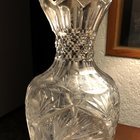
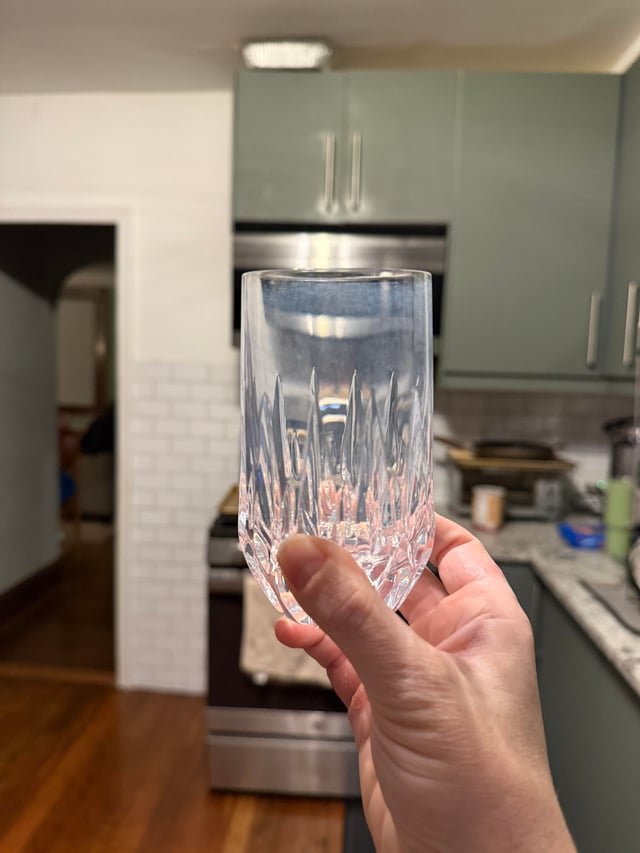
- Bottle brush method: Use a soft bottle brush with warm soapy water to scrub the interior of the vase. Rinse thoroughly and dry upside down on a clean towel.
- Rice and vinegar method: Pour a small amount of uncooked rice into the vase along with white vinegar. Cover the opening with your hand and shake vigorously. The rice acts as a gentle abrasive that scrubs the interior walls. Rinse thoroughly.
- Denture tablet soak: Drop 1–2 denture cleaning tablets into the vase with water and let them fizz for 15–30 minutes. This loosens flower residue, mineral deposits, and algae from the interior. Rinse well afterward.
- Pipe cleaner scrub: For narrow-necked vases, a flexible pipe cleaner with a soft tip can reach into tight spaces. Wrap it with a small piece of cloth and use with soapy water.
Removing Flower Stains from Crystal Vases
The greenish or brownish staining left by flowers and organic matter in vases requires an acidic treatment. Fill the vase with a mixture of equal parts white vinegar and warm water. Let it sit overnight. In the morning, swirl vigorously, add a tablespoon of uncooked rice, and shake. Rinse thoroughly and repeat if needed for heavy staining.
How to Clean Decorative Crystal Pieces
Crystal figurines, paperweights, and decorative pieces can be wiped down rather than submerged. Wear clean cotton gloves when handling — fingerprints show badly on decorative crystal and the oils from skin accelerate cloudiness. Use a clean microfiber cloth barely dampened with lukewarm water and a drop of dish soap to wipe the piece. Rinse the cloth, wipe again with clean water, then dry immediately with a dry cloth. For crystal chandeliers or large pieces that can’t be moved, use a spray bottle with diluted vinegar or a commercial crystal cleaner and wipe dry immediately.
Pro Tips for Crystal Care
- Store crystal glasses rim-down only if the shelf is padded. Storing rim-down on hard glass shelves can chip the delicate rim. Store upright or on soft shelf liners.
- Never stack crystal glasses. The weight causes chips and breakage at the rim. Use crystal storage boxes with dividers or hang them on a rack.
- Wash crystal after every use. Wine, champagne, and juice leave residue that etches crystal if allowed to dry and sit — especially acidic wines.
- Use a linen or microfiber cloth only. Paper towels are too rough for crystal and can leave scratches over time.
- For hard water areas, add a tablespoon of vinegar to your rinse water. This prevents mineral deposits from forming in the first place.
Common Mistakes When Cleaning Crystal
- Using the dishwasher. Even “crystal safe” dishwashers cause etching over time from heat and detergent. Hand washing is the only safe method for valuable crystal.
- Using hot water. Thermal shock from hot water can crack crystal — always use lukewarm.
- Air drying. Hard water leaves permanent spots on crystal that dries in open air. Always dry by hand immediately.
- Using abrasive cleaners. Scouring powder, rough sponges, or even paper towels will scratch crystal’s relatively soft surface.
- Holding glasses by the stem while washing. The torque from washing while holding the stem is the primary cause of broken crystal glasses.
Frequently Asked Questions
Can crystal go in the dishwasher?
No. Dishwashers permanently damage crystal through heat, harsh detergents, and water pressure. Even one cycle can etch the surface and cause irreversible cloudiness. Always hand wash crystal with mild soap and lukewarm water.
Why does my crystal look cloudy?
Cloudiness is almost always caused by hard water mineral deposits or detergent residue buildup. Try soaking in undiluted white vinegar for 10–20 minutes, then rinse and dry immediately. If the cloudiness doesn’t improve after multiple vinegar treatments, it may be permanent etching from previous dishwasher use.
How do I know if my cloudiness is mineral deposits or etching?
Mineral deposits will respond to vinegar treatment — the cloudiness will dissolve. Etching is physically embedded into the crystal surface and won’t improve with any cleaning method. Etching appears as a frosted, uniformly dull appearance rather than the spotty look of mineral deposits.
What’s the best way to dry crystal glasses without water spots?
Dry crystal immediately after washing using a clean, lint-free microfiber or linen cloth. For a streak-free finish, breathe lightly on the glass to add a tiny amount of moisture and buff with a dry microfiber cloth in circular motions. This removes any remaining film and restores the natural sparkle.
How do I clean a crystal chandelier without taking it down?
Use a commercial crystal chandelier cleaner spray — these are designed to drip through the crystal and evaporate without leaving residue. Alternatively, mix 1 part isopropyl alcohol with 3 parts distilled water in a spray bottle. Turn off the chandelier, spray each crystal gently, and let it drip-dry onto a towel placed below. For individual pieces that need scrubbing, remove them, hand wash, and reattach.
Conclusion
Crystal requires more care than everyday glassware, but the routine is simple once you establish good habits: lukewarm water, mild soap, hand wash only, and immediate drying. Cloudiness from mineral deposits responds reliably to a vinegar soak. The most important rules are no dishwasher, no hot water, and never air dry. Follow these guidelines and your crystal pieces will maintain their clarity and sparkle for generations.
For other delicate cleaning tasks around the home, see our guides on how to clean drinking glasses and cloudy glasses and how to clean mirrors without streaks. If you have glass surfaces throughout your home, our article on how to clean glass and frosted glass covers all the bases.
