
Corningware’s glass-ceramic construction makes it incredibly durable — but baked-on food, brown discoloration, and mineral staining are still common problems. The good news is that Corningware responds well to several easy cleaning methods, from baking soda paste and Bar Keepers Friend to a simple hot water soak. This guide walks through everyday cleaning, deep stain removal, and how to restore discolored vintage Corningware to near-original condition.
What You’ll Need
- Mild dish soap
- Warm to hot water
- Baking soda
- White vinegar
- Bar Keepers Friend (powder or liquid)
- Hydrogen peroxide (optional, for stubborn stains)
- Soft sponge or non-scratch scrubbing pad
- Plastic scraper or silicone spatula
- Microfiber cloth
- Rubber gloves
Safety and Precautions
- No steel wool or metal scrubbers. These will permanently scratch the glass-ceramic surface and make it harder to clean in the future.
- Avoid sudden temperature changes. Don’t place very hot Corningware in cold water — the thermal shock can cause cracking. Let it cool first.
- Check for chips and cracks before cleaning. Damaged Corningware should not be used for cooking or soaked in water — chips can expand with temperature changes.
- Read product labels when using Bar Keepers Friend. It’s effective but contains oxalic acid — wear gloves and rinse thoroughly.
- Corningware is dishwasher safe, but hand washing preserves the finish longer and is better for removing baked-on residue.
Step-by-Step: Everyday Cleaning
Let It Cool Before Cleaning
Never plunge hot Corningware into cold water. The glass-ceramic can handle thermal extremes in the oven, but rapid temperature change from hot dish to cold water risks cracking. Let it cool on a trivet for at least 10–15 minutes before washing.
Soak in Hot Soapy Water
Fill the dish with hot water and a generous squirt of dish soap. Let it soak for 15–30 minutes. This loosens most food residue and makes scrubbing much easier. For really baked-on food, extend the soak to an hour.
Scrape Off Loose Food
Use a plastic scraper or silicone spatula to lift off any large chunks of softened food. Don’t use metal utensils for scraping — they will leave permanent scratches on the white glass-ceramic surface.
Scrub with a Soft Sponge
After soaking, use a soft sponge or non-scratch scrubbing pad to clean the surface with dish soap and warm water. Work in circular motions. Most everyday food residue should come off at this stage with minimal effort.
Rinse and Dry
Rinse thoroughly with clean water to remove all soap residue. Dry with a clean cloth or allow to air dry. Leaving water to air dry sometimes causes water spots — drying by hand keeps the surface looking clean and streak-free.
How to Remove Burnt Food and Tough Stains from Corningware
Method 1: Baking Soda Paste
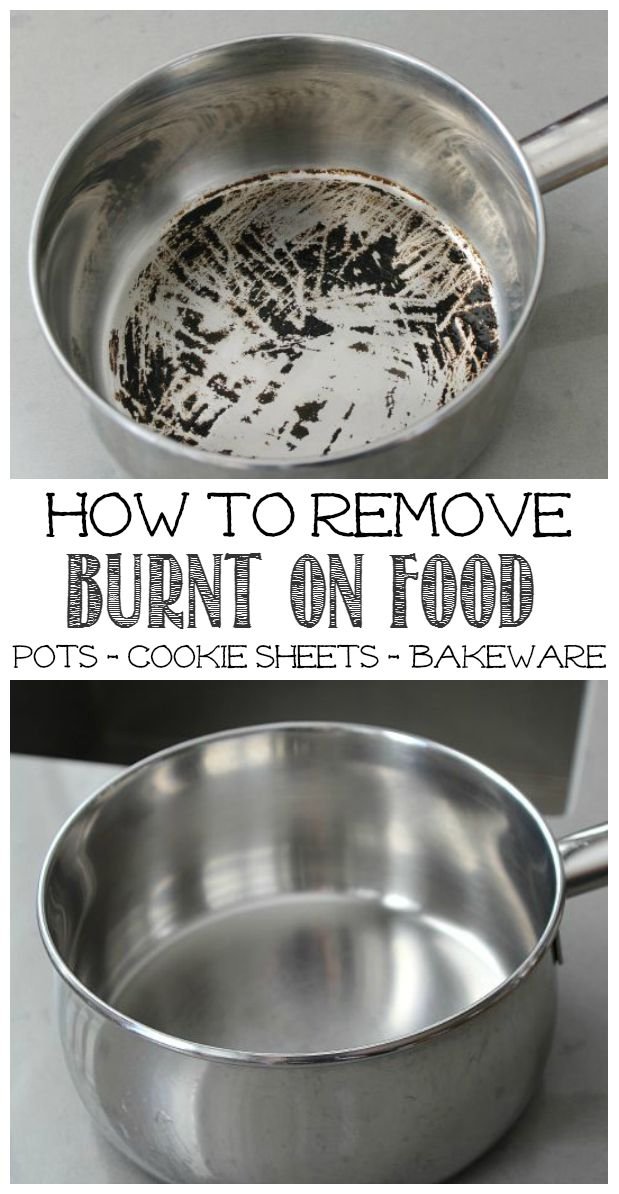
Sprinkle a generous layer of baking soda over the stained area and add just enough water to form a thick paste. Let it sit for 20–30 minutes — or overnight for heavy burnt-on residue. Then scrub with a soft sponge in circular motions. The mild abrasive action of baking soda removes discoloration without scratching the surface. Rinse clean and repeat if needed.
Method 2: Baking Soda and Vinegar Soak
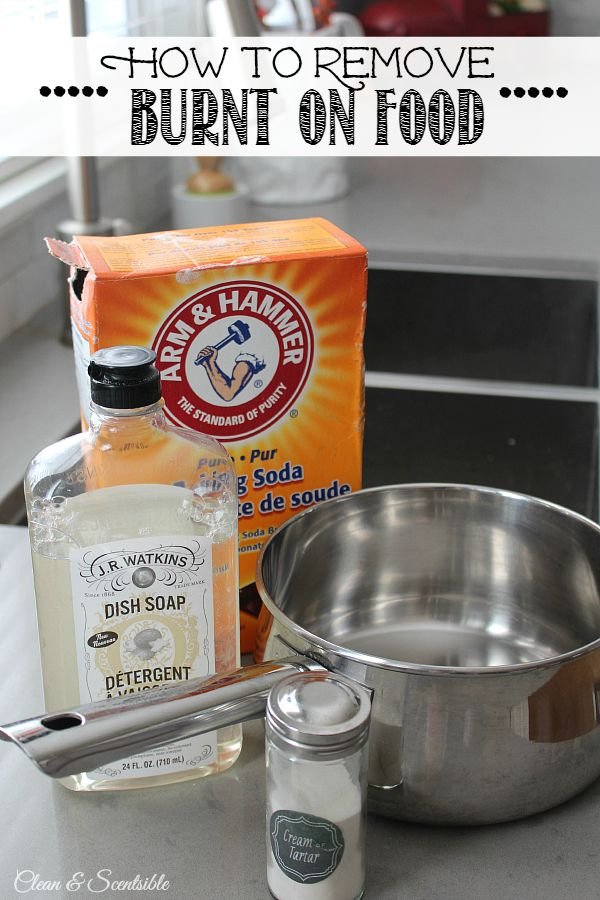
Sprinkle baking soda into the dish, then slowly pour white vinegar over it. The fizzing reaction helps lift baked-on food from the surface. Let the mixture bubble for 5–10 minutes, then add hot water to fill the dish and let it soak for another 30 minutes. Scrub and rinse clean.
Method 3: Bar Keepers Friend
For brown discoloration, mineral staining, or rust marks that won’t budge, Bar Keepers Friend is the most effective solution. Wet the surface, sprinkle on a small amount of the powder, and use a damp cloth or sponge to work it in using circular motions. Let it sit no longer than a minute, then rinse very thoroughly. Bar Keepers Friend’s oxalic acid cuts through metal-based staining and discoloration that baking soda can’t touch.
Method 4: Hydrogen Peroxide Soak
For deeply stained or yellowed vintage Corningware, pour hydrogen peroxide (3% standard pharmacy variety) into the dish and let it sit for several hours or overnight. The oxidizing action breaks down discoloration. Rinse thoroughly and follow with a normal dish soap wash. This is especially effective for the brownish yellowing that develops on older pieces from years of use.
Method 5: Dishwasher Method
Corningware is dishwasher safe. For light to moderate staining, a standard dishwasher cycle will handle most residue. Use a quality dishwasher detergent with a rinse agent. Place pieces in the lower rack for best results. For tough baked-on stains, pre-soak before loading — the dishwasher alone may not remove heavy carbon deposits.
How to Clean Discolored or Stained Corningware Lids
Corningware lids — whether glass or plastic — require the same gentle approach. For glass lids, use the baking soda paste or Bar Keepers Friend method. For plastic lids, avoid Bar Keepers Friend (it can etch plastic) and stick to baking soda, dish soap, or a hydrogen peroxide soak. Never put plastic Corningware lids in the dishwasher on high heat — they can warp.
Pro Tips for Keeping Corningware Clean
- Spray with cooking spray before use. A light coat of non-stick cooking spray on the interior before baking reduces the amount of residue that bonds to the surface and makes cleanup far easier.
- Soak immediately after use. Don’t let cooked-on food harden before cleaning. Fill the dish with hot water as soon as you transfer the food — the residue stays soft and wipes away easily.
- Don’t use colored dish sponges or scrubbers that bleed dye. Some colored scrubbing pads leave blue or green marks on white Corningware — these are surprisingly stubborn to remove.
- Store carefully to prevent chipping. Chip a piece of Corningware and it’s done — stacking without padding accelerates edge chips. Use paper towels or silicone pads between stacked pieces.
- Restore old pieces with patience. Multiple passes with baking soda and hydrogen peroxide over several days can dramatically restore heavily discolored vintage Corningware without resorting to harsh chemicals.
Common Mistakes When Cleaning Corningware
- Using steel wool or metal scrubbers. These leave fine scratches that make the surface look permanently dirty and harbor bacteria.
- Plunging hot Corningware into cold water. Thermal shock is a genuine risk — always let pieces cool before washing.
- Leaving Bar Keepers Friend on too long. More than 1–2 minutes risks surface etching. Apply, scrub, and rinse quickly.
- Ignoring the exterior. Brown buildup on the outside of Corningware is just as common as interior staining. Apply the same cleaning methods to the outside bottom and sides.
- Not rinsing thoroughly after cleaner use. Bar Keepers Friend residue left on the surface is not food-safe. Rinse multiple times until completely clean.
Troubleshooting Corningware Issues
| Problem | Cause | Solution |
|---|---|---|
| Brown discoloration | Baked-on oils and food minerals | Bar Keepers Friend or baking soda + vinegar soak |
| Yellowing (vintage pieces) | Years of heat exposure and mineral buildup | Hydrogen peroxide overnight soak + baking soda scrub |
| Burnt-on food won’t come off | Extended cooking at high heat | Overnight baking soda paste soak + plastic scraper + repeat |
| White haze inside the dish | Hard water mineral deposits | Soak with diluted white vinegar (1:1 water) for 30 minutes |
| Blue/green stain marks | Dye from colored scrubbing pads | Baking soda paste + non-scratch white pad; hydrogen peroxide if stubborn |
Frequently Asked Questions
Can I put Corningware in the dishwasher?
Yes, Corningware glass-ceramic dishes are dishwasher safe. Place them in the lower rack for best results. Plastic lids should go on the top rack only on a gentle cycle — high heat can warp them. For heavily baked-on food, pre-soak before the dishwasher cycle for better results.
Is Bar Keepers Friend safe for Corningware?
Yes, Bar Keepers Friend powder is safe for Corningware’s glass-ceramic surface when used correctly. Apply, scrub briefly, and rinse thoroughly. Don’t leave it sitting for more than 1–2 minutes and rinse completely before using the dish for food again.
Why does my Corningware turn brown?
The brown discoloration is caused by baked-on oils, food residue, and mineral compounds that bond to the surface over multiple cooking cycles. It’s common on any light-colored bakeware and doesn’t affect the dish’s safety or function — it just looks unsightly. Bar Keepers Friend and baking soda both remove it effectively.
Can I use bleach on Corningware?
Bleach is not recommended for Corningware. It can discolor the pattern decorations on vintage pieces and doesn’t clean effectively on baked-on organic residue the way Bar Keepers Friend or baking soda does. Stick to the methods outlined here for better and safer results.
How do I clean vintage Corningware with painted designs?
Be gentle with the patterned exterior on vintage pieces. Avoid abrasive cleaners like Bar Keepers Friend on the painted designs — these can fade the pattern over time. Stick to mild dish soap for the exterior. Use Bar Keepers Friend only on the interior cooking surface where there’s no decoration.
Conclusion
Cleaning Corningware isn’t complicated — it just requires the right approach for the level of mess. Everyday cleanup is handled by dish soap and hot water. Baked-on food needs a longer soak and baking soda paste. Stubborn brown discoloration is where Bar Keepers Friend earns its reputation. Vintage yellowing responds to hydrogen peroxide. With the right method, even badly neglected Corningware can be restored to a clean, serviceable condition.
If you’re also dealing with other kitchen surface stains, check out our guides on how to clean Corian countertops and how to clean enameled cast iron. For cast iron without enamel, our cast iron griddle cleaning guide covers the full process.
