To clean ivory, wipe it gently with a barely damp cloth and mild soap, then dry it immediately and thoroughly. Ivory is a porous, organic material — it stains easily and can crack, warp, or yellow if it gets too wet or is cleaned with harsh chemicals. Whether you’re cleaning antique piano keys, figurines, or carved ivory items, the method is almost the same: gentle moisture, no soaking, and proper drying. This guide covers every ivory type, what products are safe, and how to restore yellowed ivory carefully.
What You’ll Need
- Soft lint-free cloths or microfiber cloths
- Cotton swabs
- Mild dish soap (e.g., Dawn — just a drop)
- Distilled water (preferred over tap water)
- Hydrogen peroxide (3% — for yellowing treatment)
- Lemon juice (natural alternative for light yellowing)
- Soft-bristle toothbrush (for carved ivory crevices)
- Petroleum jelly or mineral oil (for conditioning cracked ivory)
- White chalk (optional — for deep whitening)
Safety and Precautions
- Never soak ivory in water. Even brief submersion causes ivory to swell, crack, and warp. Always use a barely damp cloth — wrung out until almost dry.
- Never use bleach or ammonia on ivory. These chemicals permanently damage the surface, causing irreversible discoloration and breakdown of the organic material.
- Avoid prolonged sunlight exposure. While brief sunlight can help whiten slightly yellowed ivory, extended UV exposure causes cracking and warping. Never leave ivory in direct sun for more than 30 minutes at a time.
- Check legal status of your ivory. Depending on where you live, trading or selling certain ivory items may be restricted under wildlife laws. This guide is for cleaning personal antique items only.
- Handle antique ivory with clean hands. Oils and acids from your skin can stain ivory. Wear clean cotton gloves when handling valuable pieces.
- Test cleaning solutions on a hidden area first. Always test any cleaning agent on a small, inconspicuous spot before applying it to the full piece.
Step-by-Step: How to Clean Ivory
Step 1 — Dust the Ivory First
Before applying any moisture, remove surface dust and loose debris with a dry soft cloth or very soft brush. Dust left on ivory can act as an abrasive when you start wiping — scratching the surface before you even begin cleaning. For carved ivory with crevices, a soft-bristle artist’s brush or clean makeup brush reaches into recessed areas without scratching.
Step 2 — Mix a Gentle Cleaning Solution
Mix one drop of mild dish soap into a cup of distilled water. The solution should be barely sudsy — just enough to add a tiny amount of surfactant power. Distilled water is preferred over tap water because tap water minerals can leave deposits on porous ivory. Dip a lint-free cloth into the solution and wring it out completely until the cloth feels barely damp, not wet.
Step 3 — Wipe the Ivory Surface Gently
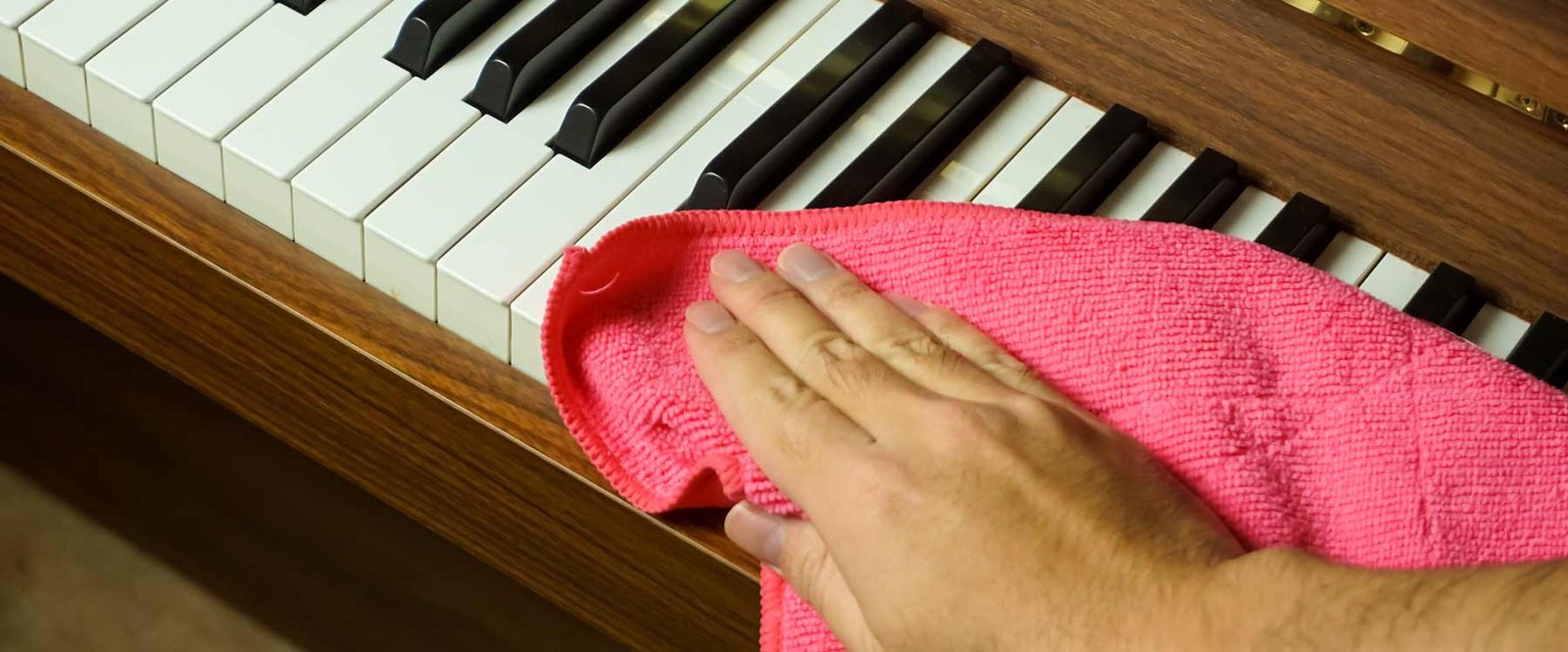
Wipe the ivory with the barely damp cloth using light, even strokes. Don’t scrub. Follow the grain of the ivory where visible. For flat pieces like piano keys, wipe each key individually from front to back — never side to side, which can push moisture under the key edges. For figurines, work section by section, drying each area before moving on.
For crevices or carved details, use a cotton swab lightly dampened with the same solution. Cotton swabs give you precision control in tight areas without flooding the ivory with moisture.
Step 4 — Dry Immediately and Thoroughly
This is the most critical step. As soon as you clean a section, dry it immediately with a separate dry lint-free cloth. Don’t let any moisture sit on ivory for longer than a few seconds. After the initial dry wipe, let the piece air dry in a well-ventilated area at room temperature for at least 30 minutes before reassembling or storing.
Never use a hair dryer or heat source to dry ivory. Rapid drying from heat causes the surface to crack and the ivory to separate along natural fault lines.
Step 5 — Treat Yellowing With Hydrogen Peroxide (Optional)
Yellowed ivory is a natural result of aging — the organic proteins in ivory oxidize over time. If you want to reduce yellowing, dampen a cotton swab or cloth with 3% hydrogen peroxide (standard drugstore strength — do not use stronger concentrations) and wipe it gently onto the yellowed areas.
Let it sit for 2–3 minutes, then wipe off with a clean damp cloth and dry immediately. You may need to repeat this process 2–3 times over several sessions. Be patient — trying to rush whitening with stronger chemicals will damage the ivory permanently. Another option is to place the cleaned ivory piece (in a plastic bag with holes, or on a sunny windowsill) in indirect sunlight for 30 minutes. UV light helps oxidize surface yellow tones gradually and safely when controlled.
Step 6 — Condition Dry or Cracked Ivory
Old ivory can dry out and develop small hairline cracks. To address this, apply a tiny amount of petroleum jelly or food-grade mineral oil to a soft cloth and rub it very lightly into the ivory surface. This helps restore a small amount of moisture to the organic material and reduces the appearance of fine cracks.


Don’t over-condition — a thin, barely visible film is all that’s needed. Wipe off excess with a dry cloth. Condition ivory pieces that live in very dry environments (heated homes in winter) every 6–12 months.
How to Clean Ivory Piano Keys Specifically
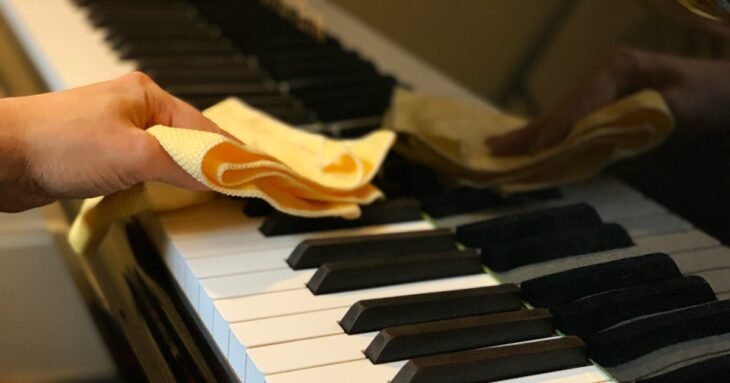
Ivory piano keys require extra care because the keys are thin overlays bonded to wooden key blanks. Getting moisture under the edges of the ivory overlay will cause the glue to fail and the ivory to lift and separate. Use these specific techniques:
- Wipe each key individually from the player’s edge toward the back of the key — never from side to side
- Use a cloth that’s almost dry — no dripping
- Don’t clean the sides or edges of the keys
- Dry each key before moving to the next
- To whiten yellowed piano keys, apply a paste of powdered white chalk and water to the surface, let it sit for 30 minutes, then wipe away — this is a traditional method piano restorers use
- Never clean ivory piano keys while the piano lid is open — dust can fall into the action mechanism below
Note: Many modern pianos built after the 1950s use synthetic ivory (plastic) keytops. If your piano keys are bright white and uniform in color, they are almost certainly plastic and can be cleaned with any mild multi-surface cleaner. Genuine ivory tends to have a slightly warm tone and may show hairline grain patterns.
Pro Tips and Common Mistakes
- Never use commercial cleaners or polishes on ivory. Products designed for porcelain, metals, or plastics contain chemicals that damage ivory’s organic structure. Stick to mild soap and water only.
- Don’t store ivory in sealed plastic bags. Ivory needs to breathe. Sealed storage traps moisture and can cause mold growth or uneven yellowing. Store in open containers or wrapped loosely in acid-free tissue.
- Avoid extremes of humidity and temperature. Ivory expands and contracts with humidity changes. Store ivory in a stable environment — ideally 40–60% relative humidity and 65–75°F. Avoid near heating vents, air conditioners, or windows.
- For valuable antique pieces, consult a conservator. If you have high-value ivory antiques, a professional conservator can clean and stabilize them safely. DIY cleaning can inadvertently reduce the value of significant pieces.
- Use white chalk for gentle whitening. Make a thin paste of white chalk powder and distilled water. Apply to yellowed ivory, let dry, and buff away. This is an old traditional method that works surprisingly well for mild yellowing.
Frequently Asked Questions
Can I use toothpaste to clean ivory?
White, non-gel toothpaste is sometimes recommended as a mild abrasive for ivory cleaning, and it can remove some surface stains. However, even gentle abrasives risk scratching the surface of polished ivory. For valuable pieces, stick to cloth and mild soap. Toothpaste may be acceptable for heavily soiled piano keys where gentle abrasion is needed, but use it sparingly and only on non-decorative surfaces.
How do I remove black stains from ivory?
Black stains on ivory are often mold, tarnish from metal contact, or deeply embedded grime. Clean the surface first with mild soap and water. If black staining remains, try a cotton swab dampened with 3% hydrogen peroxide applied directly to the stain. Let sit 3–5 minutes, then wipe clean. Repeat as needed. For deep staining on valuable pieces, consult an antique conservator rather than attempting aggressive treatment that could cause irreversible damage.
Will sunlight really whiten yellowed ivory?
Yes — indirect UV exposure does bleach surface yellowing over time, and this method is used by piano restorers and antique conservators. The key word is indirect and controlled. Direct summer sun for hours will crack and warp ivory. The method works best with 20–30 minute sessions of indirect sunlight (through a window) repeated over several weeks. Don’t rush the process.
How do I know if my item is real ivory or plastic?
Real ivory is warm to the touch (not as cold as plastic), has visible grain lines (called Schreger lines) that form a crosshatch pattern visible under magnification, and may feel slightly porous. Plastic ivory substitutes are uniformly white, cold to the touch, and have no grain. A warm pin test (not recommended on valuable pieces) will smell of burning hair on real ivory and burning plastic on synthetic materials.
Can I use a magic eraser on ivory?
No. Magic erasers (melamine foam) are micro-abrasive and will scratch and dull the surface of ivory. They’re too aggressive for any finished or polished organic material. Stick to soft cloths and mild soap only.
Conclusion
Cleaning ivory safely is all about restraint — minimal moisture, gentle cleaning agents, and immediate drying. Whether you’re refreshing antique piano keys or cleaning carved figurines, the same principles apply: never soak, never use harsh chemicals, and always dry right away. For more guidance on caring for antique and specialty surfaces around the home, check out our guides on how to clean crystal and how to clean old wood at GuideGrove.
