
Geodes and seashells are natural collector’s items that often need cleaning before they’re ready for home display. Raw geodes collected from the field or purchased unfinished carry matrix rock, clay, and mineral staining. Beach-collected seashells have salt residue, algae, sand, and sometimes organic material still inside. Both require targeted cleaning that preserves their natural structure while removing the buildup that makes them look dull or dirty. This guide covers cleaning methods for both, from basic washing to advanced chemical treatments for stubborn deposits.
What You’ll Need
For Geodes:
- Stiff-bristle brush or toothbrush
- Water (warm)
- White vinegar or diluted muriatic acid (for stubborn deposits)
- Oxalic acid or Iron Out (for iron staining)
- Small pick or dental tool (for matrix removal)
- Rubber gloves and eye protection
For Seashells:
- Warm water
- Mild dish soap
- Old toothbrush
- White vinegar or diluted bleach
- Mineral oil (for finishing)
- Rubber gloves
Safety and Precautions
- Wear gloves and eye protection when using any acid-based cleaner — muriatic acid is particularly hazardous and must be used in ventilated outdoor areas.
- Never use strong acid on calcite geodes. Geodes with calcite (calcium carbonate) crystal interiors, such as common thunder eggs, dissolve in acid. Acid cleaning is appropriate only for quartz crystal geodes. Test an inconspicuous area first.
- Don’t over-clean seashells with bleach. Extended bleaching removes the shell’s natural color and chalks the surface permanently.
- Some minerals are water-soluble. Halite (rock salt), selenite, and other evaporite minerals dissolve in water. Research your specific specimen type before using water-based cleaning methods.
- Dispose of acid solutions properly. Neutralize with baking soda before disposal and follow local regulations for chemical disposal.
How to Clean Geodes
Identify Your Geode Type
Before cleaning, identify what minerals are in your geode. Quartz geode interiors (amethyst, citrine, clear quartz, chalcedony) tolerate most cleaning methods. Calcite-lined geodes (common in some Mexican and Moroccan specimens) will be damaged by acid. If unsure, start with water cleaning only and escalate carefully.
Brush Under Running Water
The simplest first step — hold the geode under warm running water and scrub with a stiff toothbrush. For open geodes, tilt to let water run through the crystal interior. This removes loose clay, soil, and light mineral debris that doesn’t require chemical treatment. For many geodes purchased from rock shops or shows, this is all the cleaning needed.
Soak in Warm Water
For stubborn clay matrix packed into crevices, soak the geode in warm water for 15–60 minutes to soften the clay before brushing. Change the water and brush again. Multiple soak-and-brush cycles remove most field-collected clay and dirt without any chemical treatment.
Vinegar Treatment for Calcium Carbonate Deposits
White mineral deposits on quartz geode exteriors are often calcite matrix or calcium carbonate scale. For quartz geodes only, diluted white vinegar (1:1 with water) dissolves these deposits. Soak or brush the deposits with vinegar solution and let it work for 5–15 minutes. Brush away loosened material and rinse thoroughly. Do not use vinegar on the crystal interior of calcite-lined geodes.
Muriatic Acid for Heavy Matrix (Advanced)
For thick calcium carbonate matrix coating quartz crystals that vinegar won’t remove, a diluted muriatic acid treatment is effective. Dilute to 10% concentration (1 part acid to 9 parts water — always add acid to water, never water to acid). Submerge the geode briefly (1–5 minutes), monitoring the reaction closely. Remove when bubbling slows, then neutralize with baking soda solution and rinse thoroughly. This is a procedure that requires outdoor work, protective equipment, and familiarity with acid safety. When in doubt, seek professional lapidary cleaning services.
Remove Iron Staining with Oxalic Acid
Orange or yellow-brown iron staining on quartz crystals comes from iron oxide in the surrounding rock. Oxalic acid or products like Iron Out (sodium bisulfite-based) dissolve iron staining without damaging quartz. Mix per product directions, soak the geode for several hours to overnight, then brush and rinse thoroughly. Multiple treatments may be needed for heavy staining. This is the same chemistry used by lapidaries and mineral collectors to restore crystal clarity.
How to Clean Seashells
Remove Organic Material First
Fresh or recently collected seashells may still contain organic matter (partial animal remains, algae, barnacles). Boiling is the most effective removal method for small to medium shells — submerge in boiling water for 3–5 minutes. The organic material loosens and can be removed with tweezers or a small pick. For large shells like conch shells, fill with water, bring to a boil, and use a crochet hook or bent wire to remove interior material.
Wash with Mild Soapy Water
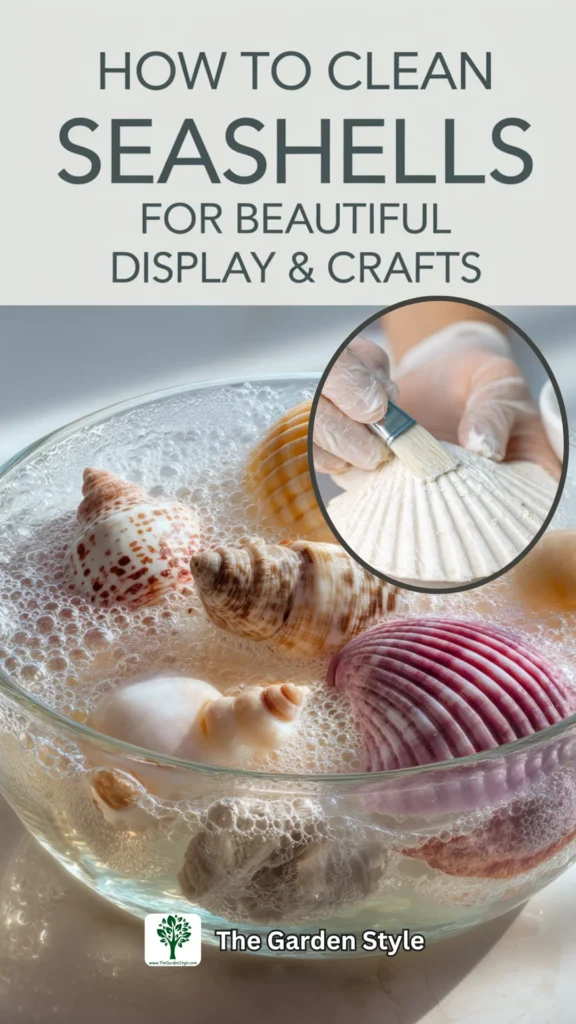
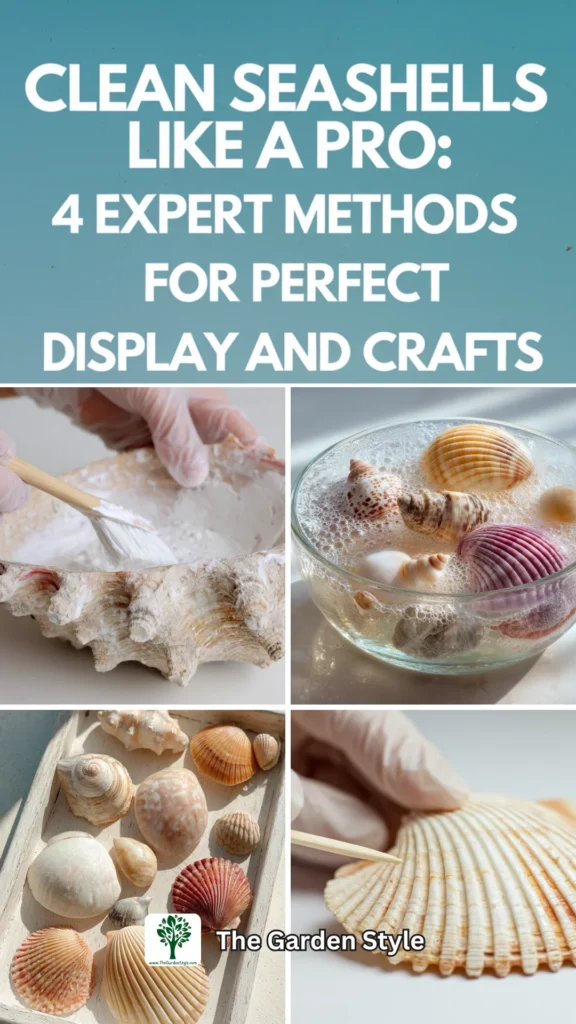
After removing organic material, wash all shells in warm soapy water with a soft toothbrush. Scrub the exterior, the interior opening, and any surface texture carefully. This removes sand, salt, and biological residue.
Soak in Diluted Bleach for Whitening and Disinfecting
For shells with algae, organic staining, or periostracum (the dark outer layer on some shells that you may want to remove to reveal the shell beneath), soak in a diluted bleach solution (1 part bleach to 2–3 parts water) for up to 24 hours. Monitor regularly — over-bleaching removes color from decorative shells and leaves a chalky white surface. For conch shells and other decorative shells where you want to preserve natural color, limit bleach exposure to 30–60 minutes.

Remove Barnacles and Encrustations
Barnacles and calcium carbonate encrustations on shells are best removed mechanically — use a small pick, dental tool, or old knife to chip them off after the bleach soak has softened them slightly. Work carefully to avoid damaging the shell surface beneath. For particularly stubborn encrustations, a brief diluted muriatic acid treatment (same dilution as for geodes) dissolves them quickly — but this also etches the shell surface slightly, so use it as a last resort.
Rinse and Dry Completely
Rinse shells thoroughly after any chemical treatment to remove all bleach or acid residue. Allow to dry completely — at least 24–48 hours in open air. Wet shells can develop internal odors from residual organic matter if sealed before fully dry.
Finish with Mineral Oil
After cleaning and drying, a light coat of mineral oil or baby oil applied with a soft cloth enhances the shell’s natural color and luster. Apply sparingly, let absorb for 30 minutes, and wipe off any excess. This finish prevents the chalky, dried-out appearance that many shells develop after cleaning and brightens the natural colors significantly.
How to Clean Conch Shells Specifically
Conch shells (including large Caribbean queen conch shells) have specific cleaning challenges due to their size and spiral interior. The key steps are:
- Boil or freeze to remove interior organic material if fresh-collected.
- Use a bent wire or crochet hook to extract loosened interior material after boiling.
- Soak upright in fresh water for 24 hours to neutralize salt.
- Brush the exterior lip and opening with a toothbrush and dish soap.
- Apply mineral oil to the exterior and the pink inner lip to restore color and luster.
- Display with the pink opening visible for maximum visual impact — a clean conch shell’s inner lip is one of the most visually striking natural colors in a home display.
Pro Tips for Mineral and Shell Display
- Don’t seal geodes with lacquer. Clear lacquer on crystal geodes looks artificial and traps moisture. Clean crystals naturally display better without sealant.
- Use museum wax for display mounting. Museum wax (Quake Hold or similar) creates a temporary secure mounting without adhesive that works well for positioning geode halves or shells on display surfaces.
- Keep geodes away from direct sunlight. UV exposure fades amethyst’s purple color over time — display in indirect light or UV-filtered cases to preserve color long-term.
- Dust regularly with a soft brush. Geode interiors collect dust between the crystals. A soft paintbrush or compressed air keeps them looking clean without wet cleaning every time.
Frequently Asked Questions
How do I clean the inside of a geode without damaging the crystals?
Start with the gentlest method: warm water and a soft toothbrush. For quartz crystals with mineral deposits, diluted white vinegar removes calcium carbonate carefully. For iron staining, oxalic acid or Iron Out dissolves orange/yellow staining without damaging quartz. Avoid strong undiluted acid, bleach, or abrasive tools on crystal surfaces.
How do I get the smell out of a seashell?
Shell odor comes from residual organic material inside. Soak the shell in undiluted white vinegar for several hours, then rinse and dry completely. Alternatively, fill the shell with baking soda and let sit for 24 hours to absorb the odor, then rinse. Ensuring the shell is completely dry is the most important step — damp organic residue is the primary odor source.
Can I use CLR on geodes?
CLR (Calcium Lime Rust) is acid-based and can be used on quartz geodes for removing calcium deposits — dilute per product directions and rinse thoroughly. Do not use CLR on calcite-lined geodes or on mineral specimens containing acid-sensitive materials. It works similarly to diluted muriatic acid but is slightly less aggressive.
What’s the white stuff on my seashells?
White deposits on seashells are typically calcium carbonate (barnacle remains or encrustation) or salt/mineral deposits from the water. Soaking in diluted white vinegar dissolves calcium-based deposits. For salt deposits, thorough freshwater soaking removes them. Heavy encrustations may need mechanical removal with a pick after a softening soak.
How do I make seashells shiny?
After cleaning and completely drying, apply a thin coat of mineral oil, baby oil, or a commercial shell polish with a soft cloth. Buff lightly. The oil fills micro-surface irregularities and reflects light more uniformly, producing a natural lustrous appearance. For an even higher gloss, a light spray of clear lacquer is used by some collectors, though this is irreversible and prevents future cleaning.
Conclusion
Cleaning geodes and seashells for display starts with the gentlest method and escalates to chemical treatment only if needed. For geodes: water and brushing, then vinegar for calcium deposits, then oxalic acid for iron staining, with muriatic acid as a last resort for heavy matrix. For seashells: washing, bleach soaking for removal of periostracum and biological material, then mineral oil finishing. Both are rewarding projects that reveal the full natural beauty of your specimens.
For related natural material cleaning guides, check out our articles on how to clean driftwood and how to clean gravel and landscaping rocks. If you’re building a complete nature display, our deer antler cleaning guide covers preparation of another popular natural specimen.
