
Driftwood collected from beaches, rivers, or shorelines carries salt, bacteria, mold, insects, and organic debris — none of which you want in your home or aquarium. Cleaning driftwood properly takes a few days but the process is straightforward: scrub off surface debris, soak to remove salt and tannins, and boil or bleach-treat to eliminate pests and pathogens. Whether you’re preparing driftwood for a centerpiece, a terrarium, or a fish tank, this guide covers the exact steps for each use case.
What You’ll Need
- Stiff scrub brush
- Bucket or storage tote (large enough to submerge driftwood)
- Clean water
- Large pot for boiling (for smaller pieces)
- Bleach (for driftwood not going into aquariums)
- Household salt (optional, for aquarium prep)
- Old towels for drying
- Rubber gloves
- Sandpaper (optional, for smoothing sharp edges)
Safety and Precautions
- Never use bleach on driftwood going into an aquarium. Bleach residue is toxic to fish and aquatic life. Use boiling or extended freshwater soaking for aquarium pieces only.
- Wear gloves when handling raw collected driftwood — insects, mold, and organic debris are common, especially on beach-collected pieces.
- Don’t use bleach on very porous driftwood pieces you plan to display indoors for extended periods unless you can guarantee complete rinsing — residual bleach can off-gas over time.
- Test for mold before display. If you see white fuzzy growth after cleaning, the wood wasn’t fully dried. Repeat the treatment and ensure complete drying before bringing inside.
- Check local regulations for collecting driftwood in some national parks and protected beach areas — collection may require a permit or be prohibited.
Step-by-Step: Cleaning Driftwood for Home Decor
Inspect and Remove Loose Debris
Before washing, inspect the driftwood carefully. Remove any bark that’s peeling (it harbors insects and mold), dead organic material, embedded shells, or visible insects. Use a stiff brush to scrub off the surface. If you find insect galleries or borer holes, treat this as a pest risk — boiling is the safest way to ensure insects are eliminated.
Scrub with a Stiff Brush and Water
Place the driftwood in a large bucket or outdoors on a surface and scrub thoroughly with a stiff brush and plain water. Remove dirt, algae, salt crusts, and loose material from all surfaces. Work into crevices and hollows. This initial scrub removes the bulk of surface contamination before soaking.
Soak in Fresh Water
Place the driftwood in a large container or bucket and submerge it completely in fresh water. For saltwater-collected driftwood, this soak leaches out salt that would otherwise crystallize on the surface as it dries and can damage interior furnishings. Soak for at least 24–48 hours, changing the water daily. Water will darken significantly from tannins and salt — this is normal and expected. Continue soaking and changing water until the water stays relatively clear (typically 3–7 days for heavily soaked pieces).
Bleach Treatment for Disinfecting (Decor Only)
For driftwood being used for home decor that doesn’t need to be food-safe or aquarium-safe, a bleach soak kills bacteria, mold spores, and any remaining insects effectively. Mix 1 cup of bleach per gallon of water. Submerge the driftwood and soak for 24 hours. Rinse extremely thoroughly afterward — multiple rinses over several hours — then soak in fresh water for another 24 hours to ensure all bleach is removed before bringing indoors.
Dry Completely Before Display
After soaking and rinsing, allow the driftwood to dry completely in open air — outdoors in sun and fresh air is ideal. This process takes 1–5 days depending on the size and density of the piece. The driftwood must be completely dry throughout before bringing inside. Incomplete drying causes mold growth indoors. Large, dense pieces may take a week or longer.
Optional: Sand Rough Edges
If the driftwood will be handled frequently or placed in a location where rough edges could cause splinters (e.g., as a shelf, handle, or decorative rail), sand sharp points and rough edges with 80–120 grit sandpaper. The distinctive weathered look of driftwood is preserved even after light sanding of just the sharpest points.
How to Clean Driftwood for Aquariums
Aquarium driftwood preparation is stricter — no bleach, no chemicals, and complete tannin removal is required to avoid pH changes and water discoloration in your tank.
Scrub and Rinse Thoroughly
Scrub the driftwood with a stiff brush under running water to remove dirt and debris. Don’t use soap — even residual soap will harm fish.
Boil for 1–2 Hours
Boiling is the most effective method for aquarium driftwood preparation. Submerge the piece in a large pot and boil for at least 1–2 hours. Change the water halfway through and continue boiling. Boiling kills bacteria, mold, parasites, and insects, and begins the process of leaching out tannins. The water will turn brown — this is the tannins releasing from the wood.
Extended Freshwater Soak


After boiling, place the driftwood in a bucket of clean fresh water for 1–2 weeks. Change the water daily. This extended soak continues removing tannins that would otherwise turn aquarium water a tea-brown color. When the soaking water stays clear (or nearly so) after a fresh water change, the driftwood is ready.
Test in the Aquarium
Even after extended soaking, some driftwood continues releasing tannins in the aquarium, mildly lowering pH. This can be beneficial for certain species (like South American cichlids) but problematic for others. Monitor water chemistry after introducing driftwood and do extra water changes if pH drops significantly. Carbon filtration also helps absorb tannins from the water column.

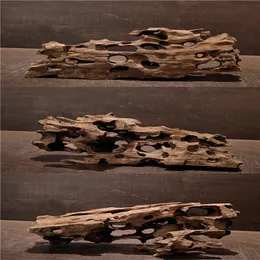
Dealing with White Mold on Driftwood
White fuzzy growth on aquarium driftwood is a common issue and is generally not harmful to fish — it’s a type of saprophytic fungus feeding on the wood’s organic compounds. It typically appears in the first few weeks after introducing new driftwood and fades as the wood ages. To remove it, take the driftwood out and scrub with a clean brush under warm water. Return to the tank. The fungus may return once or twice before disappearing permanently. If it persists, re-boiling the driftwood resolves the issue. Algae-eating fish and invertebrates will also graze on the white growth.
Pro Tips for Driftwood Preparation
- The longer you soak, the better. There’s no such thing as too much freshwater soaking for driftwood. Longer soaks remove more tannins and salt for cleaner results.
- Weight the driftwood during soaking. Most driftwood floats initially. Use a heavy rock or a sealed container of water placed on top to keep it submerged during soaking.
- Collect driftwood in fall or winter. Wood collected during cooler months tends to have fewer active insect infestations than summer-collected pieces.
- For display pieces, a light coat of clear matte varnish after drying seals the wood, reduces dust accumulation, and prevents insect emergence from any undetected galleries.
- Label aquarium driftwood after prep. If you’ve prepped several pieces, label which ones went through full boiling and extended soaking so you don’t mix up prepped and unprepped pieces.
Common Mistakes When Cleaning Driftwood
- Not soaking long enough. Insufficient soaking leaves salt and tannins that will leach out indoors or discolor aquarium water.
- Bringing driftwood indoors before it’s fully dry. Damp driftwood molds quickly indoors. Complete drying is non-negotiable.
- Using bleach for aquarium driftwood. Even trace bleach residue is toxic to fish. Boiling is the only safe sanitization method for aquarium pieces.
- Skipping the insect inspection. Missing a borer infestation means you may introduce wood-boring insects into your home. Check all hollows and holes carefully.
- Using driftwood in aquariums without soaking first. Jumping straight from boiling to the tank without an extended freshwater soak results in brown, tannin-stained aquarium water.
Frequently Asked Questions
How long does it take to prepare driftwood for an aquarium?
Allow at least 1–2 weeks for aquarium preparation: 1–2 hours of boiling, followed by 7–14 days of daily water changes during soaking. Larger, denser pieces may need longer. The process is complete when the soaking water stays relatively clear after a fresh change.
Can I use driftwood from a lake or river in an aquarium?
Yes, but it must be properly cleaned and boiled first. Freshwater driftwood still carries bacteria, parasites, and potential toxins from the local water source. Boiling and extended soaking makes it safe. Avoid wood from areas known to be contaminated with agricultural runoff or industrial pollution.
How do I stop driftwood from floating in my aquarium?
New driftwood almost always floats initially because the wood still contains air pockets. The extended freshwater soak helps waterlog the wood so it sinks. You can also attach it to a flat rock with aquarium-safe epoxy or use plastic suction cup mounts to anchor it temporarily until it becomes waterlogged.
How do I clean driftwood that’s been sitting in my house for years?
For previously displayed driftwood that’s dusty or has minor mold, scrub with a stiff dry brush outdoors first. If mold is present, take it outside and spray with a solution of 1 part white vinegar and 1 part water, let sit for an hour, scrub, then rinse and allow to dry completely in sun and fresh air before returning indoors.
What kind of driftwood is safe for reptile and animal terrariums?
Boiled and dried hardwood driftwood is safest for terrariums. Avoid pine, cedar, and other resinous softwoods — the resins and phenols can be harmful to reptiles through skin contact and inhalation. Apple, oak, grape vine, and most tropical hardwoods are the preferred choices for reptile terrariums.
Conclusion
Cleaning driftwood requires patience more than effort — most of the work is waiting for soaking and drying to complete. Scrub off the surface debris, soak out the salt and tannins, boil for aquarium pieces, and dry completely before display. Done right, cleaned driftwood lasts for years as a display piece, terrarium feature, or aquarium centerpiece without introducing insects, mold, or water chemistry problems.
For related home decor and natural material guides, check out our articles on how to clean deer antlers and how to clean old wood. If you’re working on natural stone and rock features, our guide to cleaning geodes and shells covers similar techniques.
