
Dust mites are microscopic arachnids that live in soft surfaces throughout your home — mattresses, pillows, bedding, carpet, and upholstered furniture. They can’t be seen with the naked eye, but their waste proteins are a leading trigger of indoor allergies and asthma. You can’t eliminate 100% of dust mites from any home, but you can reduce their population dramatically with consistent cleaning, heat treatment, and a few environmental changes. Here’s the full approach for every surface where dust mites commonly live.
What You’ll Need
- Washing machine and dryer
- Vacuum with HEPA filter
- Hot water (130°F / 54°C or higher) for laundry
- Allergen-reducing laundry detergent (optional)
- Baking soda
- Dust mite spray (optional, tea tree oil or commercial anti-allergen spray)
- Mattress encasements and pillow covers (allergen-proof)
- Steam cleaner (optional, for mattress and carpet)
- Hygrometer (to monitor humidity)
- Dehumidifier (if needed)
Safety and Precautions
- Wear a dust mask when vacuuming or handling dusty bedding if you have dust mite allergies — stirring up dust releases the mite waste particles that trigger allergic reactions.
- Wash hands after handling bedding before touching your face during cleaning to reduce exposure to allergens.
- Don’t rely on cold-temperature washing alone. Cold water washes remove some allergens but don’t kill dust mites. Hot water (130°F+) is required to kill them.
- Check fabric care labels before hot washing — some materials can’t handle high heat and will shrink or be damaged.
- Consult an allergist if symptoms are severe. While cleaning reduces dust mite exposure, severe allergies may require medical treatment in addition to environmental controls.
Step-by-Step: How to Clean Dust Mites from a Mattress
Strip All Bedding
Remove all sheets, pillowcases, mattress covers, and any blankets or throws on the bed. Place them immediately in the washing machine. Avoid shaking them out in the bedroom — this releases allergen particles into the air.
Vacuum the Entire Mattress Surface
Use a vacuum with a HEPA filter (critical — standard vacuums without HEPA filters release mite waste back into the air). Vacuum the top, sides, and every seam and crevice of the mattress using the upholstery attachment. Move slowly and methodically — don’t rush. Pay extra attention to the seams, buttons, and tufting where dust mites congregate at highest density.
Apply Baking Soda
After vacuuming, sprinkle a generous layer of baking soda over the entire mattress surface. Baking soda neutralizes odors and draws out some moisture, creating a slightly less hospitable environment for mites. Let it sit for at least 30 minutes — an hour or more is better. Then vacuum thoroughly again to remove all baking soda.
Steam Clean the Mattress (Optional but Highly Effective)
A steam cleaner delivers temperatures well above 130°F (54°C) directly into the mattress surface, killing dust mites on contact. Make slow passes over the entire mattress surface including seams. Allow the mattress to dry completely (several hours) before replacing bedding. This step provides a much more thorough result than vacuuming alone.
Apply Dust Mite Spray (Optional)
Commercial anti-allergen sprays or DIY sprays (tea tree oil diluted in water) can be applied after vacuuming and drying. These denature the allergen proteins in mite waste and create a slightly hostile environment. Spray lightly and allow to dry completely before putting bedding back. Note that sprays treat surface-level mites and allergens — they don’t penetrate deep into the mattress core.
Encase the Mattress and Pillows
The most effective long-term strategy is encasing your mattress and pillows in allergen-proof (mite-barrier) encasements. These zippered covers have fine enough weave to prevent mite colonization of the mattress interior. Encasements dramatically reduce total dust mite exposure and are recommended by allergists as the single most effective intervention. Look for encasements rated for particles under 10 microns.
How to Clean Dust Mites from Bedding and Pillows
Wash in Hot Water (130°F / 54°C)
Heat is the most reliable way to kill dust mites. Wash all bedding — sheets, pillowcases, blankets, duvet covers, and pillow inserts — in hot water at 130°F (54°C) or higher. Research shows that washing at temperatures below this threshold removes many allergens but doesn’t kill the mites themselves. If your washing machine doesn’t reach this temperature, consider a commercially available allergen-reducing detergent.
Dry on High Heat
After washing, dry bedding on the highest heat setting the fabric can tolerate. The combination of hot water washing and high heat drying provides the most complete kill rate for dust mites. A full dryer cycle at high heat should reach internal fabric temperatures above 130°F throughout the load.
Wash Frequency


Wash all bedding every 1–2 weeks for effective dust mite control. Pillows should be washed monthly if possible. If you have severe allergies, weekly washing of sheets and pillowcases significantly reduces allergen load.
How to Remove Dust Mites from Carpet and Rugs
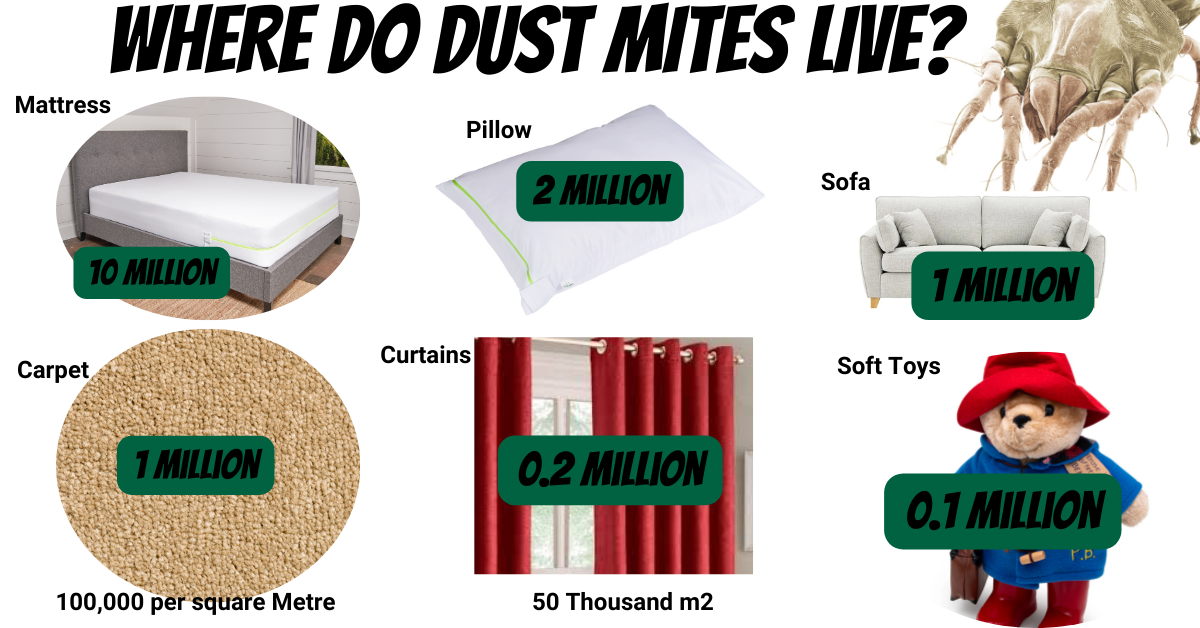
Carpets are the highest-density dust mite habitat in most homes. Hard flooring is dramatically better for dust mite control, but if you have carpet:
- Vacuum weekly with a HEPA-filter vacuum, making slow, overlapping passes. Two passes in different directions is more effective than one quick pass.
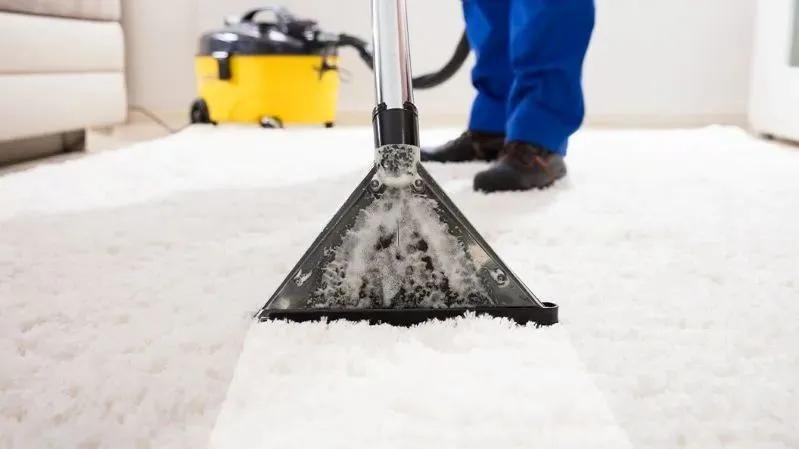
- Steam clean carpets every 3–6 months. Professional steam cleaning or a rental unit reaches temperatures that kill dust mites throughout the carpet pile.
- Apply baking soda before vacuuming to neutralize odors and absorb moisture — let it sit for 15–30 minutes before vacuuming up.
- Use a HEPA-filter vacuum only. Standard vacuums release mite waste particles back into the air as fine dust, potentially worsening symptoms.
- Consider replacing carpet in bedrooms — hard floor surfaces reduce dust mite populations by 80–90% compared to carpet in bedroom environments.
Environmental Controls: Reducing Dust Mite Populations Long-Term
Cleaning kills current mites and removes allergens, but environmental control is what keeps populations from rebounding quickly. Dust mites need two things to thrive: warmth (68–77°F / 20–25°C) and humidity (above 50%). Addressing these significantly reduces reinfestation rates:
- Maintain indoor humidity below 50%. Dust mites struggle to survive in relative humidity below 50% and die in environments below 35%. A dehumidifier in the bedroom is highly effective.
- Keep bedroom temperature cooler. While you can’t make your bedroom uncomfortable to sleep in, keeping it on the cooler end of the range slows mite reproduction.
- Reduce soft surfaces in the bedroom. Fewer pillows, less upholstered furniture, and removing carpet dramatically reduces the total habitat available to mites.
- Wash stuffed animals regularly. Children’s stuffed animals are a significant dust mite reservoir. Wash them monthly in hot water or put them in the freezer overnight (below 0°F) to kill mites before washing.
Pro Tips for Dust Mite Control
- Sunlight kills dust mites. Hang bedding and pillows in direct sunlight for several hours — UV light and heat effectively reduce mite populations. This works well for items that can’t be machine washed at high temperatures.
- Freeze what you can’t wash hot. Items sensitive to heat (wool blankets, delicate stuffed animals) can be placed in a sealed bag and frozen for 24 hours to kill mites. Wash afterward to remove the dead mites and allergens.
- Change HEPA vacuum filters regularly. A clogged HEPA filter reduces efficiency and allows more allergens to pass through. Change according to manufacturer recommendations.
- Air purifiers with HEPA filters reduce airborne allergen particles in the room after cleaning stirs them up. Run in the bedroom continuously for best results.
Frequently Asked Questions
Can you see dust mites?
No — dust mites are microscopic, about 0.2–0.3 mm in size, and completely invisible to the naked eye. You can’t confirm their presence visually. However, allergy symptoms (sneezing, runny nose, itchy eyes, asthma flare-ups worse in the bedroom or when changing bedding) are a strong indicator. Dust mite testing kits for home use are also available online.
Does vacuuming kill dust mites?
No — vacuuming doesn’t kill dust mites, but it removes them and their waste particles from surfaces. HEPA-filter vacuuming is effective at reducing allergen load significantly. To kill mites, you need heat (130°F+) from hot water washing, dryer heat, steam cleaning, or sunlight/freezing.
What temperature kills dust mites in the dryer?
A dryer cycle at high heat reaches temperatures well above the 130°F (54°C) threshold needed to kill dust mites throughout the load. Run a full cycle on high heat for the most effective kill rate. Lower heat settings remove some mites through drying but may not kill all of them.
Do air purifiers remove dust mites?
Air purifiers with HEPA filters capture airborne mite waste particles effectively, reducing allergen exposure in the room. However, they can’t remove mites living deep in mattresses, carpets, and bedding — surface cleaning and environmental controls are still required. An air purifier works best as a supplemental measure alongside the cleaning methods described here.
How often should I clean to control dust mites?
For effective control: wash bedding weekly or every two weeks in hot water; vacuum carpet and mattress weekly with a HEPA vacuum; steam clean mattress and carpet every 3–6 months. Maintain humidity below 50% year-round. With consistent routine maintenance, dust mite populations can be reduced to levels low enough that most allergic people experience significantly reduced symptoms.
Conclusion
Controlling dust mites requires a systematic approach across multiple surfaces and habits. Hot water washing, HEPA vacuuming, steam cleaning, and low humidity are your most powerful tools. Mattress and pillow encasements provide the highest long-term benefit with the least ongoing effort. No single step eliminates mites entirely, but consistent application of these methods dramatically reduces the allergen load in your home and improves quality of life for allergy and asthma sufferers.
For related home cleaning guides, see our article on how to clean stuffed animals — a common dust mite harbor that’s easily overlooked. Our guide on how to clean a wet bed also covers deep mattress cleaning after spills or accidents.
