
A wet bed needs to be handled quickly — moisture left in a mattress for more than a few hours starts growing mold and bacteria. Strip the bedding immediately, blot the mattress dry, treat any stains or odors, and get air moving across the surface as fast as possible. This guide walks through the full process for urine, water spills, and other liquids on a mattress.
What You’ll Need
- Clean towels or absorbent cloths
- Baking soda
- White vinegar (distilled)
- Spray bottle
- Hydrogen peroxide (3% drugstore strength)
- Dish soap (liquid, mild)
- Cold water
- Vacuum with upholstery attachment
- Fan or hair dryer (cool setting)
- Rubber gloves (for urine or biological fluids)
Safety and Precautions
Act immediately — the longer liquid sits in a mattress, the deeper it penetrates into the foam layers and the more difficult it becomes to remove odor and prevent mold. Always use cold water for treatment — hot water sets protein-based stains like urine. When cleaning up urine, vomit, or other biological fluids, wear rubber gloves. Never saturate the mattress with water when treating — use damp cloths and sprays, not poured liquid. Excess moisture in a mattress is very difficult to dry completely and promotes mold growth deep in the foam.
Step 1: Strip the Bed Immediately
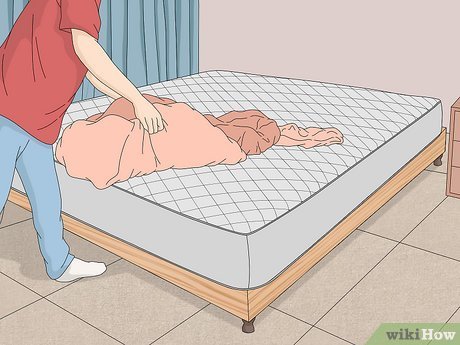
Remove all bedding — sheets, mattress pad, pillowcases — as quickly as possible. The less time wet fabric sits against the mattress, the less liquid soaks through. Put everything directly into the washing machine and start a cold water wash immediately. Wash sheets and mattress pads in cold water with detergent; add a cup of white vinegar to the rinse cycle if there’s a urine smell.
Step 2: Blot — Don’t Rub — the Wet Area
Press clean dry towels firmly onto the wet area of the mattress and hold with pressure for 30–60 seconds. Lift and press again with a fresh section of towel. Repeat until you’re not picking up more moisture. Do not rub the wet area — rubbing spreads the liquid laterally into more of the mattress and deeper into the layers. Straight-down blotting pulls moisture up and out.
Step 3: Apply Baking Soda Over the Wet Area
Once you’ve blotted out as much liquid as possible, generously sprinkle baking soda over the entire wet area and a few inches beyond the edges of the damp zone. Baking soda draws moisture out of the surface fibers and begins neutralizing odor immediately. Leave it on for at least 30 minutes — longer is better. For urine or vomit, leave the baking soda on for several hours or overnight if the mattress is going to air dry anyway.
Step 4: Vacuum the Baking Soda
After the baking soda has sat and absorbed moisture, vacuum it up thoroughly using an upholstery attachment. Make sure you’re removing all the powder — residual baking soda left in the mattress fibers can cause skin irritation.
Step 5: Treat Stains and Odors
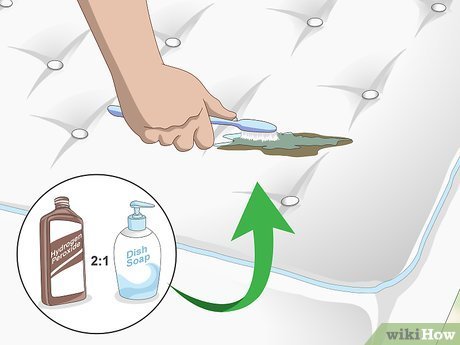
For urine stains and odors specifically, use an enzyme cleaner or make a DIY solution: mix 8 ounces of hydrogen peroxide, 3 tablespoons of baking soda, and 2 drops of dish soap in a spray bottle. Lightly spray the stained area and let it sit for 10–15 minutes. The hydrogen peroxide breaks down the uric acid compounds that cause the yellow staining and lingering smell. Blot dry with a clean towel — do not rub.
For plain water or beverage spills without odor: a light spray of diluted white vinegar (equal parts vinegar and water) applied and blotted dry is sufficient to neutralize any potential mold-promoting residue and prevent odor development.
Step 6: Dry the Mattress Thoroughly
This is the most critical step. Set up a fan blowing directly across the treated area at maximum speed. If weather permits, move the mattress to a well-ventilated area or near an open window. A hair dryer on the cool setting can be used on the surface area, kept moving to avoid concentrating heat in one spot. The mattress must feel completely dry to the touch — both on the surface and when you press firmly — before putting bedding back on it. For a heavily saturated mattress, this may take 6–12 hours.
Step 7: Final Odor Check and Second Baking Soda Application
Once the mattress is dry, do a close-up smell check. If any urine or musty smell remains, apply another layer of baking soda, let sit for several hours, and vacuum again. Repeat until there’s no detectable odor. Covering an odor with the mattress pad before it’s fully resolved will trap the smell and make it worse over time.
Special Cases
Memory Foam Mattresses
Memory foam is extremely porous and absorbs liquid deeply and quickly. Follow the same blotting and baking soda process, but be extra careful not to apply excess liquid during the treatment steps — memory foam dries very slowly. Avoid hydrogen peroxide on memory foam — it can break down the foam material with repeated use. Use enzyme cleaner instead. Increase drying time and airflow; memory foam mattresses can take 24 hours or more to fully dry after saturation.
Latex Mattresses
Latex is naturally mold-resistant but still needs prompt drying. Blot thoroughly and dry with fans. Avoid hydrogen peroxide on latex as well — it can degrade the rubber material over time.
Pillow-Top Mattresses
The pillow top layer holds moisture longer than standard mattresses. Follow all the steps above and extend drying time. Press firmly across the pillow top after treating to check if moisture has soaked into the secondary layer beneath.
How to Prevent Future Mattress Wetting
- Use a waterproof mattress protector: A waterproof mattress cover is the single best investment for protecting your mattress — especially for children’s beds or beds of people who are ill. Look for one that’s breathable and machine washable.
- Address bedwetting proactively: If bedwetting is a recurring issue, a waterproof mattress protector plus a second waterproof pad directly under the sheet gives double protection without sacrificing comfort.
Pro Tips
- Speed is everything: The first 30 minutes after a wet bed incident determine how difficult the cleanup will be. The faster you strip and blot, the less liquid reaches the deep mattress layers.
- Don’t put sheets back until fully dry: A still-damp mattress covered with sheets creates a sealed, moist environment — exactly what mold needs to grow. Verify the mattress is bone dry first.
- Enzyme cleaners outperform DIY for urine: Commercial enzyme cleaners (like Nature’s Miracle or OdorBan) specifically break down urine compounds. For recurring bedwetting, an enzyme cleaner is worth having on hand.
- Check the mattress seams: Liquid follows gravity and often pools along the seams and edges of the mattress. Check and blot these areas even if the visible surface seems dry.
Frequently Asked Questions
How long does it take to dry a wet mattress?
A lightly wet mattress with a fan blowing directly on it typically dries in four to six hours. A heavily saturated mattress — or memory foam — can take 12–24 hours or longer. Always verify the mattress is completely dry by pressing firmly across the entire treated area before remaking the bed.
Can I use a steam cleaner on a wet mattress?
No — adding steam to an already wet mattress introduces more moisture and heat, which promotes mold growth. Steam cleaners are used for sanitizing dry mattresses, not for treating fresh spills or wet incidents.
What if the mattress still smells after drying?
Apply a fresh layer of baking soda, let it sit for 8 hours, and vacuum thoroughly. Repeat if needed. For urine odor that won’t fully resolve, an enzyme cleaner is the most effective solution — it breaks down the uric acid compounds at a molecular level that baking soda alone can’t fully neutralize.
My mattress got wet from a roof leak — is it salvageable?
It depends on how long the mattress was wet. If it was thoroughly saturated for more than a few hours, mold may have already started growing in the foam layers. Visible mold, a strong musty smell that persists after complete drying, or visible discoloration in the foam are all signs the mattress should be replaced rather than cleaned.
Should I flip the mattress after cleaning a wet side?
If the mattress is two-sided (flippable), flipping it allows the treated side to air dry fully while you sleep on the clean side. For one-sided mattresses, lean it against the wall and direct fan airflow at the treated surface to dry as quickly as possible before remaking the bed.
Conclusion
A wet bed is a race against time — the faster you act and the drier you get the mattress, the better the outcome. Blot aggressively, apply baking soda generously, treat any odors with the hydrogen peroxide solution, and run fans until the mattress is completely dry. A waterproof mattress protector is the long-term solution to prevent needing to repeat this process. For other bedroom cleaning projects, our guide on how to clean a down pillow covers the complete wash-and-dry process for the pillows that go on that freshly cleaned bed.
