
Most stuffed animals can be cleaned safely with the right method for their material. Machine-washable plush toys go in a mesh laundry bag on gentle cycle with cold water. Delicate, battery-operated, or antique stuffed animals need surface cleaning or spot treatment instead. The key is checking the care label first — then choosing machine wash, hand wash, or spot clean accordingly.
What You’ll Need
- Mesh laundry bag (for machine washing)
- Mild detergent (free of dyes and perfumes)
- White vinegar (for deodorizing)
- Clean cloths or sponge
- Cold water
- Baking soda (for dry deodorizing)
- Soft-bristle brush or toothbrush
- Pillowcase (alternative to mesh bag)
- Dryer with low heat setting (for machine-dryable toys)
Safety and Precautions
Never machine wash stuffed animals with battery compartments, electronic components, music boxes, or voice boxes — water will destroy the electronics and could create a safety hazard. Do not use hot water — heat shrinks fabric, melts glued-on features, and distorts foam stuffing. Avoid bleach on colored plush fabric; it causes permanent discoloration and weakens fibers. Check for loose button eyes, small plastic parts, or hand-stitched embellishments before washing — these may fall off and should be spot cleaned around carefully.
Step 1: Check the Care Label
Turn the stuffed animal over and look for a sewn-in care tag. Most modern stuffed animals have a tag indicating machine wash cold, hand wash only, or surface wash only. If the tag is missing, look at the construction: if it has batteries, a music box, delicate yarn, or antique fabric, treat it as hand-wash or spot-clean only. If it’s simple plush with polyester fill and no electronics, it’s almost certainly machine washable.
Step 2: Pre-Treat Stains
Before washing, address any visible stains. Mix a small amount of mild dish soap with cool water and dab the stain with a clean cloth. Work from the outside edge of the stain inward to prevent spreading. Let the pre-treatment sit for five minutes, then blot (don’t rub) with a clean damp cloth. This step makes a big difference for juice stains, food, or grime that has dried into the fabric.
Method 1: Machine Washing (Most Common)
Place in a Mesh Laundry Bag
Put the stuffed animal inside a mesh laundry bag or zippered pillowcase. This protects it from agitation that can pull seams, fray fabric, or tear off embellishments. For a teddy bear with a large head, a pillowcase tied at the end works perfectly.
Set Machine to Gentle, Cold Water
Select the delicate or gentle cycle and set water temperature to cold. Hot or warm water causes plush fabric to mat, shrink, or felt. Cold water cleans just as effectively for stuffed animals while preserving the fabric texture.
Use Mild Detergent — Small Amount
Add a small amount of mild, dye-free detergent. Use about half the normal amount you’d use for a regular laundry load. Heavy detergent residue can stiffen plush fabric and irritate sensitive skin — important for children’s toys especially.
Add White Vinegar to the Rinse Cycle
Add half a cup of white distilled vinegar to the fabric softener dispenser or directly into the drum at the start of the rinse cycle. Vinegar neutralizes odors, removes soap residue, and softens the plush fabric naturally without synthetic fragrance.
Dry on Low Heat or Air Dry
Check the care tag for drying instructions. Most stuffed animals can go in the dryer on the lowest heat setting or air-fluff (no heat). Add two or three clean tennis balls to the dryer — they help refluff the filling as it tumbles and prevent clumping. Remove periodically and reshape while still slightly damp. Air drying on a clean towel works too, though it takes several hours and you’ll need to fluff by hand.
Method 2: Hand Washing (Delicate Plush)
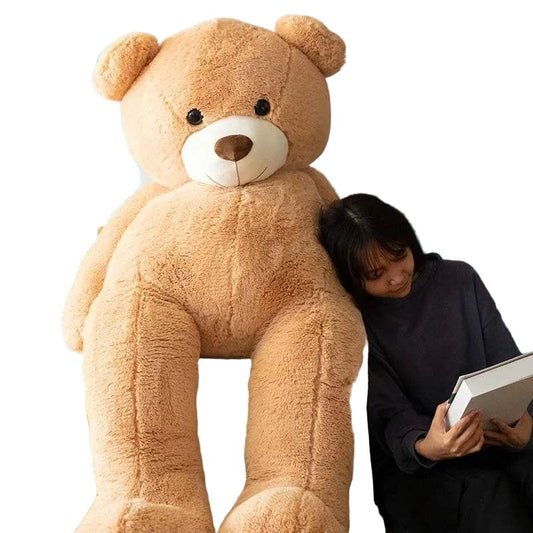
Fill a Basin with Cool Water and Mild Soap
Fill a sink or basin with cool water. Add a small squeeze of mild dish soap or baby shampoo and swirl to dissolve. Avoid creating excessive suds — too much soap is hard to rinse out of stuffed filling.
Submerge and Gently Squeeze
Submerge the stuffed animal and gently squeeze the soapy water through the fabric. Work your hands over all surfaces, paying extra attention to soiled areas. Do not wring or twist — wringing distorts the shape and can damage seams on vintage or delicate stuffed animals.
Rinse Thoroughly
Drain the soapy water and refill with clean cold water. Squeeze the toy repeatedly to push clean water through the filling. Rinse until no soap suds remain — this usually takes two to three rinse cycles.
Press Out Water and Air Dry
Gently press (don’t wring) the stuffed animal against the sink to remove excess water. Roll it in a clean dry towel and press again. Lay it on a clean, dry surface in a well-ventilated area to air dry. Shape it as desired while it’s still damp. Drying time ranges from a few hours to overnight depending on the size and filling density.
Method 3: Surface Cleaning (Electronics and Delicates)
Mix a Gentle Cleaning Solution
Combine a teaspoon of mild dish soap with two cups of cool water. Alternatively, use a mild upholstery cleaner or baby wipe for light surface cleaning.
Wipe with a Damp Cloth
Dip a clean cloth in the solution, wring it out well (barely damp — not wet), and wipe the surface of the stuffed animal. Work in sections, cleaning one area at a time. Avoid saturating the fabric — moisture seeping inside can wet the electronics or stuffing and cause mold or damage.
Remove Soap Residue
Follow with a second clean cloth dampened with plain water to wipe away any soap residue. Then blot dry with a third dry cloth. Let the toy air dry completely in a warm spot before children handle it again.
How to Deodorize a Stuffed Animal Without Washing
Place the stuffed animal in a sealed plastic bag with half a cup of baking soda. Shake the bag gently and leave it for several hours or overnight. The baking soda absorbs odors without any moisture. Remove the toy and shake or brush off the powder. This method works well for quick odor removal between full cleanings and for toys that cannot be washed.
How to Clean Antique or Collectible Stuffed Animals
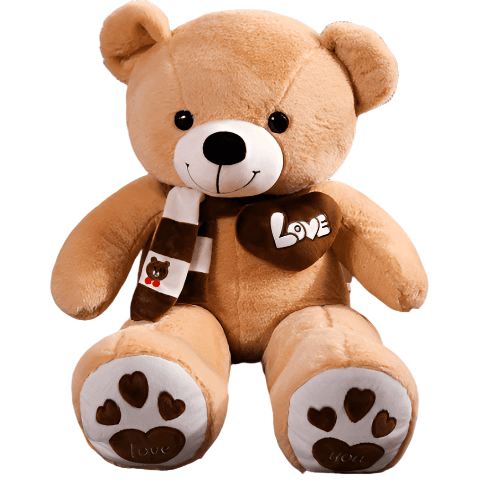
Vintage stuffed animals — especially those made before 1980 — often have mohair or wool fabric, glass eyes, wire armatures, or fragile seams that won’t survive any form of wet cleaning. For antique pieces, use a soft dry brush to gently remove surface dust. A low-suction vacuum with a mesh screen held over the nozzle can safely lift dust from delicate fabric. For deeper cleaning of a valuable antique stuffed animal, consult a textile conservator rather than risk damage.
Pro Tips
- Wash before gifting: New stuffed animals from stores may carry dust, allergens, or chemical finishes from manufacturing — a quick wash before giving them to a child is a smart habit.
- Keep special toys in rotation: If a child has a beloved “must-have” stuffed animal, consider buying a backup. Wash the original while the backup is in use so cleaning doesn’t cause distress.
- Refluff after drying: Even air-dried stuffed animals can have lumpy filling. Massage and knead the toy while it’s still slightly warm or damp to redistribute the stuffing evenly.
- Check button eyes before washing: If button eyes feel loose, hand-stitch them more securely before washing. The agitation of machine washing can pull them free.
Frequently Asked Questions
How often should I wash a stuffed animal?
Stuffed animals that children sleep with or carry daily should be washed every two to four weeks. Decorative stuffed animals on shelves may only need washing every few months — or when visibly dusty. Always wash after illness to remove germs.
Can I put a stuffed animal in the dryer?
Yes, if the care label permits — use the lowest heat setting or air-fluff only. Add tennis balls to help refluff the filling. Check every 15 minutes and remove while still slightly damp to reshape, then let it finish air drying.
My stuffed animal has a music box inside. How do I clean it?
Do not submerge or wet a stuffed animal with a music box or battery compartment. Use Method 3 (surface cleaning) with a barely damp cloth. Focus on the fabric surfaces only, keeping moisture away from any seams near the electronics.
How do I get mold out of a stuffed animal?
For machine-washable stuffed animals, wash on a hot cycle if the material permits, or cold with a cup of white vinegar added. For surface-clean-only toys, wipe with a cloth dampened with diluted white vinegar (equal parts vinegar and water), let sit for a few minutes, then blot dry. If mold has penetrated deeply into the filling, the toy should be discarded — mold in stuffing cannot be fully removed and poses health risks.
Why does my stuffed animal feel stiff after washing?
Stiffness after washing is usually from detergent residue or mineral deposits from hard water. Re-rinse with plain cold water, or rewash with a half-cup of white vinegar in the rinse cycle. Tumble dry on low with tennis balls to restore softness and body.
Conclusion
Whether you’re refreshing a well-loved teddy bear or cleaning out a toy bin full of plush animals, the process is straightforward once you know the right method for each toy. Machine-washable plush is resilient — gentle cycle, cold water, mild detergent, and low-heat drying handles it reliably. For everything else, surface cleaning keeps the toy presentable without risking damage. Keep the routine simple: check the label, protect it in a bag, dry thoroughly, and refluff. For more home cleaning guides, see our article on how to clean a very messy room — the same systematic approach applies to tackling a toy-filled space.
