What You’ll Need
- Flathead screwdriver
- Phillips screwdriver
- Putty knife or thin pry bar
- Needle-nose pliers
- Replacement balance springs or pivot bars (if broken)
- Replacement rollers or track hardware (for sliding windows)
- Silicone lubricant spray (do NOT use WD-40 on window tracks)
- Vacuum and stiff brush (for track cleaning)
- Work gloves
- Helper for large or heavy window sashes
Safety Precautions
Window glass is heavy and fragile. A sash that slips while you’re reseating it can shatter or crush fingers. Always wear work gloves and have a helper hold large sash panels while you guide them into the track. For windows above the first floor, never lean out to access the exterior side — work from inside only.If a sash is visibly cracked or a balance spring is broken and under tension, do not force the window. Broken balance springs can snap back with enough force to cause injury. Replace the spring first before attempting to reseat the sash.Diagnose: Why Did the Window Come Off Track?
Before fixing the window, identify the cause so the problem doesn’t recur:- Dirt and debris buildup: The most common cause. Accumulated grit in the track prevents the sash or rollers from moving freely, causing them to pop out under pressure.
- Worn or broken rollers (sliding windows): Plastic rollers crack with age and eventually stop rolling, causing the panel to drag and jump the track.
- Bent or damaged tracks: A physical impact, improper installation, or years of forcing a stuck window can bend the aluminum or vinyl track out of shape.
- Broken tilt pins or pivot bars (double-hung windows): Modern double-hung windows have tilt-in sash systems. If a pivot bar or tilt pin breaks, the sash cannot seat correctly.
- Failed or weak balance springs: Balance springs (or balancers) support the sash’s weight. When they weaken or break, the sash can drop suddenly and derail.
- Warped frame or sash: Wood window frames expand and warp with moisture, forcing the sash out of its channel.
How to Fix a Double-Hung Window Off Track
Double-hung windows have an upper and lower sash that both slide vertically. Modern versions tilt inward for cleaning. Here’s how to reseat a sash that has come off its track.Step 1: Fully Open and Tilt the Sash Inward
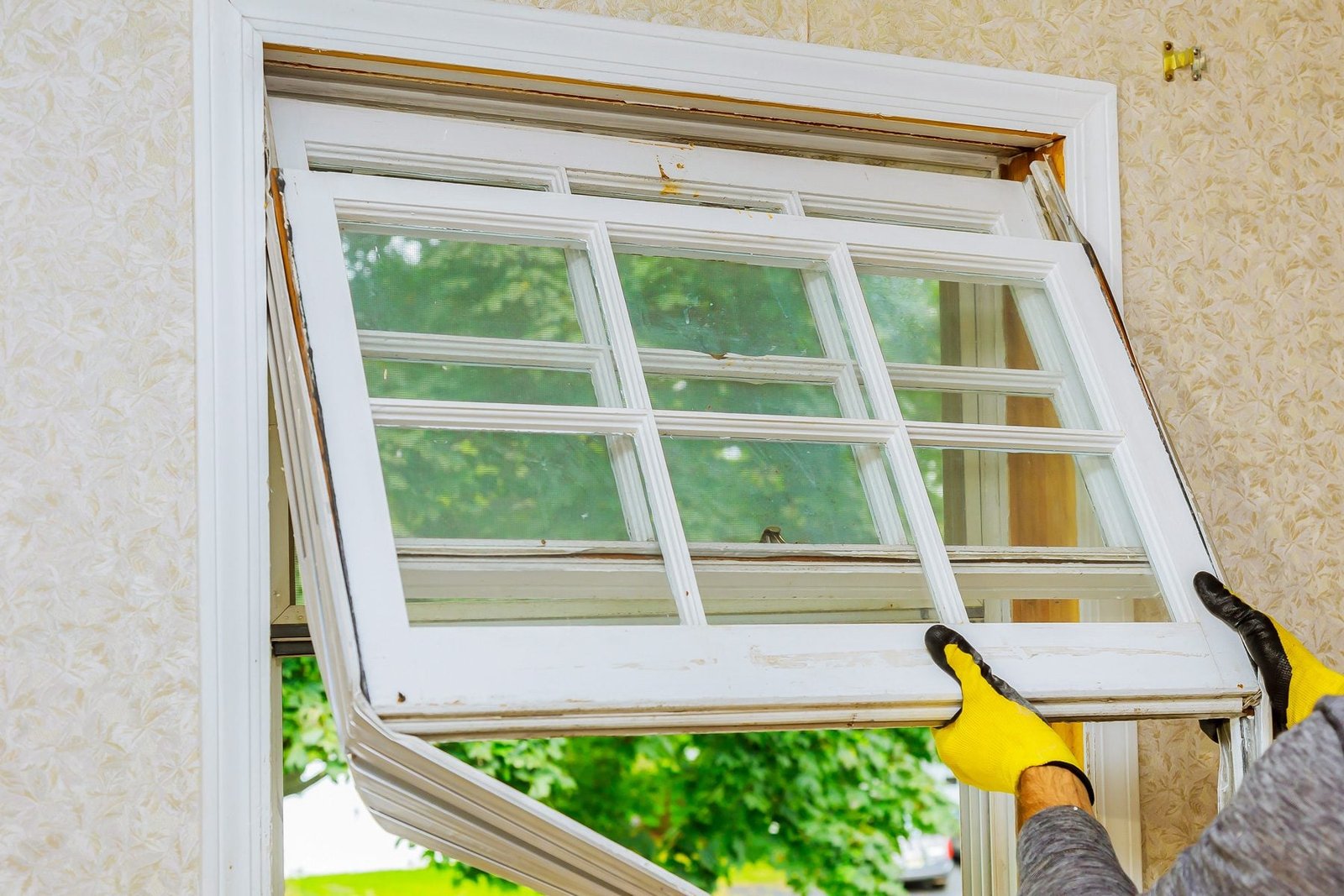
Lift the lower sash up to its halfway position. On each side of the sash, you’ll see a small tilt latch (a plastic tab) near the top corners. Slide both latches inward simultaneously, then tilt the bottom of the sash toward you. The sash will pivot inward on the pivot pins. Lay it gently against the interior wall or hold it steady.Step 2: Locate the Pivot Pins and Balance Shoes
At the bottom corners of the sash, you’ll see two pivot pins — small cylindrical pegs that insert into balance shoes (a metal or plastic channel piece that rides inside the window frame’s side channel). If the sash jumped track, one or both pivot pins have pulled out of the balance shoe. Look into the side channels of the window frame to locate the balance shoes — they should be visible as a sliding metal piece inside the channel.Step 3: Reposition the Balance Shoes
Using a flathead screwdriver, slide the balance shoes to the correct height. For the lower sash, the shoes should be positioned at roughly the same height on both sides when the sash is held horizontally. If the shoes are spring-loaded (spiral balancers), they may have rotated — insert a flathead screwdriver into the slot on the shoe and rotate clockwise to add tension, or counterclockwise to reduce it, until the shoe sits level.Step 4: Reseat the Pivot Pins
Hold the sash at a slight inward tilt. Line up the pivot pin at the bottom corner of the sash with the slot in the balance shoe. Press firmly inward and downward until you feel the pin click or seat into the shoe. Repeat on the opposite side. Both pins must be fully engaged before you try to tilt the sash back upright.Step 5: Tilt the Sash Back Upright and Test
Once both pivot pins are seated, tilt the sash back to the vertical position. The tilt latches should snap back into place. Slide the sash up and down through its full travel range — it should move smoothly with even resistance on both sides. If one side feels heavier or drops, the balance shoe tension may need adjustment.Step 6: Lubricate the Tracks
Spray a light coat of silicone lubricant into the side channels (not WD-40, which attracts dust and degrades plastic). Slide the sash up and down several times to spread the lubricant evenly. Wipe away any excess with a dry cloth.
How to Fix a Sliding Window Off Track
Step 1: Remove the Sliding Panel
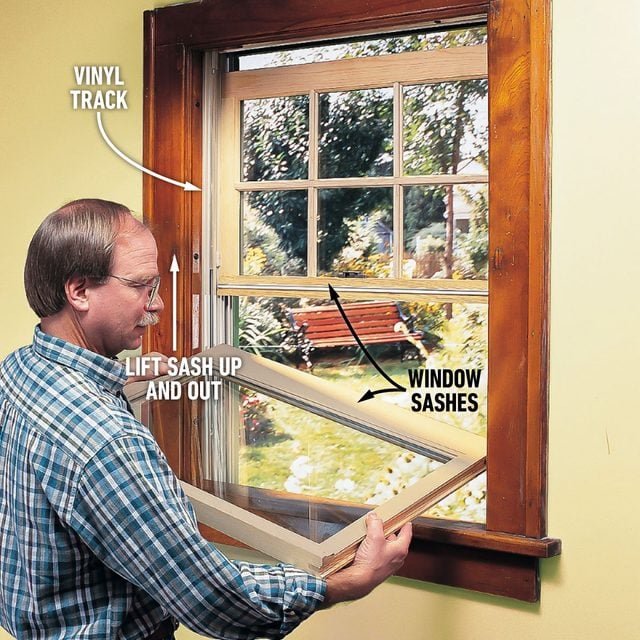
Slide the panel to the center of the opening. Lift the panel straight up — most sliding window panels have enough vertical clearance to lift the bottom rollers above the track when the panel is raised fully. Once the bottom is clear, angle the bottom of the panel toward you and lift it free of the top channel. Set the panel on a clean, padded surface.Step 2: Clean the Track Thoroughly
Use a stiff brush or old toothbrush to dislodge dirt, debris, and hardened lubricant from the bottom track. Vacuum out the loosened material. Repeat along the top channel. A clean track is the single most effective fix for a sliding window that keeps jumping off.Step 3: Inspect and Replace the Rollers
Turn the panel over and locate the rollers at the bottom edge — typically two per panel, one near each end. They are usually held in place by a single Phillips screw. Check each roller: they should spin freely and smoothly. If a roller is cracked, flat-spotted, or seized, unscrew it and take it to a hardware store or window supply shop to match the replacement. Roller sizes are typically stamped on the housing or noted in your window manufacturer’s documentation.Step 4: Adjust the Roller Height
Most sliding window rollers have a height-adjustment screw that raises or lowers the roller relative to the panel frame. Turning the screw clockwise lowers the panel (raises the roller housing into the frame), counterclockwise raises the panel. Adjust both rollers evenly so the panel sits level and the bottom just clears the track surface when lifted.Step 5: Reinstall the Panel
Insert the top edge of the panel into the top channel at a slight angle, then lower the bottom into the track. Make sure both rollers are sitting squarely in the track groove. Slide the panel back and forth — it should glide with light, even effort. If it still sticks or hops, check that the rollers are seated and the track is clear of any missed debris.Step 6: Lubricate the Track
Apply silicone spray to the bottom track and top channel. Avoid oil-based lubricants — they collect dirt and gum up plastic rollers over time. Slide the panel several times to distribute the lubricant, then wipe away the excess.
Fixing a Bent Track
If the aluminum or vinyl track itself is bent, you have two options. For minor bends in aluminum tracks, use needle-nose pliers to carefully bend the track back to its original shape. Work slowly — aluminum kinks easily and can crack if over-flexed. For vinyl tracks that are warped from heat, replacement is almost always preferable to bending. Most vinyl tracks clip or screw into the window frame and can be swapped out for an exact-match replacement from the window manufacturer.Pro Tips and Common Mistakes
- Never use WD-40 on window tracks: It’s petroleum-based and attracts dust, which turns into a gummy paste that makes sliding worse within weeks. Use only silicone-based lubricants.
- Check both sides when reseating double-hung sash: A sash that tilts and won’t go level usually has one pivot pin seated and one still out. Check both bottom corners before assuming the job is done.
- Don’t force a dragging window: Forcing a stuck window is how tracks get bent and rollers crack. Stop, diagnose, clean, and lubricate before applying force.
- Label your replacement rollers: If you need to source replacement rollers, take a photo of the old roller’s stamp or label before discarding — matching the exact size matters for proper track engagement.
- Clean tracks seasonally: Dirt and grit are the number one cause of windows jumping track. A quick vacuum and wipe every spring prevents most off-track problems entirely.
Troubleshooting