
Metal doors attract different problems depending on the material: steel doors develop rust streaks and paint oxidation, aluminum doors oxidize and pit, and wrought iron doors collect rust in crevices and lose their finish. Each needs a slightly different approach, but the basic sequence is the same — soft cleaning solution first, targeted treatment for rust or oxidation, then a protective finish. This guide covers all three in one place.
What You’ll Need
| Tools | Cleaning Agents and Materials |
|---|---|
| Soft-bristle brush (not metal) | Dish soap and warm water |
| Microfiber cloths or soft rags | White vinegar (for oxidation and light rust) |
| Bucket | Baking soda paste (for surface rust) |
| Garden hose (or spray bottle) | Naval jelly or rust remover (for heavy rust) |
| Fine-grit sandpaper or steel wool (#0000) | Car wax or paste wax (for steel and aluminum) |
| Rubber gloves | Rustoleum or metal primer (for bare spots) |
| Painter’s tape | Matching exterior paint |
Safety and Precautions
- Never use abrasive scrubbers or steel wool on painted surfaces. Metal pads and stiff-bristle scrubbers scratch paint and clear coats. Use soft microfiber cloths or soft-bristle brushes for all washing. Only use fine steel wool on rust spots that require it.
- Wear rubber gloves when using rust removers or naval jelly. These products contain phosphoric or oxalic acid, which can irritate skin and stain clothing. Work in a ventilated area and rinse thoroughly.
- Don’t leave cleaning solutions on the door surface long-term. Even mild dish soap can damage some painted finishes if left to dry on the surface. Apply, clean, and rinse within a few minutes.
Step 1: Rinse and Initial Wash
Remove Loose Dirt Before Any Scrubbing
- Rinse the door with a garden hose or a spray bottle filled with plain water to remove loose dirt, dust, and debris. This prevents dragging grit across the surface during washing, which can scratch the finish.
- Mix a few drops of dish soap in a bucket of warm water. Using a soft-bristle brush or microfiber cloth, wash the entire door from top to bottom in small sections.
- Pay extra attention to the bottom third of the door — this area collects the most dirt, water splash, and oxidation.
- Rinse thoroughly with clean water and allow the door to air dry or wipe with a clean microfiber cloth.
Step 2: Clean a Painted Steel Door
Remove Oxidation and Protect the Paint
Most residential exterior steel doors have a baked-on paint finish over galvanized steel. Over time, the paint oxidizes (chalks), loses gloss, and develops thin rust streaks at scratches or seams.
- After the initial wash and rinse, inspect the surface for rust streaks, scratches, or areas where the paint has lifted or chipped.
- For chalky oxidation (the finish feels dull and leaves white residue on your finger): apply a car wash compound or diluted white vinegar to a soft cloth and rub in circular motions. This removes the dead oxidized layer and restores some gloss.
- For surface rust at scratches: apply a paste of baking soda and water to the rust spot. Let it sit 5 minutes, then scrub with a soft brush. For stubborn rust: use a rust converter product (apply with a brush, wait 15–30 minutes until rust turns dark, rinse off).
- Sand any raised rust edges with 220-grit sandpaper until smooth, then wipe the area clean with a dry cloth.
- Apply a spot coat of metal primer to any bare metal areas, let dry, then touch up with matching exterior paint.
- Apply a coat of paste car wax to the entire door surface after cleaning and any touch-up work. Wax provides UV protection and creates a barrier against moisture — extending the time between cleanings.
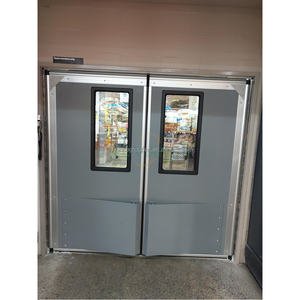
Step 3: Clean an Aluminum Door
Remove Oxidation Without Scratching
Aluminum doors don’t rust but do oxidize — forming a dull white or gray powdery layer on the surface. This is aluminum oxide, which is actually protective but looks unsightly. Removing it restores the original appearance.
- After the initial soap wash and rinse, mix equal parts white vinegar and water in a spray bottle. Spray onto oxidized areas and let sit 3–5 minutes.
- Scrub with a soft-bristle brush or microfiber cloth in the direction of the metal grain (usually vertical). Avoid circular scrubbing, which can create swirl marks on bare aluminum.
- For heavily oxidized aluminum: use a commercial aluminum cleaner or a paste of cream of tartar and water. Apply, let sit, and scrub gently.
- Rinse thoroughly and dry with a clean cloth. Aluminum left wet in outdoor conditions can re-oxidize quickly.
- Apply a coat of automotive aluminum polish (such as Mothers Aluminum or similar) and buff to a shine. Follow with a coat of paste wax to seal the surface and slow future oxidation.
Step 4: Clean a Wrought Iron Door
Treat Rust Before It Penetrates the Metal
Wrought iron doors (common in Mediterranean and Spanish-style homes) have intricate shapes that trap moisture in crevices, making them particularly prone to rust. Regular cleaning and re-sealing is essential.
- After the initial wash, inspect every crevice, weld joint, and textured area carefully. These are where rust develops first.
- Use a wire brush or #0000 steel wool on rust spots only. Scrub away all visible rust until you reach bare metal. Be thorough — any rust left under the new finish will continue to grow.
- Apply naval jelly to any persistent rust pits: spread with a brush, wait 15 minutes, then rinse off with water. Naval jelly converts iron oxide to ferric phosphate, which doesn’t continue to rust.
- After rust treatment, wipe the entire door dry and apply a metal primer to all bare areas. Let the primer cure per the label.
- Apply one or two coats of oil-based metal paint or Rustoleum finish to the full door. Wrought iron doors benefit from full re-coating every 2–3 years, not just spot treatment.
- Apply a coat of carnauba paste wax to sealed areas (not bare metal) for additional protection and to restore sheen.
Step 5: Clean Metal Door Hardware
Handles, Knockers, Mail Slots, and Hinges
Metal hardware on doors often has a different finish than the door itself — brushed nickel, brass, oil-rubbed bronze, or chrome. Use cleaners appropriate to the finish.
- Mask off hardware with painter’s tape if you’re cleaning the door with any product that might stain the hardware finish.
- For brushed nickel and chrome: wipe with a damp microfiber cloth. Remove water spots with white vinegar on a cloth, then buff dry.
- For brass: apply a commercial brass cleaner, or mix equal parts flour, salt, and white vinegar into a paste. Apply with a cloth, rub gently, rinse with water, and buff dry.
- For oil-rubbed bronze: clean with a damp cloth only — no vinegar or abrasives, which strip the dark patina. Reapply a thin coat of car wax to maintain the finish.
- Lubricate hinges with a dry silicone spray or a drop of 3-in-1 oil — not on the door face, just on the hinge pin — to prevent squeaking.
Pro Tips and Common Mistakes
- Wax after every cleaning session. Car wax or paste wax is the single best protective coating for exterior metal doors. It repels water, slows oxidation, and makes the next cleaning much easier. Apply it every time you deep-clean the door.
- Address rust immediately — don’t wait. Surface rust on a steel door takes 15 minutes to treat. The same rust left for a year can penetrate through the metal panel, requiring costly replacement. Catch it early.
- Don’t pressure wash a metal door. High-pressure water forces water into seams, behind weatherstripping, and into the door’s insulation core. A garden hose on a gentle setting is sufficient.
- Clean the door bottom edge and top edge too. The top and bottom edges of exterior doors are often never cleaned or sealed and are the most exposed to moisture. Check and touch up paint on these edges annually.
Troubleshooting
| Problem | Likely Cause | Fix |
|---|---|---|
| Rust returns within a few months | Bare metal not fully primed before painting | Sand to bare metal, apply metal primer, repaint |
| White streaks on aluminum after rain | Oxidation or hard water deposits | Treat with vinegar solution; apply paste wax |
| Paint peeling at bottom of steel door | Moisture trapped at unsealed bottom edge | Sand, prime, and repaint bottom edge; check drainage |
| Dark stains that won’t come off | Tannin or organic staining | Try diluted oxalic acid cleaner; test on small area first |
| Hardware finish tarnishing or staining | Wrong cleaner used for finish type | Use finish-specific cleaner; protect with appropriate wax |
Frequently Asked Questions
What is the best way to clean a painted steel exterior door?
A gentle soap-and-water wash followed by a vinegar solution for oxidized areas, spot treatment for any rust with baking soda or rust converter, and a final coat of paste car wax for protection. Avoid pressure washers and abrasive scrubbers, which damage the paint finish.
How do I remove rust from a steel door without damaging the paint?
For surface rust at scratches: apply a baking soda paste, let sit 5 minutes, and scrub gently with a soft brush. For deeper rust spots: apply a rust converter product, let it work, rinse, then prime and touch up with matching paint. Only use sandpaper or steel wool on the actual rust area — not on painted surfaces around it.
Can I use WD-40 to clean my metal door?
WD-40 can displace moisture and loosen surface rust temporarily, but it leaves an oily residue that attracts dirt and looks greasy on a door surface. For the door face, stick with soap and water and apply paste wax for protection. Save WD-40 for hinges and hardware — not the door face.
How often should I clean and wax an exterior metal door?
Wash with soap and water every 1–3 months depending on weather exposure and location. Inspect for rust and treat immediately when found. Apply paste car wax at least twice a year — spring and fall are good timing. Full repaint of wrought iron every 2–3 years.
Why does my aluminum door have white spots?
White spots or a white powdery residue on an aluminum door is aluminum oxide — a natural oxidation product. It’s not structurally harmful but looks dull. Remove it with a white vinegar solution and a soft cloth, then seal with aluminum polish and paste wax to slow future oxidation.
Conclusion
Keeping a metal door clean comes down to catching problems early — waxing before rust can form, treating rust immediately when it appears, and using the right cleaning product for each metal type. Paste car wax applied after every deep clean is the single most effective maintenance step you can take for any exterior metal door. It takes 10 minutes and can add years to the life of the finish.
If your door has developed any alignment or hardware issues alongside the surface wear, check our guide on how to adjust door hinges for any hinge creep, or see our full weatherproofing guide on how to seal and weatherproof a door to complete the maintenance while you have everything out.
