How to Clean Black Mold In A Shower: A Complete Guide

Safely clean shower mold by matching the cleaner to the surface, removing visible growth, drying thoroughly, and fixing the moisture source.

Safely clean shower mold by matching the cleaner to the surface, removing visible growth, drying thoroughly, and fixing the moisture source.
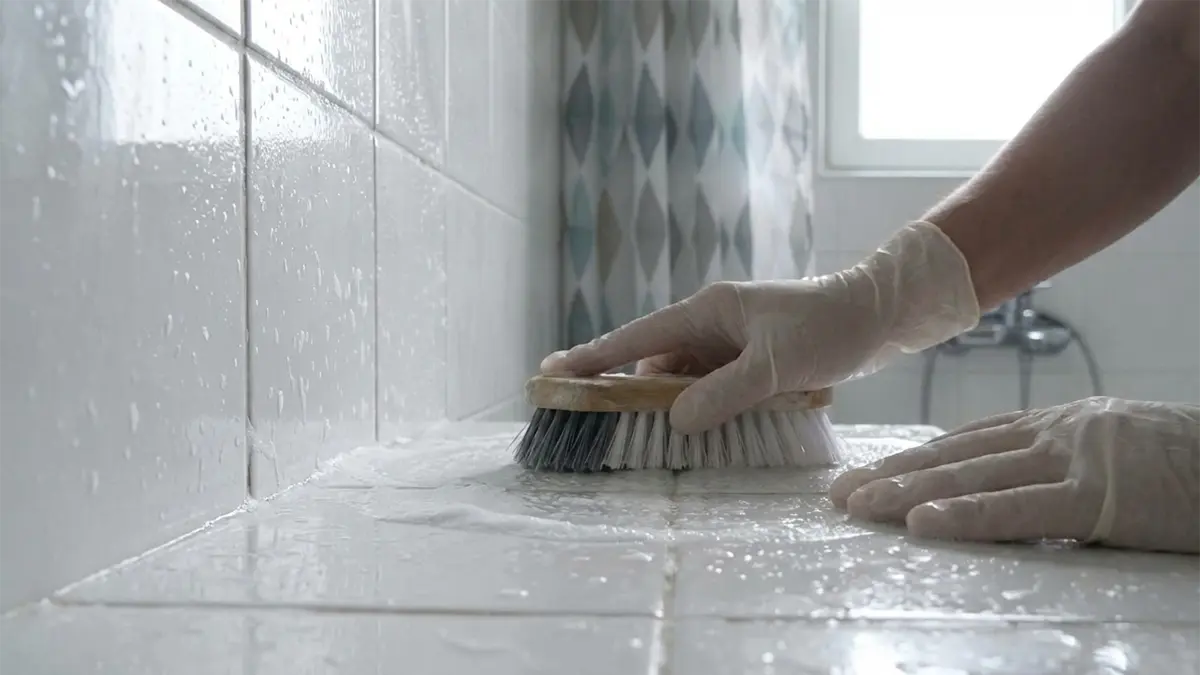
How to clean bathroom tile safely starts with identifying the tile material. Ceramic, porcelain, natural stone, vinyl, and other surfaces can require different care. Use the manufacturer’s instructions when available. Remove loose debris, use a compatible cleaner with a soft tool, rinse away residue, and dry the surface. Basic Method Clear loose dirt. Use a … Read more
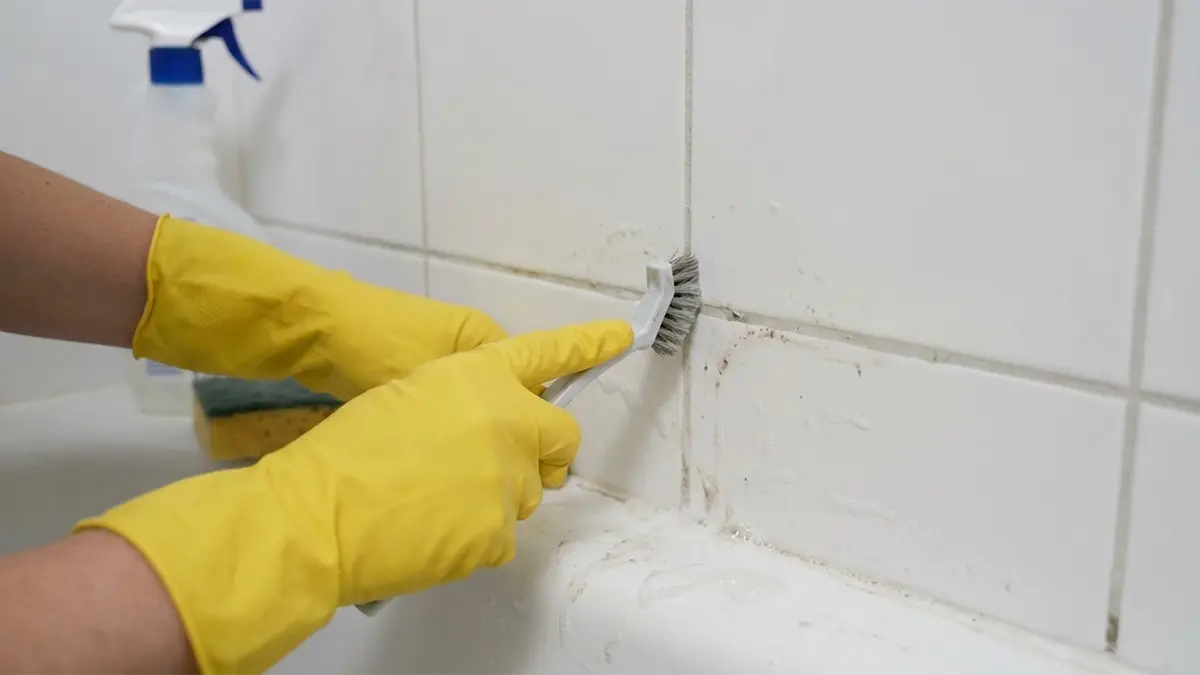
How to clean grout in a shower safely depends on the grout type and surrounding tile. Cement grout, epoxy grout, natural stone, ceramic, and porcelain can require different care. Start with a cleaner recommended by the grout or tile manufacturer. Use a nylon grout brush, rinse thoroughly, and dry the area after cleaning. Step-by-Step Method … Read more
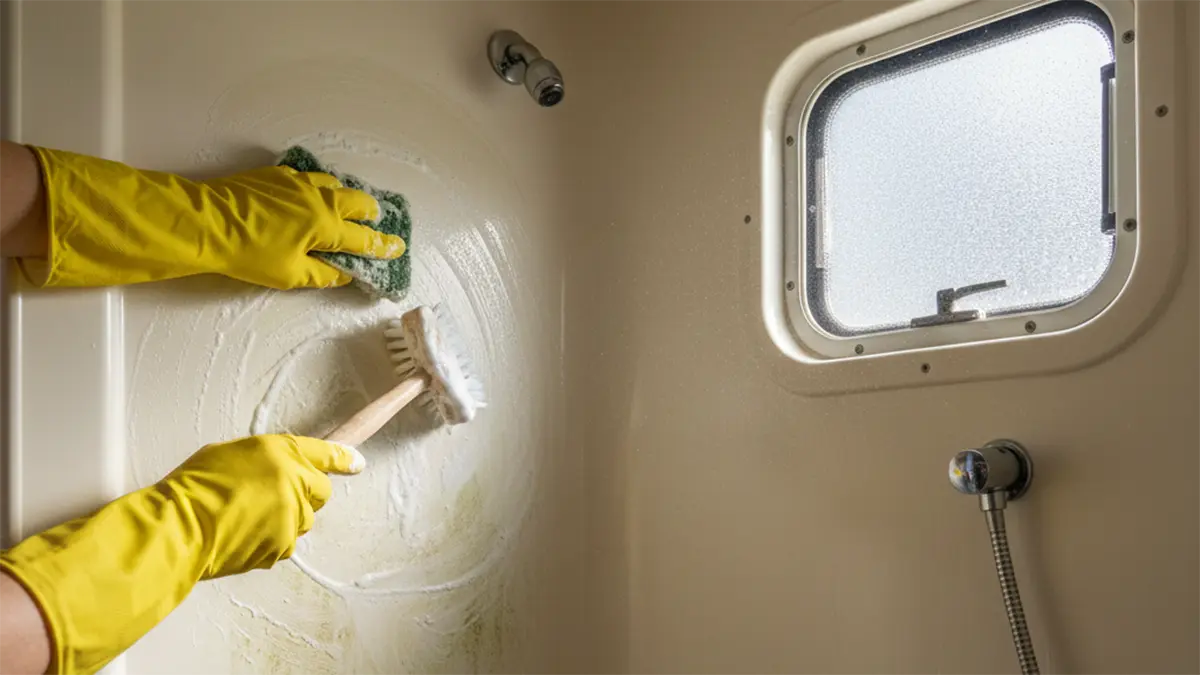
How to clean an RV shower safely starts with identifying the shower material. RV showers may use fiberglass, acrylic, plastic, gelcoat, tile, or stone, and they do not all tolerate the same cleaners. Use the RV or component manufacturer’s care instructions when available. For routine cleaning, use a mild cleaner confirmed safe for the actual … Read more

Related Articles How to Remove A Shower Drain: A Complete Step-by-Step Guide How to Remove Sliding Glass Shower Doors Safely and Efficiently How to Clean A Stone Tile Shower: A Complete Guide to Sparkling Results

How to clean a travertine shower safely comes down to one rule: treat travertine as acid-sensitive natural stone. Travertine is a calcareous stone, so vinegar, lemon juice, acidic bathroom cleaners, and many limescale removers can etch and dull the surface. For routine cleaning, use a neutral cleaner made for natural stone, a soft cloth or … Read more

How to clean a stone tile shower safely starts with identifying the stone. Marble, travertine, limestone, granite, quartzite, slate, and sandstone do not all react the same way to cleaners, acids, moisture, or abrasion. For routine cleaning, the safest baseline is a neutral cleaner made for natural stone, a soft cloth or non-abrasive sponge, thorough … Read more

How to clean a shower head safely depends on the shower head design, finish, and the type of buildup. Most weak or uneven spray problems are caused by mineral deposits around the nozzles, but the best cleaning method is not the same for every model. Start with the manufacturer’s care instructions whenever you can identify … Read more
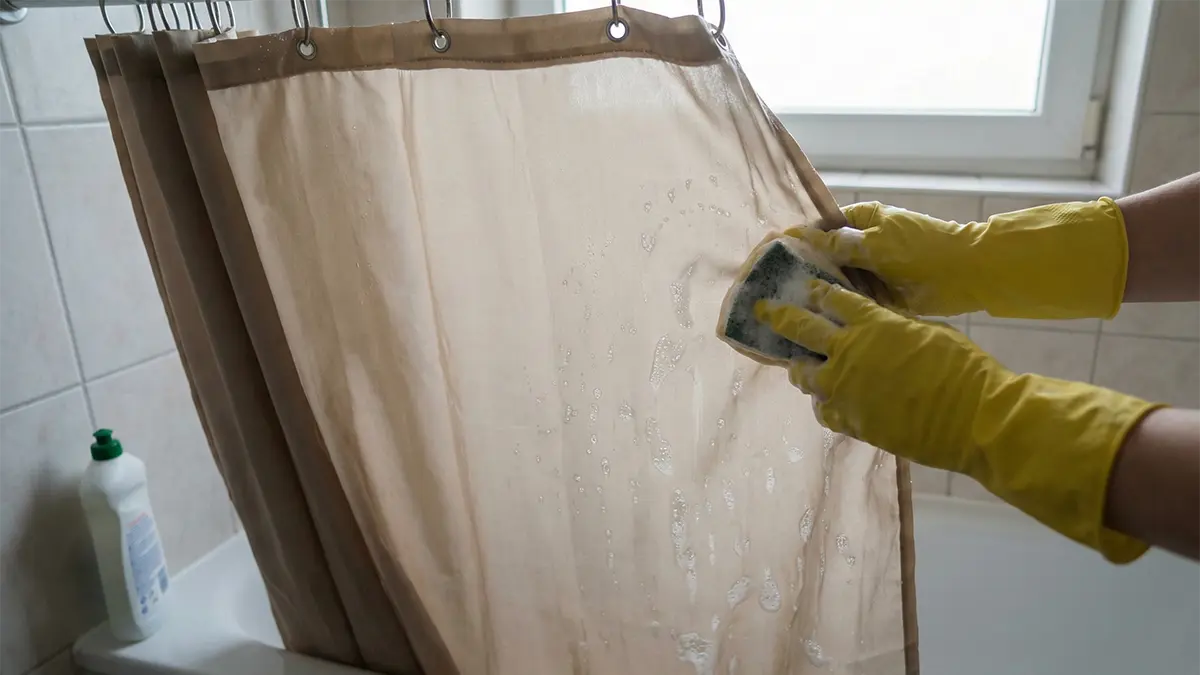
How to clean a shower curtain depends first on the material and its care label. A washable polyester curtain, a cotton decorative curtain, and a PEVA or vinyl liner may look similar in the bathroom but can have very different washing, temperature, bleach, and drying limits. Start by checking the sewn-in label or packaging instructions. … Read more