
Removing window tint from home windows or car glass comes down to one challenge: the adhesive that bonds the film to the glass. The film itself usually peels away in large sheets, but the adhesive layer left behind requires a separate treatment. This guide covers three removal methods — steam/heat, soap-and-scrape, and ammonia — and tells you which works best for home windows versus automotive glass, and for new versus old, degraded film.
What You’ll Need
| Tools | Materials |
|---|---|
| Hair dryer, heat gun, or fabric steamer | Dish soap and water |
| Plastic razor blade scraper | Ammonia (household ammonia or ammonia-based window cleaner) |
| Spray bottle | Adhesive remover (Goo Gone, 3M adhesive remover, or rubbing alcohol) |
| Clean microfiber cloths | Black garbage bags (for the ammonia method) |
| Safety glasses | Newspaper or drop cloth (to protect sill or car interior) |
| Rubber gloves | Glass cleaner (for the final polish) |
Safety and Precautions
- Work in a ventilated area when using ammonia. Ammonia fumes are irritating to eyes, nose, and throat. Open windows on the opposite side of the room, wear rubber gloves, and do not mix ammonia with any bleach-containing products — this creates toxic chloramine gas.
- Use a plastic razor blade, not a metal one, on home window glass. Metal razor blades scratch glass and most window frame materials. Plastic razor scrapers are widely available at hardware stores and do the job safely.
- Do not use ammonia on automotive tint that is embedded in the glass (defroster lines). The rear window defrost lines on many cars are printed on the inside glass surface or embedded in defroster strips. Aggressive ammonia treatment can damage these lines. Use the heat peel method only on the rear window.
Step 1: Determine the Film Age and Condition
New Film vs. Old Degraded Film — Different Approaches
- New or recently applied film (under 3–5 years): The film and adhesive are still together. Heat peeling lifts the film and most of the adhesive in one step. This is the fastest method.
- Old, bubbling, or purple-tinged film: The film has delaminated from the adhesive layer. The film peels away easily but leaves a stubborn, dried adhesive layer on the glass that requires more aggressive treatment.
- Metallized tint on home windows: Older home window tints often have a metallic layer that helps them come off in large sheets. Newer ceramic and dye-based films sometimes come off in smaller pieces.
Step 2: Method 1 — Heat Peel (Best for New Film)
Heat the Film to Soften the Adhesive, Then Peel
- Spray the window surface with a thin mist of soapy water (a few drops of dish soap in a spray bottle). This lubricates the surface and makes it easier to work a corner loose.
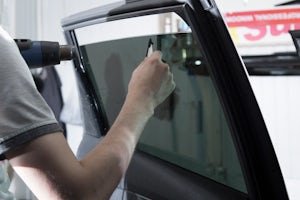
- Use a hair dryer on medium heat, held 2–3 inches from the glass. Heat a corner of the film for 30–60 seconds until you can see or feel the adhesive softening.
- Lift the corner with your fingernail or a plastic razor blade. Once you have a grip, peel slowly at a low angle (30–45 degrees) while continuing to apply heat just ahead of the peel line.
- Work across the film in steady, slow pulls. Fast peeling tears the film; slow peeling with continuous heat allows the adhesive to release cleanly.
- If the film tears, re-heat the torn edge and start a new peel from that point.
- After the film is removed, spray the glass with adhesive remover or rubbing alcohol and wipe off any remaining adhesive residue. A plastic scraper helps with stubborn spots.
Step 3: Method 2 — Soap and Scrape (For Stubborn Residue)
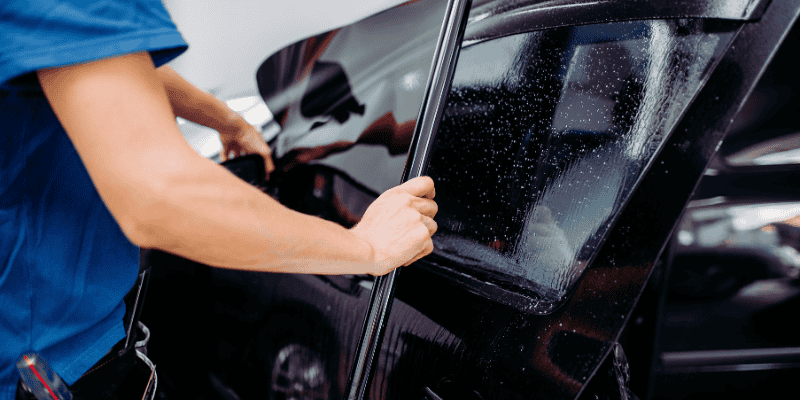
After the Film Is Gone — For Tackling the Leftover Adhesive
- Spray a generous amount of diluted dish soap solution over the adhesive residue on the glass.
- Let it soak for 3–5 minutes to soften the adhesive.
- Use a plastic razor blade at a low angle (15–20 degrees) to scrape the adhesive off the glass. Work in one direction — don’t scrub back and forth, which can redistribute the adhesive rather than removing it.
- Wipe away scraped-off adhesive with a damp cloth, re-spray, and continue until the glass is clean.
- Finish with rubbing alcohol on a microfiber cloth to remove the last traces of adhesive residue.
- Clean the glass with standard glass cleaner and a clean cloth.
Step 4: Method 3 — Ammonia Method (Best for Old, Bubbled Film)
Traps Ammonia Fumes to Dissolve the Adhesive
The ammonia method is highly effective on old, degraded film where the adhesive has hardened and doesn’t respond to just heat. It’s most practical for flat home windows (not curved automotive glass).
- Cut a black garbage bag to the same size as the window pane. On a sunny day, this works best — the sun heats the black plastic, amplifying the ammonia effect.
- Spray plain water on the interior glass surface and press the garbage bag against it — it will cling to the wet glass. This protects the interior from ammonia overspray.
- On the exterior side (or interior side if working from inside), spray the film generously with undiluted household ammonia. Immediately press a second garbage bag against the ammonia-wet film and seal it with tape around the edges to trap the fumes.
- Leave the ammonia-soaked bag in place for at least 30 minutes — 1 hour or longer for very stubborn film.
- Peel back the garbage bag and begin peeling the film. The ammonia will have dissolved most of the adhesive and the film should peel away cleanly.
- Remove remaining adhesive with a plastic scraper and rubbing alcohol. Clean with glass cleaner.
Step 5: Clean the Glass After Removal
Final Polish for Clear, Clean Glass
- After all film and adhesive is removed, clean the glass thoroughly with a quality glass cleaner and a lint-free microfiber cloth.
- Inspect at an angle in direct light — any remaining adhesive will appear as a slight haze or tacky texture. Treat any remaining spots with rubbing alcohol.
- For home windows: clean the window frame as well, as ammonia or adhesive remover may have dripped onto the frame surface. Wipe with a damp cloth and dry thoroughly.
Pro Tips and Common Mistakes
- Don’t rush the peel. The single most common mistake is peeling too fast. Fast peeling tears the film into small pieces and leaves more adhesive behind. Slow and steady — with continuous heat just ahead of the peel — removes large sections with minimal residue.
- Use a plastic scraper, never metal on the glass face. Metal razor blades will scratch glass in most conditions. Plastic blades are just as effective on adhesive and won’t scratch.
- Don’t use ammonia on rear window defrost lines. The ammonia can lift or damage the heating element lines printed on the rear window glass. Use the heat peel method only on rear automotive glass.
- Test a small area first. On home windows, test the heat and adhesive remover on a corner before doing the full pane, to confirm the frame and sill materials won’t be damaged.
Troubleshooting
| Problem | Likely Cause | Fix |
|---|---|---|
| Film tears into small pieces | Film is old or peeling too fast without heat | Apply more heat; peel slower; try ammonia method |
| Adhesive haze remains after film removal | Adhesive layer left on glass | Apply rubbing alcohol or adhesive remover; scrape gently with plastic blade |
| Smearing instead of removing adhesive | Scraping in two directions | Scrape in one direction only; wipe away residue, re-spray, repeat |
| Film comes off but leaves a tinted layer | Old film with separated dye layer on glass | Spray with rubbing alcohol; let soak and scrape with plastic blade |
| Scratches appeared on glass | Metal razor blade used, or hard particles dragged across glass | Use only plastic blades; rinse glass before scraping to remove grit |
Frequently Asked Questions
Does window tint removal damage the glass?
Done correctly with plastic scrapers and appropriate solvents, window tint removal does not damage the glass surface. The risk of damage comes from metal razor blades, abrasive scrubbers, or forcing a brittle cold film to peel without heat. Wet the glass, use heat to soften the adhesive, and use only plastic tools.
Can I remove window tint from home windows myself?
Yes — home window tint removal is a straightforward DIY project. The heat peel method works well on newer film, and the ammonia method handles old, bubbled, or degraded film effectively. The full job for a standard window takes 30–60 minutes including adhesive cleanup.
What removes window tint adhesive from glass?
The most effective options are: rubbing alcohol (isopropyl 70% or higher), commercial adhesive remover (Goo Gone, 3M Adhesive Remover), or undiluted household ammonia. Rubbing alcohol is the safest and least damaging to surrounding frame materials. Always follow with glass cleaner for a clear, streak-free finish.
How long does it take to remove window tint?
For a single home window pane using the heat peel method: 20–30 minutes including adhesive cleanup. Using the ammonia method (for old film): 1–2 hours including soak time. For a full car: 2–4 hours depending on film age and the number of windows.
Will removing window tint leave scratches?
Only if you use metal tools or drag abrasive particles across the glass surface. Use plastic razor blades exclusively. Wet the glass thoroughly before scraping to float grit away from the surface. Rinse and re-spray frequently during scraping to prevent particles from accumulating under the blade.
Conclusion
Window tint removal is a two-step job: lift the film, then remove the adhesive. New film responds well to heat peeling, while old, degraded film is best handled with the ammonia soak method. The adhesive step requires patience — take your time with rubbing alcohol and a plastic scraper and the glass will come clean without scratching. A clean final polish with glass cleaner reveals the result.
Once the tint is removed, you can install new window film or insulation film to suit your current needs — see our guide on how to install window insulation film for the winter insulation option. And if the window frames need attention after the project, our guide on how to clean aluminum window frames covers the frame restoration process.
