
Wobbly furniture is almost never the furniture’s fault — it’s almost always the floor. Most tables, chairs, dressers, and cabinets have one short leg or sit on an uneven floor, and the fix is straightforward. You don’t need to cut the legs down or buy new furniture. In most cases, adjustable glides, felt pads, or wedge shims solve the problem in under 10 minutes. Here’s how to diagnose the wobble and fix it correctly for each furniture type.
What You’ll Need
Tools
- Carpenter’s level (bubble level) or level app on smartphone
- Ruler or tape measure
- Pencil or chalk
- Flathead screwdriver
- Pliers
- Drill (for installing threaded leveling feet)
Materials — Choose Based on Problem Type
- Adjustable furniture leveling glides (threaded or non-threaded)
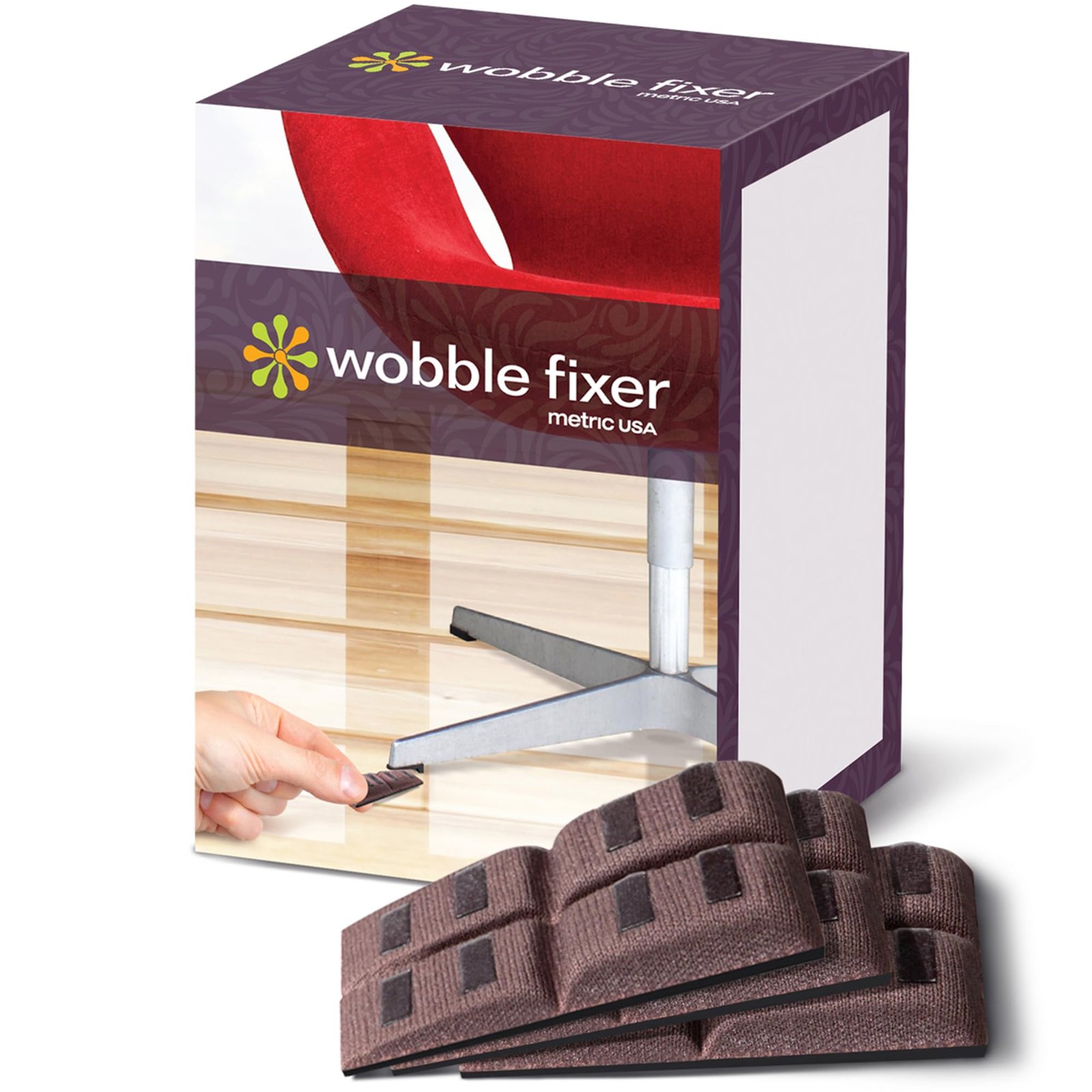
- Felt furniture pads (self-adhesive, various thicknesses)
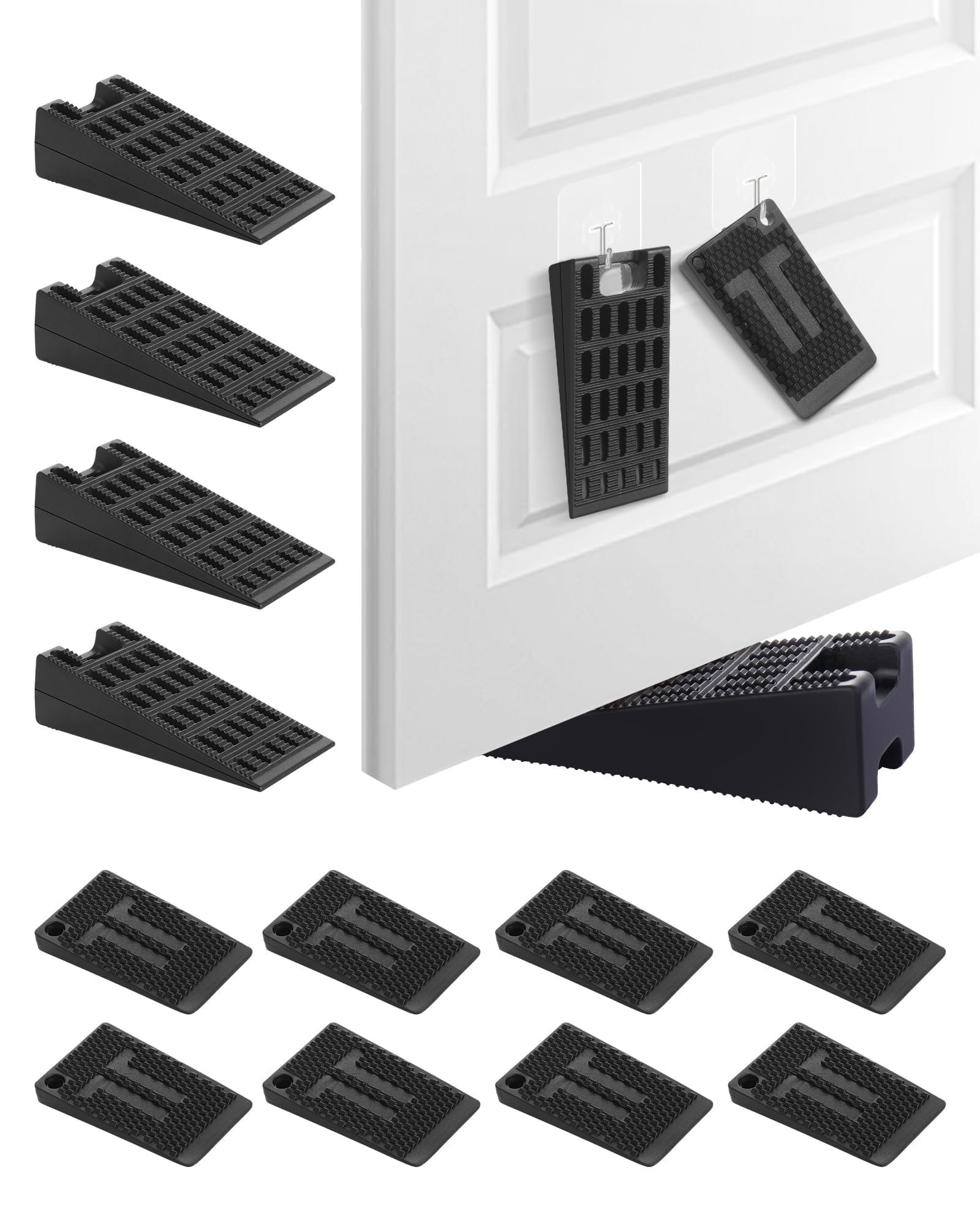
- Furniture shims (wood or plastic wedge shims)
- Cork sheets (cut-to-fit padding for fine furniture)
- Rubber furniture feet (for grip and leveling)
- Wood glue and saw (for trimming a long leg, if needed)
Safety and Precautions
- Empty furniture before leveling — a loaded bookcase or cabinet is heavy and can tip during adjustment.
- On hard floors, check that leveling solutions won’t scratch the floor surface — use felt-bottomed glides or pads on hardwood and tile.
- Tall furniture (bookcases, armoires, cabinets) should be anchored to the wall in addition to leveled — a level piece still needs wall anchoring to prevent tip-over.
- For outdoor furniture on uneven ground, ensure leveling solutions are weather-resistant — standard felt pads deteriorate quickly outdoors.
Step 1 — Diagnose the Wobble: Floor or Furniture?
Place a carpenter’s level on the tabletop or along the furniture surface. If the bubble is off-center, the furniture is tilted. Now slide a piece of paper under each leg in turn — the leg where the paper slides easily with no resistance is the short leg (the one not fully touching the floor). Mark it. If the level shows the furniture is level but it still wobbles, the problem is an uneven floor — two legs are lower than the other two, creating a rocking motion. Both problems have easy solutions.
Step-by-Step: How to Level Furniture
Step 1 — Measure the Height Difference
To determine how much height you need to add, slide a ruler under the short leg (the one that lifts off the floor). The gap measurement tells you exactly how thick your leveling solution needs to be. For most wobbly furniture, the gap is 1/16 inch to 1/4 inch — small enough to fix easily with adhesive pads. Gaps larger than 1/4 inch may need adjustable leveling feet or multiple stacked pads.
Step 2 — Fix a Single Short Leg with Felt Pads
The easiest solution for a single short leg is building up its height with self-adhesive felt furniture pads. These come in various thicknesses (1/8 inch, 3/16 inch, 1/4 inch). Stick one pad to the bottom of the short leg and test — place the furniture back on the floor and check for wobble. Add additional layers of pads if needed until the wobble is gone. Felt pads also protect your floor from scratches, making this solution ideal for hardwood floors. For outdoor furniture, use rubber feet pads instead — felt deteriorates outdoors.
Step 3 — Install Adjustable Leveling Glides for Permanent Fix
Adjustable leveling glides are threaded feet that screw in or out to fine-tune leg height. They’re the most robust long-term solution for wobbly furniture because they can be readjusted as the floor or furniture changes over time. Most come in two types: threaded inserts that screw into the bottom of the leg with a pilot hole, and surface-mount glides that attach with a screw to the bottom of the leg. To install: drill a pilot hole in the center of the leg bottom (sized to match the insert), screw in the insert, then thread the glide foot into the insert. Turn the glide foot clockwise to lower it (lengthen the leg), counterclockwise to raise it. Adjust until the furniture sits level and stable.
Step 4 — Fix Rocking on an Uneven Floor with Furniture Shims
If two diagonal legs are high and two are low — the rocking pattern — the problem is an uneven floor, not a short leg. Furniture shims (thin wedge-shaped pieces of plastic or wood) are designed exactly for this situation. Slide a shim under the low corner legs until the rocking stops. Trim any visible shim overhang with a utility knife. For a cleaner look, drive the shim slightly inward so it’s hidden under the furniture. Carpet-floor furniture can use rubber wedge shims that grip carpet fibers without sliding.
Step 5 — Level Tall Furniture Against an Uneven Wall
Bookcases, wardrobes, and cabinets that sit against a wall need to be both level side-to-side and plumb front-to-back. Use a carpenter’s level on the top surface to check side-to-side level, then hold the level vertically against the front face to check plumb. Adjust the leveling feet (most tall furniture has threaded leveling feet built in) until both checks show level. For furniture without adjustable feet, use felt pad stacks on the low side until the piece is level. Once level, anchor to the wall using L-brackets and wall anchors — this is non-negotiable for safety on tall furniture.
Step 6 — Fix a Chair that Wobbles on All Four Legs
A chair that rocks even on a flat floor has a structural problem — one leg is actually shorter than the others, not just resting on an uneven floor. To measure which leg is short: set the chair on a known flat surface (a piece of plywood or glass on the floor) and check. The gap under one leg is the amount to add. Build up the short leg with felt pads stacked to the correct height, or use a rubber bumper cut to the right thickness. For a permanent fix on a dining chair, sand or plane the longest leg down slightly to match the shorter one — measure carefully and remove material in small increments, re-checking on the flat surface after each pass.
Step 7 — Level a Cabinet or Appliance on an Uneven Floor
Built-in style cabinets and appliances (dishwashers, refrigerators, washing machines) have adjustable front leveling legs accessed from the front — they typically extend from the base and are turned by hand or with a wrench. For freestanding furniture cabinets without built-in leveling feet, install adjustable leveling glides in all four legs (see Step 3) and adjust each foot independently until the cabinet is level. Check with a bubble level placed both side-to-side and front-to-back on the top surface.
Step 8 — Verify Level and Test Stability
After any leveling adjustment, place a bubble level on the top surface and verify it shows level in both directions. Then gently push the furniture from multiple sides to test stability — a properly leveled piece should not rock or shift. For tables, set a glass of water on top and check that it sits flat without tipping. For chairs, sit in them and shift your weight to each side — no rocking means the leveling is complete.
Pro Tips for Leveling Furniture
- Check the floor first with a long level before diagnosing the furniture — many “wobbly furniture” problems are actually “wavy floor” problems, especially in older homes.
- For very fine furniture, use cork sheet cut to the exact footprint of the leg bottom rather than self-adhesive felt — cork compresses slightly to conform to minor irregularities and is gentler on fine finishes.
- Label your shims with a pencil mark on the inside — when the furniture is moved for cleaning, you can replace them in exactly the right positions.
- Adjustable glides are worth the investment for any furniture you own long-term — they accommodate seasonal wood movement and minor floor changes without needing replacement.
Common Mistakes to Avoid
- Folding cardboard under legs: Cardboard compresses, shifts, and deteriorates quickly. Use proper furniture pads or shims that maintain their shape over time.
- Adding pads to all four legs: If only one leg is short, adding pads to all four doesn’t fix the wobble — it just raises the entire piece. Add pads only to the short leg(s).
- Ignoring structural joint wobble: If the furniture wobbles because of loose joints (not an uneven leg), no amount of shimming helps — the joints need to be re-glued first.
- Over-adjusting on one side: Leveling glides can be over-extended, leaving a single long leg that creates a new wobble in the opposite direction. Adjust incrementally and check level frequently.
Frequently Asked Questions
How do I know if my floor is uneven or if the furniture leg is short?
Move the furniture to a different spot in the room and check if it still wobbles. If the wobble stops or changes character in a new location, the floor is the problem. If the wobble is identical everywhere, the furniture has a short leg. You can also check with a long straightedge or level placed on the floor to measure floor variation.
What is the easiest way to stop a wobbly dining table?
The fastest fix for a wobbly dining table is self-adhesive felt furniture pads on the short leg. Identify the short leg by sliding a piece of paper under each leg — where the paper slides easily, that leg isn’t touching the floor. Stack felt pads under that leg in 1/8-inch increments until the wobble stops. Total fix time: five minutes.
Can I shorten a leg to fix a wobbly table?
Yes, but it’s a last resort — once you cut a leg, you can’t un-cut it. Only shorten a leg if you’ve confirmed the leg is genuinely longer than the others on a flat surface. Mark the amount to remove with a pencil line using a combination square, then cut with a miter saw for a straight cut. Sand the cut end smooth. Shortening legs is most practical on tables without turned or tapered legs (which are difficult to cut and finish cleanly).
Why do my chair legs keep coming loose?
Chair leg wobble from loose joints is a structural problem. The wood glue holding the mortise-and-tenon or dowel joints has failed, usually from seasonal wood movement, previous over-loading, or simply age. Remove the loose leg completely, scrape out all old glue from both joint surfaces, apply fresh wood glue, reassemble, clamp, and allow 24 hours to cure. For chair rungs (the horizontal crosspieces between legs), the same repair applies.
How do I level a bookcase against an uneven wall?
Adjust or add leveling feet until the bookcase is both level (checked with a bubble level on the top) and plumb side-to-side (checked with the level held vertically on the front face). A bookcase that leans slightly backward against the wall is actually desirable and safer — the slight back lean keeps contents from falling forward. Once level, anchor the top of the bookcase to the wall with an L-bracket and wall anchor to prevent tip-over.
Conclusion
Fixing wobbly furniture is almost always a quick fix. Identify which leg is short (or whether the floor is uneven), measure the gap, and build up the short leg with felt pads, shims, or adjustable leveling glides. For tall furniture, always anchor to the wall after leveling. The entire process takes 10–30 minutes for most pieces and requires no special skills or tools beyond a bubble level and the right pad or glide.
Once your furniture is stable, keep it in great shape with proper maintenance. See our guide on How to Clean Wood Furniture for ongoing care. If you’re moving the furniture to a new room after leveling, check out our article on How to Move Heavy Furniture for safe moving techniques.
