
A door that won’t latch is usually one of six problems: a misaligned strike plate, loose hinge screws causing the door to sag, a swollen door edge, a worn latch bolt, a missing door stop, or a strike plate hole that’s simply in the wrong position. Each has a specific fix. This guide diagnoses which cause is yours and walks you through the exact repair — most take under 30 minutes with tools you already own.
What You’ll Need
| Tools | Materials |
|---|---|
| #2 Phillips screwdriver | Lipstick or chalk (for transfer marking) |
| Flat-head screwdriver | 3-inch #10 wood screws |
| Hammer | Wooden toothpicks and wood glue |
| Metal file or rotary tool | Cardboard shims |
| Chisel | Wax or petroleum jelly (latch lubrication) |
| Utility knife | Replacement strike plate (if damaged) |
| Hand plane or belt sander | Wood filler or epoxy filler |
Safety & Precautions
- Don’t force a door that resists latching. Forcing a latch against a misaligned strike plate damages both the latch bolt tip and the strike plate finish. Diagnose first — force is never the right fix.
- Ensure the door fully closes before adjusting the strike plate. If the door doesn’t reach the stop when you push it shut, the problem may be the door itself (swelling, hinges) rather than the strike plate. Fix door closure issues before moving to the strike plate.
- Turn off power if near an electric strike. Commercial or smart-lock electric strike plates carry low voltage — confirm the door is not wired before chiseling or drilling near the strike plate area.
Step 1: Diagnose Exactly Why the Door Won’t Latch
Before touching anything, close the door slowly by hand and watch carefully what happens. This tells you your problem:
- Latch bolt hits the face of the strike plate (you can hear the click as it bumps the plate but doesn’t enter) — the door is hanging too low or too far from the frame. Usually a sagging door or hinge issue.
- Latch bolt hits above or below the strike plate hole — the strike plate needs to move up or down, or the door has sagged.
- Latch bolt aligns with the hole but doesn’t retract when door closes — the latch bolt isn’t retracting (may be binding or the door stop is in the wrong position), or the hole isn’t deep enough.
- Door closes but won’t stay latched — pops open — the strike plate hole is shallow, the door stop is incorrectly positioned, or the latch mechanism is worn.
- Door doesn’t fully reach the stop — door is swollen, hinge screws are loose, or hinges need adjustment. Fix the door alignment first.
The lipstick test is the most reliable diagnostic: rub lipstick on the latch bolt face, close the door as far as it will go, and pull it back open. The lipstick mark on the strike plate shows you exactly where the bolt is making contact and how far off the hole it is.
How to Fix a Door That Won’t Latch: By Cause
Fix 1 — Adjust the Strike Plate Position (Most Common Fix)
If the latch bolt is hitting above, below, or to one side of the strike plate hole by less than 1/4 inch, move the strike plate:
- Loosen the strike plate screws (don’t remove them fully yet).
- Tap the strike plate in the needed direction with a hammer and block.
- When positioned correctly, re-drive the screws firmly.
- If moving the plate leaves a gap at the old screw holes, fill them with toothpicks and wood glue before re-driving screws.
If the offset is larger than 1/4 inch, you’ll need to remove the plate entirely, fill the old mortise with wood filler, let it cure, and re-chisel a new mortise in the correct position. Patience here is rewarded — a properly positioned strike plate ends latching problems permanently.
Fix 2 — File or Enlarge the Strike Plate Opening
If the strike plate is approximately in the right position but the latch bolt isn’t quite catching, filing the strike plate opening is faster than moving the plate:
- Remove the strike plate from the door frame.
- Clamp it in a vise or hold it firmly.
- Use a metal file or rotary tool to enlarge the opening in the direction needed — typically upward or toward the door stop side.
- File in small passes and test-fit frequently. You want the bolt to enter the hole cleanly, not rattle around in an oversized opening.
- Reinstall the plate and test.
Fix 3 — Fix Sagging Hinges (Door Drops and Misses the Strike Plate)
If the lipstick mark shows the latch bolt hitting the bottom edge of the strike plate hole or missing below it entirely, the door has sagged — the top corner has dropped on the latch side. The fix is in the hinges, not the strike plate:
- Tighten all hinge screws on both the door and the frame.
- If the top hinge screws on the frame side are stripped, replace them with 3-inch wood screws that reach the structural stud behind the frame.
- After tightening, retest the latch. If the door no longer sags and the bolt now aligns with the strike plate, you’re done. If the bolt is still slightly low, a minor adjustment to the strike plate position (upward) completes the fix.
For a full hinge adjustment walkthrough, see our guide on how to adjust door hinges.
Fix 4 — Deepen the Strike Plate Mortise
If the latch bolt aligns with the strike plate hole but doesn’t retract fully when the door presses against the stop — meaning the door closes but the latch won’t spring into the hole — the mortise is too shallow and the plate is sitting proud of the frame surface, blocking the latch:
- Remove the strike plate.
- Use a chisel to deepen the mortise by 1/32″ at a time.
- The goal is the strike plate face sitting perfectly flush with the door frame surface — not proud (sticking out) and not recessed (sunk in).
- Reinstall and test. The latch should now spring cleanly into the hole as the door closes.
Fix 5 — Fix a Door That Has Swollen Shut
If the door itself won’t fully close to reach the stop (not a latch problem — a door body problem), the door has swollen from humidity. The door edge is pressing against the frame before the latch gets to the strike plate:
- Identify where the door is binding — run your hand along the gap between the door and frame and feel for the tight spot. Usually the top or latch-side edge in summer.
- For light swelling: use a hand plane or belt sander to remove a thin shaving from the binding edge. Work slowly — remove 1/32″ at a time and test after each pass.
- For seasonal swelling that only happens in summer: paint or seal all six edges of the door (including top and bottom) — this is the permanent fix. Moisture enters through bare wood edges and causes swelling. A sealed door moves much less with humidity changes.
- Don’t remove more wood than necessary — a door with too much clearance will rattle in winter when the wood shrinks.
Fix 6 — Lubricate or Replace the Latch Mechanism
If the latch bolt feels sluggish, doesn’t spring back quickly, or doesn’t retract when you turn the knob, the latch mechanism needs lubrication or replacement:
- Remove the door knob and pull out the latch cartridge from the door edge hole.
- Apply a few drops of 3-in-1 oil or spray a small amount of dry graphite lubricant into the latch mechanism, working the bolt back and forth to distribute it.
- Wipe the latch bolt face with petroleum jelly — this helps the bolt slide smoothly past the strike plate ramped edge.
- Reinstall and test. If the mechanism is still sluggish or the bolt doesn’t spring back fully, replace the entire latch cartridge — they’re inexpensive ($5–15) and installation takes under 10 minutes with a screwdriver.
Pro Tips
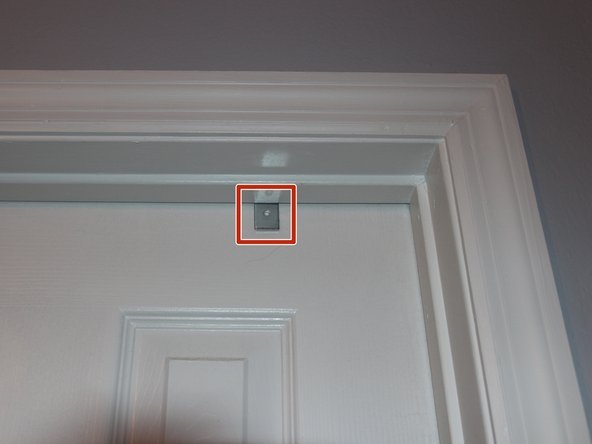
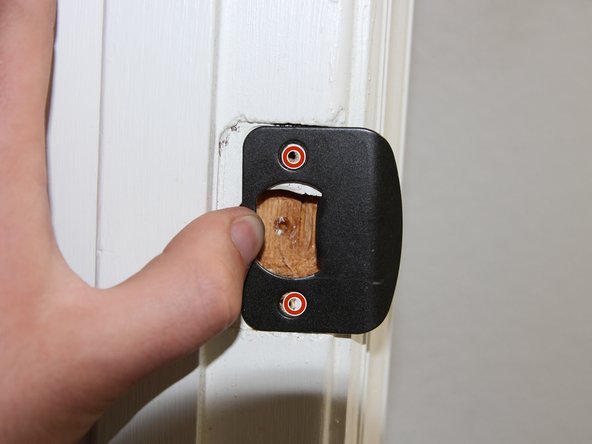
- The lipstick test is the fastest diagnostic. Don’t guess — mark the latch bolt, close the door, and read where the mark lands relative to the strike plate hole. This tells you exactly which direction to move the plate or file.
- Most latching problems come from two things: sagging hinges or strike plate placement. Fix the hinges first if the door has dropped — moving the strike plate on a sagging door is a temporary patch that won’t last.
- Check the door stop position. The door stop is the thin strip of molding nailed to the jamb that the door presses against when closed. If it was nailed in the wrong position (common after a door replacement), the door may appear to close but the latch bolt never aligns with the strike plate hole. Remove the stop and re-nail it in the correct position — flush with the door face when closed.
- A rattling latch in a closed door means the strike plate hole is too large or the bolt is worn. Bend the tab on the inside of the strike plate opening (there’s a small curved tab on most strike plates) slightly toward the door stop side — this adds tension and eliminates the rattle.
Frequently Asked Questions
Why won’t my door latch when it’s cold or hot outside?
Temperature changes cause wood doors and frames to expand and contract. In summer, humid conditions swell the door body so it presses against the frame before the latch reaches the strike plate hole. In winter, the door may shrink and the latch bolt misses the strike plate in the opposite direction. The permanent fix for seasonal latching problems is sealing all door edges (all six sides of the door) with primer or paint to reduce moisture absorption, and choosing a strike plate that has a slightly larger opening to accommodate minor movement.
How do I fix a door latch that won’t stay latched — the door keeps popping open?
A door that closes but immediately pops back open has one of two issues: the strike plate hole is too shallow (the latch bolt presses on the strike plate ramp rather than snapping into the hole) or the door stop is positioned incorrectly so the door doesn’t fully close before the latch passes the hole. Deepen the strike plate mortise (Fix 4 above) and check the door stop position. Also check that the latch bolt is springing back fully — a sluggish latch won’t snap into the hole cleanly.
Can I fix a door latch without replacing the whole lockset?
Yes — in most cases the lockset hardware doesn’t need to be replaced. The latching problem is almost always about the alignment between the latch bolt and the strike plate, which is fixed by adjusting the strike plate position, filing the opening, or addressing hinge sag. The latch mechanism itself rarely fails; if it does, the latch cartridge alone can be replaced without replacing the entire knob or lever set.
How much clearance should a door latch bolt have in the strike plate hole?
The latch bolt should enter the strike plate hole with approximately 1/8-inch of clearance on all sides — enough that the bolt snaps in cleanly without rattling. A hole that’s too small prevents the bolt from entering fully; a hole that’s too large causes the door to rattle. Most standard strike plates (2-3/4″ face plates) are sized correctly for standard latch bolts — if you’re having trouble, the issue is usually plate position, not plate size.
My door latches but the knob won’t turn to retract the latch. What’s wrong?
If the knob turns but the latch doesn’t retract, the spindle connection between the knob and the latch mechanism has failed. Remove the knob and inspect the spindle — it may have stripped the square socket in the latch mechanism, or the knob set screw has loosened. Tighten the set screw first. If the mechanism is stripped, replace the latch cartridge. If the knob itself is damaged at the spindle, replace the entire lockset.
Conclusion
A door that won’t latch is almost always a positioning problem, not a hardware failure. The lipstick test tells you exactly what’s wrong in 60 seconds. Fix sagging hinges before touching the strike plate — adjusting the strike plate on a sagging door just creates a new misalignment when the door sags further. Work through the six fixes in order and you’ll have a latching door without buying any new hardware in most cases.
Next Step: If your door is sagging and causing the latch miss, read our full guide on How to Adjust Door Hinges. For a door that’s rubbing the frame, see How to Fix a Rubbing Door.
