
Clear plastic — acrylic, polycarbonate, PVC, and similar materials — scratches easily and hazes over time from UV exposure, hard water deposits, and fine surface scratches. Routine cleaning requires only mild soap and a soft cloth. Restoring foggy or yellowed plastic requires either a plastic polish or a fine wet-sanding process. This guide covers routine care, removing cloudiness, and polishing scratched plastic back to clarity.
What You’ll Need
- Mild dish soap and warm water
- Soft microfiber cloths (no paper towels — they scratch)
- Plastic polish or car headlight restore kit (Novus, Meguiar’s PlastX)
- White toothpaste (non-gel, for minor haziness)
- Wet/dry sandpaper: 400, 800, 1000, 2000 grit (for heavy scratches)
- Water (for wet sanding)
- UV protectant spray (for outdoor plastic)
Safety and Precautions
Never use paper towels or rough cloths on clear plastic — they create fine scratches that compound the haziness you’re trying to fix. Do not use acetone, bleach, or ammonia-based glass cleaners on acrylic or polycarbonate plastic — these solvents dissolve or craze the plastic surface. Never use abrasive cleaners (Comet, Ajax) or steel wool. Avoid dry wiping — always ensure the surface is wet before wiping to prevent micro-scratching from dust particles acting as abrasives.
Routine Cleaning of Clear Plastic
Rinse with Clean Water First
Rinse the plastic surface with clean water before touching it. This removes loose dust and grit that would scratch the surface during wiping. Never wipe a dry plastic surface without rinsing first.
Wash with Mild Soap and Soft Cloth
Apply a small amount of mild dish soap to a wet microfiber cloth. Wipe the plastic surface gently in one direction — avoid circular scrubbing on clear plastic as it creates visible swirl patterns. Rinse thoroughly.
Dry with a Clean Microfiber Cloth
Pat dry gently with a clean microfiber cloth. Drag-wiping when drying can create fine scratches. Blot or use very light pressure when drying.
Removing Light Haziness from Clear Plastic
Toothpaste Method (Minor Haziness)
Apply a small amount of plain white toothpaste (not gel) to a damp microfiber cloth. Rub into the hazy area using small circular motions with light pressure. Work in a 6-inch section at a time. Rinse with clean water and dry. Toothpaste is a very mild abrasive that polishes fine surface scratches from plastic. This works well on lightly scratched clear plastic covers, headlight lenses, and protective screens.
Plastic Polish Method (Moderate Haziness)
Apply a plastic polish (Novus Plastic Polish, Meguiar’s PlastX) to a soft cloth in a small amount. Rub into the hazy surface using firm circular pressure in 6-inch sections. Let the polish haze slightly, then buff off with a clean dry cloth. Multiple applications build progressively clearer results on moderately scratched or UV-hazed plastic.
Restoring Heavily Scratched or Severely Foggy Plastic
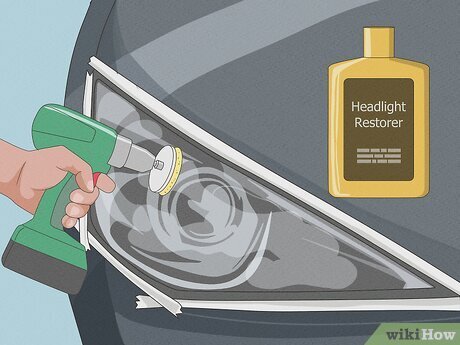
For plastic that is deeply scratched or severely yellowed from UV exposure, wet sanding followed by polishing is the most effective restoration method.
Start with 400-Grit Wet Sandpaper
Wet the plastic surface and the sandpaper. Sand in one consistent direction using light, even pressure. Keep both the paper and surface wet throughout. The 400-grit removes deep scratches and severe yellowing, leaving a uniformly scratched (but consistently scratched) surface.
Progress Through Finer Grits
Move to 800-grit, then 1000-grit, then 2000-grit sandpaper — wet sanding each step before moving to the next. Each step removes the scratches left by the previous grit. By 2000-grit, the surface should look uniformly hazy rather than visibly scratched.
Polish to Clarity
Apply plastic polish with a soft cloth and buff the sanded surface to clarity. At this stage the polish removes the fine 2000-grit scratches and restores optical transparency. For best results, follow with a car wax or UV protectant to slow future UV yellowing.
Removing Hard Water Deposits from Clear Plastic
White mineral deposits on plastic from hard tap water or swimming pool water dissolve with diluted white vinegar. Apply undiluted white vinegar to the deposits with a cloth and let sit for two to five minutes. The acid dissolves the calcium and mineral deposits. Rinse thoroughly and wipe dry. Avoid extended acid contact with plastic — prolonged acid exposure can dull some plastic finishes.
Pro Tips
- Apply UV protectant after cleaning outdoor plastic: UV degradation is the primary cause of yellowing and hazing in outdoor clear plastic. A UV protectant spray (sold for plastic patio furniture and marine applications) applied after cleaning dramatically slows re-yellowing.
- Microfiber only: The difference between a scratched and a clear plastic surface often comes down to the cloth. Microfiber is the only safe option for wiping clear plastic.
- Work in shade: Cleaning clear plastic in direct sun causes cleaning solutions to dry before you can wipe them, leaving new deposits. Work in shade or overcast conditions.
Frequently Asked Questions

Can I use Windex on clear plastic?
No — standard Windex contains ammonia which crazes (creates a network of tiny surface cracks) acrylic and polycarbonate plastic. Use a plastic-specific cleaner or mild soap and water only. Ammonia-free Windex (blue bottle, labeled ammonia-free) is safe for plastic.
How do I remove scratches from acrylic sheet?
For light scratches: plastic polish applied with a soft cloth buffed in circular motions. For deeper scratches: wet-sand with progressively finer grits (400 → 800 → 1000 → 2000) and finish with plastic polish. Deep gouges that catch a fingernail usually can’t be fully removed by polishing — they require filling with acrylic repair compound.
Why does my clear plastic turn yellow?
UV light degrades the polymers in acrylic and polycarbonate plastic, causing yellowing and brittleness over time. Wet sanding and polishing can restore clarity for moderately yellowed pieces. For severely UV-degraded plastic, replacement is often more practical than restoration.
Can I use car wax on clear plastic?
Yes — paste car wax applied to clean, polished clear plastic provides UV protection and a surface barrier that repels water and reduces future scratching. This is particularly useful on outdoor clear plastic enclosures, greenhouse panels, and storage lids.
What’s the best way to clean a clear plastic shower door?
Rinse after every shower to prevent soap scum and hard water deposits. Weekly cleaning: apply a soap scum cleaner or diluted white vinegar with a soft cloth, wipe clean, rinse, and squeegee dry. Avoid abrasive cleaners entirely on shower doors — they create micro-scratches that make cleaning progressively harder over time.
Conclusion
Clear and foggy plastic is easier to restore than most people expect — plastic polish handles light haziness in minutes, and wet sanding plus polishing restores even severely scratched or yellowed acrylic. The keys are: use only microfiber cloths, never use ammonia-based cleaners, and apply UV protectant after cleaning outdoor plastic to slow re-degradation. For related home surface cleaning, see our guide on how to clean a plastic water tank — similar plastic care principles in a water-contact application.
