A chimney should be inspected and cleaned once a year if you use your fireplace regularly — creosote buildup inside the flue is the leading cause of chimney fires, and many are preventable with annual cleaning. A homeowner can perform basic chimney brushing as a DIY project with the right equipment. However, significant creosote buildup (especially glazed or Stage 3 creosote) requires a professional chimney sweep. This guide covers DIY chimney cleaning, what you’re looking for during inspection, and when to call a professional.
What You’ll Need
- Chimney brush (correct size for your flue — round or square/rectangular)
- Flexible chimney brush rods (enough to reach the full flue length)
- Drop cloths and plastic sheeting (to cover the firebox opening)
- Safety goggles and dust mask (N95 or better)
- Work gloves and old clothing
- Flashlight or headlamp
- Shop vacuum with fine dust filter
- Ladder (for roof access if brushing from above)
Safety and Precautions
Chimney cleaning involves working on the roof and with highly toxic creosote dust — both require serious safety precautions. Do not attempt roof access in wet, icy, or windy conditions. Use proper fall protection on steep roofs. Wear an N95 or better dust mask — creosote is a known carcinogen and the fine soot particles from cleaning are hazardous to inhale. Cover all furniture and flooring in the room with drop cloths and seal the fireplace opening with plastic sheeting during the cleaning — soot will blow into the room if not contained. Never use a chimney or fireplace with significant creosote accumulation — Stage 3 glazed creosote (shiny, tar-like) is a fire hazard and must be professionally treated.
Understanding Creosote Stages
| Stage | Appearance | DIY or Pro? |
|---|---|---|
| Stage 1 | Flaky, sooty — light gray or black flakes | DIY — brushing removes it easily |
| Stage 2 | Tar-like flakes or crunchy deposits | DIY possible — requires more effort |
| Stage 3 | Shiny, glazed, tar-like coating | Professional only — chemical treatment required |
DIY Chimney Cleaning from Below (Inside)
Prepare the Room
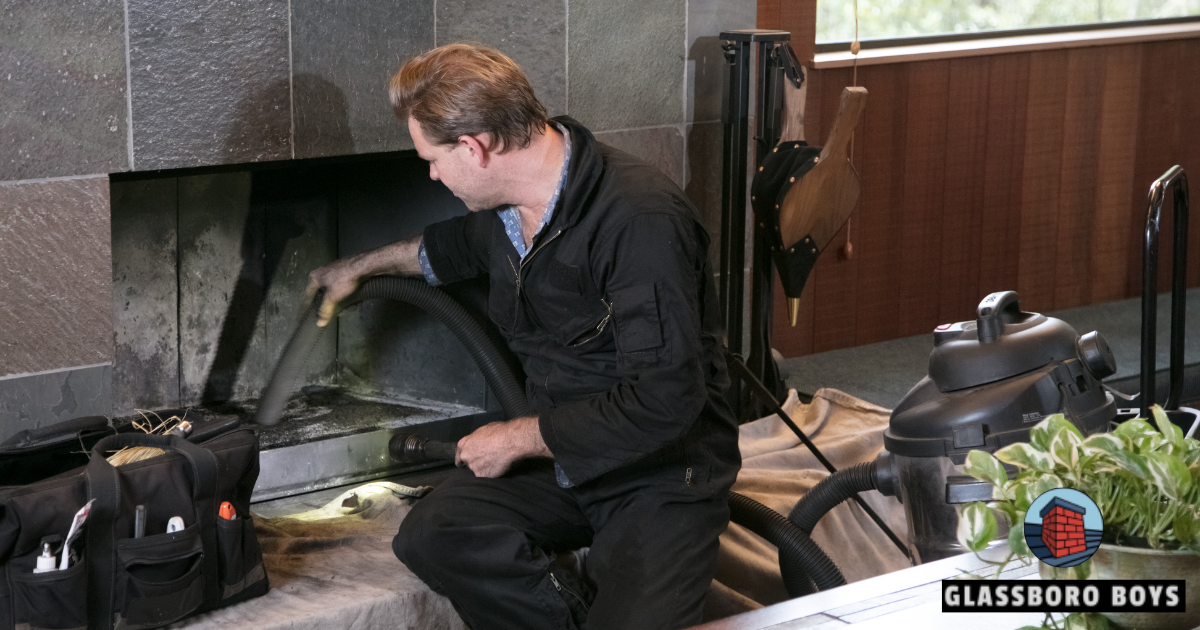
Move furniture away from the fireplace area. Lay drop cloths across the floor. Seal the fireplace opening with plastic sheeting taped securely to the surround — this contains soot during brushing. Turn on your shop vacuum and position its hose inside the fireplace, with the vacuum running throughout the cleaning to capture airborne soot.
Open the Damper
Reach into the firebox and open the damper fully. The damper is the metal plate that controls airflow — it needs to be fully open for brushing access.
Assemble the Brush and Rods
Connect your chimney brush to the first flexible rod. Have additional rods ready to add as you push the brush higher into the flue. The brush should be the correct diameter to match your flue — measure the inside dimensions of your flue before purchasing a brush.
Push the Brush Up Through the Damper
Insert the brush through the damper opening and push it up into the flue. Add rod sections as needed until you feel the brush reach the top of the chimney. Push and pull the brush in short strokes to scrub creosote from the flue walls as you work upward and then back down.
Remove the Brush and Vacuum Debris
Pull the brush back down, removing rods as you go. Open the plastic sheeting at the bottom and use the shop vacuum to remove all fallen soot and creosote debris from the firebox. Dispose of soot in a sealed plastic bag — don’t put it in open trash containers where it can spread.
DIY Chimney Cleaning from the Roof (Top-Down)
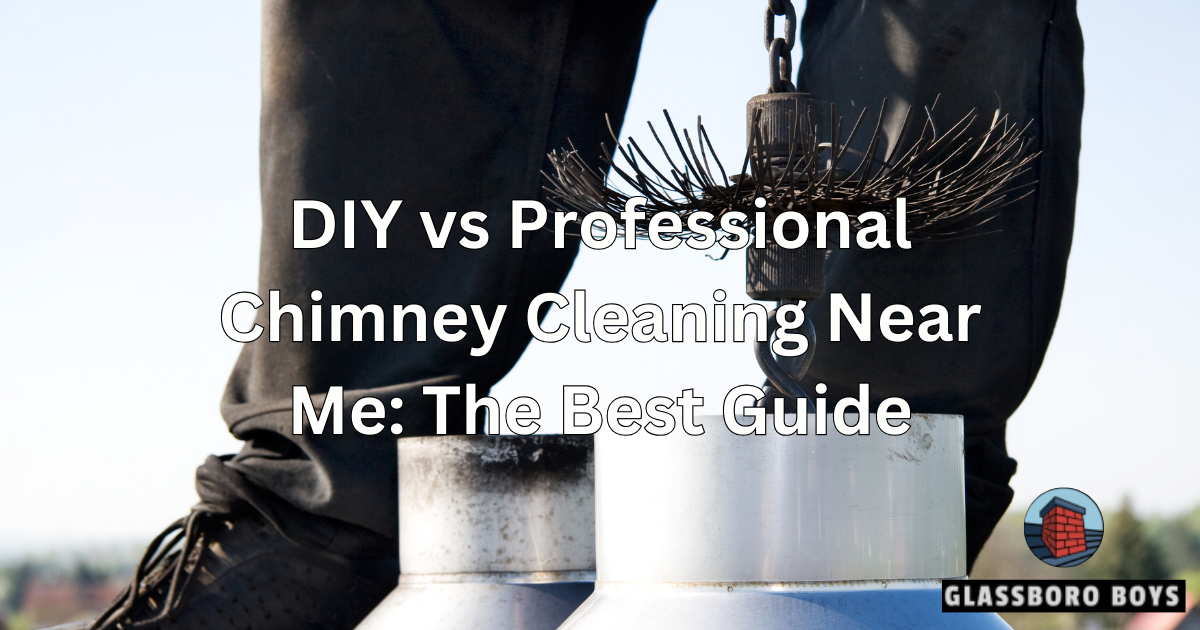
Cleaning from the top provides better access on straight flues and allows you to see the brush working. Remove the chimney cap (usually held by a few screws). Attach the brush and rods and push down from the top, adding rods as you go. Work the brush up and down the full length of the flue. Have a helper in the house managing the shop vacuum and the plastic fireplace seal to contain the soot. Replace the chimney cap when done.
Inspecting the Chimney After Cleaning
After brushing, shine a flashlight up the clean flue and inspect the liner walls. Look for: cracks or gaps in the flue tiles or liner; missing or damaged mortar joints; significant Stage 2 or 3 creosote remaining after brushing; debris (animal nests, leaves) remaining in the flue; and chimney cap condition. Any structural damage, remaining Stage 3 creosote, or signs of past chimney fire (cracked tiles, distorted metal) should be evaluated by a certified chimney sweep (CSIA-certified) before the fireplace is used again.
When to Call a Professional Chimney Sweep
- Stage 3 glazed creosote — requires chemical treatment before mechanical cleaning
- Animal nests or obstructions in the flue that can’t be dislodged from below or above
- Cracked or broken flue tiles or liner damage
- You haven’t had the chimney professionally inspected in more than two years
- Your fireplace shows signs of a past chimney fire (heavy soot, cracked liner)
- You’re not comfortable on the roof or with the height of the work
Pro Tips
- Clean at the end of burning season: Cleaning after the heating season (spring) rather than before removes creosote that can absorb moisture and cause masonry damage over summer.
- Buy the right size brush: An undersized brush won’t clean effectively; an oversized brush can damage flue tiles. Measure your flue opening before purchasing.
- Install a chimney cap if you don’t have one: Chimney caps prevent rain, animals, and debris from entering the flue and significantly reduce cleaning frequency.
Frequently Asked Questions
How often should a chimney be cleaned?
The National Fire Protection Association (NFPA 211) recommends annual inspection of all chimneys regardless of use, and cleaning when any significant creosote or debris accumulation is present. Actively used wood-burning fireplaces should be cleaned annually. Gas fireplace flues need annual inspection but typically far less frequent cleaning.
Can I clean my chimney myself?
Yes, for Stage 1 creosote — the light, flaky variety. With the proper brush, rods, and safety equipment, a homeowner can effectively clean a straight flue. Angled or offset flues are more difficult and may require professional equipment. Stage 3 creosote always requires professional treatment.
How long does chimney cleaning take?
A DIY single-flue chimney cleaning typically takes one to two hours including setup and cleanup. A professional sweep with full inspection typically takes two to three hours.
What does creosote smell like?
Creosote has a strong, acrid, tar-like smell — similar to asphalt or coal tar. If you notice this smell in your home with a closed fireplace, it often indicates creosote buildup combined with negative pressure drawing chimney air into the house. Clean the chimney and have the draft and sealing inspected.
Is chimney cleaning messy?
Yes, if not prepared. Thorough preparation — plastic sheeting over the fireplace opening, drop cloths, and a shop vacuum running throughout — contains the mess to the immediate workspace. Skipping the prep turns chimney cleaning into a whole-room soot cleanup project.
Conclusion
Annual chimney inspection and cleaning is one of the most important home safety maintenance tasks — chimney fires cause thousands of house fires each year and most are preventable. A homeowner can handle Stage 1 and mild Stage 2 creosote cleaning as a DIY project with the right brush, rods, and safety equipment. For heavier accumulation, glazed creosote, or any structural concerns identified during inspection, a CSIA-certified chimney sweep is the right call. For related fireplace maintenance, see our guide on how to clean a gas fireplace — different combustion system but similar annual inspection requirements.
