
Drinking glasses become cloudy from two different causes — hard water mineral deposits and etching from the dishwasher. The two problems look similar but require different solutions: mineral cloudiness washes away with white vinegar; etching is permanent surface damage that can’t be reversed. Knowing which type you’re dealing with is the most important step in this process. This guide covers how to tell the difference, how to restore mineral-cloudy glasses, and how to keep glassware clear going forward.
What You’ll Need
- White vinegar
- Dish soap (mild)
- Warm water
- Soft bottle brush or glass cleaning brush
- Baking soda
- Bar Keepers Friend (for stubborn mineral deposits)
- Soft cloths or microfiber towels
- Rinse aid (for dishwasher-washed glassware)
Safety and Precautions
Do not use steel wool or abrasive scrubbers on glass — they permanently scratch the surface. Do not use bleach on glassware — it leaves taste and chemical residue. Avoid very hot water on thin glass — thermal shock can crack delicate glassware. Crystal (lead crystal or lead-free crystal) is more delicate than standard glass and should never go in the dishwasher — hand wash only with mild soap and cool water.
Step 1: Diagnose the Type of Cloudiness
Before cleaning, determine if the cloudiness is mineral deposits or etching. Dip a finger in white vinegar and rub it on the cloudy area. If the cloudiness clears or reduces immediately where the vinegar touched, it’s mineral deposits — treatable. If no change occurs with vinegar contact, the glass is etched — the silica in the glass has been permanently abraded by high-alkaline dishwasher detergent, hard water, and repeated cycles. Etching cannot be reversed; only mineral cloudiness is cleanable.
Removing Mineral Cloudiness from Drinking Glasses
Soak in White Vinegar
Fill a bowl or basin with undiluted white vinegar. Submerge the cloudy glasses and let them soak for 15 to 30 minutes. The acetic acid dissolves calcium and mineral deposits from the glass surface. For glasses with heavy mineral buildup from years in a hard water area, extend the soak to 60 minutes.
Scrub with a Soft Brush
After soaking, scrub the inside and outside of each glass with a soft glass cleaning brush. The vinegar soak will have loosened the deposits; the brush removes them completely. Pay attention to the base of the glass where minerals accumulate thickest.
For Stubborn Deposits: Bar Keepers Friend
If vinegar alone doesn’t fully clear the cloudiness, apply a small amount of Bar Keepers Friend to a damp cloth or sponge and rub gently inside the glass. Rinse immediately and thoroughly. Bar Keepers Friend’s oxalic acid is stronger than vinegar for mineral deposits and safe for glass when not left in contact long-term.
Rinse Thoroughly and Dry
Rinse each glass thoroughly with warm water — vinegar or Bar Keepers Friend residue affects taste. Dry immediately with a clean, lint-free cloth to prevent new water spots from hard tap water forming on the clean surface.
Cleaning Coffee, Tea, and Stain-Marked Cups
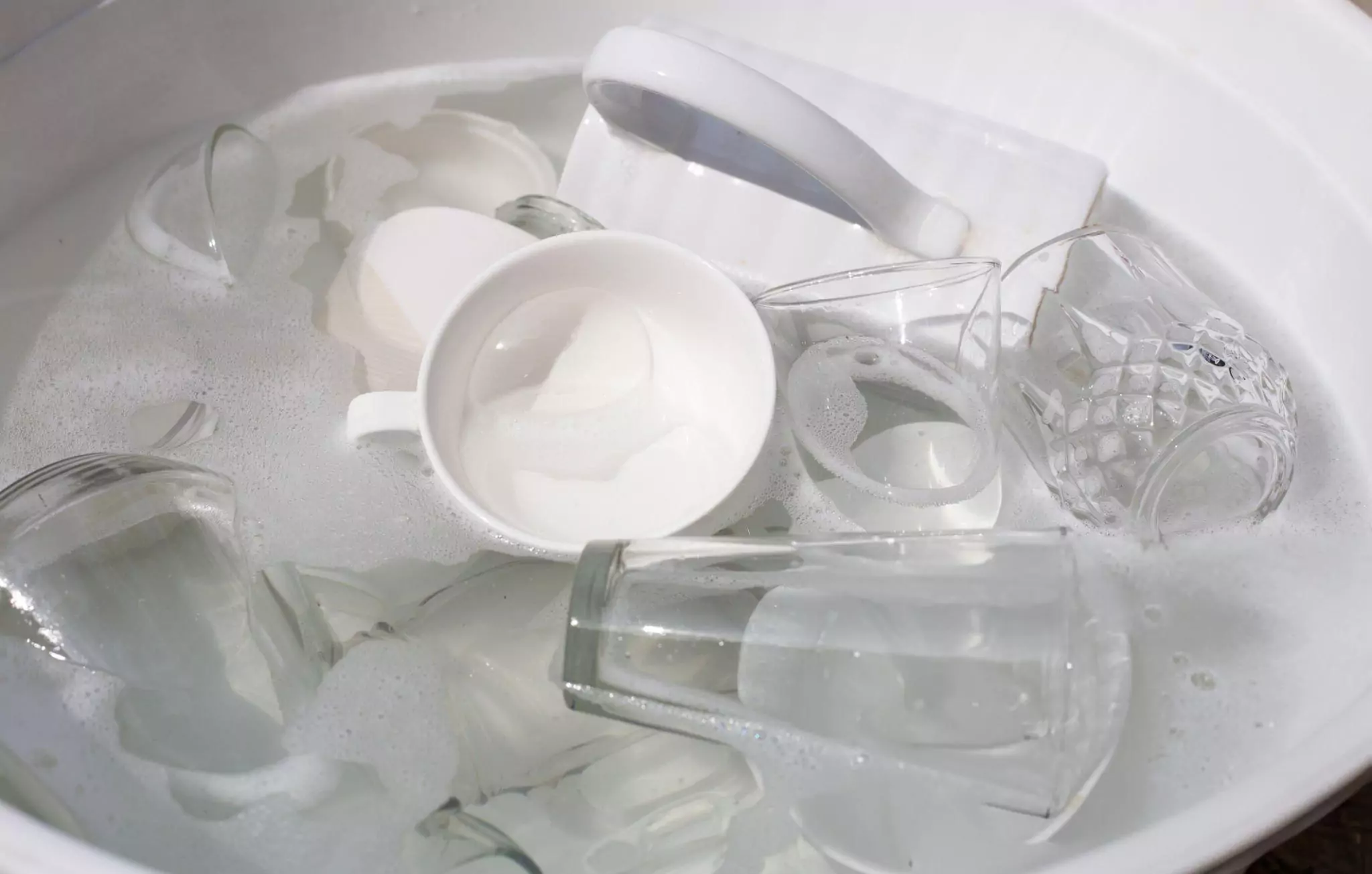
Tannin stains from coffee and tea build up inside cups and mugs over time. For fresh stains: wash immediately with warm soapy water. For set-in stains: fill the cup with equal parts water and white vinegar, let soak for 30 minutes, then scrub with a sponge and rinse. Alternatively, make a paste of baking soda and water, apply to the stained interior, scrub, and rinse. Baking soda’s mild abrasion combined with its alkaline chemistry works particularly well on organic tannin stains. Hydrogen peroxide (3%) poured into the cup and left for 30 minutes bleaches tannin stains effectively without leaving taste residue.
How to Keep Drinking Glasses Clear Longer
- Use rinse aid in the dishwasher: Rinse aid prevents water droplets from drying as mineral deposits on glass. This single change dramatically reduces cloudiness in dishwasher-washed glasses.
- Use the gentle cycle for delicate glassware: High-temperature dishwasher cycles accelerate etching on thin glass. The “delicate” or “crystal” cycle uses lower water temperature.
- Hand wash fine glasses: Crystal, fine wine glasses, and decorative glassware should always be hand washed in mild cool or lukewarm water. Dishwashers shorten their life significantly.
- Dry immediately after washing: Air-dried glasses in hard water areas accumulate visible mineral spots. Hand-drying each glass prevents this entirely.
Pro Tips

- Vinegar soak is the most effective mineral treatment: Most cloudy glassware problems resolve completely with a 30-minute vinegar soak. If vinegar doesn’t help, the glass is etched — not dirty.
- Clean drinking glasses weekly: Even glasses that “look clean” accumulate invisible biofilm inside if they sit in a cabinet for weeks between uses. A monthly wash keeps them genuinely clean.
- Use a soft bottle brush for tall glasses: A standard sponge can’t reach the bottom of a tall tumbler or wine glass effectively. A soft bottle brush cleans the full interior in one motion.
Frequently Asked Questions
Why are my glasses cloudy after the dishwasher?
Either mineral deposits from hard water or etching from the alkaline dishwasher detergent combined with high heat. Test with vinegar: if the cloudy spot clears, it’s minerals (fixable). If it stays cloudy, it’s etching (permanent). Use rinse aid and a lower temperature cycle to prevent both.
Can I use CLR to clean cloudy glasses?
CLR is a strong commercial acid cleaner — it’s not designed for food-contact surfaces and leaves chemical residue that’s difficult to fully remove. White vinegar and Bar Keepers Friend are safer and equally effective for glass mineral deposits.
How do I remove lipstick from a glass?
Rub a small amount of dish soap directly on the lipstick mark and scrub with a cloth or sponge. Dish soap’s surfactants dissolve the waxy lipstick components. Rinse thoroughly. If residue remains, a small amount of rubbing alcohol on a cloth removes the last traces.
Are cloudy glasses safe to drink from?
If the cloudiness is mineral deposits, yes — calcium and magnesium deposits are not harmful. If the cloudiness is etching, the glass surface has microscopic pits where bacteria can harbor — dishwasher etched glasses are generally considered hygienic since they go through the dishwasher regularly, but significantly etched glasses are worth replacing.
How do I remove baking soda smell from glasses after cleaning?
Rinse the glass thoroughly with warm water after any baking soda cleaning. If mild smell persists, soak briefly in plain cold water, then rinse again. Baking soda odor dissipates completely after thorough rinsing.
Conclusion
Cloudy glasses have one of two causes, and knowing which one you’re dealing with determines whether cleaning will help. Mineral deposits respond beautifully to white vinegar soaking; etching is permanent. For everyday maintenance, rinse aid in the dishwasher, gentle cycle settings, and immediate drying after washing keep glasses clear for years. For coffee and tea-stained cups, baking soda paste or hydrogen peroxide handles the organic staining that dish soap alone won’t fully remove. For kitchen cleaning resources, see our guide on how to clean a sink drain — keeping the drain clear ensures your glass washing area drains properly.
