
Ice trays look clean but harbor bacteria, mold, and freezer odors in their cavities over time — especially silicone and plastic trays that develop microscopic surface pitting. Clean ice trays with warm water and dish soap weekly, and disinfect with a diluted bleach soak monthly. This guide covers how to clean plastic, silicone, and stainless steel ice trays properly without damaging them.
What You’ll Need
- Warm water
- Dish soap (mild)
- White vinegar
- Household bleach (unscented) — for disinfection
- Soft bottle brush or toothbrush
- Baking soda (for odor removal)
- Small bowl or basin
Safety and Precautions
Always rinse ice trays thoroughly after any bleach or vinegar treatment — residue carries through to the ice. Never use abrasive scrubbers on silicone or plastic ice trays — they create surface scratches where bacteria and odors accumulate. Do not use undiluted bleach directly on plastic trays — it can cause discoloration and off-gassing that affects taste. For food-contact items, always confirm that any cleaner is fully rinsed away before refilling.
How to Clean Plastic Ice Trays
Empty and Rinse
Remove all ice from the tray. Rinse under warm running water to flush out any loose debris or particles from the cavities.
Wash with Dish Soap
Apply a small amount of mild dish soap to the tray and use a soft brush or toothbrush to scrub inside each cube cavity. Pay attention to the corners of the cavities and the bottom, where bacterial biofilm tends to form. Rinse thoroughly under warm running water until no soap suds remain.
Disinfect with Diluted Bleach (Monthly)
For monthly disinfection, mix one tablespoon of unscented household bleach per gallon of water in a basin. Submerge the plastic tray and let it soak for two minutes. Remove, rinse under running water for 30 seconds, and let air dry completely before refilling.
Dry Completely Before Refilling
Shake excess water from the tray and allow it to air dry completely before filling with water for ice. Filling a still-wet tray isn’t harmful, but completely drying prevents mineral deposits from tap water from building up in the cavities over time.
How to Clean Silicone Ice Trays
Silicone ice trays absorb odors more readily than plastic and can develop a soapy or off taste if not rinsed properly. They’re also more flexible, which makes scrubbing inside the cavities slightly more challenging.
Wash in Warm Soapy Water
Wash silicone trays by hand in warm soapy water — don’t use the dishwasher if the tray has developed odors, as the heat can bake smells into the silicone. Use a toothbrush to scrub inside each cavity with light pressure.
Deodorize with Baking Soda Paste
For silicone trays that smell like the freezer, rubber, or soap, make a paste of baking soda and water and rub it into the cavities with your fingers. Let it sit for 15 minutes, then rinse thoroughly. Baking soda is highly effective at neutralizing the off-odors that silicone absorbs over time.
White Vinegar Soak for Persistent Odors
If the baking soda paste doesn’t fully eliminate the odor, soak the silicone tray in undiluted white vinegar for 30 minutes. Vinegar neutralizes many odor compounds that baking soda doesn’t. Rinse thoroughly afterward — vinegar smell in the tray will dissipate as it air dries.
Sun Dry When Possible
Silicone benefits from occasional exposure to sunlight. UV light helps break down odor-causing compounds and has a mild disinfecting effect on the surface. After washing, allow the tray to dry in direct sunlight for an hour before returning to the freezer.
How to Clean Stainless Steel Ice Trays

Stainless steel ice trays — including lever-action metal trays — are the most durable and least porous option, making them the easiest to clean and least prone to bacterial buildup and odor.
Wash with Dish Soap and Warm Water
Wash with mild dish soap and warm water. For metal trays with a lever mechanism, do not fully submerge them for extended periods — the mechanism parts may rust if water gets into the pivot points. Wash quickly and dry promptly.
Disinfect with Vinegar
For stainless steel, white vinegar is the preferred disinfectant over bleach — bleach can pit stainless steel surfaces with repeated use. Wipe the interior cavities with a cloth dampened in undiluted white vinegar, let sit for five minutes, then rinse and dry.
Dry Immediately
Dry stainless steel trays immediately after washing to prevent water spots and potential rust around any non-stainless metal components (like springs or screws). A quick towel dry followed by air drying is sufficient.
Why Ice Trays Get Dirty Even in the Freezer
Most people assume a freezer is sterile — it’s not. Freezer temperatures inhibit bacterial growth but don’t kill all bacteria, and they don’t prevent mineral deposits, mold spores from the environment, or odor absorption from other freezer contents. Plastic and silicone trays are also porous at a microscopic level, meaning bacteria and odor compounds work their way into the material over time regardless of regular rinsing. Monthly disinfection plus regular washing keeps ice tasting clean.
How Often to Clean Ice Trays
| Task | Frequency |
|---|---|
| Soap and water wash | Weekly or every 1–2 uses |
| Baking soda or vinegar deodorize (silicone) | Monthly or when odor develops |
| Bleach disinfection (plastic) | Monthly |
| Vinegar disinfection (stainless) | Monthly |
| Replace tray | When discolored, cracked, or odor persists after cleaning |
Pro Tips
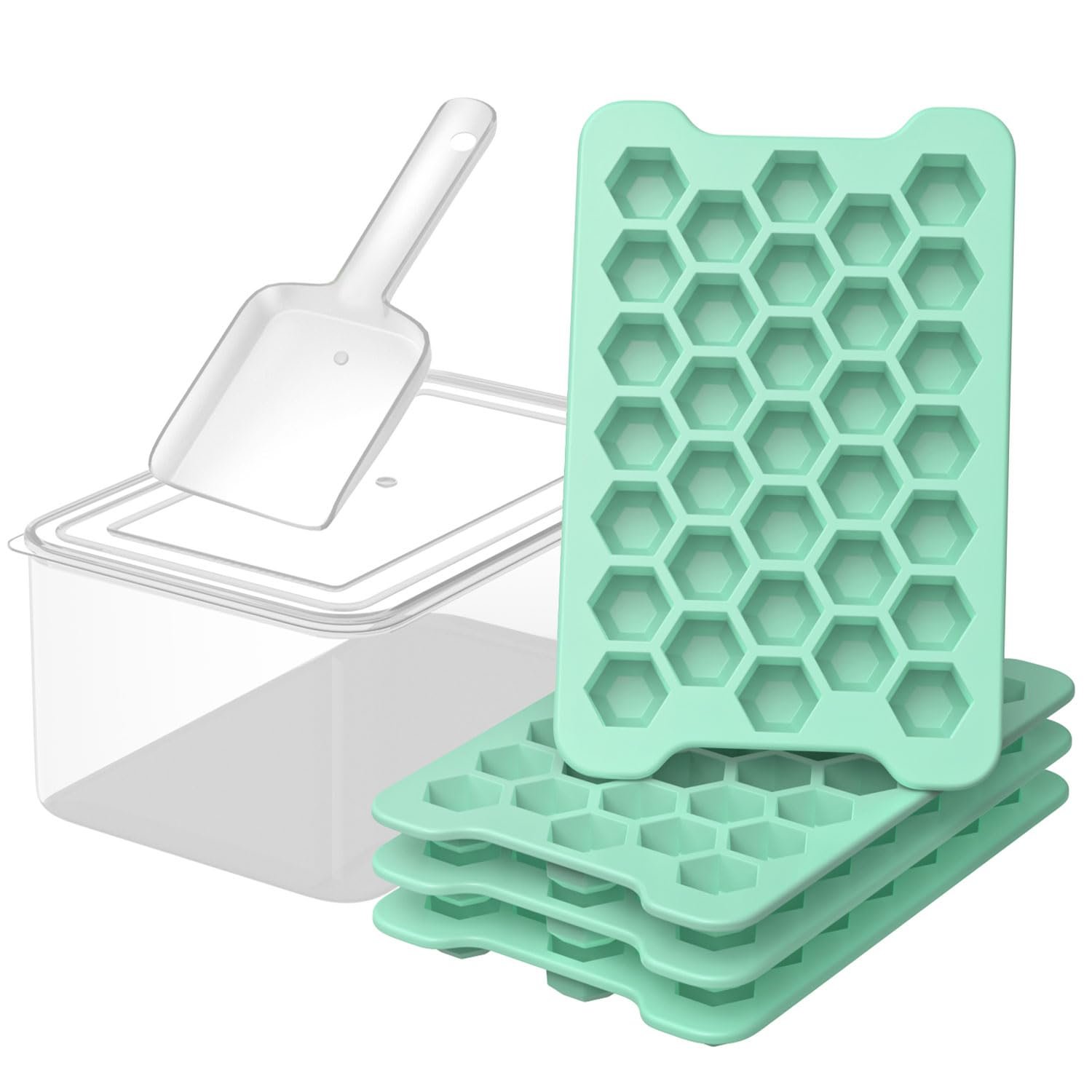
- Store trays with ice in them: An empty ice tray stored in the freezer absorbs freezer odors faster than a tray full of ice. Keep trays filled or store them in a zip-lock bag when not in use.
- Use filtered water: Tap water with high mineral content leaves white residue in the cube cavities over time. Using filtered water significantly reduces mineral buildup.
- Replace inexpensive plastic trays regularly: Basic plastic ice trays are cheap. If a plastic tray has deep discoloration, persistent odor after multiple cleanings, or cracks in the cavities, replace it — the cost of a new tray is much less than the ongoing cleaning effort.
Frequently Asked Questions
Why does my ice taste bad even from clean trays?
Bad-tasting ice from otherwise clean trays usually comes from three sources: absorbed freezer odors (from uncovered foods), tap water with high mineral or chlorine content, or trays that have micro-pitting from age. Use filtered water, store ice in sealed bags, and replace old plastic or silicone trays if the problem persists.
Can I put silicone ice trays in the dishwasher?
Most silicone ice trays are technically dishwasher-safe, but the high heat can bake odors into the silicone and cause it to absorb dishwasher detergent smell. Hand washing with baking soda treatments for odor control gives better results for silicone trays long-term.
How do I get mold out of ice tray cavities?
Mold in ice tray cavities can be removed by soaking in a diluted bleach solution (one tablespoon per gallon) for two to five minutes, scrubbing with a toothbrush, then rinsing thoroughly. For silicone, use a white vinegar soak instead. If mold recurs repeatedly in the same tray, the tray has degraded beyond effective cleaning — replace it.
Is it safe to use ice from trays that had pink slime?
No — discard any ice made in a contaminated tray. Clean and disinfect the tray completely, perform a full bleach or vinegar soak, rinse thoroughly, and then refill. Use the first batch of ice after cleaning as a flush batch — discard it before using ice from the same tray again for drinking.
Do I need to clean ice trays if I only use filtered water?
Yes. Even filtered water contains trace minerals that build up over time, and the freezer environment introduces odor compounds that absorb into the tray material. Filtered water reduces mineral buildup but doesn’t eliminate the need for regular washing and periodic disinfection.
Conclusion
Clean ice trays produce better-tasting ice and protect anyone who’s putting that ice in drinks or on food. The routine is quick: dish soap weekly, baking soda or bleach monthly, and replacing trays that have reached the end of their useful life. Silicone trays need a bit more odor management; plastic and stainless steel are more straightforward. Keep trays filled to minimize odor absorption, and use filtered water to reduce mineral deposits. For related ice system maintenance, see our guide on how to clean an ice maker for the full machine cleaning process.
