
A septic tank “cleans” itself through natural bacterial decomposition — but it still needs professional pumping every 3–5 years to remove the accumulated solids (sludge) that bacteria can’t break down. Beyond pumping, homeowners can maintain their septic system through daily habits, additive use, and system inspections that prevent the backup situations that cost thousands to repair. This guide covers everything you need to know about septic tank maintenance, pumping schedules, and the warning signs of a failing system.
Understanding How a Septic System Works
A septic tank is a buried watertight container that receives all household wastewater. Inside the tank, wastewater separates into three layers: scum (fats and oils that float), effluent (clarified wastewater in the middle), and sludge (heavy solids that sink). Bacteria in the tank break down the organic matter in these layers, but they can’t eliminate everything — solids accumulate over time. When the sludge layer gets too deep, solids escape into the drain field, clogging the soil and causing system failure.
Safety Precautions
- Never enter a septic tank — the gases produced inside (hydrogen sulfide, methane, carbon dioxide) displace oxygen and are lethal. Even opening the lid briefly can expose you to dangerous gas concentrations. All access for pumping and inspection must be done from above.
- Septic tank pumping requires a licensed professional — the pumping, transportation, and disposal of septic waste is regulated in all US states. This is not a DIY task.
- Keep children and pets away during inspection and pumping — the open tank lid and excavated area create fall hazards.
What Homeowners Can Do: Maintenance vs. Professional Service
| Task | Who Does It | Frequency |
|---|---|---|
| Tank pumping and sludge removal | Licensed septic contractor | Every 3–5 years |
| Tank inspection | Licensed inspector or contractor | Every 3–5 years (at pumping) |
| Drain field inspection (visual) | Homeowner | Annually |
| Water usage management | Homeowner | Daily |
| Waste type management (what goes in) | Homeowner | Daily |
| Septic bacterial additives | Homeowner (optional) | Monthly |
How to Maintain Your Septic System Step by Step
Step 1: Know and Follow the Pumping Schedule
The most important maintenance task is having the tank pumped by a licensed septic service contractor on schedule. The correct interval depends on household size and tank capacity:
- 2-person household, 1,000-gallon tank: every 5–6 years
- 4-person household, 1,000-gallon tank: every 3–4 years
- 4-person household, 1,500-gallon tank: every 4–5 years
- 6-person household, any tank: every 2–3 years
At pumping, a good contractor inspects the tank’s inlet and outlet baffles (these direct flow and prevent sludge from entering the drain field — they fail over time), checks the tank walls for cracks, and may inspect the distribution box in systems that have one. Keep a record of every pumping date and the contractor’s findings.
Step 2: Manage Water Usage
High water volume overwhelms a septic tank by pushing solids into the drain field before they can settle and decompose. Spread laundry loads throughout the week rather than doing all laundry in one day. Fix any leaking faucets, running toilets, or dripping irrigation heads immediately — even a slow toilet leak adds 200+ gallons per day of extra hydraulic load. Install low-flow fixtures where possible. Don’t run dishwasher and washing machine simultaneously if your system is older or your tank is undersized for your household.
Step 3: Control What Goes Into the System
Septic systems are designed for human waste, toilet paper, and household wastewater — nothing else. Never flush or drain:
- Wipes, feminine products, paper towels (even “flushable” wipes don’t break down in septic tanks)
- Cooking grease or oils (coat the tank interior and kill beneficial bacteria)
- Chemical drain cleaners (kill the bacteria that break down waste in the tank)
- Prescription medications (contaminate the groundwater downstream)
- Paint, solvents, pesticides (toxic to tank bacteria and groundwater)
- Coffee grounds, cat litter, dental floss
Step 4: Protect the Drain Field
The drain field (leach field) is where clarified effluent from the tank is dispersed and filtered through soil. Never park vehicles over the drain field — soil compaction crushes the distribution pipes. Don’t plant trees or deep-rooted shrubs within 30 feet of the drain field — roots infiltrate distribution pipes. Keep roof drains and surface water from flowing onto the drain field — saturated soil can’t absorb effluent. Mow grass over the drain field but don’t use it for gardens, pools, or structures.
Step 5: Use Bacterial Additives (Optional)
Septic-specific bacterial and enzyme additives (RID-X, Bio-Clean, Septic Drainer) introduce additional bacterial cultures and enzymes into the tank to supplement the naturally occurring bacteria. These products are most useful after events that kill tank bacteria: heavy antibiotic use by household members, accidental introduction of bleach or drain cleaner, or a long period of light use. They’re beneficial as a monthly maintenance dose but are not a substitute for regular pumping — they cannot eliminate the accumulation of non-digestible solids.
Step 6: Know the Warning Signs and Act Immediately
Septic problems caught early are manageable; ignored, they escalate into full system failure ($10,000–$30,000 for drain field replacement). Call a septic professional immediately if you notice:
- Slow drains throughout the house (not just one fixture)
- Gurgling sounds from drains or toilets
- Sewage odors inside or outside the home
- Wet, soggy, or unusually green grass directly over the drain field
- Sewage backup in the lowest drains of the home
- Standing water or spongy ground above the septic tank or drain field
Pro Tips
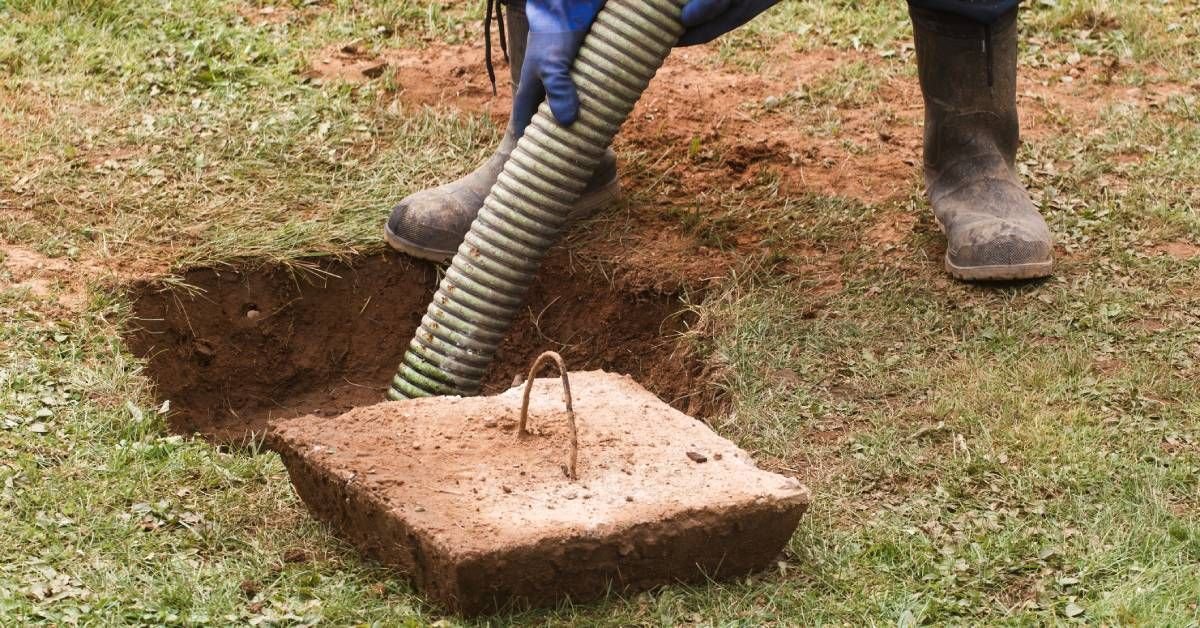
- Mark your tank and drain field location — draw a sketch or note the GPS coordinates of your tank lid location. Finding it for the next pumping visit saves significant time and money (locating services charge extra). Keep the access lid area clear and marked.
- Install a riser to the surface if your tank lid is buried — a concrete or plastic riser brings the access lid to the surface, making inspection and pumping much faster and less expensive.
- The first sign of failure is almost always slow drains — this gives you a window to address the problem before backup occurs. Schedule pumping immediately when you notice system-wide slow drainage.
Frequently Asked Questions
Can I clean my own septic tank?
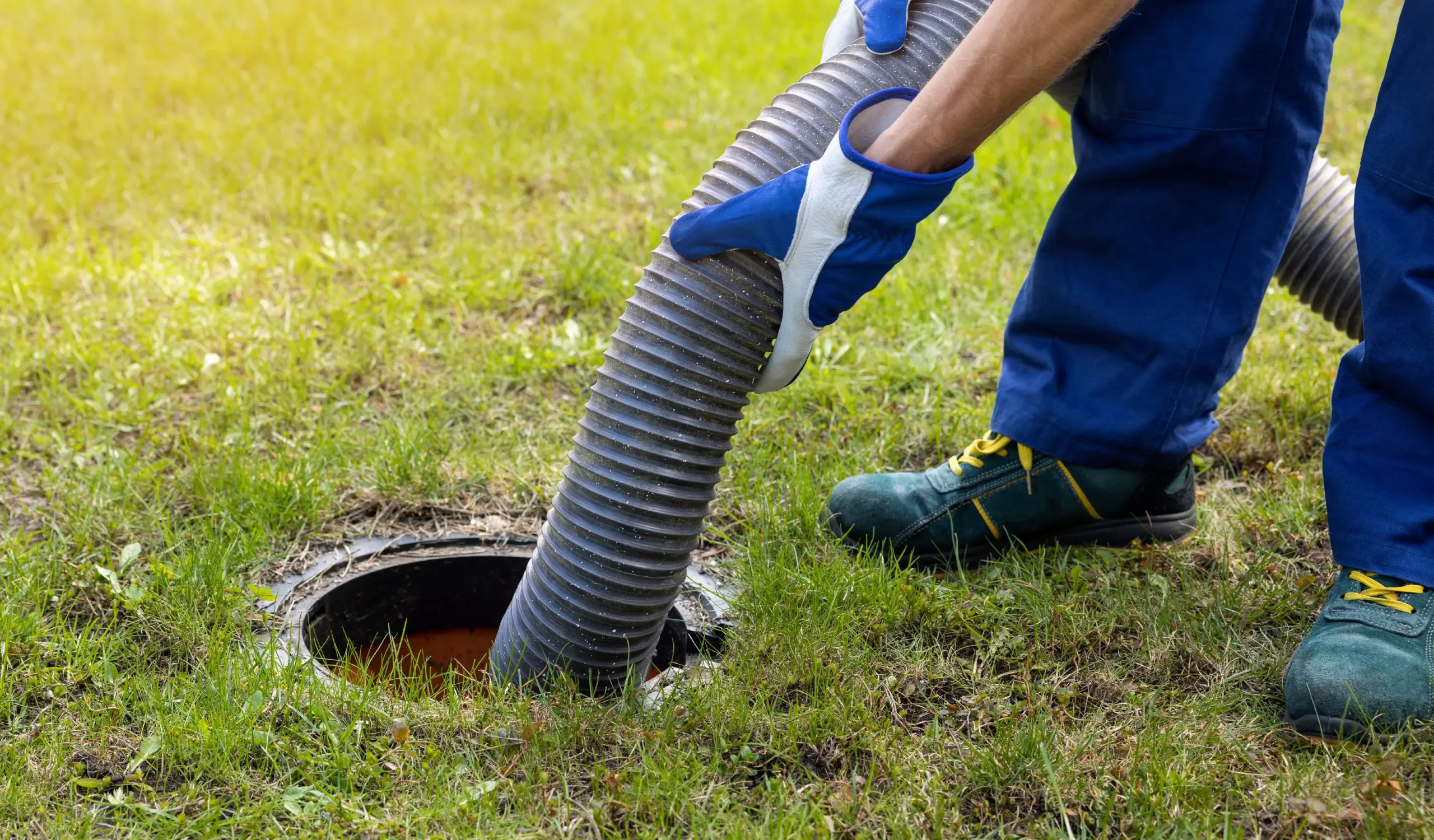
No — septic tank pumping requires a vacuum truck to remove the sludge and a licensed waste hauler to legally dispose of it. The gases inside the tank are potentially lethal; attempting to access or manually clean a septic tank is extremely dangerous. Homeowners can handle all the maintenance tasks described in this guide, but the pumping itself must be done by a licensed contractor.
Does RID-X really work?
RID-X and similar bacterial additives provide measurable benefit when used consistently as a monthly maintenance product — they maintain bacterial populations between pumping intervals and can reduce the rate of sludge accumulation. However, they do not eliminate the need for regular pumping. They’re also particularly helpful after antibiotic use or accidental bleach introduction. Use them as a supplement to, not a replacement for, your pumping schedule.
How long does a septic system last?
A properly maintained conventional septic system lasts 25–30 years or more. The drain field is the most vulnerable component — once soils in the drain field are saturated with biomat (the biological layer that forms from effluent), the system fails and the field must be replaced. Proper water usage, correct pumping intervals, and avoiding drain field damage extend system life significantly. Some drain fields last 40+ years with diligent maintenance.
Can I use bleach products with a septic system?
Small amounts of household bleach used normally (cleaning the toilet bowl, laundry in moderation) are diluted enough by the time they reach the tank that they don’t significantly harm the bacterial population. Heavy bleach use — such as sanitizing or cleaning drains with concentrated bleach regularly — does kill tank bacteria and should be avoided. Use enzyme-based drain cleaners rather than chemical drain cleaners if drain maintenance is needed.
Conclusion
Maintaining a septic system isn’t complicated — it’s mostly about habits and a schedule. Don’t put the wrong things in, spread your water usage out, get the tank pumped every 3–5 years, and protect the drain field. A well-maintained septic system runs quietly for decades without problems. A neglected one fails expensively and creates serious health hazards. The investment in regular pumping is a fraction of what drain field replacement costs.
For related home plumbing maintenance, see our guide on how to clean a sink drain for the in-house plumbing that feeds your septic system. For exterior drainage that protects your drain field from surface water saturation, our guide on how to build a French drain is directly applicable.
