
A backyard pond needs cleaning once or twice a year — ideally in early spring before fish and plants are fully active, and optionally in early fall to remove leaf debris before winter. Pond cleaning involves removing fish and plants temporarily, pumping out the water, scooping sludge from the bottom, pressure washing the liner and rocks, then refilling and reintroducing fish after water temperature equalizes. Skipping this maintenance leads to toxic ammonia buildup from decomposing organic matter that kills fish and creates persistent green water.
What You’ll Need
Tools
- Pond pump with discharge hose (or submersible pump)
- Large holding containers or stock tanks (for fish during cleaning)
- Net for catching fish
- Pond vacuum or wet/dry shop vacuum
- Pressure washer or garden hose with jet nozzle (for liner and rocks)
- Pond net or skimmer net (for debris)
- Buckets
Materials
- Water conditioner / dechlorinator (to treat tap water for fish)
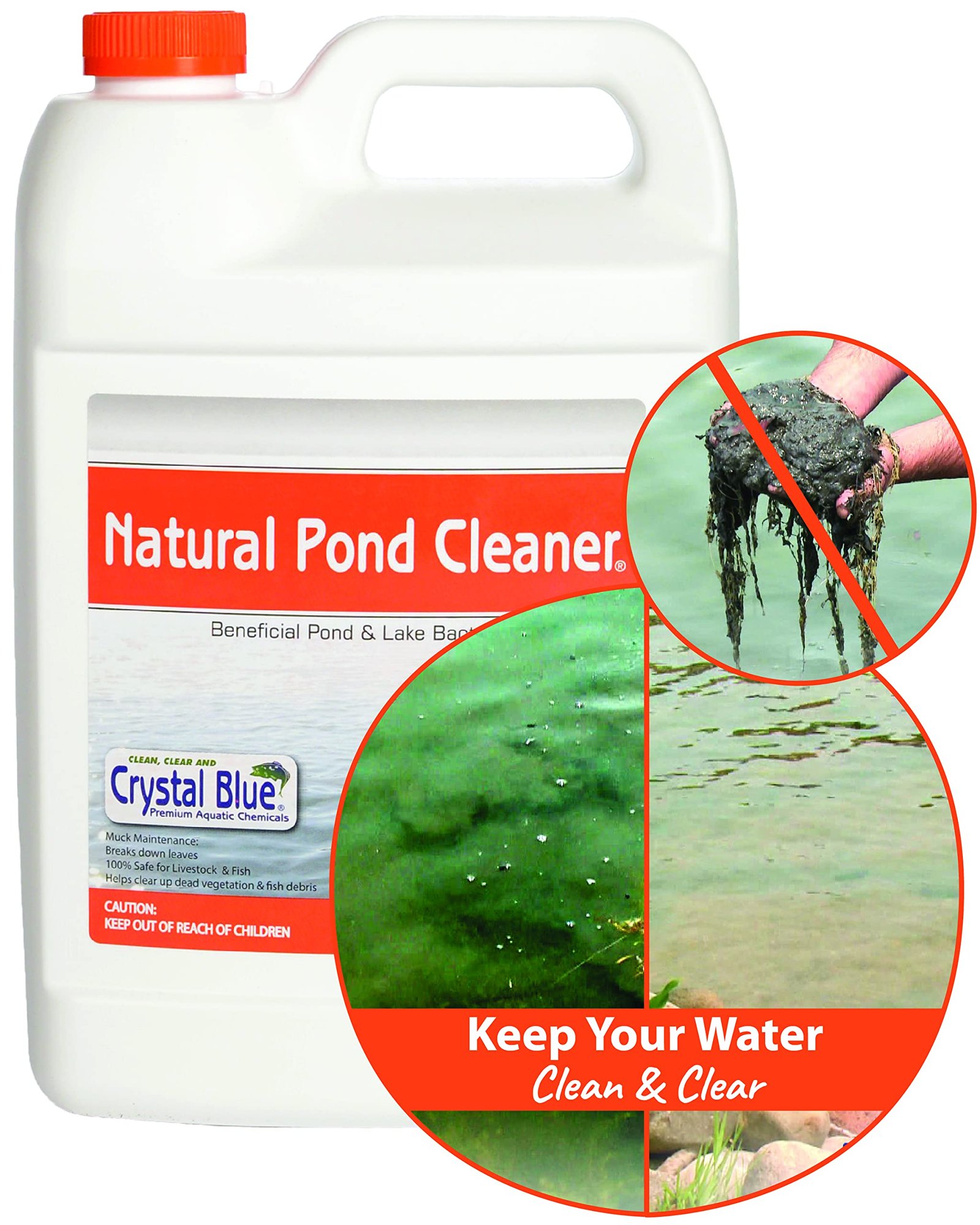
- Beneficial bacteria product (to restart the pond’s nitrogen cycle after cleaning)
- Algaecide (optional — for string algae or blanketweed)
- Barley straw bale or barley extract (for long-term algae prevention)
Safety Precautions
- Never use bleach or harsh chemicals in a pond with fish or plants — even rinsed surfaces retain enough residue to cause fish stress or death. Use clean water and beneficial bacteria instead.
- Don’t clean a pond when water temperature is below 50°F — cold fish are in a semi-dormant state and handling them causes serious stress. Clean in spring when water reaches 50–65°F.
- Treat holding water before adding fish — tap water contains chlorine and chloramines that harm fish. Add dechlorinator per product directions before transferring fish to the holding container.
- Keep fish in the shade in holding containers — direct sun heats small containers rapidly. Move holding containers out of direct sunlight and cover with a screen if predatory birds are present.
- Work quickly — minimize the time fish are in holding containers. Most fish handle 2–4 hours of holding well; longer periods stress them.
How to Clean a Pond Step by Step
Step 1: Set Up Fish Holding Containers
Fill stock tanks, large plastic tubs, or a children’s wading pool with pond water — use the existing pond water, not tap water, to preserve water chemistry that fish are acclimated to. Fill to at least 2/3 capacity. Add a battery-powered aerator or submersible pump to oxygenate the holding water. Have your fish net ready.
Step 2: Lower Water Level and Catch Fish
Begin pumping down the pond with your submersible pump. As the water level drops, fish become easier to catch. Use a fine-mesh pond net to gently catch and transfer fish to the holding containers. Work methodically — fish will shelter near the bottom and along walls as water drops. Continue pumping until only a few inches of water remain, making final fish catch easier. Transfer any snails, shrimp, or other pond inhabitants you want to preserve.
Step 3: Remove Plants
Lift out potted aquatic plants and set them in buckets of pond water to keep them moist during cleaning. Remove any floating plants (water hyacinth, water lettuce) and set aside in a container with pond water. This is also a good opportunity to divide and repot overgrown aquatic plants.
Step 4: Pump Out Remaining Water
Pump the remaining water down to just the sludge layer at the bottom. For a smaller garden pond, you can scoop this last water out with buckets. Save some of this bottom water in a bucket — it contains beneficial bacteria that help restart the nitrogen cycle faster when you refill.
Step 5: Remove Bottom Sludge
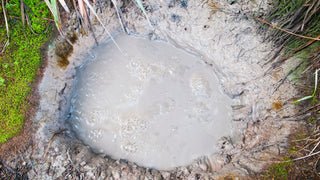
The black sludge at the pond bottom is decomposed organic matter — leaves, fish waste, uneaten food. Left to accumulate, it releases ammonia and hydrogen sulfide into the water. Use a pond vacuum, a wet/dry shop vac, or a flat-edged shovel to remove the sludge. Don’t remove every trace — leave a thin layer to preserve some beneficial bacteria and invertebrates in the substrate. The removed sludge is excellent compost material for garden beds.
Step 6: Rinse the Liner and Rocks
Use a garden hose with a jet setting or a low-pressure setting on a pressure washer to rinse the pond liner, decorative rocks, and bog filters. The goal is to remove loose algae and debris — not to sterilize the liner completely. Preserving some beneficial bacterial coating on the rocks actually helps the pond re-establish the nitrogen cycle faster. Don’t scrub the liner with bleach or harsh soap. Pump out the rinse water.
Step 7: Clean the Filter and Pump
Remove the pond filter media and rinse in a bucket of old pond water (not tap water) — this preserves the beneficial bacteria living in the filter media. If you rinse filter media with chlorinated tap water, you kill these bacteria and the pond will cycle from scratch, creating an ammonia spike that is dangerous for fish. Inspect the pump impeller for debris and rinse the pump housing. Replace filter pads if they are degraded beyond rinsing.
Step 8: Refill the Pond
Refill the pond slowly using a garden hose. As the water fills, add dechlorinator per the product dosing for your total pond volume — this neutralizes chlorine and chloramines from tap water. When the pond is about half full, add a dose of beneficial bacteria product to help restart the nitrogen cycle. Add the saved bucket of old pond water (from Step 4) to inoculate the new water with established bacteria.
Step 9: Reintroduce Plants and Fish
Place potted aquatic plants back in position. Before reintroducing fish, allow the pond water to reach a temperature within 5°F of the holding container water — this prevents thermal shock. Float the fish holding containers on the pond surface for 15–20 minutes to equalize temperature gradually. Add a small amount of new pond water to the holding container every 5 minutes to acclimate chemistry. Then gently net the fish into the pond. Monitor for the first 24–48 hours — check that fish are behaving normally and not gasping at the surface (which indicates low dissolved oxygen or ammonia stress).
Maintaining a Clean Pond Between Full Cleans
| Task | Frequency |
|---|---|
| Skim surface debris (leaves, pollen) | Daily during leaf fall; weekly otherwise |
| Check and clean filter | Monthly (rinse in old pond water) |
| Partial water changes (10–20%) | Monthly to reduce nutrient buildup |
| Add beneficial bacteria | Monthly, especially spring and after rain events |
| Trim overgrown aquatic plants | Monthly during growing season |
| Full drain and clean | Annually (spring) or every 2–3 years for well-balanced ponds |
Pro Tips
- Install a skimmer basket — a surface skimmer basket catches leaves and debris before they sink and decompose, dramatically reducing bottom sludge accumulation between full cleanings.
- Add aquatic plants to naturally control algae — water lilies, water hyacinth, and submerged oxygenating plants (hornwort, anacharis) compete with algae for nutrients and keep water clearer without chemicals.
- Never overfeed fish — uneaten food is the #1 source of nutrient overload in home ponds. Feed only what fish consume in 5 minutes, once per day during active season.
- Install pond netting in fall — a net over the pond during leaf fall prevents leaves from sinking and decomposing over winter, making the spring clean dramatically easier.
Frequently Asked Questions
How do I clear green pond water without draining?
Green water (pea soup appearance) is caused by suspended algae. Without draining, address it by: adding a UV clarifier (UV light kills suspended algae), increasing surface plant coverage to shade the water (lilies covering 60% of the surface reduces algae significantly), adding beneficial bacteria to compete with algae for nutrients, and performing partial water changes weekly. A properly balanced pond with adequate filtration, plants, and correct fish stocking levels will clear on its own within 2–4 weeks.
How do I get rid of string algae (blanketweed) in my pond?
String algae is different from suspended algae — it grows in thick, hair-like mats attached to rocks and plants. Physical removal with a pond brush or by hand is the first step. Barley straw extract added to the water inhibits regrowth over 4–8 weeks. Liquid algaecides (Eco Labs Green Clean, Pond Logic) provide faster results but must be used carefully — treating too large an area at once depletes oxygen as dead algae decomposes, which can suffocate fish. Treat in sections over multiple days.
What is the black sludge at the bottom of my pond?
Pond sludge (also called muck or mulm) is decomposed organic matter — leaves, fish waste, dead plants, and uneaten food. A thin layer is normal and beneficial (it contains bacteria and invertebrates). A thick layer (more than 2–3 inches) begins releasing hydrogen sulfide and ammonia into the water, creating poor water quality. Annual cleaning that removes most but not all sludge maintains a healthy balance.
How long after cleaning can I add fish back?
You can add fish back the same day if you’ve added dechlorinator and beneficial bacteria, the water temperature is within 5°F of their holding water, and the fish are acclimated gradually. However, the pond’s nitrogen cycle is disrupted after a full clean — ammonia will spike as the bacterial colonies rebuild over 1–2 weeks. Test water for ammonia and nitrite daily for the first two weeks after cleaning. Perform partial water changes if ammonia exceeds 0.25 ppm.
Conclusion
Cleaning a backyard pond once a year keeps the water clear, the fish healthy, and the ecosystem in balance. The full drain-and-clean process takes half a day but creates a reset that sets up the pond for the entire growing season. Pair the annual clean with monthly filter maintenance, surface skimming, and partial water changes and your pond will stay clean and balanced between full cleanings.
For building or expanding your backyard water feature, see our guide on how to build a pond. For maintaining the drainage system that keeps your yard and pond area from flooding, our guide on how to build a French drain covers the drainage infrastructure that supports backyard water features.
