
Faux suede and microsuede are among the most popular furniture fabrics — they look and feel like real suede but are made from ultra-fine synthetic fibers that are far more durable and easier to clean. The cleaning method is specific, though: rubbing alcohol is the go-to cleaner for most microsuede, and the nap must be brushed after every cleaning to restore that signature soft texture. This guide covers the full process for removing stains, freshening the fabric, and keeping microsuede and faux suede furniture looking like new.
What You’ll Need
- Rubbing alcohol (70% isopropyl) — primary cleaner for most microsuede
- Mild dish soap and cold water (for WS-coded pieces)
- Spray bottle
- White sponge or white microfiber cloths
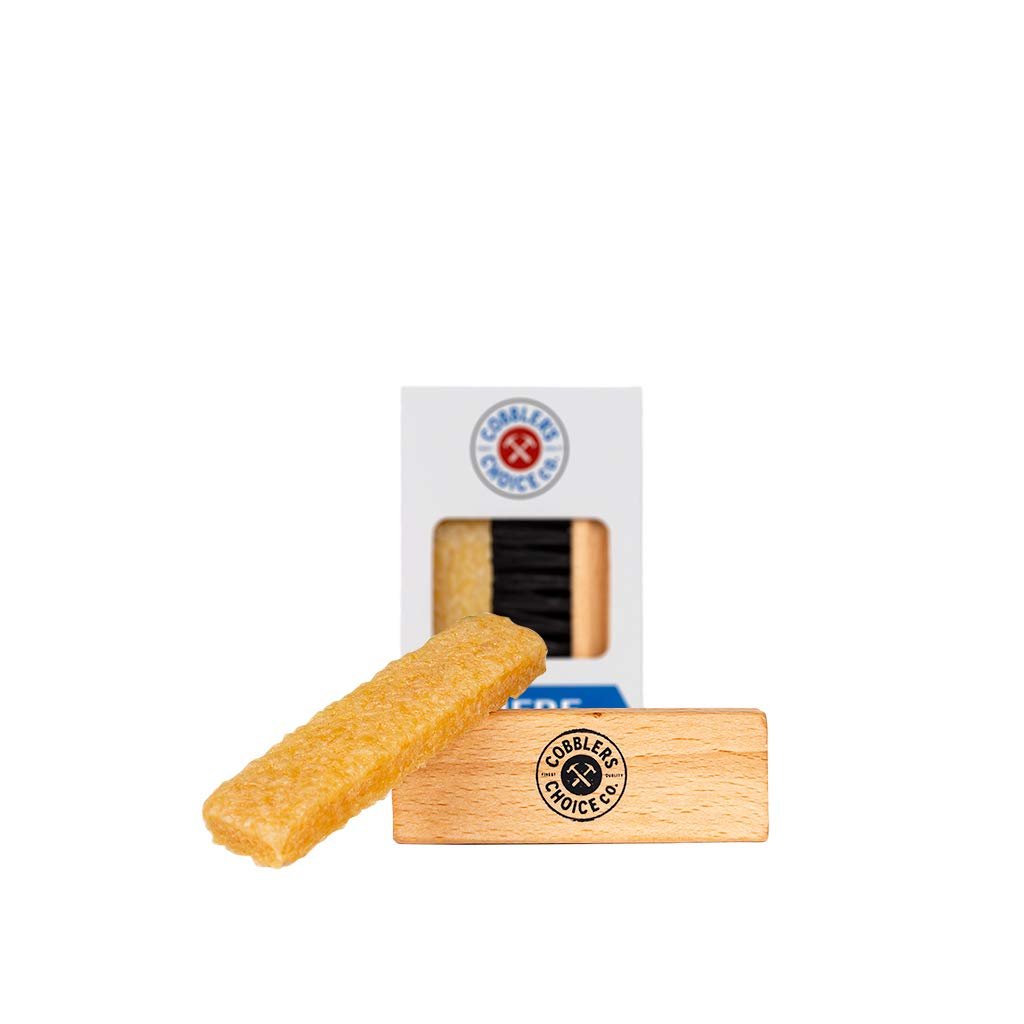
- Soft-bristle brush (a clean dry nail brush or suede brush works perfectly)
- Vacuum with upholstery attachment
- Baking soda (for odors)
- White vinegar (for mildew)
Safety Precautions
Check the care tag before cleaning. Most microsuede and faux suede sofas are coded S (solvent only) or WS (water and solvent). S-coded pieces must not be cleaned with water — it causes permanent watermarks. Rubbing alcohol is the safe cleaning agent for S-coded microsuede because it evaporates quickly without leaving the watermark that plain water causes. Never use bleach, colored cloths, or abrasive scrubbers on microsuede. Test in a hidden area before cleaning any visible surface.
Understanding Microsuede and Faux Suede
Microsuede (also called microfiber suede) is a tightly woven fabric made from ultra-fine polyester or polyester-nylon blend fibers. The nap — that soft, directional texture — is created by splitting or raising these micro-fibers at the surface. Faux suede is a broader term that includes microsuede as well as other synthetic suede alternatives. Both are highly durable and stain-resistant compared to genuine suede, but they require the same care technique: always restore the nap after cleaning.
How to Clean Microsuede and Faux Suede Furniture
Step 1: Vacuum the Entire Surface
Use the soft upholstery attachment to vacuum the entire furniture surface. Vacuum in the direction of the nap (the “smooth” direction). Remove cushions and vacuum all surfaces including the base, arms, and under-cushion area. This removes dry soil before any cleaning agent is applied.
Step 2: Apply Rubbing Alcohol to Soiled Areas
Pour rubbing alcohol into a spray bottle. Spray lightly onto the stained or dirty area — do not saturate. For general cleaning of the whole piece, work in sections of about 1 square foot at a time. The alcohol should dampen the fabric but not drip. Rubbing alcohol cleans effectively because it dissolves body oils and many common stains, then evaporates completely without leaving water stains.
Step 3: Scrub Gently in Circular Motions
Using a white sponge or white microfiber cloth, scrub the alcohol-dampened area in small circular motions with light to moderate pressure. You will see the dirt transfer to the sponge — rotate to a clean section of sponge or cloth frequently. Continue until no more soil is transferring. For stubborn stains, apply a second spray of alcohol and repeat.
Step 4: Allow to Dry
Rubbing alcohol evaporates quickly — most areas will be dry within 5–10 minutes at room temperature. Do not apply heat to speed drying — the alcohol dries fast on its own. The fabric may look stiff or slightly crushed as it dries. This is normal and is corrected in the next step.
Step 5: Brush the Nap to Restore Texture
Once completely dry, use a soft-bristle brush (nail brush, suede brush, or clean toothbrush) to brush the entire cleaned area in one consistent direction. Use firm strokes that “raise” the nap upward. This step is the secret to keeping microsuede looking like new — without it, cleaned areas look flat and dull compared to the surrounding fabric. Brush the full piece in one direction for a uniform appearance.
Deep Cleaning the Entire Piece
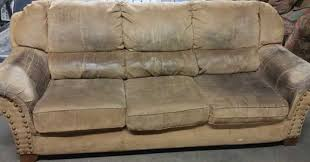
For a full refresh of a microsuede or faux suede sofa, work section by section across the entire surface using the rubbing alcohol method. This typically takes 1–2 hours for a full sofa. Work from back panels → arms → seat cushions. Allow each section to dry before moving to adjacent sections to prevent over-wetting. After the full sofa is cleaned and dry, do one final full brush of the entire surface in one direction to unify the nap appearance. The result should look close to new.
Removing Specific Stains
Ink and Ballpoint Pen
Apply rubbing alcohol directly to a white cloth — not the fabric — then dab onto the ink stain. The alcohol dissolves ballpoint pen ink on microsuede effectively. Blot repeatedly with a clean section of cloth. Do not rub — rubbing spreads the ink. Multiple applications may be needed for dark ink stains.
Food and Grease
Blot fresh food stains immediately with a dry cloth. Apply cornstarch to fresh grease and let sit 15 minutes, then brush off. Apply rubbing alcohol and scrub gently with a white sponge. For dried food stains, lightly rehydrate with a drop of cold water first (on WS-coded pieces) or a small spray of alcohol to soften, then scrub.
Pet Odors and Urine
Mix 1 tablespoon white vinegar with 1 tablespoon water and apply to the affected area (on WS-coded pieces). Blot dry. Apply an enzyme cleaner (Nature’s Miracle) and allow 15-minute dwell time. Blot dry. Sprinkle baking soda over the area, allow to sit 1–2 hours, then vacuum and brush the nap. For S-coded pieces, use the enzyme cleaner check first — some enzyme cleaners are water-based and not suitable for S-coded fabrics.
Pro Tips and Common Mistakes
- Always brush the nap after cleaning: This is the single most important step for microsuede maintenance. Skipping it makes cleaned areas look obviously different from uncleaned ones.
- Use white cloths and sponges only: Colored materials can transfer dye to microsuede, especially when wet with alcohol. Use only white cleaning materials.
- Don’t use water on S-coded microsuede: Even a small amount of water leaves a visible ring on S-coded microsuede that is difficult to remove. Rubbing alcohol is your safe choice.
- Vacuum regularly to prevent soil buildup: Microsuede’s fine fibers trap pet hair and dust deeply. Weekly vacuuming significantly extends the time between needed deep cleanings.
- Spot test rubbing alcohol first: While safe for the vast majority of microsuede fabrics, always test on a hidden seam. Some very dark or vivid dye colors can very slightly lighten with repeated alcohol applications.
Troubleshooting
The Fabric Looks Stiff After Cleaning
Stiffness after cleaning is the alcohol leaving a slight residue from dissolved dirt in the fibers. Brush the nap firmly and repeatedly with a soft-bristle brush. The brushing action restores the fiber structure and eliminates stiffness. For persistent stiffness, a second very light alcohol spray followed by immediate brushing usually resolves it.
There Is a Watermark on S-Coded Microsuede
Dampen the entire cushion face evenly with a very light spray of rubbing alcohol (not water). This evens out the moisture boundary and prevents a new ring from forming. Brush immediately and dry quickly. Feathering the alcohol application beyond the watermark edge prevents a new boundary.
Frequently Asked Questions
Can I use baby wipes to clean microsuede?
Baby wipes contain water and often oils or lotions — they can leave watermarks and residue on microsuede. Stick to rubbing alcohol and white cloths for reliable, residue-free results.
What is the difference between microsuede and microfiber?
Microfiber is the broad category of ultra-fine synthetic fabric. Microsuede is a specific type of microfiber with a raised, napped surface that mimics suede leather. All microsuede is microfiber, but not all microfiber is microsuede. Cleaning methods for both are similar — rubbing alcohol for S-coded, dish soap/water for W-coded.
How do I remove a dried stain from microsuede?
Lightly spray rubbing alcohol over the dried stain to rehydrate it. Allow 30 seconds to soften. Scrub gently with a white sponge in circular motions. For extremely set stains, a commercial upholstery spot cleaner like Folex applied to a cloth (not directly to the fabric) and blotted gently is effective.
Can microsuede go in the washing machine?
Removable microsuede cushion covers can sometimes be machine washed on a very gentle cold cycle — check the cover’s care tag specifically. Full microsuede sofas cannot be machine washed. Air dry covers completely and brush the nap before reinstalling on cushion forms.
Conclusion
Cleaning microsuede and faux suede furniture is actually simpler than it looks — rubbing alcohol, a white sponge, and a soft-bristle brush are all you need for 90% of cleaning tasks. The brush step afterward is what most people skip, and it’s what makes the difference between a sofa that looks maintained and one that looks dull and matted. Clean regularly, brush the nap every time, and your microsuede furniture will stay soft and great-looking for years. For related fabric care, see our guide on How to Clean a Sofa.
