
Chenille is one of the softest, most luxurious sofa fabrics — those fuzzy, velvety fibers feel great but snag, flatten, and watermark easily if cleaned incorrectly. The key to cleaning chenille is minimal moisture, no rubbing, and brushing the pile back in one direction after cleaning. This guide shows you exactly how to spot clean, deep clean, and restore a chenille sofa so it stays plush and even-toned without watermarks or crushed pile.
What You’ll Need
- Vacuum with soft upholstery brush attachment
- Clean white microfiber cloths (3–4)
- Mild dish soap or upholstery shampoo
- Cold water
- Rubbing alcohol (70% isopropyl) — for S-coded chenille
- Spray bottle
- Soft-bristle clothes brush or chenille-safe fabric brush
- Fan or hair dryer (cool setting)
Safety Precautions
Check your sofa’s care tag before cleaning. Chenille sofas are commonly coded W (water safe), S (solvent only), or WS (both). Many chenille blends — particularly those with a cotton or viscose base — are coded S, meaning water causes permanent watermarks. Never skip the care tag check. Always test your cleaning solution on the inside seam of a back cushion before applying to any visible area. Do not scrub chenille — the pile structure catches and snags on abrasive materials or aggressive scrubbing motions.
Understanding Chenille Fabric
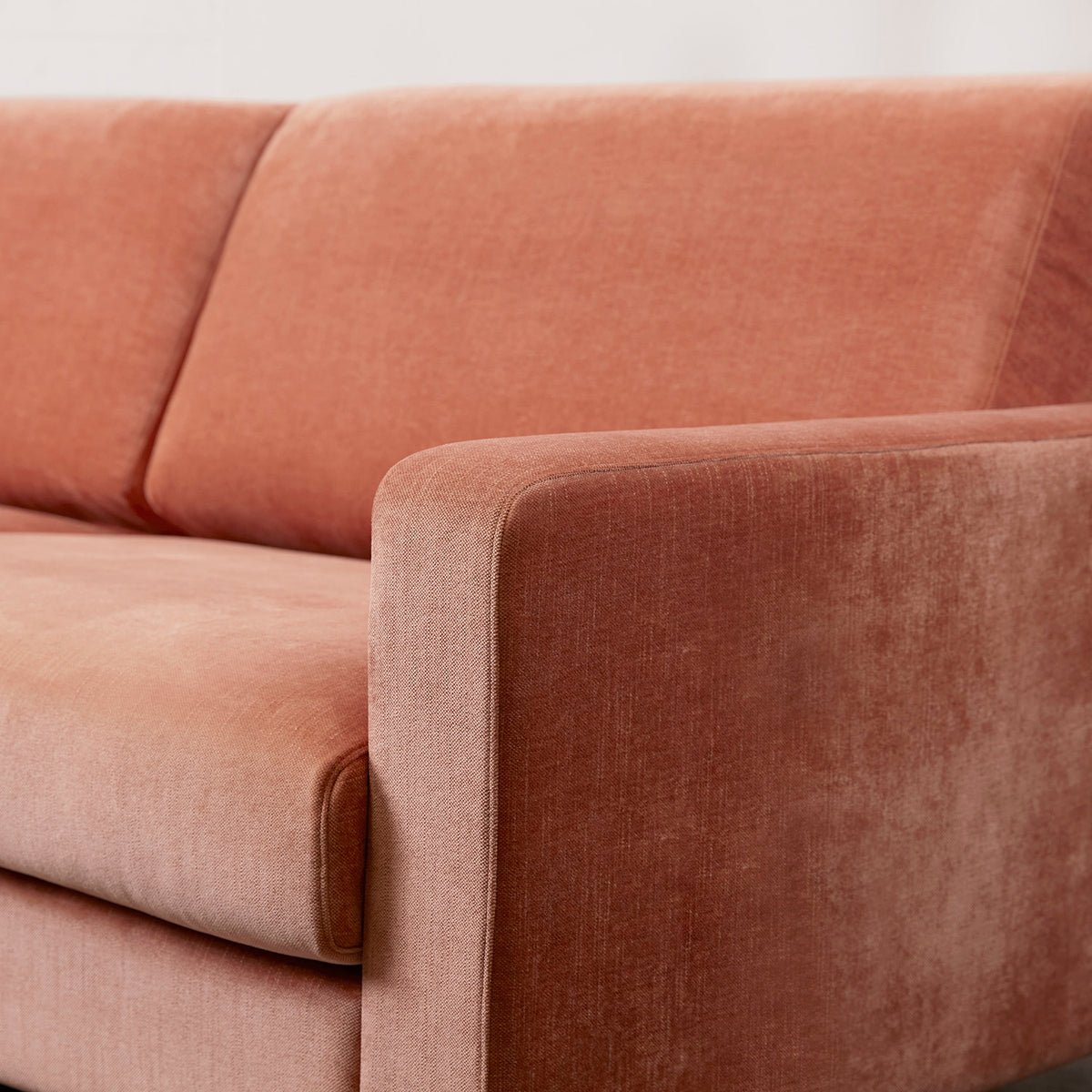
Chenille (French for “caterpillar”) is made by weaving short lengths of yarn perpendicular to a core thread, creating a fluffy, textured pile. This construction makes chenille extremely soft but also directional — the pile lies in one direction (run your hand across it and you’ll see it lighten or darken depending on direction). Cleaning chenille incorrectly causes the pile to flatten, crush, or develop permanent directional inconsistencies that look like stains even when clean. Restoring pile direction after cleaning is just as important as the cleaning itself.
How to Clean a Chenille Sofa Step by Step
Step 1: Vacuum Gently With the Pile Direction
Attach the soft upholstery brush to your vacuum and vacuum the entire chenille surface using long, light strokes in the direction of the pile (the direction the fabric looks “smooth” or lighter). Do not vacuum against the pile — this pulls and snags the yarn loops. Remove all cushions and vacuum the base, seams, and under-cushion areas with the crevice tool. This removes dry debris before any wet cleaning.
Step 2: Mix Your Cleaning Solution (W or WS Code)
For water-safe chenille: mix 1 teaspoon of mild dish soap into 2 cups of cold water. Shake gently until very lightly sudsy. Cold water is essential — warm water can cause some chenille blends (especially those with viscose or rayon) to shrink or felt. For S-coded chenille: use rubbing alcohol in a spray bottle instead of any water-based solution.
Step 3: Apply Minimal Solution
Dampen — do not soak — a clean white microfiber cloth in your cleaning solution and wring it until nearly dry. Gently press the cloth onto the soiled area using light dabbing pressure. Do not rub or scrub. The goal is to transfer the cleaning solution to the fiber, not to aggressively work the fabric. Work on a small section (12×12 inches) at a time so moisture doesn’t spread beyond the cleaned area.
Step 4: Blot, Don’t Rub
After applying the cleaning solution, blot the area with a fresh dry white cloth — pressing gently and lifting straight up. Rotate to a clean section of cloth after each blot to avoid redepositing soil. Continue blotting until no more transfer of dirt or stain appears on the cloth. If a stain persists, apply a second round of cleaning solution and repeat — do not increase pressure or change to scrubbing motions.
Step 5: Rinse the Area
Dampen a clean white cloth with plain cold water only — wring until barely damp. Blot the cleaned area to remove any soap residue. Soap left in chenille fibers attracts dirt more rapidly after cleaning. Do not over-wet during rinsing — a single pass with a barely damp cloth is sufficient.
Step 6: Dry Quickly
Dry the cleaned area as quickly as possible with a fan or cool hair dryer setting. Speed of drying directly prevents watermarks — slow drying allows moisture to wick to the edges of the damp area and leave a visible ring. Keep the fan directed at the cleaned section until completely dry to the touch.
Step 7: Restore the Pile Direction
Once the fabric is completely dry, use a soft-bristle clothing brush or a clean soft toothbrush to gently stroke the chenille pile back in one consistent direction. Work in the same direction as the natural pile lay (the direction it appeared “smooth” before cleaning). This step restores the even, plush appearance of the fabric and eliminates any flattened or disrupted areas from the cleaning process.
Removing Specific Stains From Chenille
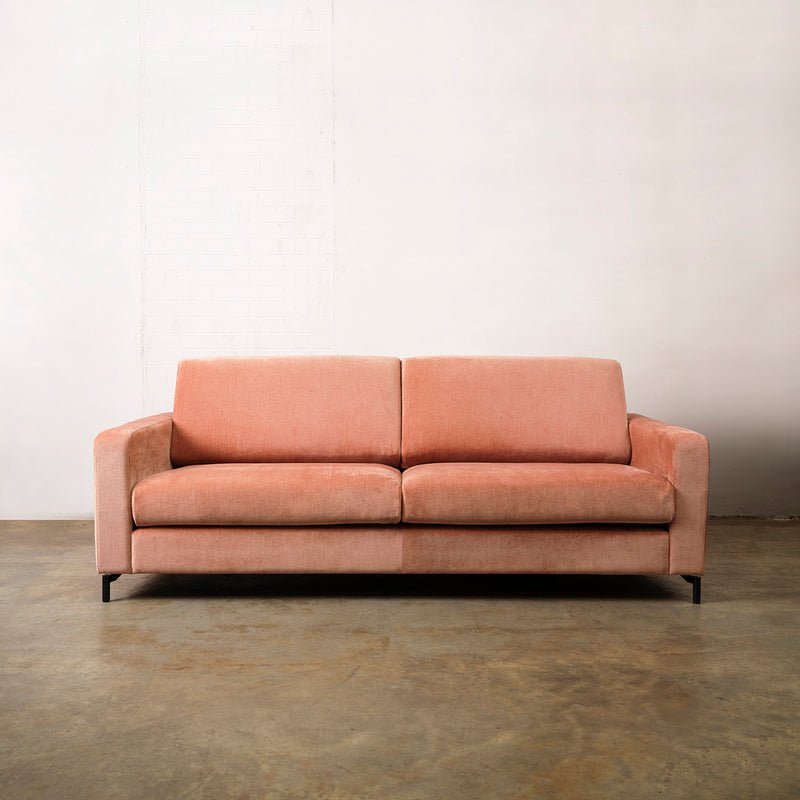
Food and Drink Stains
Blot up as much of the spill as possible immediately with a dry cloth — press and lift, don’t rub. Mix 1 tsp dish soap and 1 tsp white vinegar in 2 cups cold water. Apply with a barely damp cloth, blot, rinse, and dry. For wine or coffee, a club soda application immediately after the spill is highly effective before the stain sets.
Grease Stains
Apply cornstarch directly to the fresh grease stain. Let sit 15 minutes to absorb the oil. Gently brush off the cornstarch. Apply a small amount of dry-cleaning solvent or dish soap with a damp cloth, blot, and rinse. Do not rub grease stains — this spreads them and embeds them deeper in the pile.
Pet Hair Removal
Pet hair embeds deeply in chenille’s looped pile. Use a rubber glove or rubber lint roller with firm strokes across the pile to pull hair up. A slightly damp rubber glove works better than most lint rollers on chenille because the rubber creates friction without snagging the yarn. Follow with vacuuming using the soft upholstery brush.
Deep Cleaning Chenille
For a full sofa refresh, work section by section across the entire chenille surface using the dish soap solution and the blot-rinse-dry method above. Clean the back panels first, then arms, then seat cushions last. Do not attempt to deep clean the entire sofa in one pass — work in manageable sections and dry each section with a fan before moving to the next. This prevents over-wetting any area. After the full sofa is cleaned and dry, brush the entire pile in one consistent direction to unify the fabric appearance.
Pro Tips and Common Mistakes
- Never scrub chenille: Scrubbing pulls, snags, and permanently damages the pile structure. All cleaning must be done with gentle blotting — no exceptions.
- Brush pile direction after every cleaning: Restoring pile direction after any wet cleaning is what separates a well-maintained chenille sofa from a flat, uneven-looking one.
- Cold water only: Warm or hot water causes some chenille fibers (especially viscose/rayon blends) to felt, shrink, or change texture permanently.
- Work quickly to dry: The faster the fabric dries after cleaning, the fewer watermarks and pile disruptions result.
- Use a lint roller weekly: Regular light maintenance prevents soil and pet hair from accumulating in the pile, reducing the need for wet cleaning and extending the sofa’s appearance.
Troubleshooting
There Is a Watermark After Cleaning
Watermarks on chenille form when the cleaning solution dries unevenly. To remove: dampen the entire cushion face or panel evenly with a lightly damp cloth (not just the watermark), which eliminates the edge boundary as it dries evenly. Dry immediately with a fan and restore pile direction. Feathering moisture evenly across the full panel prevents new marks from forming.
The Pile Looks Flat After Cleaning
Flattened pile after cleaning means the fabric was rubbed or over-wetted. Once fully dry, use a soft-bristle clothing brush and stroke firmly in one direction repeatedly. For severely crushed areas, hold a steam iron 6 inches above the fabric (no contact) and let steam hit the area while brushing simultaneously — the heat relaxes the fibers and makes them easier to restore. Do not let the iron touch the chenille.
Frequently Asked Questions
Can chenille go in the washing machine?
Removable chenille cushion covers sometimes allow machine washing on a very gentle, cold cycle — check the care tag on the cover specifically. Full chenille sofas cannot be machine washed. If the care tag says machine washable, use cold water, gentle cycle, mild detergent, and air dry flat — never use a hot dryer.
How do I remove a stubborn stain from chenille?
For stubborn stains on W-coded chenille, try a commercial upholstery cleaner like Folex Instant Carpet Spot Remover — apply to a cloth, blot gently, and rinse. For S-coded chenille, a professional dry cleaning solvent applied sparingly and blotted immediately. For any stain that doesn’t respond to DIY treatment, consult a professional upholstery cleaner to avoid permanent damage.
How often should I clean a chenille sofa?
Vacuum weekly using the soft upholstery attachment. Spot-treat stains immediately as they occur. Deep clean (full wet clean) every 6–12 months depending on use. Regular light maintenance dramatically extends the time between deep cleans needed.
Does chenille stain easily?
Chenille’s looped pile structure traps liquid and particles — it does stain more easily than tightly woven fabrics. However, because the pile is absorbent, immediate blotting can prevent many spills from permanently staining. Quick action is far more important than the choice of cleaning product.
Conclusion
Cleaning a chenille sofa successfully requires restraint — minimal moisture, no rubbing, and a careful hand with the brush afterward. The most common mistakes are over-wetting and scrubbing, both of which cause visible damage. Treat stains immediately, use cold water, blot gently, dry fast, and restore the pile direction — those five rules will keep your chenille sofa plush and beautiful for years. For related fabric sofa care, see our complete guide on How to Clean a Sofa.
