
A cool mist humidifier — including Crane brand models — needs cleaning every 3 days to a week during active use. A humidifier that isn’t cleaned regularly grows mold and bacteria in the water tank and base, then disperses those microorganisms as a fine mist into the air you breathe. The cleaning process takes about 20 minutes and uses two common household products: white vinegar (for mineral deposits) and diluted bleach or hydrogen peroxide (for sanitizing mold and bacteria). Here’s exactly how to do it.
What You’ll Need
Tools
- Soft brush or bottle brush
- Clean cloth or sponge
- Measuring cup
Materials
- White vinegar (undiluted)
- Household bleach (3% chlorine, for sanitizing) OR hydrogen peroxide 3%
- Water
What NOT to Use
- Abrasive scrubbers (scratch plastic tanks)
- Bleach and vinegar together (they react and produce harmful chlorine gas)
- Any scented cleaners or essential oils in the tank (damages components)
Safety and Precautions
- Never mix bleach and vinegar — they produce chlorine gas, which is toxic. Use vinegar first (rinse completely), then bleach in a separate step, or choose one or the other for sanitizing.
- Unplug the humidifier before cleaning — never clean while it is running or plugged in.
- Never submerge the electrical base in water — only the removable tank and non-electrical components should be washed.
- Use cool water when rinsing — hot water can warp plastic components in some humidifier models.
Weekly Cleaning Schedule for Cool Mist Humidifiers
| Task | Frequency |
|---|---|
| Empty and rinse water tank | Daily |
| Wipe down base and fill with fresh water | Daily |
| Full cleaning with vinegar and sanitizer | Every 3 days to weekly |
| Replace wicking filter (if applicable) | Every 1–3 months |
| Full disassembly deep clean | Monthly |
Step-by-Step: How to Clean a Cool Mist Humidifier
Step 1 — Unplug and Disassemble
Unplug the humidifier completely before touching any components. Remove the water tank from the base. On most cool mist humidifiers (including Crane models), the tank lifts off the base, and the tank cap or fill cap can be unscrewed for access to the interior. Separate all removable parts: tank, tank cap, any trays or reservoirs in the base, wicking filter (if present). Set electrical components aside — only non-electrical plastic components go into the cleaning process.
Step 2 — Empty All Water
Empty all remaining water from the tank and base. Never let water sit in a humidifier between uses — standing water is the primary source of bacterial and mold growth. Pour out the tank completely, turn it upside down and shake to dislodge any remaining water, and allow it to drain fully. Empty the base reservoir as well by tilting gently over a sink.
Step 3 — Descale the Tank with Vinegar
Fill the water tank with undiluted white vinegar to cover the bottom 2–3 inches (approximately 1–2 cups depending on tank size). Screw on the cap, shake vigorously for 30 seconds to coat all interior surfaces, then set the tank upside down to allow vinegar to drain into the cap area. Let it soak for 15–30 minutes. The acetic acid in vinegar dissolves calcium and mineral deposits (white crust or scale) that accumulate from tap water. After soaking, shake again and use a soft bottle brush to scrub the interior surfaces. Empty and rinse thoroughly with clean water until the vinegar smell is gone.
Step 4 — Clean the Base Reservoir with Vinegar
Pour 1 cup of undiluted white vinegar into the base reservoir (the part that holds water below the tank). Swish it around to coat all surfaces. Use a soft brush or sponge to scrub the reservoir walls, bottom, and any tight corners. Pay particular attention to the area around the misting element (the ultrasonic disc or wick) where mineral buildup concentrates. Allow the vinegar to soak for 15 minutes, then scrub and empty. Rinse with clean water several times.
Step 5 — Clean the Ultrasonic Disc or Transducer (Ultrasonic Models)
Ultrasonic cool mist humidifiers have a small metal disc in the base that vibrates to create the mist. This disc develops a layer of mineral scale that reduces misting output and efficiency. With the base unplugged and empty of water, dampen a cotton swab with undiluted white vinegar and gently rub the disc surface. Never scrape the disc with hard objects — it is a precision component. Scrub lightly with the vinegar-soaked swab until the white scale is dissolved. Rinse with a damp cloth. A clean transducer produces noticeably stronger mist output.
Step 6 — Sanitize to Kill Bacteria and Mold
After descaling with vinegar (and rinsing completely), sanitize all components. Option A — Bleach: Mix 1 teaspoon of bleach per gallon of water. Fill the tank with this solution, shake, and let sit for 15–20 minutes. Fill the base with the same solution and allow to soak. Rinse both extremely thoroughly — multiple rinse cycles until no bleach smell remains. Option B — Hydrogen peroxide: Mix 2 tablespoons of 3% hydrogen peroxide per gallon of water. Soak the same way for 15–20 minutes. Rinse thoroughly. Hydrogen peroxide is less effective against hard biofilm but is gentler on components and has no odor issue.
Step 7 — Clean the Wicking Filter (Evaporative Models)
Evaporative cool mist humidifiers (including some Crane models) use a wicking filter that absorbs water for evaporation. Wicking filters cannot be cleaned with vinegar or bleach — these treatments can destroy the filter media or leave chemical residues. Rinse the filter under cool running water to remove loose mineral deposits. Allow to air dry completely before reinstalling. Most wicking filters should be replaced every 1–3 months during active use — a filter with heavy brown or gray discoloration has exceeded its useful life and should be replaced, not cleaned.
Step 8 — Wipe Down the Exterior
Wipe the exterior of the humidifier housing, cord wrap area, and any external surfaces with a damp cloth. The exterior often collects dust that can be drawn into the humidifier and dispersed in the mist. Allow all surfaces to dry completely before reassembly.
Step 9 — Reassemble and Refill with Clean Water
Reassemble all components after confirming every part is completely dry — residual moisture in the tank when stored promotes immediate new growth. Fill the tank with fresh, cool water. For the best results, use distilled water — it contains no minerals, so there’s no scale accumulation and the mist is completely pure. If using tap water, a demineralization cartridge (available for most humidifier models) significantly reduces mineral deposit buildup between cleanings.
Cleaning a Crane Humidifier Specifically
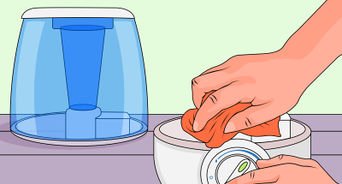
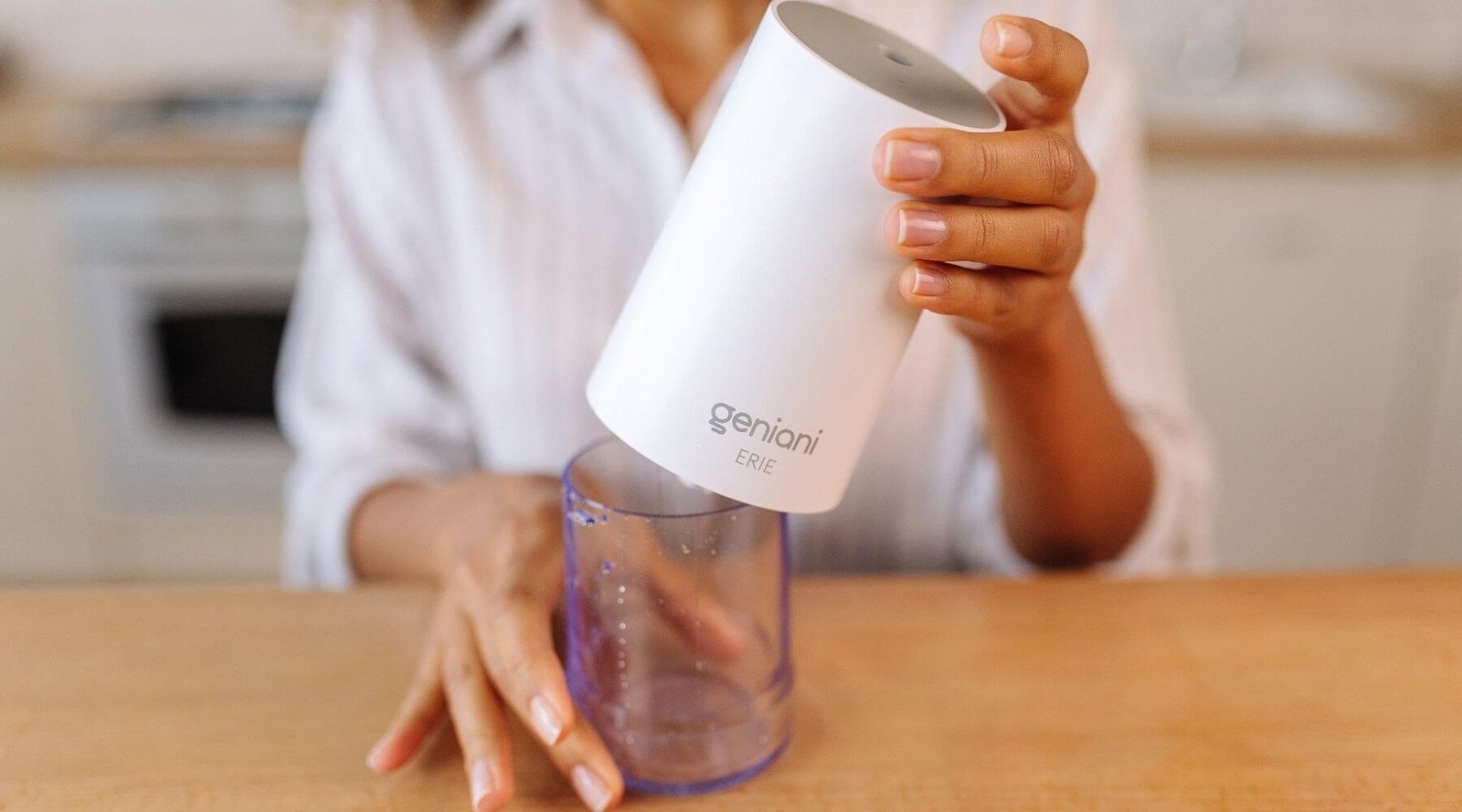
Crane cool mist humidifiers follow the same process above. The distinguishing features of most Crane models: a top-fill tank with a wide-mouth opening (makes interior scrubbing easier), an ultrasonic transducer in the base (clean with vinegar-soaked cotton swab as described in Step 5), and a removable water tray inside the base. Remove the tray for individual cleaning. Crane replacement filters (for models that use them) are available online and should be swapped out every 1–3 months during active use.
Pro Tips for Humidifier Maintenance
- Empty the tank daily and refill with fresh water — never let water sit in a humidifier for more than 24 hours without emptying and refilling.
- Use distilled water to virtually eliminate mineral scale and white dust issues. The cost of distilled water is offset by dramatically reduced cleaning frequency and filter replacement.
- A pink tinge in the water tank indicates bacterial growth (Serratia marcescens bacteria). Clean immediately with the full vinegar and bleach sanitizing process and replace the water with fresh distilled water.
- Store clean and dry at the end of the season — always clean the humidifier before storage, then leave the tank cap off and let everything air dry for 24–48 hours before boxing it up.
Frequently Asked Questions
How often should I clean my cool mist humidifier?
Every 3 days at minimum during active use — weekly if you use distilled water. The CDC and EPA recommend cleaning humidifiers every third day, draining and refilling daily, and doing a deep clean weekly during the season. More frequent cleaning is needed if you use tap water, notice cloudiness in the water, smell any odors, or see any discoloration on tank surfaces.
Can I use bleach to clean a humidifier?
Yes — diluted bleach (1 teaspoon per gallon of water) is safe for plastic humidifier tanks and base reservoirs. Allow to soak for 15–20 minutes, then rinse extremely thoroughly. Never use full-strength bleach. Never mix bleach with vinegar. If uncertain about rinsing adequately, use hydrogen peroxide instead — it’s less effective but leaves no residue.
Why is my humidifier leaving white dust everywhere?
White dust from an ultrasonic cool mist humidifier is mineral residue from tap water — the humidifier vaporizes water and leaves the minerals behind as fine white particles that deposit on furniture. The fix is using distilled water (no minerals = no white dust) or adding a demineralization cartridge to the tank.
How do I know if my humidifier has mold?
Signs of mold or bacterial growth: visible dark or black spots on the tank interior or base, a musty or sour odor from the mist, pink or red coloring in the water (bacteria), or a slimy film on any interior surface. All these indicate the humidifier needs immediate cleaning with the full vinegar-then-bleach process.
Can I put vinegar directly in the humidifier while it runs?
No — do not run the humidifier with vinegar in the tank as a cleaning method. The vinegar mist dispersed into the air can irritate lungs and mucous membranes. Vinegar is for cleaning during disassembly, with the unit unplugged — not for operation. Some manufacturers also note that vinegar can damage rubber seals and certain plastic components if left in the tank too long.
Conclusion
A cool mist humidifier stays clean and safe with a simple routine: drain and refill daily, clean with vinegar (for scale) and bleach or hydrogen peroxide (for sanitizing) every three to seven days, replace wicking filters every one to three months, and store completely dry at season’s end. The 20 minutes of regular cleaning time is far better than breathing the mold and bacteria a neglected humidifier disperses.
For other home appliance cleaning, check our guide on How to Clean a Cloudy Mirror for the bathroom space where humidifiers often run. And to keep your home’s air quality high, see our related HVAC care tips in the How to Clean a Clogged Drip System guide.
