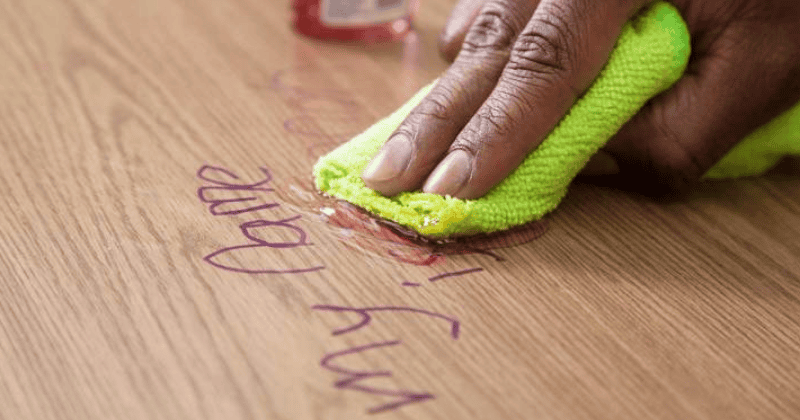
Ink and permanent marker on wood furniture are not the same problem — and they don’t respond to the same fixes. Ballpoint ink dissolves with rubbing alcohol; permanent marker on finished wood comes off with acetone or a dry-erase marker trick; ink on bare wood requires a different approach entirely. Knowing your wood’s finish is step one. Act fast on fresh marks — the longer they sit, the deeper they penetrate.
What You’ll Need
Tools
- Cotton balls or cotton swabs
- Soft white cloths
- Toothbrush (soft bristle)
- Small bowl
Materials — Choose Based on Stain Type
- Rubbing alcohol (isopropyl, 70% or 91%) — for ballpoint ink on finished wood
- Acetone nail polish remover — for permanent marker on finished wood
- Dry-erase marker — for permanent marker (the solvent trick)
- Non-gel white toothpaste — for light ink on finished wood
- Baking soda + dish soap paste — for bare or unfinished wood
- Oxalic acid wood bleach — for deep ink stains on bare wood
- Fine-grit sandpaper (220 grit) — for bare wood, last resort
- Wood polish or paste wax — for finishing after stain removal
Safety and Precautions
- Test every cleaner in a hidden spot first. Acetone can strip lacquer and varnish — on finished wood, test carefully and work quickly.
- Use acetone sparingly. Apply only to the stain itself, not surrounding wood. Acetone dissolves most wood finishes if you apply too much.
- Ventilate the area when using acetone, rubbing alcohol, or any solvent-based product.
- Never soak bare wood with any liquid — it raises the grain and can cause warping.
- Work from the outside of the stain inward to avoid spreading the ink to a larger area.
Step-by-Step: How to Remove Ink from Wood Furniture
Step 1 — Identify the Stain Type and Finish
Determine what kind of ink you’re dealing with. Ballpoint ink is oil-based and responds to alcohol. Permanent marker (Sharpie) is alcohol-based with a lacquer binder — it actually resists rubbing alcohol on finished surfaces. Felt-tip ink and fountain pen ink are water-based and easier to remove. Then identify your wood finish: run your finger across the surface. A smooth, slightly plasticky feel means it’s lacquered or varnished. A matte, slightly rough feel may indicate bare or lightly oiled wood.
Step 2 — Blot Fresh Ink Immediately
If the ink is still wet, blot — don’t wipe or rub — with a clean white cloth. Rubbing spreads the ink sideways and pushes it deeper into the grain. Blot gently from the outer edge of the stain toward the center. Replace the cloth section as soon as it picks up color. Remove as much as possible before applying any cleaner.
Step 3 — Remove Ballpoint Ink from Finished Wood with Rubbing Alcohol
Dip a cotton ball in rubbing alcohol (70% or 91%) and apply it directly to the ink stain. Let it sit for about 30 seconds to dissolve the oil-based ink. Then blot and gently rub from the outside edge of the stain inward. The alcohol dissolves the oil-based binder in ballpoint ink. Work in small motions and replace cotton balls frequently. Once the ink is gone, wipe the area with a damp cloth to remove alcohol residue, then dry immediately and buff with furniture polish or paste wax to restore the finish.
Step 4 — Remove Permanent Marker from Finished Wood
Permanent marker requires a different strategy. First, try the dry-erase marker trick: scribble over the permanent marker stain with a dry-erase marker, then wipe both away immediately with a dry cloth. The solvent in the dry-erase marker reactivates and carries away the permanent marker pigment. This works surprisingly well on freshly applied marks.
For older permanent marker stains, apply a small amount of acetone (nail polish remover) to a cotton swab and dab — not rub — directly on the marker line. Work quickly and use the minimum amount needed. Acetone removes the lacquer binder that holds permanent marker pigment, lifting the stain. Immediately follow with a damp cloth to remove acetone, then buff the area with paste wax or furniture polish to protect the finish you may have slightly dulled.
Step 5 — Remove Ink from Bare or Unfinished Wood
Bare wood is more porous, meaning ink soaks in quickly and spreads wider. Make a paste of baking soda and a few drops of dish soap. Apply it to the stain, let it sit for five minutes, then scrub gently with a soft toothbrush following the grain. Rinse with a barely damp cloth and dry immediately. For stubborn ink stains that have soaked into bare wood, oxalic acid wood bleach is the most effective option — mix according to package instructions, apply to the stained area only, let it work for 10–15 minutes, then neutralize with a baking soda and water solution and rinse. This bleaches the stain out of the wood fibers.
Step 6 — Light Sanding for Deep Stains on Bare Wood (Last Resort)
If ink has deeply penetrated bare or unfinished wood and chemical removal hasn’t fully worked, fine sanding is the final option. Use 220-grit sandpaper and sand only the stained area, always following the wood grain. Sand in smooth, even strokes — never in circles. Sand until the stain is gone, then blend the sanded area into the surrounding wood with progressively finer grit (up to 320 or 400 grit) to avoid visible scratch marks. Finish with wood conditioner or a matching stain and sealant.
Step 7 — Try Non-Gel Toothpaste for Light Surface Ink
For light ink marks on finished wood — particularly on tabletops with a hard lacquer finish — non-gel white toothpaste works well. Apply a small amount to the stain and rub gently in the direction of the grain with a soft cloth. The mild abrasive in toothpaste buffs away surface-level ink without damaging the finish. Wipe clean with a damp cloth, dry, then buff with furniture polish. This method works best on recent, light marks and is not suitable for deep stains or bare wood.
Step 8 — Restore the Finish
After removing the stain, any solvent used (especially acetone or rubbing alcohol) may have slightly dulled or stripped a small section of the finish. Apply a matching furniture polish or paste wax to the cleaned area and buff with a clean dry cloth. This restores the sheen and blends the treated spot with the surrounding finish. For bare wood treated with oxalic acid or sanding, apply a matching wood stain followed by a clear sealer or topcoat to match the rest of the piece.
Pro Tips for Ink and Marker Removal
- The faster you act, the better. Fresh ink is always easier to remove than dried, set ink — especially on bare or porous wood.
- Use a cotton swab, not a cloth, for precise application of solvents. Cloths spread the solvent beyond the stain and increase the risk of finish damage.
- The dry-erase marker trick works best on non-porous, finished surfaces — not bare wood or painted surfaces.
- Acetone is your most powerful tool and your biggest risk — it’s highly effective on permanent marker but will strip lacquer finish if you use too much. Less is more.
- After any solvent treatment, always restore the finish with wax or polish to prevent the dulled area from collecting future grime.
Common Mistakes to Avoid
- Scrubbing aggressively: Hard scrubbing spreads ink, damages wood fibers, and scratches finishes. Always use light pressure and blotting motions.
- Using water on bare wood: Water raises the grain and causes the stain to spread laterally through wood fibers. Use solvents, not water.
- Skipping the test patch: Acetone and even rubbing alcohol can dull or strip certain finishes. Always test first on a hidden area.
- Not restoring the finish after removal: The cleaned spot will look dull and different from surrounding areas without a finishing step.
Troubleshooting: When Stains Won’t Come Out
- Ink is set deep into a lacquered surface: The ink has likely bonded with or penetrated through the lacquer. Light sanding followed by spot re-lacquering is the only fix.
- Permanent marker keeps coming back: You may have removed the surface color but not the binder. Apply acetone again and this time follow with rubbing alcohol to remove any residue. Then wax immediately.
- Bare wood stain won’t respond to bleaching: Some inks (particularly from certain felt-tip pens) contain pigments that resist oxalic acid. A two-part wood bleach (sodium hydroxide + hydrogen peroxide) is stronger but requires careful handling — follow product instructions precisely.
- Finish looks dull or discolored after treatment: The solvent stripped a patch of the finish. Sand the area lightly with 400-grit sandpaper and apply a matching topcoat (lacquer, varnish, or polyurethane) to restore the surface.
Frequently Asked Questions
Does rubbing alcohol remove permanent marker from wood furniture?
Rubbing alcohol is less effective on permanent marker than on ballpoint ink, especially on finished wood. Permanent marker uses a lacquer binder that resists alcohol. The dry-erase marker trick or acetone are more effective for permanent marker removal on finished surfaces.
How do I remove ink from an antique wooden table without damaging the finish?
Use the gentlest possible method first: non-gel toothpaste rubbed lightly with the grain. If that doesn’t work, try rubbing alcohol applied precisely with a cotton swab. Avoid acetone entirely on antique surfaces — it will strip shellac and original lacquer finishes that are often irreplaceable on antique pieces.
Can hairspray remove ink from wood furniture?
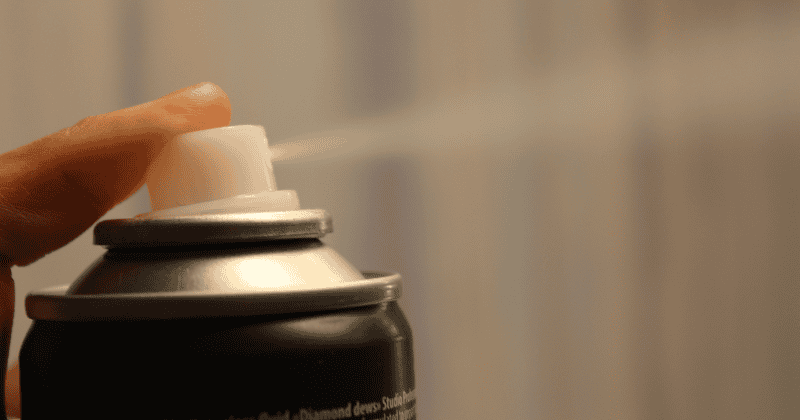
Older hairsprays contained high amounts of alcohol and did work on ink stains. Modern hairsprays are water-based and acrylic-based, which means they won’t effectively remove ink and may leave a sticky residue. Stick with rubbing alcohol for ink removal on finished wood.
What removes Sharpie from a wood table?
For finished wood tables, the dry-erase marker trick works on fresh Sharpie marks. For older stains, apply acetone nail polish remover with a cotton swab directly to the mark, work quickly, then wipe with a damp cloth and buff with furniture polish. Never apply acetone broadly — only directly to the stain.
Will ink stains on wood come out with bleach?
Household chlorine bleach is not recommended for wood — it can discolor, weaken wood fibers, and strip finishes. Oxalic acid wood bleach is the correct type for ink stains on bare wood. It’s sold at hardware stores specifically for wood stain removal and works by chemically breaking down the pigment molecules.
Conclusion
Removing ink and permanent marker from wood furniture is about matching the right solvent to the type of stain and the wood’s finish. Ballpoint ink responds to rubbing alcohol; permanent marker needs the dry-erase trick or acetone; bare wood benefits from baking soda paste or oxalic acid bleach for deep stains. Act fast, test in a hidden spot, work from the outside of the stain inward, and always restore the finish afterward.
Once the stain is out, it’s a good time to protect your furniture. See our guide on How to Clean Wood Furniture for a full maintenance routine. If your piece needs more significant work, check out our article on How to Restore Wooden Furniture for refinishing steps.
