Laminate cabinets are one of the most common cabinet finishes in American kitchens — they’re affordable, durable, and available in virtually every color and wood-grain pattern. But laminate is also unforgiving of the wrong cleaner: harsh chemicals, abrasive scrubbers, and excessive moisture all cause swelling, delamination, or surface scratches that can’t be fixed. This guide shows you exactly how to clean laminate cabinets at every level — from a quick daily wipe-down to a deep grease-stripping clean — without damaging the surface.
Excessive water or soaking (causes swelling and delamination at edges and seams)
Wax or oil-based polishes (leave a sticky film that attracts more grease)
Safety Precautions
Always wring your cleaning cloth until it’s damp — not dripping. Laminate cabinets are susceptible to moisture damage at the edges and seams where the laminate meets the substrate (usually MDF or particleboard). Water that soaks into these edges causes swelling, bubbling, and eventual delamination. Work quickly so that cleaning solution is on the surface for the shortest time necessary, and dry immediately after wiping. Pay extra attention to drying around hinges, drawer pulls, and any edge seams.
Daily and Weekly Routine Cleaning
Step 1: Wipe Down After Cooking
The single best habit for laminate cabinets is a quick wipe-down after every cooking session. A damp microfiber cloth over the cabinet faces and door fronts takes 2 minutes and removes fresh grease splatter before it hardens and bonds to the surface. Fresh grease wipes off with plain water; hardened grease from last week requires dedicated degreasers. This 2-minute habit prevents most deep cleaning sessions entirely.
Step 2: Weekly Soap-and-Water Clean
Once a week, mix a few drops of dish soap into a bowl of warm water. Dampen a microfiber cloth in the solution, wring it thoroughly, and wipe all cabinet faces, door fronts, and drawer fronts. Work from the top of the cabinets down — this prevents dirty drips from running onto already-cleaned surfaces. Wipe in the direction of any wood-grain pattern on textured laminate (going with the grain prevents water from being pushed into the texture channels).
Step 3: Dry Immediately
After every wet wipe-down, go back over all surfaces with a dry microfiber cloth to remove any remaining moisture. This step prevents water marks, soap film, and the edge swelling that results from moisture sitting at cabinet seams.
Deep Cleaning: Removing Built-Up Grease
Kitchen cabinets above the stove and beside the range accumulate heavy grease over time — a combination of vaporized cooking oil and airborne food particles that bake onto the laminate surface in layers. Here’s how to cut through it safely.
Step 1: Make a Degreasing Solution
Fill a spray bottle with 1 cup warm water, 1/4 cup white vinegar, and 1 teaspoon dish soap. This combination is highly effective at cutting through kitchen grease without the harshness of commercial degreasers that can damage laminate. Shake gently to combine — don’t create excessive foam.
Step 2: Spray One Cabinet Section at a Time
Spray the degreasing solution onto one cabinet door or section at a time. Do not spray the entire kitchen at once — you want to wipe and dry quickly before the solution has time to penetrate any seams. Let the spray sit for 30–60 seconds to soften the grease layer.
Step 3: Wipe With a Soft Cloth or Sponge
Wipe the sprayed area with a soft sponge or damp microfiber cloth using circular motions to lift the grease. For stubborn spots, use slightly more pressure and rewipe with fresh solution. You’ll see the grease transfer onto the cloth — change to a clean section of cloth frequently so you’re lifting the grease off rather than smearing it. On heavily grimed surfaces, you may need 2–3 passes.
Step 4: Address Stubborn Spots With Baking Soda Paste
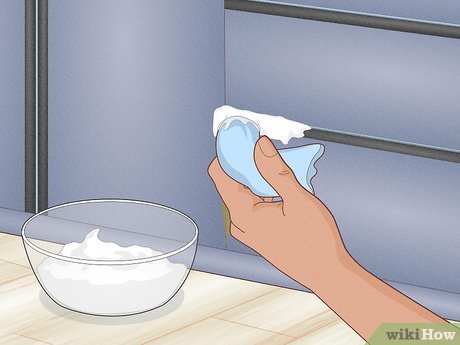
For grease that resists the vinegar solution, make a paste of baking soda and a small amount of dish soap (roughly 2 parts baking soda to 1 part soap). Apply the paste directly to the stubborn spot with a cloth and rub gently in circular motions. Baking soda is a very mild abrasive — gentle enough for laminate but effective against bonded grease. Wipe off completely and rinse with a damp cloth.
Step 5: Rinse and Dry
Wipe the entire cleaned area with a cloth dampened with plain warm water to remove all soap and vinegar residue. Dry immediately with a dry microfiber cloth. Leaving vinegar on laminate long-term can cause slight surface dulling on some finishes — always rinse and dry after using any acidic cleaner.
Cleaning Cabinet Hardware and Hinges
Handles and pulls accumulate body oils and grime faster than the cabinet surface itself. Remove pulls and handles if possible and clean them separately in warm soapy water, rinse, and dry before reinstalling. If hardware is not removable, scrub with a toothbrush dipped in the dish soap solution, wiping away the loosened grime immediately. For stainless or chrome hardware, a little white vinegar on a cloth restores shine. For oil-rubbed bronze or matte black hardware, use only mild soap — acidic cleaners can strip the coating on specialty finishes.For hinges inside the cabinet, a quick wipe with a damp cloth is usually sufficient. Do not soak exposed hinges — water trapped in hinge pivots causes rust that stains the adjacent laminate.
Cleaning Inside the Cabinets
Inside laminate cabinet shelves and walls accumulate food debris, spills, and dust. Remove all items from one cabinet at a time. Wipe shelves with the mild dish soap solution, removing all crumbs and stains. For sticky spills (honey, syrup, oil), spray with the vinegar solution and let sit 2 minutes before wiping. Dry shelf surfaces thoroughly before restocking — moisture under items stored for long periods is the most common cause of laminate shelf swelling. Consider lining shelves with non-adhesive shelf liner to catch spills before they reach the laminate surface.
Removing Specific Stains
Stain Type
Best Treatment
What to Avoid
Grease / cooking oil
Dish soap + vinegar solution
Petroleum solvents
Ink / marker
Rubbing alcohol on a cloth, dab gently
Acetone / nail polish remover
Crayon
Baking soda paste, rub gently
Abrasive scrubbers
Dried food (tomato, etc.)
Warm water soak on cloth, 2-min dwell, wipe
Scraping with metal tools
Water marks / mineral deposits
White vinegar on cloth, wipe and rinse
Bleach
Scuff marks
Magic Eraser with very light pressure
Steel wool or abrasive pads
Pro Tips and Common Mistakes
Always wring the cloth until damp, not wet: Dripping water at seams is the number one cause of laminate cabinet delamination. If you’re dripping, you’re using too much water.
Work top to bottom: Dirty drips running onto already-cleaned lower cabinets mean extra work. Always start at the top of the upper cabinets and work down.
Don’t use Magic Eraser on glossy laminate: Melamine foam is mildly abrasive and will dull a high-gloss laminate finish. Reserve it for textured or matte laminate finishes on isolated stubborn spots only.
Clean the tops of upper cabinets too: The top surfaces of upper cabinets collect a thick layer of grease dust that drips down onto the face frames over time. Clean these areas 2–3 times per year.
Use a clean cloth for every section: A cloth loaded with grease from one cabinet will redistribute that grease onto the next. Rotate to a fresh cloth face frequently.
Troubleshooting
The Laminate Looks Dull or Streaky After Cleaning
Streaks after cleaning are almost always residual soap film. Rewipe the entire surface with a cloth dampened with plain water only, then dry immediately with a clean dry cloth. For persistent dullness, wipe with a 1:1 vinegar-water solution to cut any soap residue, then rinse and dry. Avoid any wax or polish products that claim to “restore shine” to laminate — they leave a buildup that worsens over time.
The Cabinet Edge Is Swelling or Bubbling
Edge swelling means moisture got into the substrate (MDF or particleboard). This is structural damage that cleaning can’t reverse — the swollen area will need to be repaired with wood filler and painted, or the affected door replaced. Prevent future swelling by keeping cleaning cloths wrung drier and drying edges immediately after cleaning.
There’s a Sticky Film on the Cabinets That Won’t Come Off
Sticky film is usually a combination of cooking oil residue and whatever cleaning product was used previously. Apply the baking soda-dish soap paste, rub with a cloth, and wipe off. If the film persists, it may be a wax or silicone residue from a previous cleaner — use a small amount of rubbing alcohol on a cloth to cut through it, then wash with mild soap and water.
Frequently Asked Questions
Can I use vinegar to clean laminate cabinets?
Yes — diluted white vinegar (1 part vinegar to 4 parts water) is safe and effective for routine cleaning and degreasing. Always rinse with plain water after using vinegar and dry immediately. Do not use undiluted vinegar repeatedly on laminate — while occasional use is fine, prolonged acid exposure can affect the surface sheen over time.
How do I get grease off laminate kitchen cabinets?
Mix 1 cup warm water, 1/4 cup white vinegar, and 1 tsp dish soap in a spray bottle. Spray on the greasy area, let sit 30–60 seconds, then wipe with a microfiber cloth. For extremely heavy grease buildup, use a baking soda and dish soap paste applied with a cloth and rubbed in circular motions. Never use petroleum solvents or commercial degreasers — they can damage the laminate bonding layer.
What is the best cleaner for laminate cabinets?
The best everyday cleaner for laminate cabinets is plain warm water with a few drops of dish soap, applied with a wrung-out microfiber cloth. For heavier cleaning, the DIY vinegar-soap-water spray described in this guide outperforms most commercial “cabinet cleaners” and won’t damage laminate. Avoid any cleaner containing bleach, ammonia, or abrasive particles.
How do I remove sticky residue from laminate cabinet?
Sticky residue from labels, tape, or cooking grease responds well to rubbing alcohol (dab, don’t rub vigorously) followed by a mild soap wash. For stubborn adhesive residue, apply a small amount of cooking oil to the spot, let sit 2 minutes, then wipe off — the oil loosens adhesive bonds without scratching. Follow with a soap-and-water wipe to remove the oil.
Can I use Murphy’s Oil Soap on laminate cabinets?
Murphy’s Oil Soap is formulated for wood and wood finishes — it’s not ideal for laminate. It leaves a thin oil residue that builds up over time, creating a dull, tacky film. Stick to dish soap and water for laminate cabinets.
Conclusion
The key to cleaning laminate cabinets without damage comes down to two rules: use a barely damp cloth, and dry immediately after every cleaning. Everything else — the right soap, the right degreaser, the right technique — matters, but those two rules prevent the edge swelling and delamination that prematurely ages laminate cabinets. Keep a microfiber cloth near the stove for that 2-minute post-cooking wipe-down, and deep-clean once a quarter with the vinegar solution. Your laminate will look like new for years. For related kitchen cleaning topics, see our guide on How to Clean Laminate Floors for the same safe-cleaning principles applied to laminate flooring.
{
“@context”: “https://schema.org”,
“@type”: “HowTo”,
“name”: “How to Clean Laminate Cabinets”,
“description”: “Step-by-step guide for cleaning laminate kitchen cabinets safely, including routine wipe-downs, deep grease removal, stain treatment, and damage prevention.”,
“totalTime”: “PT1H”,
“estimatedCost”: {“@type”: “MonetaryAmount”, “currency”: “USD”, “value”: “5”},
“supply”: [
{“@type”: “HowToSupply”, “name”: “Mild dish soap”},
{“@type”: “HowToSupply”, “name”: “White vinegar”},
{“@type”: “HowToSupply”, “name”: “Baking soda”}
],
“tool”: [
{“@type”: “HowToTool”, “name”: “Microfiber cloths”},
{“@type”: “HowToTool”, “name”: “Soft sponge”},
{“@type”: “HowToTool”, “name”: “Spray bottle”}
],
“step”: [
{“@type”: “HowToStep”, “name”: “Wipe down after cooking”, “text”: “Use a damp microfiber cloth to wipe cabinet faces after every cooking session to prevent grease buildup.”},
{“@type”: “HowToStep”, “name”: “Weekly soap-and-water clean”, “text”: “Mix dish soap and warm water; wipe all surfaces with a wrung-out cloth top to bottom; dry immediately.”},
{“@type”: “HowToStep”, “name”: “Deep clean with vinegar-soap spray”, “text”: “Spray a mix of warm water, white vinegar, and dish soap; let dwell 30–60 seconds; wipe and rinse.”},
{“@type”: “HowToStep”, “name”: “Treat stubborn grease with baking soda paste”, “text”: “Apply baking soda and dish soap paste; rub gently in circles; wipe off and rinse clean.”},
{“@type”: “HowToStep”, “name”: “Dry all surfaces immediately”, “text”: “Follow every wet wipe with a dry microfiber cloth — moisture at seams causes swelling and delamination.”}
]
}
About the Author
I'm Steve Davila, founder of GuideGrove. I started this site after years of running into home cleaning and DIY guides that skipped the important steps or assumed too much. Every guide here is written the way I wished I'd found it — with the full process, the common mistakes, and the details that actually make the difference.