
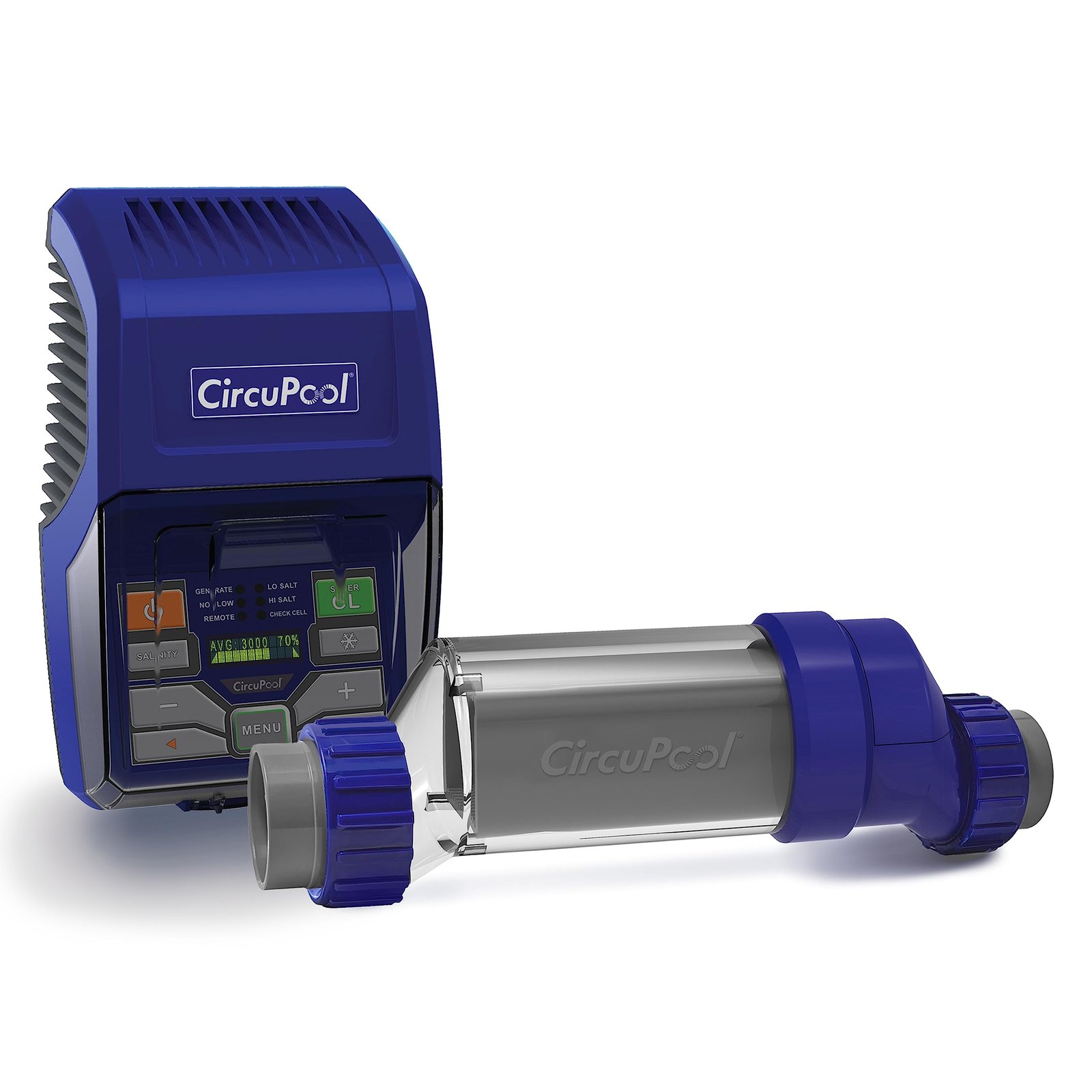
Two of the most important — and most neglected — pool maintenance tasks are cleaning the salt chlorinator cell and backwashing or replacing the sand in a pool sand filter. A salt cell coated in calcium deposits produces less chlorine, letting your pool turn green. A sand filter loaded with debris increases backpressure and reduces circulation. This guide covers both: how to clean a salt cell with muriatic acid, and how to backwash, deep-clean, and eventually replace pool filter sand.
What You’ll Need
Salt Cell Cleaning
- Muriatic acid (15–20% solution, available at pool supply stores)
- Salt cell cleaning stand or a bucket that fits the cell
- Garden hose for rinsing
- Chemical-resistant rubber gloves, safety glasses, and old clothes
- Plastic cell cap plugs (usually included with the cell)
Sand Filter Maintenance
- Pool filter cleaner / degreaser (Natural Chemistry Filter Cleaner or similar)
- Sand filter backwash hose
- Replacement pool filter sand (for full sand change)
Safety Precautions
- Muriatic acid is highly corrosive — always wear chemical-resistant gloves, eye protection, and old clothing. Work outdoors or in a well-ventilated area. Always add acid to water, never water to acid.
- Turn off the pool pump before disconnecting the salt cell or working on the filter — pressurized pool plumbing releases forcefully when disconnected with the pump running.
- Never use a metal brush or wire tool on salt cell plates — the titanium plates are coated; metal scrubbing permanently damages the coating and dramatically shortens cell life.
- Rinse all acid from the cell completely before reinstallation — acid residue in pool water rapidly lowers pH to unsafe levels.
Part 1: How to Clean a Salt Chlorinator Cell
Step 1: Remove the Salt Cell
Turn off the pool pump at the breaker. Close the isolation valves on both sides of the salt cell to prevent water flow. Disconnect the cell from the plumbing — most cells use union connections that hand-tighten. Carry the cell to a cleaning area away from the pool. Insert the cap plugs into both ends of the cell to prevent acid from contacting internal rubber gaskets.
Step 2: Inspect the Plates
Hold the cell up to a light source and look through it — you should be able to see through the titanium plates clearly. White calcium carbonate scale deposits look like rough chalky deposits on the plates. Light to moderate scaling is normal; heavy crust covering the plates significantly reduces chlorine output. If the plates have a greyish discoloration (not white crust), this is normal titanium patina — do not over-clean cells that don’t have actual calcium buildup.
Step 3: Mix Muriatic Acid Solution
In a plastic bucket or purpose-built cell cleaning stand, mix 1 part muriatic acid to 10 parts water. Always add acid to water — pour the water in first, then carefully add the acid. This dilution (roughly 10% solution) is strong enough to dissolve calcium deposits without damaging the titanium plates. A 20% concentration (1:4 ratio) is appropriate only for severe scaling.
Step 4: Soak the Cell
Stand the cell vertically in the cleaning stand or bucket so the plates are submerged in the acid solution. The solution will immediately begin fizzing as it reacts with calcium deposits — this is the cleaning action. Allow to soak for 15–20 minutes. For heavy calcium buildup, up to 30 minutes is acceptable, but don’t exceed this — extended acid exposure degrades the titanium plate coating over time, which is why many manufacturers warn against over-cleaning. The cell is clean when the fizzing stops or slows dramatically.
Step 5: Rinse and Reinstall
Remove the cell from the solution and rinse immediately and thoroughly with a garden hose, flushing both ends until no acid odor remains. Inspect the plates — they should look clean and silver-white. Remove the cap plugs, reattach the cell to the plumbing union connections, open the isolation valves, and restore power to the pump. Run the system for 30 minutes and check the control panel to confirm the cell is producing chlorine normally.
Salt Cell Cleaning Frequency
Clean the salt cell every 3–6 months in most US climates, or when the controller shows a “check cell” warning. Over-cleaning (more than 4 times per year) accelerates plate coating wear. High-calcium source water areas may require more frequent cleaning — test calcium hardness monthly and maintain it at 200–400 ppm to reduce scaling rate.
Part 2: How to Clean and Maintain a Pool Sand Filter
Step 1: Backwash the Filter
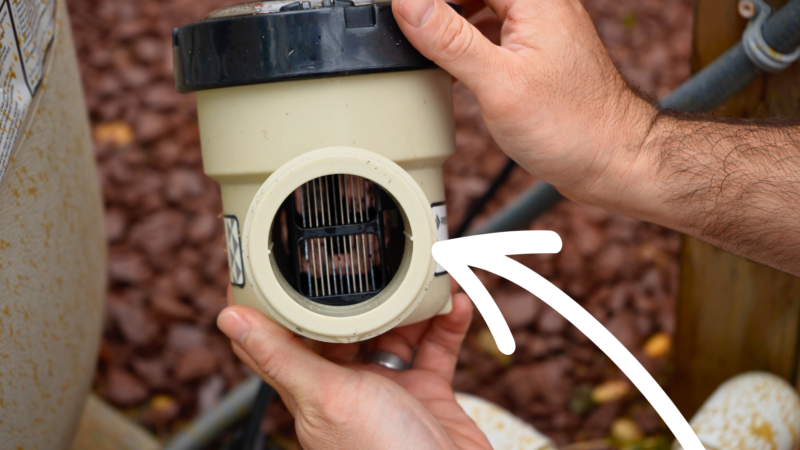
Backwashing reverses water flow through the filter sand to flush trapped debris out through the waste line. Turn off the pump. Turn the multiport valve handle to the “Backwash” position. Attach a backwash hose to the waste port and direct it to a suitable discharge location (not into the pool or storm drain in most areas). Turn the pump on and run until the water running from the backwash hose changes from dirty/cloudy to clear — typically 2–3 minutes. Turn off the pump and set the valve to “Rinse” for 30 seconds to resettle the sand. Return the valve to “Filter” and resume normal operation.
Step 2: Filter Cleaner for Deep Cleaning
Backwashing removes debris but not oils, sunscreen, algae biofilm, and chemical scale embedded in the sand. Every 3 months, add a liquid filter cleaner/degreaser (Natural Chemistry Filter Cleaner or similar) to the skimmer basket while the pump is running. The cleaner cycles through the sand and breaks down organic contamination. Follow the product label for dosing. After treatment, backwash the filter again to flush the dissolved material out.
Step 3: When to Replace Pool Filter Sand
Pool filter sand typically lasts 5–7 years before it needs replacement. Signs the sand needs changing: the pool stays cloudy even with correct chemistry, backwashing has to be done more frequently than before, the filter pressure runs higher than normal even after backwashing, or you can see fine debris passing through the filter back into the pool. To replace the sand, you must drain the filter tank, scoop out all the old sand (it becomes channeled and clumped over time), rinse the tank, add new #20 silica sand, reassemble, and backwash once before returning to normal service.
Quick Reference: Salt Cell and Sand Filter Maintenance
| Task | Frequency |
|---|---|
| Salt cell inspection | Monthly |
| Salt cell acid cleaning | Every 3–6 months (or when “check cell” light activates) |
| Sand filter backwash | When filter pressure rises 8–10 PSI above starting pressure, or every 1–2 weeks |
| Deep filter cleaner treatment | Every 3 months |
| Full sand replacement | Every 5–7 years |
Frequently Asked Questions
How do I know if my salt cell needs cleaning?
Check the salt cell controller — most modern salt systems display a “Check Cell” or “Inspect Cell” light when the system detects reduced chlorine output, which is the primary symptom of calcium scaling. You can also remove the cell and inspect visually — white crusty deposits on the titanium plates confirm scaling. Test your pool chlorine level: if the cell is running but chlorine stays low despite correct salt levels, scaling is the likely cause.
Can I use vinegar instead of muriatic acid to clean a salt cell?
White vinegar (acetic acid) is a weaker alternative that some pool owners prefer for light scaling — it’s safer to handle than muriatic acid. Soak the cell in undiluted white vinegar for 1–2 hours instead of the 15-minute muriatic acid soak. It’s effective for light deposits but requires much longer contact time and may not fully dissolve heavy scale. Muriatic acid is more efficient and the industry standard for heavily scaled cells.
What’s the difference between a sand filter, cartridge filter, and DE filter?
Pool filters come in three types: sand filters (use #20 silica sand or glass media, backwashable, lowest maintenance), cartridge filters (use pleated polyester cartridges, cleaned by hosing off, replaced every 2–5 years), and diatomaceous earth (DE) filters (highest filtration quality, use DE powder, backwashable, complex maintenance). This guide covers the two most common residential types — sand and DE-equivalent cleaning for salt pools.
Conclusion
A clean salt cell and properly maintained sand filter are the foundation of a clear, well-balanced pool. Salt cell cleaning with muriatic acid takes 30 minutes and should be done every 3–6 months. Sand filter backwashing takes 5 minutes and should be triggered by pressure, not calendar. With both maintained on schedule, your pool pump and filtration system handle the rest — keeping the water clear and chemistry stable all season.
For related pool and outdoor water maintenance, see our guide on how to clean a spa filter for hot tub filtration maintenance. If you’re building new pool infrastructure, our guide on how to build a pond covers water feature construction.
