
Pizza stones are intentionally porous — that porosity is what makes them absorb moisture from pizza dough and produce a crisp crust. But the same porosity means they absorb grease, oils, and cleaning products deeply. The rule for pizza stone cleaning is strict: never soap or soak. Water and heat (high oven temperature) are your primary cleaning tools, and dry scraping handles burnt-on residue. This guide covers both routine maintenance and dealing with seriously burnt-on cheese and grease.
What You’ll Need
Tools
- Pizza stone scraper or stiff plastic bench scraper
- Stiff nylon brush (no metal bristles — they damage stone)
- Damp cloth or paper towels
- Oven
Materials
- Baking soda (for paste scrubbing on stubborn spots)
- Plain water only
What You Must NOT Use
- Soap, dish soap, or detergent of any kind
- Soaking in water
- Bleach or chemical cleaners
- Metal scrubbers or wire brushes
- Cooking sprays or oils (directly on the stone)
Safety and Precautions
- Never wash a hot pizza stone with cold water — thermal shock will crack it immediately. Always allow the stone to cool completely to room temperature before cleaning.
- Never soap a pizza stone — soap is absorbed into the porous ceramic and cannot be rinsed out. The soap then outgasses into your food during the next baking session, imparting a soapy taste.
- Pizza stones are heavy and fragile — handle carefully and do not drop. Cordierite stones are more crack-resistant than ceramic; both can crack if dropped or subjected to thermal shock.
- Stains are permanent and normal — a clean pizza stone that’s been used multiple times will be dark brown in the center and lighter on the edges. This discoloration is food carbonization and is completely normal — it doesn’t affect performance or food safety.
Step-by-Step: How to Clean a Pizza Stone
Step 1 — Allow to Cool Completely
Leave the pizza stone in the turned-off oven until it cools completely — this typically takes 1–2 hours depending on oven temperature. Never move or clean the stone while warm or hot. Thermal shock is the number one cause of pizza stone cracking — the rapid temperature change from contact with water or a cold surface causes stress fractures in the ceramic material.
Step 2 — Scrape Off Loose Debris
Once cool, remove the stone from the oven and place it on a stable surface. Use a pizza stone scraper, a stiff plastic bench scraper, or the back of a knife to scrape off any loose burnt food, carbonized cheese, or dry crust remnants. Work the scraper at a low angle and push debris toward the edge. Do not use a metal bench scraper directly on a ceramic stone — the metal can score the surface. A stiff plastic scraper or a stone-specific scraper provides the right balance of firmness and surface protection.
Step 3 — Brush Away Residue
After scraping, use a stiff nylon scrub brush to brush off the loosened debris and remaining dust particles. Brush in multiple directions to clear the surface pores. Do not add water yet — keep this step completely dry. A clean, dry brush clears a surprising amount of burnt residue when used with firm strokes. Work the brush around any darker spots multiple times.
Step 4 — Wipe with a Damp Cloth (Lightly)
Dampen a cloth or paper towel with plain water — wring it out well so it is barely damp, not wet. Wipe the surface of the stone to remove remaining loose debris. Do not scrub hard with the damp cloth; just wipe gently to pick up what the brush didn’t remove. Avoid getting the stone overly wet — you want to remove surface particles, not introduce significant moisture into the porous material.
Step 5 — Burn Off Residue in a High-Heat Oven (For Stubborn Buildup)
For burnt-on cheese, grease spots, or significant carbonized residue that won’t scrape off, the oven is your best tool. Place the stone in the oven and heat to 500°F (or as high as your oven goes). Leave the stone in the hot oven for 30–60 minutes. At this temperature, organic residue (cheese, grease, dough) burns off and reduces to carbon ash. Turn off the oven and allow the stone to cool completely inside the oven. Once cool, scrape and brush off the ash residue — it should now release easily.
Step 6 — Use Baking Soda Paste for Grease Spots
For grease spots that have soaked into the stone and aren’t responding to the oven method, make a paste of baking soda and just enough water to create a spreadable consistency. Apply the paste to the grease spot and allow it to sit for 5–10 minutes. The baking soda draws the grease out of the pores through absorption. Scrub with a stiff nylon brush using circular motions, then wipe clean with a barely damp cloth. Allow the stone to dry completely before using. This method is effective for grease marks but won’t remove the permanent brownish discoloration of carbonized food residue.
Step 7 — Air Dry Completely Before Storage
After any wet cleaning, allow the stone to air dry completely before storing it or using it again. This can take 24 hours or more, depending on how much moisture was introduced. A stone that still has moisture in its pores when heated will steam internally — this can cause cracking in some stone types. Leave the stone out on the counter or in a turned-off oven with the door ajar to allow complete evaporation.
Step 8 — Store Properly
Store the pizza stone in the oven between uses — leaving it in the oven prevents it from being accidentally dropped and also means it’s always preheated when you heat the oven. Many bakers leave their pizza stones in the oven permanently, treating them as a thermal mass that helps the oven heat more evenly. If storing elsewhere, keep in a dry location and avoid stacking heavy items on top of the stone.
Pro Tips for Pizza Stone Care

- Pre-heat the stone with the oven for at least 30–60 minutes before baking on it — a cold stone causes uneven heat distribution and can crack if a room-temperature pizza is placed on an insufficiently preheated stone.
- Use parchment paper for messy pizzas — it prevents the worst spills and drips from reaching the stone surface. Remove it after 5 minutes of baking (the dough will be set by then) to allow the crust to get direct stone contact for the final crispening.
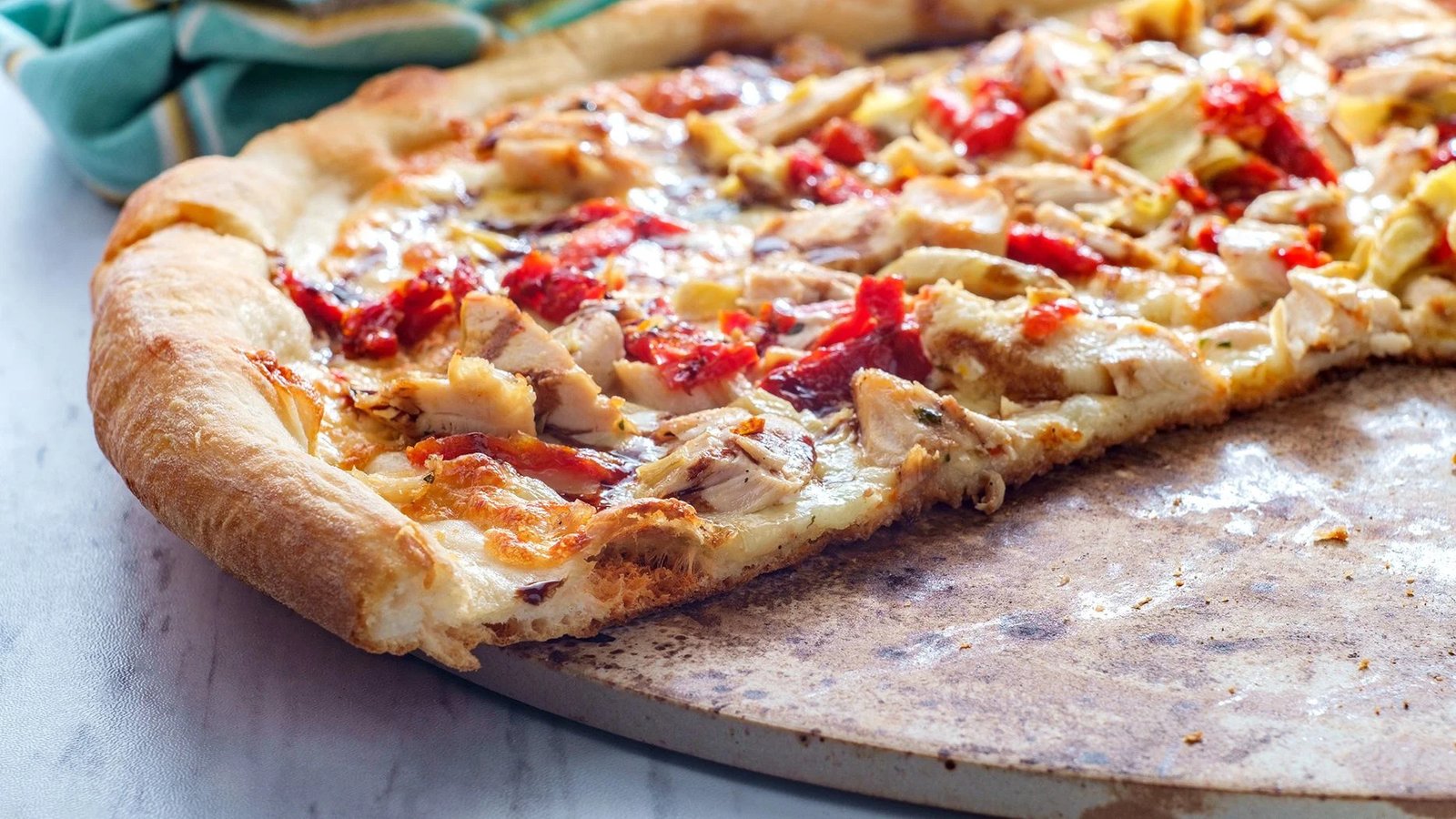
- Expect and accept the dark patina — the dark brown center of a used pizza stone is a sign it’s working correctly, not a sign it’s dirty. The seasoned patina actually improves cooking performance over time.
- A cracked stone still works — as long as the crack doesn’t cause pieces to separate, a hairline-cracked pizza stone can continue to be used safely.
Frequently Asked Questions
Why can’t I use soap on a pizza stone?
Pizza stones are porous ceramic or cordierite. Soap molecules are absorbed into the pores and cannot be rinsed out — even thorough rinsing leaves soap residue deep in the material. When the stone is heated, it outgasses the absorbed soap into the food being baked, making it taste soapy. This is why water is the only liquid used for cleaning pizza stones.
How do I get the black burnt spots off my pizza stone?
Black carbonized spots are part of the pizza stone’s normal appearance after regular use — they won’t come off completely because they’re baked into the pores of the stone. Use the high-heat oven method (500°F for 30–60 minutes) to reduce the buildup, then scrape and brush off the ash. The stone will never return to its original light tan color once it’s been used — and it doesn’t need to.
My pizza stone is brand new and cracked — why?
New pizza stones crack most often from thermal shock — placing the stone in a preheated oven (especially a very hot one) without preheating it gradually. Always place a new pizza stone in a cold oven and then bring the oven up to temperature together. Also, wet or damp stones crack when heated rapidly — ensure the stone is completely dry before first use.
Can I use olive oil on my pizza stone?
No — oiling a pizza stone is one of the most common mistakes. Oil soaks into the porous surface and turns rancid over time, creating an unpleasant smell and potentially a tacky surface. Pizza stones do not need to be seasoned like cast iron. Use parchment paper under slippery or greasy toppings to manage mess, not oil on the stone.
How often should I clean my pizza stone?
After every use: scrape off loose debris with a scraper, brush with a dry nylon brush. Deep clean with the high-heat oven method every few uses or whenever there’s significant grease buildup. Full baking soda treatment: only when visible grease spots are absorbing into the stone. No specific scheduled cleaning interval is needed — clean reactively based on what’s visibly on the stone.
Conclusion
Cleaning a pizza stone correctly means using no soap and no soaking — ever. Dry scraping and brushing handle routine maintenance; high oven temperatures burn off stubborn residue; baking soda paste addresses grease spots. Accept the dark patina as part of a well-used stone, allow complete drying after any wet cleaning, and store it in the oven to keep it available and dry.
For other kitchen and home cleaning, see our guide on How to Clean a Cast Iron Skillet — a similar no-soap philosophy applies. And for cleaning the kitchen backsplash and tile, check our article on How to Clean Tile Grout.
