
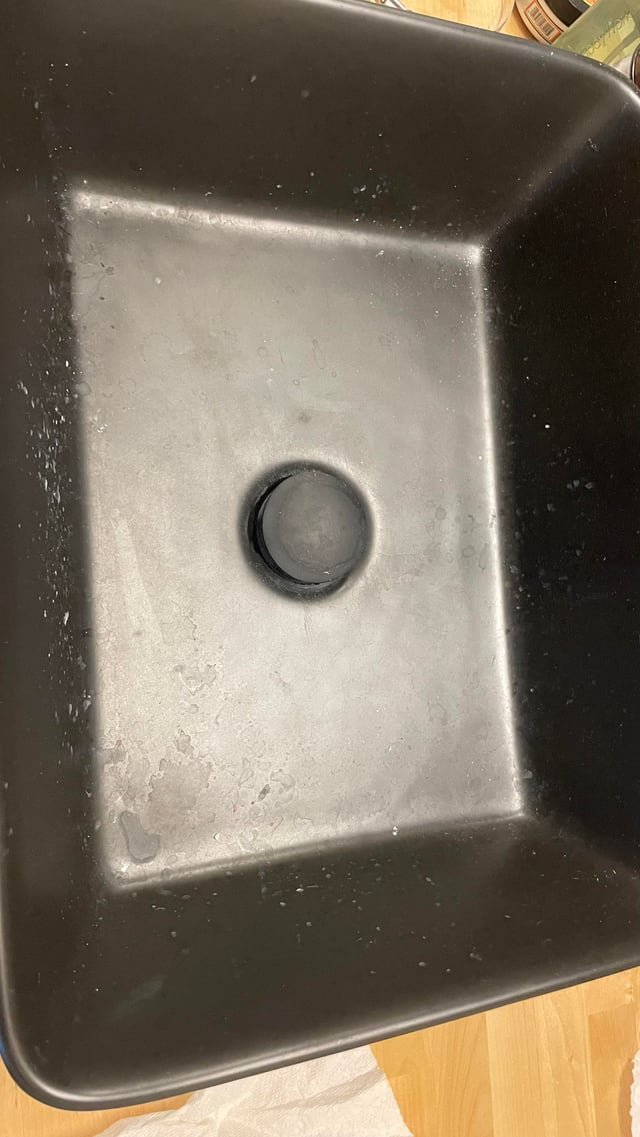
Black sinks and white ceramic sinks are opposite problems: black sinks show every water spot and mineral deposit as a white chalky film; white ceramic sinks show every food stain and rust mark as a dark discoloration. The cleaning methods are also different. This guide addresses both — the right products and technique for matte black composite sinks, and the best approach for white ceramic, porcelain, and fireclay sinks.
What You’ll Need
For a Black Sink
- Soft microfiber cloth or non-abrasive sponge
- Mild dish soap
- White vinegar (for mineral deposits)
- Mineral oil or baby oil (for restoring matte finish)
- Baking soda (for stubborn marks)
For a White Ceramic Sink
- Non-abrasive nylon scrubber or soft brush
- Baking soda
- White vinegar
- Mild dish soap
- Hydrogen peroxide 3% (for whitening and stain removal)
- Bar Keepers Friend powdered cleanser (for rust and stubborn stains)
- Rubber gloves
Safety and Precautions
- Never use abrasive scrubbers on a black composite sink — Scotch-Brite pads, steel wool, and harsh scrubbers permanently scratch the matte surface, creating visible marks that cannot be buffed out.
- Never use undiluted bleach on a black sink — bleach can bleach the color out of matte black composite surfaces, leaving permanent light spots.
- Bar Keepers Friend is mildly abrasive — suitable for ceramic and porcelain, but not for matte black or colored composite sinks.
- Test any new cleaner on an inconspicuous area of the sink first, particularly for colored or specialty sinks.
- Rinse cleaning products thoroughly before leaving the sink — residue from cleaning products can dull finishes and attract more grime over time.
Part 1: How to Clean a Black Sink
Step 1 — Daily Wipe-Down to Prevent Buildup
The single most effective strategy for black sink care is a daily wipe-down. After each use, dry the sink with a soft microfiber cloth or paper towel to remove water droplets before they evaporate and leave mineral deposits. Mineral deposits on a black sink are the primary cleaning challenge — preventing them through drying is far easier than removing them once they’ve built up. This 30-second habit prevents 90% of the cleaning issues that frustrate black sink owners.
Step 2 — Weekly Clean with Dish Soap
For weekly cleaning, wet the sink surface, apply a few drops of mild dish soap directly to a soft microfiber cloth (not to the sink), and wipe all surfaces with circular motions. Dish soap cuts through grease, food residue, and light mineral film without damaging the composite surface. Rinse thoroughly with warm water and dry with a clean microfiber cloth. Do not leave soapy water sitting in the sink — soap residue left to dry creates its own film on black surfaces.
Step 3 — Remove White Mineral Deposits with Vinegar
White chalky or crusty deposits on a black sink are mineral (calcium) buildup from hard water. To remove them: dampen a cloth or paper towel with undiluted white vinegar and lay it over the affected area. Allow to sit for 5–10 minutes — the acetic acid dissolves calcium deposits. Remove the cloth and wipe the area clean with a soft cloth using circular motions. Rinse thoroughly and dry. For severe buildup around the faucet base, wrap the base with a vinegar-soaked cloth and leave for 15–20 minutes.
Step 4 — Address Stubborn Stains with Baking Soda Paste
For food stains, rust marks, or discoloration that won’t respond to dish soap, make a thin paste of baking soda and water. Apply gently to the stained area with a soft cloth, rub in small circles with very light pressure, then rinse thoroughly. Baking soda is mildly abrasive but gentle enough for composite black surfaces when used with a soft cloth. Do not use a scrubber pad with baking soda on a black sink — the combination can scratch.
Step 5 — Restore the Matte Finish with Mineral Oil
Black composite sinks can look dry, streaky, or faded after cleaning — a condition that’s cosmetic, not damage. Restore the finish by applying a few drops of mineral oil (or baby oil) to a soft cloth and rubbing it over the entire sink surface in circular motions. Buff with a clean dry cloth to remove excess. The oil fills micro-surface irregularities, deepens the black color, and gives the sink a refreshed, uniform appearance. This restoration step can be done after every deep cleaning or whenever the sink looks dull.
Part 2: How to Clean a Ceramic Sink
Step 1 — Weekly Clean with Baking Soda
Sprinkle baking soda liberally over the entire ceramic sink surface. Wet a non-abrasive nylon scrubber or soft brush and scrub the baking soda into the sink in circular motions. Baking soda is mildly abrasive — it removes light stains and general discoloration without scratching the ceramic glaze. Pay extra attention to the drain area and edges where mineral rings develop. Rinse thoroughly with warm water and wipe dry.
Step 2 — Remove Stains with Hydrogen Peroxide
For yellow, brown, or tea/coffee stains on white ceramic: plug the sink drain and pour enough 3% hydrogen peroxide to cover the stained area. Let it sit for 20–30 minutes — the oxidizing action of hydrogen peroxide bleaches stains from the ceramic glaze without the harshness of chlorine bleach. Drain and scrub with baking soda if any residue remains. Rinse thoroughly. Hydrogen peroxide is safe for all ceramic, porcelain, and fireclay sink surfaces.
Step 3 — Remove Rust Stains with Bar Keepers Friend
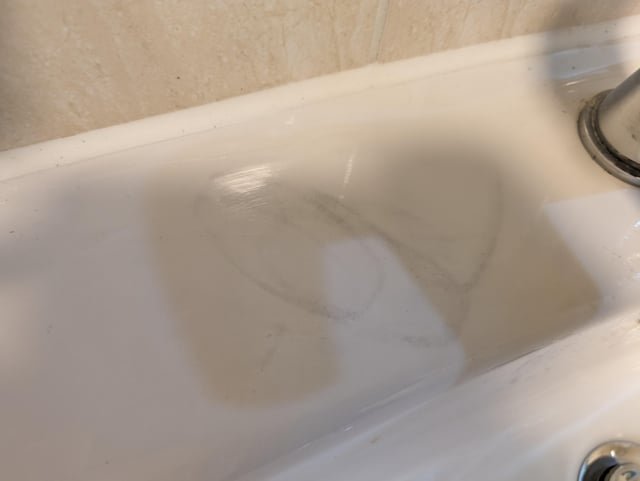
Rust stains (orange or brown marks from metal objects left in the wet sink) are among the most common and most stubborn ceramic sink problems. Wet the sink, shake a small amount of Bar Keepers Friend powder onto the rust stain, and rub with a damp cloth in the direction of the stain. Bar Keepers Friend contains oxalic acid, which chemically dissolves rust deposits. Do not leave on the surface for more than 2–3 minutes. Rinse extremely thoroughly — Bar Keepers Friend residue left on the surface can etch the glaze over time with repeated exposure.
Step 4 — Clean Mineral Rings with Vinegar
White rings and hard water deposits around the drain and at the waterline of a ceramic sink respond to white vinegar. Plug the drain, add a cup of undiluted white vinegar to the sink, and let it sit for 15–30 minutes. Use a soft brush to scrub the vinegar into the mineral deposits, then drain and rinse. For heavy buildup, apply undiluted vinegar with a cloth directly to the deposit area and cover with plastic wrap to keep it moist while it works.
Step 5 — Polish to Restore the Glaze Shine
Ceramic sinks lose their gloss appearance over time from hard water etching and general wear. After cleaning, apply a small amount of car wax or ceramic tile polish to a soft cloth and buff the sink surface in circular motions. This fills micro-scratches in the glaze and restores shine. A quarterly polish extends the life of the glaze and makes the sink easier to clean in the future (treated surfaces repel water and stains more effectively).
Pro Tips for Sink Cleaning
- The best black sink cleaner is prevention — dry the sink after every use and you’ll rarely need to do more than a weekly soap wipe.
- Never put cast iron cookware in a ceramic sink without a rubber mat beneath it — cast iron will leave immediate rust marks on white ceramic.
- Avoid steel wool on ceramic — it leaves metallic particles embedded in the glaze that rust immediately, creating a new stain problem.
- Clean the drain and overflow openings with an old toothbrush and diluted bleach or vinegar — these areas accumulate biofilm that creates persistent odors.
Frequently Asked Questions
Why does my black sink look chalky after cleaning?
The chalky appearance on a black sink is almost always mineral deposits from hard water — water droplets that evaporated and left their calcium and magnesium content behind. The fix is white vinegar applied with a cloth and left for 5–10 minutes, then buffed off. Following with a thin coat of mineral oil restores the deep black finish.
What is the best cleaner for a black granite composite sink?
Mild dish soap for routine cleaning, white vinegar for mineral deposits, and baking soda paste (applied with a soft cloth) for stubborn marks. Finish with mineral oil to restore the matte finish. Avoid bleach, abrasive cleaners, and harsh chemical descalers — they can bleach or etch the composite material.
How do I get rust stains out of a white ceramic sink?
Bar Keepers Friend is the most effective product for rust stains on ceramic — its oxalic acid content specifically targets rust deposits. Apply to the wet stain, rub gently with a damp cloth for 1–2 minutes, and rinse thoroughly. For very light rust marks, a paste of lemon juice and table salt rubbed onto the stain also works as a mild rust remover.
Can I use bleach to clean a white ceramic sink?
Diluted bleach (1 tablespoon per gallon of water) can be used occasionally on white ceramic sinks to whiten and sanitize, but regular use etches the glaze over time and makes it more prone to staining. Hydrogen peroxide 3% is gentler and equally effective for whitening without the etching risk.
How often should I clean my sink?
Quick daily rinse: always. Weekly cleaning with soap and baking soda: recommended for both black and ceramic sinks. Monthly mineral deposit treatment with vinegar: essential in hard water areas. Quarterly polish or mineral oil treatment: for glaze restoration (ceramic) or finish restoration (black composite).
Conclusion
Black sinks need gentle cleaners and a daily dry-down habit; white ceramic sinks respond to baking soda, hydrogen peroxide for stains, and Bar Keepers Friend for rust. Both benefit from regular vinegar treatment in hard water areas and periodic polish or oil restoration. Follow the right method for your sink material and it will look great for years.
For other bathroom cleaning guides, see our article on How to Clean a Bidet. And for cleaning the floors beneath your sink, check out our guide on How to Clean Tile Grout.
