
Bidets need regular cleaning to prevent mineral deposits, bacteria growth, and nozzle clogs — yet most people who install one aren’t sure how to clean it correctly. The process is straightforward: clean the exterior surface like any toilet fixture, clean the nozzle with a dedicated nozzle cleaning or self-clean cycle, and descale mineral buildup every few months. This guide covers standalone bidets, bidet toilet seats, and bidet attachments.
What You’ll Need
Tools
- Soft cloth or non-abrasive sponge
- Old soft-bristle toothbrush
- Small bowl or cup
- Rubber gloves
Materials
- Mild bathroom cleaner or dish soap diluted in water
- White vinegar (for mineral deposit removal)
- Baking soda (for gentle scrubbing)
- Hydrogen peroxide 3% (optional, for sanitizing nozzles)
- Microfiber cloths for drying
What NOT to Use
- Bleach or chlorine-based cleaners on nozzles (damages rubber seals)
- Abrasive scrubbers (scratches plastic and ceramic surfaces)
- Harsh chemical descalers not rated for bidet use
- Steel wool or rough scouring pads
Safety and Precautions
- Unplug the bidet seat from its electrical outlet before cleaning any electronic bidet seat — water and electricity don’t mix, even in cleaning mode.
- Turn off the bidet’s water supply before removing any attachments or hoses for cleaning.
- Do not submerge electronic components in water — clean electronic bidet seats with a damp cloth only, not a stream of water.
- Avoid bleach on nozzle rubber seals — chlorine bleach degrades rubber seals and O-rings over time, causing leaks.
Understanding Bidet Types
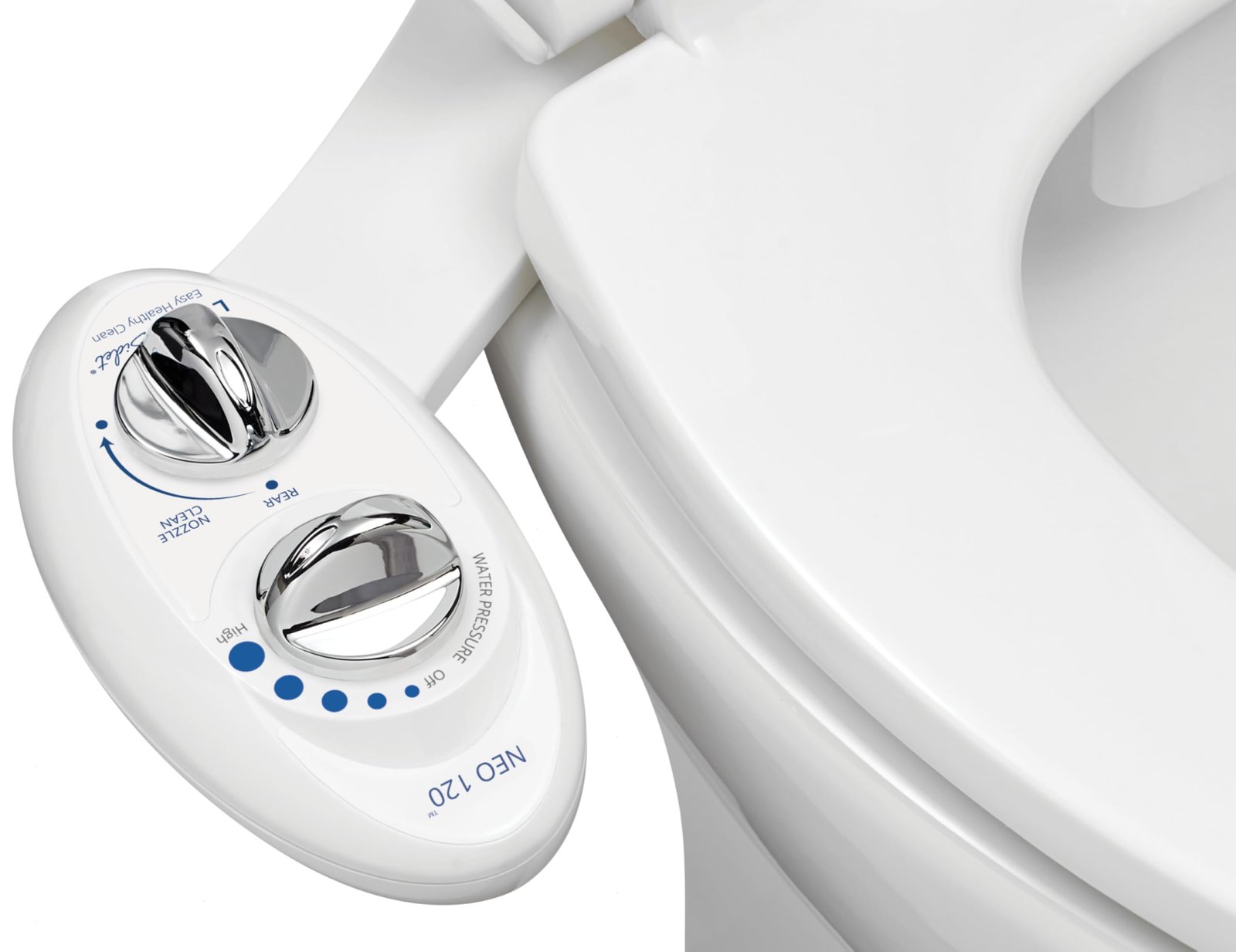
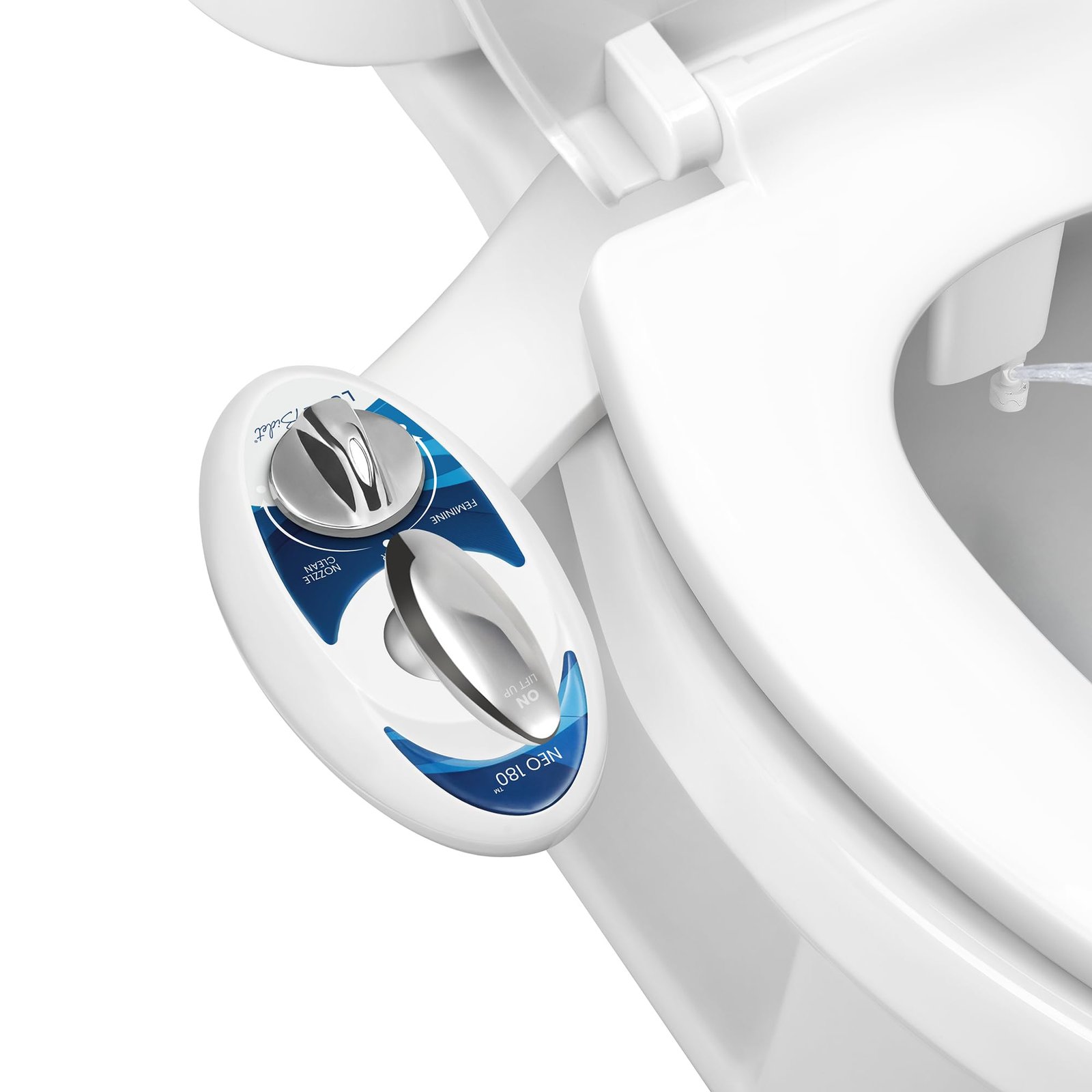
Standalone bidet: A separate ceramic fixture next to the toilet, cleaned like a toilet bowl. Bidet toilet seat (electronic): Replaces the toilet seat; has an integrated nozzle, controls panel, and usually a heated seat. These require careful electronic-safe cleaning. Bidet attachment: A non-electric device that attaches to the existing toilet seat and has a manual nozzle. These are the simplest to clean — fully remove and soak if needed.
Step-by-Step: How to Clean a Bidet
Step 1 — Clean the Exterior Surfaces
For all bidet types, start by cleaning the exterior surfaces — the seat, lid, body, and control panel. Dampen a soft cloth with mild bathroom cleaner diluted in water (or diluted dish soap) and wipe down all exterior surfaces. Pay attention to the underside of the seat, the hinge area where dirt accumulates, and the sides of the unit. For electronic bidet seats, use a barely damp cloth on and near the control panel — excessive moisture near electronic components can cause malfunctions. Wipe dry with a microfiber cloth immediately.
Step 2 — Use the Self-Clean Nozzle Function (Electronic Seats)
Most electronic bidet toilet seats have a dedicated self-clean button that runs the nozzle through an automated rinse cycle. This should be used before and after each use (many units do it automatically), and is the primary method for routine nozzle hygiene. Press the self-clean button and allow the cycle to run completely. This rinses the nozzle with water and cycles it in and out of its housing to flush debris.
Step 3 — Manually Clean the Nozzle
For deeper nozzle cleaning (weekly to monthly), extend the nozzle manually. On most electronic bidet seats, there’s a “nozzle clean” mode that extends the nozzle without water flowing. On manual bidet attachments, push the nozzle out manually by activating the control. Dampen a soft toothbrush with diluted mild soap or white vinegar and gently scrub the nozzle surface, including the small spray holes. Do not scrub hard — the spray holes are small and the nozzle surface is usually plastic. Rinse by activating the self-clean cycle or running the bidet briefly to flush out any soap residue.
Step 4 — Remove Mineral Deposits with Vinegar
Hard water creates mineral (calcium and magnesium) deposits on nozzle spray holes over time — deposits appear as white or grayish crust and reduce spray pressure. To remove them, extend the nozzle and soak a cloth or cotton ball in undiluted white vinegar. Press the vinegar-soaked cloth against the nozzle and hold for 5–10 minutes. The acetic acid in the vinegar dissolves calcium deposits without damaging plastic or metal surfaces. After soaking, gently scrub with a toothbrush and run the self-clean cycle to flush. Repeat monthly in hard water areas, quarterly where water quality is softer.
Step 5 — Clean the Water Hose Connection and Filter
Most bidet attachments and seats have a braided stainless steel supply hose and an inline filter screen at the water inlet. Shut off the bidet water supply valve. Hold a small bowl under the connection and unscrew the hose from the bidet inlet. Remove the small rubber filter screen from inside the inlet port (use tweezers if needed). Rinse the screen under running water and use a toothbrush to clear any sediment. Replace the screen, reconnect the hose, turn on the water supply, and check for leaks.
Step 6 — Clean a Standalone Bidet
For a standalone ceramic bidet fixture, clean it like a toilet bowl. Apply bathroom bowl cleaner inside the basin, let it sit for 5 minutes, then scrub with a soft toilet brush. Clean the faucet, handles, and drain with an all-purpose bathroom cleaner. Clean the seat and rim with a disinfecting wipe or diluted cleaner. Address mineral rings in the basin with a vinegar soak — fill the basin with a 50:50 water and vinegar solution, let sit for 20–30 minutes, then scrub and drain.
Step 7 — Clean a Bidet Attachment
A non-electric bidet attachment can be completely removed for thorough cleaning every few months. Turn off the water supply, unscrew the attachment from the toilet seat, and soak the entire unit in a solution of equal parts white vinegar and water for 30–60 minutes. Use a toothbrush to scrub all surfaces including the nozzle. Rinse thoroughly, allow to dry, and reinstall. This full-soak cleaning method removes all mineral deposits, bacteria, and grime in one step and is far more thorough than surface cleaning alone.
Step 8 — Sanitize (Optional)
For households where hygiene is a priority, sanitize the nozzle occasionally with a diluted hydrogen peroxide solution (one part 3% hydrogen peroxide to three parts water) or a bidet-safe disinfectant spray. Apply to a cloth and wipe the nozzle exterior. Do not apply sanitizers inside the spray holes or let them sit for extended periods — rinse off with the self-clean cycle. Avoid bleach-based sanitizers near nozzle rubber components.
Routine Cleaning Schedule
| Task | Frequency |
|---|---|
| Self-clean nozzle cycle | Before and after each use (automated) |
| Wipe exterior surfaces | Weekly |
| Manual nozzle scrub | Weekly to monthly |
| Vinegar descale treatment | Monthly (hard water) / Quarterly (soft water) |
| Filter screen cleaning | Every 3–6 months |
| Full soak clean (attachments) | Every 3–6 months |
Pro Tips for Bidet Cleaning
- Use the bidet’s self-clean function consistently — it’s the most effective routine maintenance and takes seconds. Most people who have bidet issues simply never use this function.
- Hard water areas need more frequent descaling. If you notice reduced spray pressure, it’s almost always mineral buildup in the spray holes — vinegar is the fix.
- Dry the seat after cleaning to prevent water spots and reduce the mineral deposit rate on plastic surfaces.
- Check the manufacturer’s cleaning instructions for your specific model — some electronic bidet seats have specific restrictions on cleaning products, especially for heated surfaces and control panels.
Frequently Asked Questions
How often should I clean my bidet?
Wipe exterior surfaces weekly as part of regular bathroom cleaning. Use the self-clean nozzle function before and after each use if available. Do a more thorough manual nozzle cleaning weekly or monthly. Descale with vinegar monthly in hard water areas. Full disassembly and deep cleaning for bidet attachments every 3–6 months.
Can I use bleach to clean a bidet?
Avoid bleach on nozzle rubber seals and O-rings — chlorine bleach degrades rubber over time and causes leaks. Diluted bleach (no more than 1:10 in water) can be used carefully on the exterior ceramic or plastic surfaces of a standalone bidet, away from rubber components. For electronic seats, avoid bleach entirely near the nozzle and control panel.
Why does my bidet have low water pressure?
Low pressure is almost always caused by mineral deposits clogging the spray nozzle holes. Extend the nozzle, soak with vinegar for 5–10 minutes, scrub with a toothbrush, and run the self-clean cycle. Check the inline filter screen at the water inlet — a clogged filter screen dramatically reduces flow. Also check that the water supply valve is fully open.
How do I remove stains from a bidet seat?
For yellow or brown stains on a plastic bidet seat (usually from hard water or body oils): make a paste of baking soda and a small amount of dish soap, apply to the stained area, let sit for 10 minutes, then scrub with a soft cloth and rinse. For persistent staining, a small amount of hydrogen peroxide 3% applied and left for 5 minutes before wiping can help lighten oxidized stains.
Can I use my bidet’s spray to clean the bidet itself?
Yes — running the bidet spray briefly into the basin or bowl helps rinse away loose debris and is a useful quick-clean step. Activate the spray mode without sitting on the seat to direct the spray into the toilet bowl for a quick rinse. This is particularly useful for standalone bidets where you want to rinse the basin after each use without a full cleaning.
Conclusion
Keeping a bidet clean is simple once you establish the routine: use the self-clean function regularly, wipe exterior surfaces weekly, descale with vinegar monthly, and clean the inlet filter every few months. For bidet attachments, a full soak in vinegar solution every few months handles deep cleaning efficiently. The key product is white vinegar — it dissolves mineral deposits safely without damaging any bidet component.
For other bathroom cleaning guides, see our article on How to Clean a Black and Ceramic Sink for complementary bathroom cleaning techniques. And for full bathroom care, check our guide on How to Clean Grout.
