Pressure Washing Tips: How to Pressure Wash Every Outdoor Surface Safely

Pressure washing is one of the most satisfying and efficient outdoor cleaning methods — when done correctly. The wrong PSI or nozzle angle on the wrong surface causes permanent damage: stripped wood, damaged siding, etched concrete. This guide covers the right PSI settings, nozzle selection, and technique for every common outdoor surface, so you get … Read more

How to Clean Outdoor Cushions: Remove Stains, Mold, and Restore Color

Outdoor cushions accumulate pollen, bird droppings, mildew, sunscreen, and general weather grime over a season. Most outdoor cushion fabric can be cleaned with dish soap and water for routine cleaning, or a diluted bleach solution for mildew. The key is knowing what type of fabric you have and how much water is safe. Here’s the … Read more

How to Clean Teak Furniture: Restore, Protect, and Maintain Outdoor Teak

Teak is one of the most durable outdoor furniture materials, but it requires specific cleaning to maintain its appearance. Untreated teak turns silvery-gray from UV exposure — this is natural and harmless, but if you prefer the warm golden-brown color, regular cleaning and oiling restores it. Here’s the complete teak cleaning and maintenance system. What … Read more

How to Clean Wicker Furniture: Natural and Synthetic Rattan Care Guide

Wicker furniture cleaning requires a gentle hand — the woven structure traps dirt deeply, but excess water and pressure damage the fibers permanently. Natural wicker (rattan, willow, bamboo) and resin (synthetic) wicker have different tolerances: natural wicker can be damaged by too much water, while resin wicker handles more moisture but still needs gentle care. … Read more

How to Clean Chrome Fixtures: Remove Hard Water, Rust Spots, and Restore Shine

Chrome fixtures — faucets, showerheads, towel bars, door handles — look great when clean and terrible when spotted or corroded. The most common problems are hard water spots, soap scum buildup, and surface rust on older fixtures. Each has a specific, effective solution that won’t scratch or damage the chrome plating. Here’s the complete guide. … Read more

How to Clean Silver: Tarnish Removal and Care for Sterling and Silver-Plate

Silver tarnishes through a chemical reaction with sulfur compounds in the air — it’s normal and reversible. The best method depends on how much tarnish you’re dealing with: mild tarnish responds to a polish cloth, moderate tarnish to the baking soda and aluminum foil electrochemical method, and heavy tarnish to commercial silver polish. Here’s the … Read more

How to Remove Blood Stains: Fresh and Dried Stains From Every Fabric Type

Blood stains are protein-based, which means the most important rule is simple: always use cold water, never hot. Hot water permanently sets blood stains by cooking the protein into the fabric. With cold water and the right treatment, fresh blood comes out easily — and even dried blood can be substantially removed with the methods … Read more

How to Remove Wine Stains: Red and White Wine From Fabric, Carpet, and Upholstery

Wine stains are best treated immediately — the sooner you act, the easier removal becomes. Red wine contains tannins and chromogens (color pigments) that bond to fabric fibers rapidly, while white wine stains are invisible when wet but yellow when dry. This guide covers emergency treatment, dried stain removal, and methods for fabric, carpet, and … Read more

How to Remove Coffee Stains: From Clothes, Carpet, Teeth, and Mugs

Coffee stains are tannin-based, which means they respond well to dish soap, white vinegar, and enzyme cleaners. The sooner you treat them the better, but even dried coffee stains can be significantly reduced or eliminated with the right approach. This guide covers coffee stain removal from all common surfaces — fabric, carpet, upholstery, and even … Read more

How to Remove Rust Stains: From Fabric, Sinks, Tubs, and Concrete

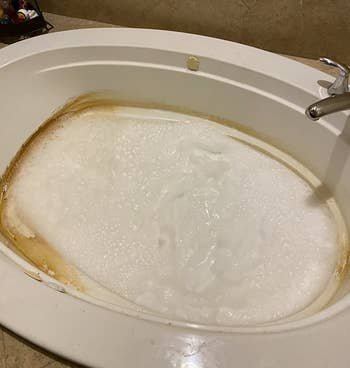
Rust stains are iron oxide deposits — they’re not just surface grime, they’re a chemical reaction that bonds to surfaces. The key to removing them is acid: oxalic acid, citric acid, or hydrochloric acid dissolve iron oxide without the mechanical scrubbing that would scratch surfaces. This guide covers the right acid-based treatments for every surface … Read more