
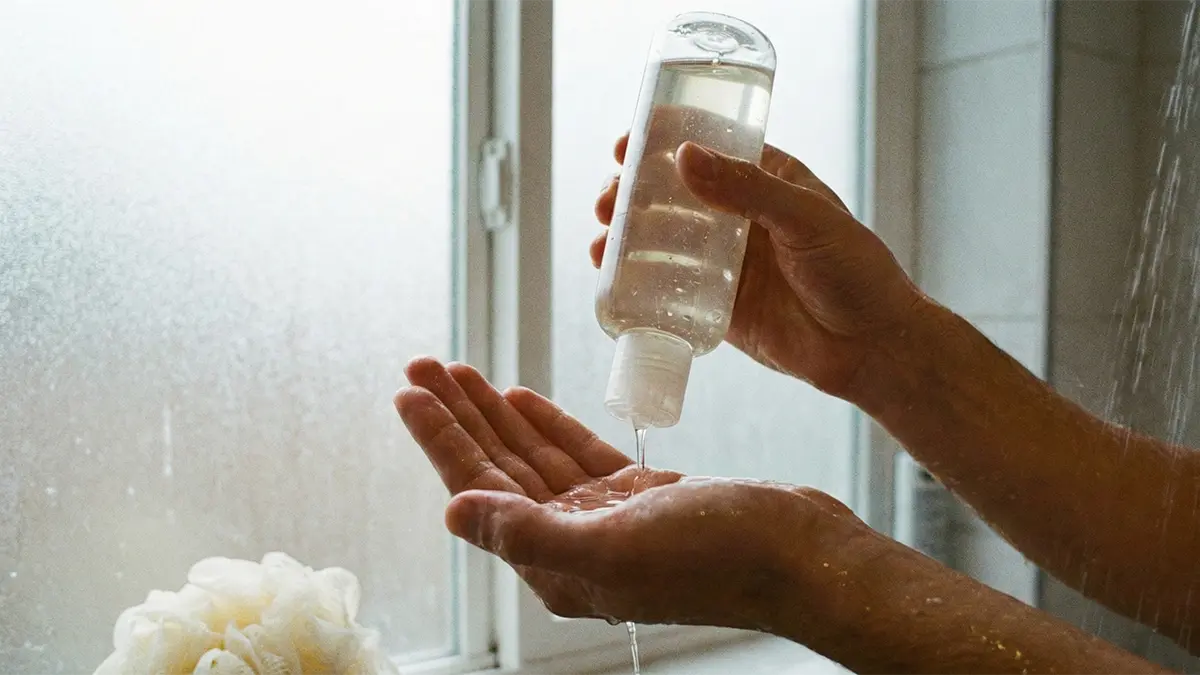
To use shower gel effectively, begin by thoroughly wetting your body under warm water. Dispense a small, coin-sized amount of gel onto a loofah, washcloth, or directly into your hands, then work it into a rich lather. Gently cleanse your skin from head to toe, ensuring all areas are covered, before rinsing completely with warm water until no residue remains. Finish by patting your skin dry and applying moisturizer for optimal hydration.
- Wet skin completely before application.
- Use a small amount of gel; a little goes a long way.
- Lather thoroughly with a tool or hands.
- Cleanse gently, covering all body areas.
- Rinse off all product residue with warm water.
- Pat skin dry and consider moisturizing afterward.
Quick Guide to Shower Gel
Achieving a refreshing and effective clean with shower gel is simpler than you might think. This quick guide outlines the essential steps to ensure you get the most out of your shower routine, leaving your skin feeling clean and revitalized. Following these basic principles will enhance your cleansing experience and promote healthier skin.
The key to a good shower gel application lies in proper preparation and thorough rinsing. By understanding these fundamental steps, you can transform your daily shower into a more luxurious and beneficial ritual for your skin.
- Prepare Your Skin: Ensure your body is fully wet with warm water.
- Apply Gel: Squeeze a small amount onto a loofah, washcloth, or your palm.
- Lather Up: Rub to create a rich, foamy lather.
- Cleanse: Gently scrub your skin all over.
- Rinse: Wash off all suds and residue thoroughly.
- Dry & Hydrate: Pat dry and apply moisturizer if desired.
What You’ll Need for Your Shower
Before you step into the shower, gathering a few essential items can significantly improve your cleansing experience. Having everything ready ensures a smooth and enjoyable routine, allowing you to focus on getting clean and refreshed. These tools are readily available and can make a big difference in how your skin feels.
The right accessories not only help in applying the shower gel more effectively but also contribute to skin health and hygiene. Consider these items as part of your regular shower kit for an optimal clean.
- Shower Gel: Choose a formula that suits your skin type and scent preference. There are options for moisturizing, exfoliating, sensitive skin, and more.
- Loofah, Washcloth, or Shower Pouf: These tools help create a rich lather, exfoliate the skin, and distribute the product evenly. Using an applicator can enhance the cleansing action compared to just using your hands.
- Warm Water: Essential for wetting your skin, opening pores, and rinsing off the product effectively.
- Clean Towel: For gently drying your skin after showering.
- Optional: Body Moisturizer: Applying moisturizer immediately after showering helps lock in hydration, especially if you have dry skin.
How to Use Shower Gel Effectively
Using shower gel correctly is crucial for maximizing its cleansing and skin-benefiting properties. This step-by-step guide will walk you through the process, ensuring you achieve a thorough and refreshing clean every time. Proper technique helps prevent skin irritation and ensures your skin feels soft and smooth.
Each step plays a vital role in the overall effectiveness of your shower routine. From preparing your skin to the final rinse, paying attention to these details will elevate your daily hygiene practice.
Step 1: Wet Your Body Thoroughly
Begin by stepping into the shower and allowing warm water to run over your entire body for a minute or two. This helps to fully saturate your skin and open up your pores, making it easier for the shower gel to cleanse effectively. Ensure all areas you intend to wash are completely wet.
Step 2: Dispense the Right Amount of Shower Gel
Squeeze a small, coin-sized amount of shower gel onto your chosen applicator—a loofah, washcloth, or directly into the palm of your hand. Remember that a little shower gel often goes a long way, especially with concentrated formulas. Using too much can make it harder to rinse off completely.
Step 3: Create a Rich Lather
Rub the shower gel between your hands, or against your loofah or washcloth, to create a rich, foamy lather. This lather is essential for distributing the product evenly across your skin and enhancing its cleansing power. A good lather also makes the washing process feel more luxurious and effective.
Step 4: Cleanse Your Skin Gently
Using the lathered applicator or your hands, gently scrub your skin from your neck down to your feet. Pay particular attention to areas that tend to get dirtier or sweatier, such as armpits, feet, and groin. Avoid harsh scrubbing, especially on more sensitive areas of your body, to prevent irritation.
Step 5: Rinse Thoroughly with Warm Water
Once you have cleansed your entire body, rinse off all the shower gel with warm water. It’s crucial to ensure no soap residue is left behind, as this can lead to skin dryness, itchiness, or irritation. Continue rinsing until your skin feels clean and smooth, without any slippery or soapy sensation.
Step 6: Pat Dry and Moisturize (Optional but Recommended)
Step out of the shower and gently pat your skin dry with a clean, soft towel. Avoid vigorous rubbing, which can irritate your skin. For optimal skin health, especially if you have dry skin, consider applying a body moisturizer while your skin is still slightly damp. This helps to lock in moisture and keep your skin hydrated.
Do’s and Don’ts for Shower Gel Application
To ensure a truly effective and skin-friendly shower experience, it’s helpful to know what practices to embrace and which ones to avoid. These simple guidelines can make a significant difference in how your skin feels and responds to your cleansing routine. Following these tips will help maintain your skin’s natural balance and health.
| Do’s | Don’ts |
|---|---|
| Do use warm water to wet your skin, as it helps open pores and prepares your skin for cleansing. | Don’t use excessively hot water, which can strip your skin of natural oils and lead to dryness. |
| Do use a loofah or washcloth to create a good lather and gently exfoliate your skin. | Don’t scrub your skin too harshly, as this can cause irritation or micro-tears. |
| Do rinse thoroughly until all shower gel residue is completely washed away from your skin. | Don’t leave any soap residue on your skin, as it can lead to dryness, itching, or breakouts. |
| Do pat your skin dry gently with a clean towel after showering to avoid irritation. | Don’t rub your skin vigorously with a towel, especially if you have sensitive skin. |
| Do apply a body moisturizer immediately after showering to lock in hydration. | Don’t skip moisturizing, particularly if you experience dry or tight skin after cleansing. |
| Do choose a shower gel formulated for your specific skin type (e.g., moisturizing for dry skin, gentle for sensitive skin). | Don’t use harsh or overly fragranced shower gels if you have sensitive or easily irritated skin. |
Addressing Common Shower Gel Issues
Even with a seemingly straightforward product like shower gel, you might encounter a few common issues that can affect your showering experience or skin health. Understanding these problems and knowing how to address them can help you optimize your routine and keep your skin happy. Most issues can be resolved with minor adjustments to your technique or product choice.
Not Enough Lather
If your shower gel isn’t lathering as much as you’d like, ensure your skin is thoroughly wet before applying the product. Using a loofah, shower pouf, or washcloth can significantly boost lather production compared to just using your hands. Some shower gels are also formulated to produce less foam, so consider trying a different product if a rich lather is important to you.
Skin Feels Dry or Tight After Showering
This is a common concern, especially if you have naturally dry skin or take long, hot showers. To combat dryness, try reducing your shower time and using lukewarm water instead of very hot water. Switch to a moisturizing shower gel that contains hydrating ingredients like glycerin or shea butter. Always follow up with a body moisturizer applied to damp skin immediately after drying.
Shower Gel Residue Left on Skin
If you feel a slippery or sticky film on your skin after rinsing, it’s likely due to incomplete rinsing or using too much product. Ensure you rinse thoroughly with warm water, paying extra attention to areas where product might accumulate. Try using a slightly smaller amount of shower gel in your next shower to see if that resolves the issue.
Skin Irritation or Itchiness
If you experience redness, itching, or irritation after using shower gel, you might be sensitive or allergic to one of its ingredients. Check the ingredient list for common irritants or fragrances. Consider switching to a hypoallergenic, fragrance-free, or sensitive skin formula. If irritation persists, consult a dermatologist.
Frequently Asked Questions About Shower Gel
Many people have questions about how to best incorporate shower gel into their daily routine. Here are answers to some of the most common inquiries, designed to help you achieve a better and more effective clean.
What is the best way to use shower gel?
The best way involves wetting your body thoroughly, dispensing a small amount onto a loofah or washcloth, creating a rich lather, gently cleansing your skin, and then rinsing completely with warm water. Finishing with a pat dry and moisturizer helps maintain skin hydration.
Can I use shower gel directly on my skin?
Yes, you can apply shower gel directly to your skin using your hands. However, using a loofah, washcloth, or shower pouf is often recommended as it helps create more lather, distributes the product more evenly, and provides gentle exfoliation.
How much shower gel should I use?
Generally, a coin-sized amount of shower gel is sufficient for a full body wash. The exact amount can vary depending on the product’s concentration, how much lather it produces, and your personal preference. Start with a small amount and add more if needed.
Is shower gel better than bar soap?
Both shower gel and bar soap have their advantages. Shower gels are often formulated with more moisturizing ingredients and can feel more hygienic as they are not directly exposed to surfaces. Bar soaps can offer stronger exfoliation and are often more eco-friendly due to less packaging. The choice often comes down to personal preference and skin type.
How do I make my shower gel lather more?
To increase lather, ensure your skin and the applicator (loofah or washcloth) are thoroughly wet. Rub the shower gel vigorously between your hands or on the applicator to activate the foaming agents. Using a mesh pouf is particularly effective at generating a rich lather.
Can I use shower gel on my face?
It is generally not recommended to use regular body shower gel on your face. Facial skin is typically more delicate and sensitive than body skin, and body washes can contain ingredients that might be too harsh or irritating for the face. It’s best to use a dedicated facial cleanser formulated for your specific facial skin type.
Conclusion
Mastering the art of using shower gel is a simple yet effective way to enhance your daily hygiene and skin health. By following a few straightforward steps—wetting your skin, lathering with the right amount of product, gently cleansing, and thoroughly rinsing—you can achieve a truly refreshing and clean feeling. Remember to choose a gel suited for your skin type and consider moisturizing afterward to lock in hydration.
Embrace these practices to transform your shower into a revitalizing experience that leaves your skin feeling soft, smooth, and healthy. A little attention to detail in your routine can make a big difference in how you feel throughout the day.
