
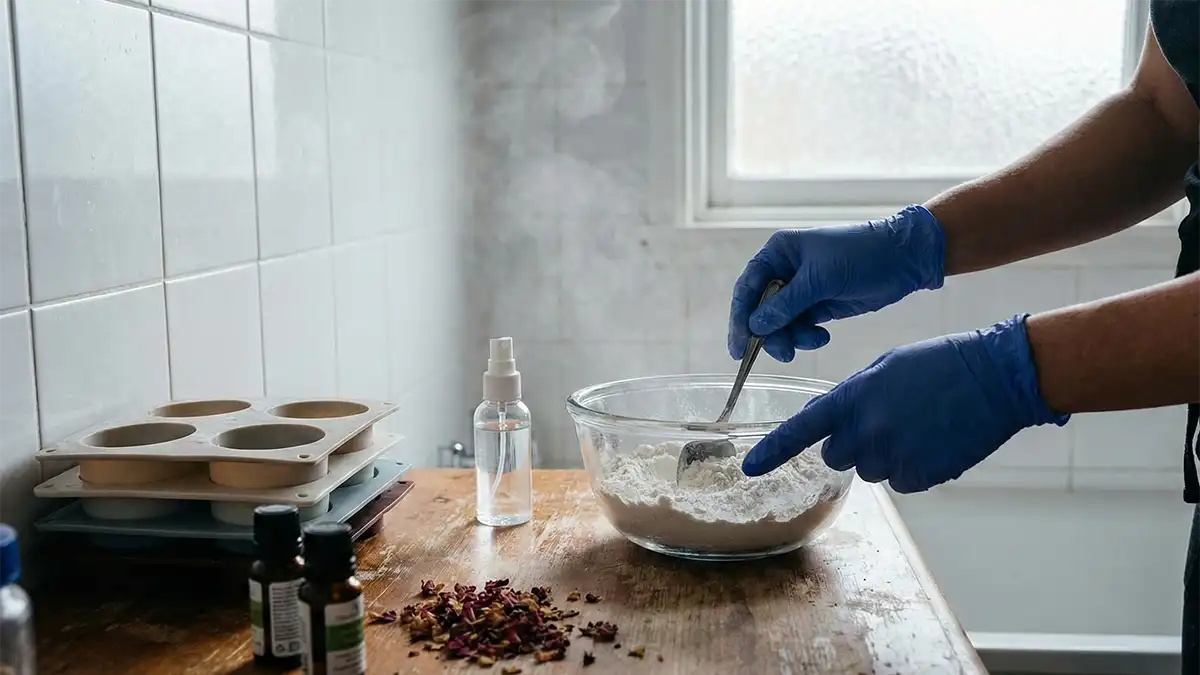
To make shower steamers, combine baking soda, citric acid, cornstarch, and essential oils with a small amount of witch hazel or water. This mixture is then pressed into molds, allowed to dry completely, and stored in an airtight container, ready to release soothing aromas during your shower.
- Create a spa-like experience at home with custom scents.
- Enjoy therapeutic benefits from essential oils in a steamy environment.
- A cost-effective and fun DIY project.
- Perfect for personal use or as thoughtful handmade gifts.
Why Craft Your Own Shower Steamers?
Homemade shower steamers offer a unique way to transform your daily shower into a refreshing or relaxing escape. Unlike bath bombs, which are designed for immersion, shower steamers activate with the steam and water spray, releasing potent essential oil aromas into the air. This makes them ideal for those who prefer showers or don’t have a bathtub.
Crafting your own allows for complete control over ingredients, ensuring you avoid harsh chemicals or artificial fragrances often found in commercial products. You can tailor the scents to your mood, whether you need an invigorating boost in the morning or a calming aroma before bed.
Essential Supplies for DIY Shower Steamers
Before you begin, gather all your ingredients and tools. Having everything ready will make the process smooth and enjoyable.
Ingredients Checklist:
- Baking Soda (Sodium Bicarbonate): The primary base, reacting with citric acid.
- Citric Acid: Reacts with baking soda and water to create the fizz and release aromas.
- Cornstarch: Acts as a binder and helps to slow down the reaction, making the steamer last longer.
- Essential Oils: The source of your desired aroma and therapeutic benefits. Choose high-quality, pure essential oils.
- Witch Hazel (in a spray bottle): Used as a binder to moisten the mixture without triggering a premature fizzing reaction. Water can also be used, but witch hazel offers more control.
- Optional: Mica Powder or Food Coloring: For adding color (use sparingly to avoid staining your shower).
- Optional: Dried Herbs or Flower Petals: For visual appeal (e.g., lavender buds, rose petals).
Tools & Materials:
- Large mixing bowl
- Whisk or spoon
- Measuring cups and spoons
- Gloves (recommended for handling essential oils and citric acid)
- Molds (silicone molds, muffin tins, or even ice cube trays work well)
- Parchment paper or a drying rack
- Airtight container for storage
How to Make Shower Steamers: A Step-by-Step Guide
Follow these steps carefully to create your own effective and fragrant shower steamers.
Combine Dry Ingredients
In your large mixing bowl, combine 1 cup of baking soda, 1/2 cup of citric acid, and 1/4 cup of cornstarch. Whisk these dry ingredients together thoroughly, ensuring there are no clumps. This even distribution is crucial for a consistent reaction.
Add Essential Oils
Add 20-40 drops of your chosen essential oils to the dry mixture. Start with 20 drops and add more if you desire a stronger scent. Mix well with your whisk or hands (wearing gloves) to distribute the oils evenly throughout the powder.
Incorporate Liquid Binder
Slowly spritz witch hazel onto the mixture, one spray at a time, while continuously mixing. The goal is to moisten the mixture just enough so that it holds its shape when squeezed in your hand, resembling damp sand. Be careful not to add too much liquid too quickly, as this can activate the citric acid prematurely.
Press into Molds
Firmly press the mixture into your chosen molds. Pack the mixture tightly to ensure the steamers hold their shape and are dense. Overfill slightly and then press down to create a compact disc or shape. If using two-part molds, press each half firmly together.
Allow to Dry
Carefully remove the pressed steamers from their molds and place them on parchment paper or a drying rack in a cool, dry place. Allow them to dry and harden completely for at least 24-48 hours. This drying time is critical for durability and preventing crumbling.
Store Properly
Once fully dry and hard, store your shower steamers in an airtight container away from moisture and direct sunlight. This will preserve their potency and prevent them from reacting with humidity in the air.
Achieving the Perfect Shower Steamer Consistency
The key to successful shower steamers lies in getting the right consistency before molding. Too dry, and they’ll crumble; too wet, and they’ll fizz prematurely or expand in the mold.
- Test the ‘Damp Sand’ Feel: After adding witch hazel, take a small amount of mixture and squeeze it in your palm. If it holds its shape without crumbling, it’s ready. If it falls apart, add a few more spritzes of witch hazel.
- Mix Gradually: Always add liquid binders slowly and mix continuously. This prevents localized fizzing and ensures an even consistency throughout the batch.
- Humidity Matters: On humid days, you might need slightly less liquid. Conversely, in very dry environments, a little more might be necessary. Adjust as needed.
Personalizing Your Shower Steamer Scents and Shapes
One of the joys of DIY is customization. Experiment with different essential oil blends and mold shapes to create unique shower experiences.
Popular Essential Oil Blends:
- Relaxing: Lavender, Chamomile, Bergamot
- Invigorating: Peppermint, Eucalyptus, Tea Tree
- Uplifting: Sweet Orange, Lemon, Grapefruit
- Congestion Relief: Eucalyptus, Peppermint, Rosemary
- Grounding: Cedarwood, Frankincense, Sandalwood
Always research essential oil properties and potential contraindications before use. For color, add a tiny pinch of mica powder with your dry ingredients. For visual flair, sprinkle a few dried flower petals into the bottom of your molds before pressing the mixture.
Storing and Enjoying Your Homemade Shower Steamers
Proper storage is vital to maintain the effectiveness of your shower steamers. Keep them in an airtight container, such as a glass jar with a tight lid or a sealed plastic container, in a cool, dry place like a cupboard or pantry. Avoid storing them in the bathroom where humidity can cause them to degrade.
To use, place one shower steamer on the floor of your shower, away from the direct stream of water but where it will still get splashed. The warm water and steam will activate the steamer, releasing the essential oil aromas into the air. Breathe deeply and enjoy your aromatic experience!
Important Safety Notes for Essential Oils
While essential oils offer many benefits, it’s crucial to use them safely, especially in a steamy environment where they can be inhaled deeply.
- Ventilation: Ensure your bathroom is well-ventilated when using strong essential oils like eucalyptus or peppermint.
- Purity: Always use high-quality, pure essential oils from reputable sources.
- Dilution: Although shower steamers are not applied directly to the skin, some essential oils can be irritating. If you have sensitive skin or respiratory issues, start with fewer drops.
- Children and Pets: Be mindful of children and pets in the household. Some essential oils can be harmful if ingested or if exposure is too high.
- Pregnancy/Medical Conditions: If you are pregnant, nursing, or have any medical conditions, consult with a healthcare professional before using essential oils.
- Avoid Direct Contact: Do not use shower steamers as bath bombs or allow them to come into prolonged direct contact with skin, as the high concentration of essential oils can cause irritation.
Frequently Asked Questions About Shower Steamers
What are the best essential oils to use when making shower steamers?
The best essential oils depend on your desired effect. For relaxation, lavender or chamomile are excellent. For an invigorating experience, try peppermint or eucalyptus. Citrus oils like lemon or sweet orange can be uplifting. Always choose pure, high-quality oils.
How long do homemade shower steamers last?
When stored correctly in an airtight container away from moisture, homemade shower steamers can last for several months, typically up to 3-6 months. Their potency may diminish slightly over time, but they should remain effective.
Can I make shower steamers without citric acid?
While you can make shower steamers without citric acid, they will not have the characteristic fizzing action. Citric acid is what reacts with baking soda and water to create the effervescence that helps disperse the essential oils. Without it, you’ll still get the aroma, but the release might be slower.
Why are my shower steamers crumbling or not holding shape?
Shower steamers often crumble if the mixture was too dry when pressed into molds, or if they weren’t allowed to dry completely before handling or storage. Ensure you add just enough witch hazel for a ‘damp sand’ consistency and allow a full 24-48 hours of drying time in a cool, dry environment.
Is it safe to use shower steamers if I have sensitive skin?
Shower steamers are generally safer for sensitive skin than bath bombs because they are not meant for direct skin contact. However, strong essential oils can still be irritating if the steam comes into prolonged contact with very sensitive skin. Opt for milder essential oils like lavender and ensure good ventilation.
What’s the difference between a shower steamer and a bath bomb?
The main difference is their intended use. Bath bombs are designed to be fully submerged in bathwater, dissolving and releasing ingredients into the water for skin contact. Shower steamers are placed in the shower, activated by steam and indirect water spray, to release essential oil aromas into the air for an aromatherapy experience, not for skin contact.
Conclusion
Making your own shower steamers is a rewarding and straightforward DIY project that brings a touch of spa-like luxury to your home. By combining simple ingredients and your favorite essential oils, you can create personalized aromatic experiences that cater to your mood and well-being. Remember to follow the steps carefully, prioritize safety with essential oils, and store your creations properly to enjoy their benefits for weeks to come. Experiment with different scents and shapes to discover your perfect shower ritual.
