
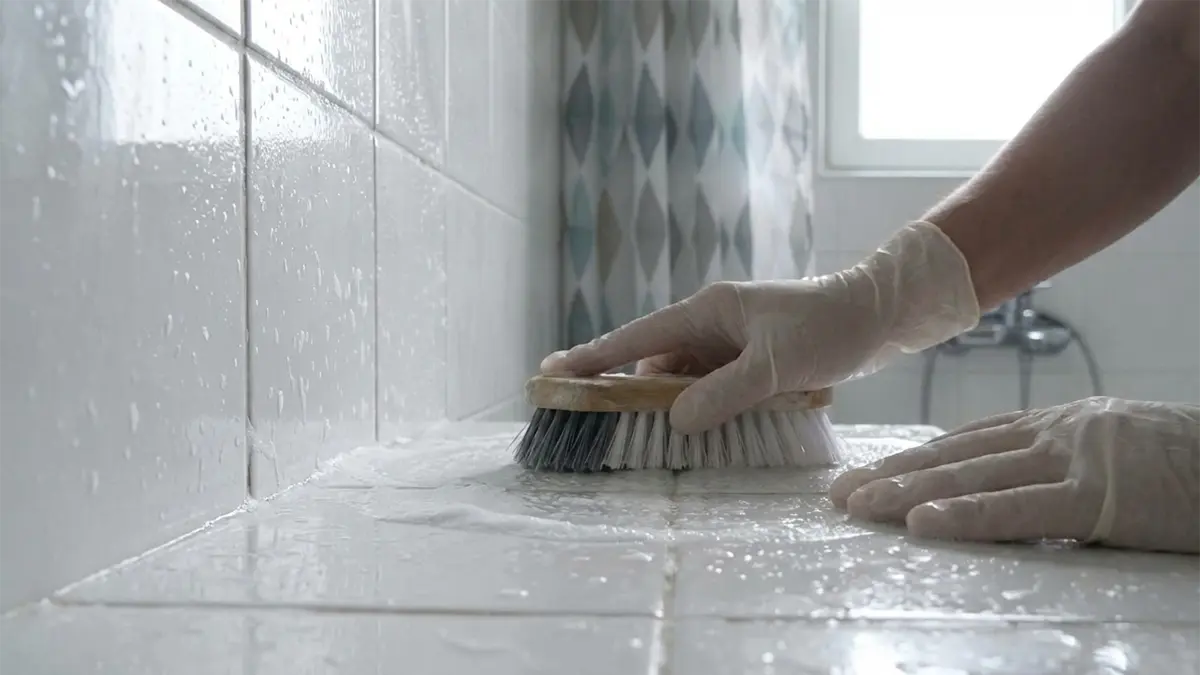
Cleaning bathroom tile involves a systematic approach to remove dirt, soap scum, mildew, and grime, restoring its shine and hygiene. This process typically includes preparing the area, applying an appropriate cleaning solution, scrubbing both tile surfaces and grout lines, thoroughly rinsing away residue, and finally drying the surfaces to prevent water spots and mildew regrowth. Regular maintenance is key to keeping your bathroom tiles looking their best.
Prioritizing Safety During Tile Cleaning
Before you begin any tile cleaning project, it is crucial to prioritize safety. Many cleaning agents contain chemicals that can irritate skin, eyes, or respiratory systems. Proper precautions protect both you and your bathroom surfaces.
Essential Safety Measures
- Ventilation: Always ensure adequate airflow by opening windows or turning on the bathroom fan. This helps disperse fumes from cleaning products.
- Protective Gear: Wear rubber gloves to protect your hands from harsh chemicals and prolonged exposure to water. Safety glasses are recommended to shield your eyes from splashes.
- Read Labels: Carefully read the instructions and warnings on all cleaning product labels. Understand how to use them safely and if dilution is required.
- Test in an Inconspicuous Area: Before applying any new cleaner to a large area, test it on a small, hidden spot of your tile and grout. This helps ensure it won’t cause discoloration or damage.
- Avoid Mixing Chemicals: Never mix different cleaning products, especially those containing bleach and ammonia. This can create dangerous, toxic fumes.
Gathering Your Tile Cleaning Essentials
Having the right tools and cleaning solutions on hand will make the cleaning process more efficient and effective. Most items are readily available and can be reused for future cleaning tasks.
Supplies Checklist
- Rubber gloves and safety glasses
- Ventilation fan or open window
- Vacuum cleaner or broom
- Bucket(s)
- Warm water
- All-purpose bathroom cleaner (pH-neutral for natural stone)
- Grout cleaner (optional, for tough grout stains)
- Stiff-bristled brush or grout brush
- Soft-bristled brush or sponge
- Microfiber cloths or old towels
- Spray bottle (for homemade solutions)
- White vinegar (for natural cleaning solutions)
- Baking soda (for natural cleaning solutions)
How to Clean Bathroom Tile Effectively
Follow these steps for a thorough and effective cleaning of your bathroom tiles. This method is suitable for most ceramic and porcelain tiles.
- Clear the Area: Remove all items from the shower, tub, and vanity areas, including toiletries, bath mats, and decorative items. This provides unobstructed access to all tile surfaces.
- Remove Loose Debris: Use a vacuum cleaner with a brush attachment or a broom to sweep away loose dirt, dust, and hair from the tile floor and lower wall tiles. This prevents mud from forming when you introduce liquid cleaners.
- Prepare Your Cleaning Solution: For general cleaning, you can use a commercial all-purpose bathroom cleaner or a homemade solution. A common homemade solution involves mixing equal parts white vinegar and warm water in a spray bottle. For tougher grime, a paste of baking soda and a small amount of water can be effective.
- Apply Cleaner to Tile Surfaces: Spray your chosen cleaner generously onto the tile surfaces. For walls, work from the bottom up to prevent streaks. Allow the cleaner to sit for 5-10 minutes to penetrate dirt and soap scum, but do not let it dry.
- Scrub Tile and Grout: Using a stiff-bristled brush (specifically a grout brush for grout lines) or a soft-bristled brush for the tile surface, scrub in small sections. Pay extra attention to grout lines, corners, and areas with visible buildup. For stubborn spots, apply a baking soda paste directly and scrub gently.
- Rinse Thoroughly: Fill a bucket with clean, warm water. Use a clean sponge or microfiber cloth to wipe down the scrubbed areas, rinsing the cloth frequently in the bucket. Alternatively, if cleaning a shower, you can use a handheld showerhead to rinse the walls, ensuring all cleaner residue is washed away. Change the rinse water often to avoid spreading dirt.
- Dry the Surfaces: Use clean, dry microfiber cloths or old towels to thoroughly dry all tile and grout surfaces. Drying prevents water spots, streaks, and inhibits the growth of mold and mildew.
Specific Cleaning Methods for Different Tile Types
While the general steps remain similar, certain tile materials require specific care to prevent damage.
Ceramic and Porcelain Tile
These are the most common bathroom tiles and are generally durable and non-porous. Most commercial bathroom cleaners and homemade vinegar solutions are safe for ceramic and porcelain. Avoid highly abrasive scrubbers that could scratch glazed surfaces.
Natural Stone Tile (Marble, Granite, Travertine, Slate)
Natural stone tiles are porous and sensitive to acidic cleaners. Never use vinegar, lemon juice, or harsh chemical cleaners on natural stone, as they can etch and dull the surface. Instead, opt for pH-neutral stone cleaners specifically designed for your type of stone. Use soft cloths or sponges for scrubbing and dry immediately after rinsing to prevent water absorption.
Vinyl and Linoleum Tile
While less common for shower walls, these are sometimes used for bathroom floors. They are generally resilient. Use mild, pH-neutral cleaners and avoid excessive water, which can seep into seams and damage the adhesive. A damp mop with a mild detergent solution is usually sufficient.
Common Mistakes to Avoid When Cleaning Bathroom Tile
Steering clear of these common pitfalls can help you achieve better results and protect your bathroom surfaces.
- Using the Wrong Cleaner: Applying acidic cleaners to natural stone or abrasive cleaners to delicate glazes can cause irreversible damage. Always check the cleaner’s compatibility with your tile type.
- Skipping Pre-Cleaning: Not removing loose dirt and hair before wetting can turn grime into a muddy mess, making cleaning harder.
- Not Allowing Cleaner to Dwell: Giving the cleaning solution a few minutes to break down dirt and soap scum makes scrubbing much easier and more effective.
- Neglecting Grout: Grout is porous and collects dirt and mildew easily. Using a dedicated grout brush and cleaner is essential for a truly clean look.
- Leaving Residue: Inadequate rinsing leaves behind cleaner residue, which can attract more dirt, create streaks, or even promote mildew growth.
- Not Drying Surfaces: Air-drying can lead to water spots, especially in hard water areas, and creates a damp environment conducive to mold and mildew.
Addressing Stubborn Stains and Mold on Tile
Some stains require targeted treatment beyond general cleaning.
Tackling Mold and Mildew
For persistent mold and mildew in grout lines, a paste of baking soda and hydrogen peroxide can be effective. Apply the paste, let it sit for 10-15 minutes, scrub with a grout brush, and rinse thoroughly. For severe cases, a diluted bleach solution (1 part bleach to 10 parts water) can be used on ceramic/porcelain tile and grout, but always test first and ensure excellent ventilation. Never use bleach on natural stone.
Removing Soap Scum and Hard Water Stains
White vinegar is excellent for dissolving soap scum and hard water deposits on ceramic and porcelain tiles. Spray undiluted white vinegar onto the affected areas, let it sit for 15-30 minutes, then scrub and rinse. For natural stone, use a specialized stone soap scum remover.
Maintaining Clean Bathroom Tile Long-Term
Consistent, simple habits can significantly reduce the frequency of deep cleaning.
- Daily Wipe-Down: After showering, quickly wipe down shower walls with a squeegee or a microfiber cloth to remove excess water and prevent soap scum buildup.
- Regular Light Cleaning: Perform a quick clean of your bathroom tiles weekly using a mild all-purpose cleaner.
- Ensure Ventilation: Always run the bathroom fan during and after showers for at least 15-20 minutes to reduce humidity, which is a primary cause of mold and mildew.
- Seal Grout: Consider sealing your grout lines every 1-2 years. A good grout sealer creates a barrier that repels water and stains, making cleaning easier and preventing mildew.
- Address Spills Immediately: Wipe up any spills on tile floors promptly to prevent staining, especially on porous natural stone.
Frequently Asked Questions About Tile Cleaning
How often should I clean my bathroom tile?
For optimal hygiene and appearance, a light cleaning of bathroom tiles is recommended weekly, with a more thorough deep clean performed every 2-4 weeks. High-traffic bathrooms or those prone to humidity may benefit from more frequent attention.
What is the best homemade solution to clean bathroom tile?
A highly effective homemade solution for most ceramic and porcelain bathroom tiles is a 1:1 mixture of white vinegar and warm water in a spray bottle. For tougher spots, a paste made from baking soda and a small amount of water works well as a gentle abrasive.
Can I use bleach to clean bathroom tile?
Bleach can be used on ceramic and porcelain tiles and grout for sanitizing and removing stubborn mold, but always dilute it (1 part bleach to 10 parts water) and ensure excellent ventilation. Never use bleach on natural stone tiles, as it can cause etching and discoloration.
How do I clean grout between bathroom tiles?
To clean grout, apply a dedicated grout cleaner or a baking soda paste directly to the lines, let it sit for 10-15 minutes, then scrub vigorously with a stiff grout brush. Rinse thoroughly with clean water to remove all residue.
What should I do if my bathroom tile still looks dull after cleaning?
If your tile still looks dull, it might be due to cleaner residue, hard water buildup, or unsealed grout. Try a thorough rinse with plain water, followed by a wipe-down with a vinegar solution (on non-stone tiles), or consider using a specialized tile and grout restorer to remove mineral deposits and brighten the surface.
Is it safe to use a steam cleaner on all bathroom tiles?
Steam cleaners are generally safe and effective for ceramic and porcelain tiles and grout, as they use heat and water to sanitize and loosen dirt without chemicals. However, exercise caution with natural stone tiles, as excessive heat or moisture can potentially damage some types of stone or compromise their sealants.
Conclusion
Maintaining clean bathroom tile is an achievable task with the right approach and consistent effort. By prioritizing safety, gathering the necessary supplies, and following a systematic cleaning process, you can effectively remove grime, soap scum, and mildew. Remember to tailor your cleaning methods to your specific tile type and incorporate regular maintenance habits to keep your bathroom sparkling and hygienic for the long term.
