
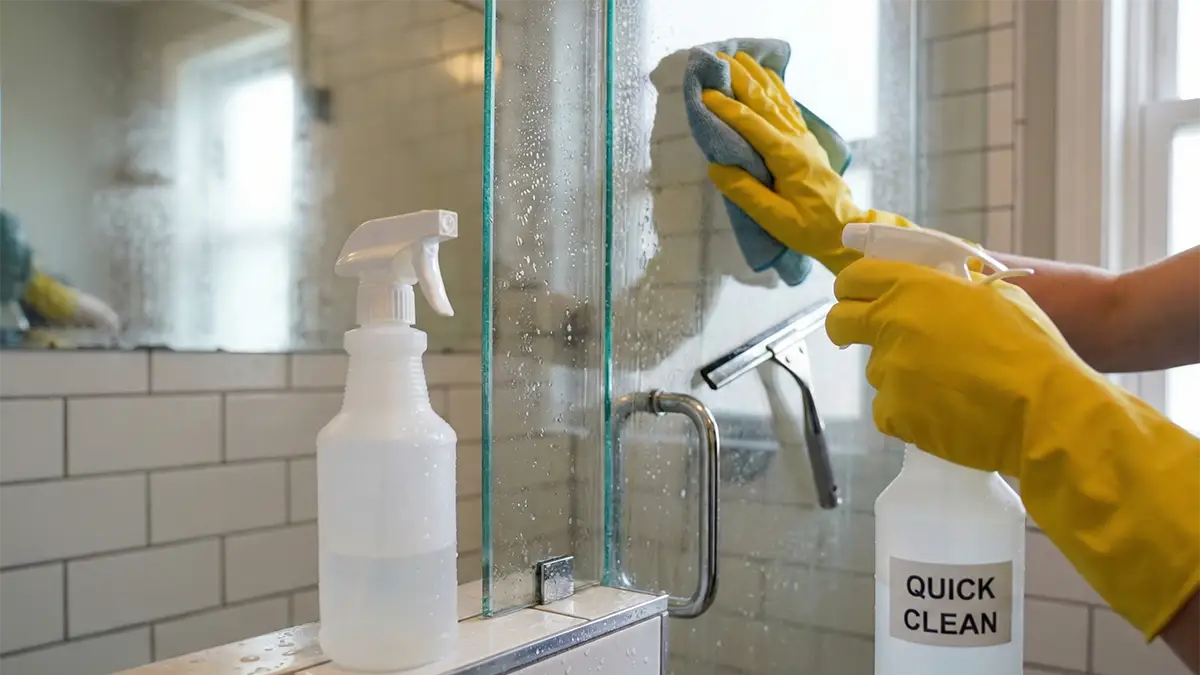
To clean a shower quickly, start by gathering your essential supplies: a spray cleaner, a scrub brush or sponge, and a squeegee. Apply the cleaner to all surfaces, allow it to sit briefly to break down grime, then scrub any visible buildup, rinse thoroughly with water, and finally, squeegee the surfaces dry to prevent water spots and soap scum.
- Gather supplies before you start.
- Pre-treat surfaces by letting cleaner sit.
- Scrub effectively, focusing on problem areas.
- Rinse completely to remove all residue.
- Squeegee dry for a streak-free finish.
- Maintain regularly to minimize deep cleaning.
Why a Quick Shower Clean Matters
Maintaining a clean shower isn’t just about aesthetics; it’s crucial for hygiene and extending the life of your bathroom fixtures. A quick clean prevents the buildup of soap scum, mildew, and hard water stains, which can become much harder to remove if left unattended. Regular, efficient cleaning saves you time and effort in the long run, ensuring your shower remains a pleasant and sanitary space.
Ignoring shower cleanliness can lead to persistent odors, discoloration, and even damage to grout and sealants. By adopting quick cleaning habits, you protect your investment and contribute to a healthier home environment without dedicating hours to scrubbing.
Your Essential Shower Cleaning Toolkit
Having the right tools on hand makes all the difference when you need to clean a shower quickly. A well-stocked cleaning caddy ensures you can tackle grime efficiently without searching for supplies.
- All-Purpose Shower Cleaner: Choose a spray cleaner designed for showers that targets soap scum and mildew. Look for formulas safe for your specific shower surfaces.
- Scrub Brush or Sponge: A stiff-bristled brush is excellent for grout and textured surfaces, while a non-scratch sponge or microfiber cloth works well for glass and smooth tiles.
- Squeegee: Essential for drying glass doors and tile walls, preventing water spots and soap scum buildup.
- Clean Shower Head: A clogged shower head reduces water pressure. Learn how to clean a shower head effectively to maintain strong water flow.
- Microfiber Cloths: Ideal for wiping down fixtures, drying surfaces, and polishing.
- Empty Spray Bottle (Optional): For DIY cleaning solutions like vinegar and water.
- Rubber Gloves: Protect your hands from cleaning chemicals and hot water.
- Ventilation Fan or Open Window: Crucial for air circulation when using cleaning products.
How to Clean a Shower Quickly: A Step-by-Step Method
Follow these steps to efficiently clean your shower and achieve a sparkling result in minimal time.
Clear the Shower Area
Remove all bottles, loofahs, and other items from the shower. This clears the way for uninterrupted cleaning and allows you to clean every surface thoroughly. Place items in a bucket or on a nearby counter.
Pre-Rinse Surfaces
Briefly spray down all shower surfaces with warm water. This helps to loosen any loose debris, wets the surfaces for better cleaner adhesion, and prevents the cleaner from drying too quickly.
Apply Your Chosen Cleaner
Generously spray your shower cleaner onto all surfaces, including tiles, grout, glass doors, and fixtures. For tough stains, focus extra spray on those areas. Allow the cleaner to sit for 5-10 minutes, as directed by the product instructions. This dwell time is crucial for the cleaner to break down soap scum and grime effectively, reducing the amount of scrubbing needed.
Scrub Away Grime
Using your scrub brush or sponge, systematically scrub all surfaces. Pay close attention to grout lines, corners, and areas with visible soap scum or mildew. For glass doors, a non-abrasive sponge is best to avoid scratches. Work from top to bottom to ensure any loosened grime falls onto already-cleaned areas.
Rinse Thoroughly
Once scrubbing is complete, rinse all surfaces thoroughly with warm water. Use your showerhead to wash away all cleaner residue and loosened grime. Ensure no suds or streaks remain, as dried cleaner can leave behind a film.
Squeegee and Dry
Immediately after rinsing, use a squeegee on glass doors and tiled walls. Starting from the top, pull the squeegee in overlapping strokes, wiping the blade clean after each pass. For other surfaces, wipe them down with a clean, dry microfiber cloth. Drying prevents water spots and inhibits mildew growth, keeping your shower cleaner for longer.
Replace Items and Polish
Return all your shower items to their places. Use a fresh microfiber cloth to quickly polish any chrome fixtures or handles, leaving them gleaming.
Speed Cleaning Tips for Different Shower Surfaces
Different shower materials require slightly varied approaches for optimal quick cleaning and care.
Glass Shower Doors
For glass, the key is preventing water spots. After applying and rinsing your cleaner, immediately squeegee the glass. For stubborn hard water spots, a solution of equal parts white vinegar and water can be sprayed on, allowed to sit for a few minutes, then scrubbed and rinsed. Always squeegee dry.
Tile and Grout
Tile is generally durable, but grout can be a challenge. A stiff-bristled brush is essential for scrubbing grout lines. For mildewed grout, a paste of baking soda and a small amount of water can be applied, left for 15 minutes, then scrubbed and rinsed. Ensure your cleaner is safe for your specific tile type.
Fiberglass and Acrylic Showers
These surfaces are prone to scratching, so avoid abrasive cleaners and harsh scrub brushes. Use a non-abrasive sponge or microfiber cloth with a gentle, non-acidic shower cleaner. A baking soda paste can also be effective for gentle scrubbing without damage.
Common Mistakes That Slow Down Shower Cleaning
Avoiding these common pitfalls can significantly speed up your shower cleaning routine.
- Not Letting Cleaner Dwell: Rushing the cleaner’s dwell time means it can’t fully break down grime, forcing you to scrub harder and longer.
- Using the Wrong Tools: An ineffective brush or sponge will make scrubbing less efficient. Using the right approach for shower tile is equally important. Conversely, using an overly abrasive tool can damage surfaces.
- Cleaning Without Ventilation: Poor ventilation can make the cleaning process uncomfortable and less safe due to fumes, leading to rushed work.
- Ignoring Regular Maintenance: Allowing heavy buildup between cleanings means each session becomes a deep clean, taking much more time and effort.
- Not Drying Surfaces: Skipping the squeegee or drying step leads to immediate water spots and creates a damp environment for mildew to thrive, requiring more frequent cleaning.
Keeping Your Shower Clean: Daily Habits and Prevention
The fastest way to clean a shower quickly is to prevent it from getting too dirty in the first place. Incorporating a few simple daily habits can drastically reduce your cleaning time.
- Squeegee After Every Use: Keep a squeegee in the shower and quickly wipe down glass doors and tiled walls after each shower. This prevents water spots and soap scum from forming.
- Wipe Down Surfaces: Use a microfiber cloth to quickly wipe down fixtures and ledges after showering.
- Ventilate Properly: Always run the exhaust fan during and for at least 15-20 minutes after showering, or open a window. This reduces humidity, which is a primary cause of mildew.
- Use a Daily Shower Spray: A daily shower spray can be applied after showering to help prevent soap scum and hard water buildup.
- Hang Loofahs and Sponges: Don’t leave wet items sitting on shower surfaces, as they can trap moisture and promote mildew growth. Also remember to regularly clean your shower curtain to prevent buildup.
Safety First: Important Considerations
When cleaning your shower, prioritizing safety is paramount to protect yourself and your bathroom surfaces.
- Ensure Good Ventilation: Always open a window or run the exhaust fan to circulate air and minimize inhalation of cleaning product fumes.
- Wear Protective Gear: Rubber gloves are essential to protect your hands from harsh chemicals. Eye protection is also recommended to prevent splashes.
- Read Product Labels: Always follow the instructions and warnings on your cleaning product labels. Pay attention to recommended dwell times and surfaces the product is safe for.
- Never Mix Cleaning Products: Combining certain chemicals, especially bleach and ammonia-based cleaners, can create dangerous toxic fumes. Use one product at a time and rinse thoroughly before applying another if necessary.
- Test in an Inconspicuous Area: If you’re unsure about a cleaner’s compatibility with your shower material, test it on a small, hidden spot first to ensure it doesn’t cause discoloration or damage.
- Beware of Slippery Surfaces: Cleaning products and water can make shower floors extremely slippery. Exercise caution to prevent falls.
Frequently Asked Questions About Quick Shower Cleaning
What’s the fastest way to clean a shower quickly?
The fastest way involves a systematic approach: pre-rinse, spray with a dedicated shower cleaner, allow it to sit for a few minutes, scrub targeted areas, rinse thoroughly, and then squeegee all surfaces dry. Regular maintenance significantly reduces the time needed for each cleaning session.
What if my shower drain starts to smell bad?
A smelly drain is a common issue caused by soap scum, hair, and bacteria buildup. Learn the best techniques for cleaning a shower drain that smells to keep your bathroom fresh.
How often should I clean my shower to keep it looking good?
For optimal appearance and hygiene, a quick clean should be performed weekly, with daily squeegeeing and ventilation. This routine prevents significant buildup, making the weekly task much faster and less strenuous.
Can I use natural products to clean a shower quickly and effectively?
Yes, natural products like white vinegar and baking soda can be very effective. A spray bottle with equal parts white vinegar and water can tackle soap scum, while a baking soda paste is excellent for scrubbing grout and tough stains. Always rinse well after use.
Can I really clean my shower in under 5 minutes?
Yes! With the right technique and regular maintenance, a quick daily clean is very achievable. Check out our dedicated guide on how to get a shower done in 5 minutes or less for an express routine.
What are the best tools to clean a shower quickly?
Key tools include a good quality spray shower cleaner, a sturdy scrub brush for grout and tough spots, a non-abrasive sponge for general surfaces, a squeegee for glass and tiles, and microfiber cloths for drying and polishing fixtures.
How do I prevent soap scum from building up so I can clean my shower quickly next time?
Preventing soap scum involves several habits: squeegee glass and tile after every shower, use a daily shower spray, ensure proper ventilation, and consider using liquid body wash instead of bar soap, which contributes more to scum.
Is it safe to mix different cleaning products when trying to clean a shower quickly?
No, it is generally unsafe to mix different cleaning products. Combining certain chemicals, particularly those containing bleach and ammonia, can produce hazardous fumes that are dangerous to inhale. Always use products individually and ensure adequate ventilation.
Conclusion
Cleaning a shower quickly is entirely achievable with the right approach and consistent habits. By gathering your tools, following a simple step-by-step method of spraying, scrubbing, rinsing, and drying, and incorporating daily preventative measures, you can maintain a sparkling clean bathroom with minimal effort. Remember to prioritize safety by ensuring good ventilation and never mixing cleaning chemicals. Embrace these tips to enjoy a consistently fresh and inviting shower space.
