
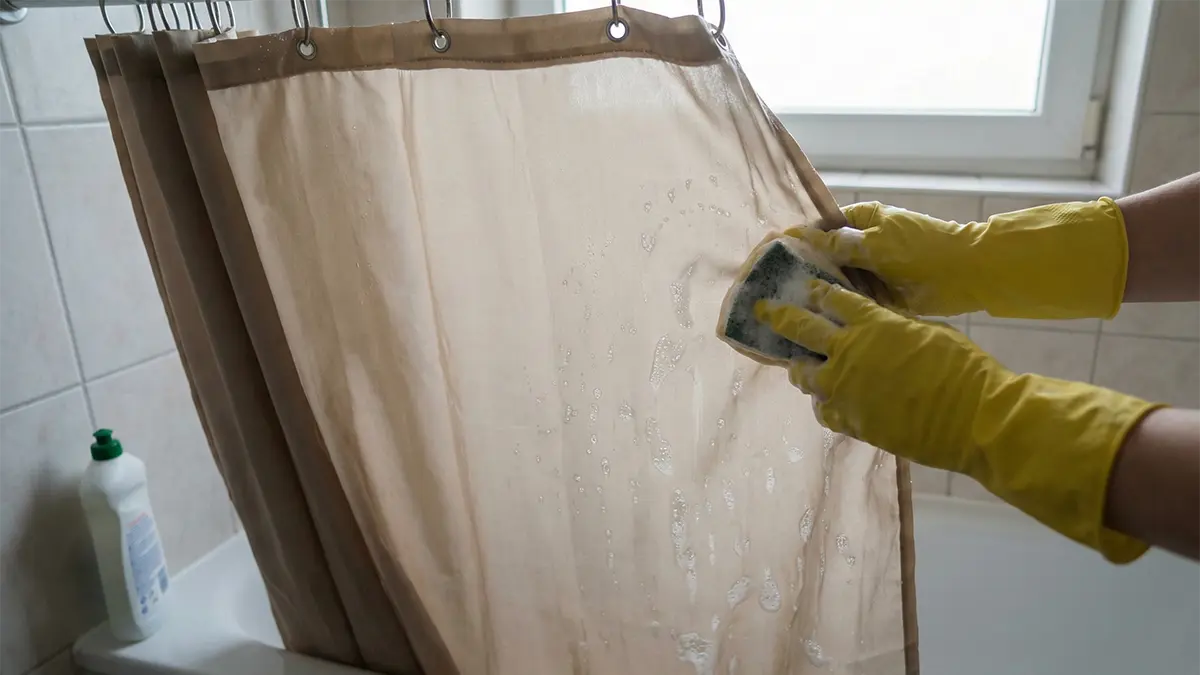
Cleaning a shower curtain involves either machine washing for fabric types or hand scrubbing for plastic and vinyl liners. Regular maintenance with appropriate detergents and techniques helps prevent unsightly mold and mildew, ensuring a fresh and hygienic bathroom environment.
Why Regular Shower Curtain Cleaning Matters
A clean shower curtain is more than just aesthetically pleasing; it’s crucial for bathroom hygiene. Over time, shower curtains accumulate soap scum, hard water stains, and, most commonly, mold and mildew due to the damp, warm environment. Regular cleaning prevents these buildups, eliminates unpleasant odors, and extends the life of your curtain, contributing to a healthier and more inviting bathroom.
Supplies Checklist for a Spotless Curtain
Before you begin, gather the necessary items. Having everything on hand will make the cleaning process smoother and more efficient.
- Laundry detergent (for fabric curtains)
- White vinegar
- Baking soda
- Mild dish soap or all-purpose cleaner (for plastic/vinyl)
- Soft-bristled brush or sponge
- Bleach (optional, for tough mold on white curtains)
- Spray bottle (optional, for pre-treatment)
- Old towels (optional, for machine washing fabric curtains)
How to Clean A Shower Curtain: Step-by-Step Methods
The method for cleaning your shower curtain largely depends on its material. Fabric curtains are typically machine washable, while plastic or vinyl liners require hand-washing. Always check the care label if available.
Cleaning Fabric Shower Curtains (Machine Wash)
Most fabric shower curtains, such as those made from cotton, polyester, or linen blends, can be safely cleaned in a washing machine. This method is efficient and highly effective for general grime and light mildew.
- Remove and Prepare: Take the curtain down from its rings. If the rings are also dirty, set them aside for cleaning.
- Pre-Treat Stains: For visible mold spots or heavy soap scum, spray the affected areas with a solution of equal parts white vinegar and water, or a paste of baking soda and a little water. Let it sit for 15-30 minutes.
- Load the Washer: Place the fabric shower curtain into your washing machine. For added scrubbing action and to prevent the curtain from bunching, you can add a few old towels to the load.
- Add Cleaning Agents: Pour in your regular laundry detergent. For an extra boost against mildew and odors, add 1/2 cup of white vinegar to the detergent dispenser or directly into the wash cycle. Avoid using bleach on colored fabric curtains unless specifically recommended by the manufacturer.
- Select Cycle: Choose a gentle or delicate cycle with warm water. Hot water can sometimes cause fabric curtains to shrink or fade.
- Dry Properly: Once the wash cycle is complete, remove the curtain promptly. Hang it immediately to air dry, preferably over the shower rod or a clothesline. If machine drying, use a low heat or air-fluff setting to prevent shrinking or damage. Ensure it is completely dry before rehanging to prevent new mildew growth.
Hand-Washing Plastic or Vinyl Shower Curtains
Plastic and vinyl shower curtain liners are generally not suitable for machine washing, as the heat and agitation can damage the material or cause it to crinkle. Hand-washing is the best approach for these types.
- Remove and Lay Flat: Take the curtain down and lay it flat in your bathtub or on a clean, protected floor surface.
- Prepare Cleaning Solution: Fill a spray bottle with a solution of equal parts warm water and white vinegar, or a few drops of mild dish soap mixed with water.
- Spray and Scrub: Liberally spray the curtain, focusing on areas with soap scum, hard water stains, or mildew. Allow the solution to sit for 5-10 minutes to break down grime.
- Scrub Gently: Using a soft-bristled brush or a sponge, gently scrub the entire surface of the curtain. For stubborn spots, apply a paste of baking soda and water and let it sit before scrubbing.
- Rinse Thoroughly: Rinse the curtain completely with clean, warm water. Ensure all soap residue is removed, as leftover cleaner can attract more grime.
- Hang to Dry: Hang the plastic or vinyl curtain back on the shower rod to air dry. Spread it out fully to allow for maximum air circulation and prevent water from pooling, which could lead to new mildew.
Tackling Tough Mold and Mildew Stains
For persistent mold and mildew, a more targeted approach may be necessary. Always work in a well-ventilated area when using stronger cleaning agents.
- Bleach Solution (for white curtains): Mix 1/2 cup of bleach with a gallon of water. For fabric curtains, you can add this to the wash cycle. For plastic/vinyl, spray the solution onto the affected areas, let it sit for 10-15 minutes, then scrub and rinse thoroughly.
- Baking Soda Paste: Create a thick paste with baking soda and a small amount of water. Apply it directly to mold spots, let it sit for an hour or more, then scrub with a brush and rinse.
- Commercial Mold Removers: Follow product instructions carefully. Ensure the product is safe for your curtain’s material.
Material-Specific Cleaning Tips
Different materials require slightly different care to ensure longevity and prevent damage.
Delicate Fabrics (Linen, Silk)
For shower curtains made from delicate materials like linen or silk, always opt for the most gentle settings. Use a mild, pH-neutral detergent and wash in cold water on a delicate cycle. Air dry only, away from direct sunlight, to prevent shrinking or damage to the fibers.
PEVA and EVA Liners
PEVA (polyethylene vinyl acetate) and EVA (ethylene vinyl acetate) liners are popular alternatives to traditional PVC vinyl. They are generally more environmentally friendly and less prone to strong chemical odors. Clean them similarly to plastic/vinyl curtains, using mild soap and water or a vinegar solution. Avoid harsh abrasives or strong chemical cleaners, which can degrade the material.
Shower Curtain Rings and Rods
Don’t forget the accessories! Shower curtain rings and the rod can also accumulate soap scum and grime. Wipe down the rod with an all-purpose cleaner. For rings, you can soak them in a bowl of warm water and white vinegar for 30 minutes, then scrub with a brush and rinse.
Common Mistakes to Avoid When Cleaning
Preventing common errors can save you time and ensure your shower curtain remains in good condition.
- Using Hot Water on Plastic: High temperatures can warp, melt, or damage plastic and vinyl liners.
- Overloading the Washing Machine: This prevents proper cleaning and rinsing, leaving soap residue or dirt behind.
- Not Drying Completely: Hanging a damp curtain back up is an open invitation for mold and mildew to return quickly.
- Using Harsh Chemicals on Delicate Fabrics: Bleach or strong cleaners can discolor, weaken, or damage sensitive materials.
- Ignoring Care Labels: Always check the manufacturer’s instructions for specific cleaning recommendations.
Preventative Measures for a Cleaner Curtain
Proactive steps can significantly reduce the frequency of deep cleaning.
- Ventilate Your Bathroom: Always run the exhaust fan during and after showers, or open a window to reduce humidity.
- Spread Out the Curtain: After each shower, fully extend the curtain to allow it to dry completely. Avoid leaving it bunched up.
- Wipe Down Regularly: A quick wipe-down of the bottom of the liner with a towel after showering can prevent water spots and mildew.
- Use a Liner: If you have a decorative fabric curtain, always use a separate plastic or vinyl liner to protect it from direct water exposure and soap scum.
When to Replace Your Shower Curtain
While regular cleaning can extend its life, there comes a point when replacement is the best option. Consider replacing your shower curtain or liner if:
- It has extensive, permanent mold or mildew stains that cannot be removed.
- The material is torn, ripped, or significantly degraded.
- It retains a persistent, unpleasant odor even after cleaning.
- It has become brittle, stiff, or discolored beyond repair.
Frequently Asked Questions About Shower Curtain Care
How often should you clean a shower curtain?
It is generally recommended to clean fabric shower curtains every 1-3 months and plastic or vinyl liners every 2-4 weeks, depending on usage and bathroom ventilation. Regular spot cleaning and preventative measures can extend these intervals.
Can you put a shower curtain in the washing machine?
Most fabric shower curtains made of polyester or cotton blends are machine washable. However, plastic and vinyl liners should typically be hand-washed to prevent damage from high heat and agitation.
What is the best way to remove mold from a shower curtain?
For mold, a solution of white vinegar and water is effective for most materials. For white fabric curtains, a diluted bleach solution can be used. Baking soda paste is also a good option for scrubbing stubborn spots.
Is it better to wash a shower curtain with towels?
Yes, adding a few old towels to the washing machine with a fabric shower curtain can be beneficial. The towels provide gentle agitation and scrubbing action, helping to clean the curtain more effectively.
How do you dry a shower curtain after cleaning?
Fabric shower curtains should be air-dried by hanging them over the shower rod or a clothesline, or tumble-dried on a low heat setting. Plastic and vinyl liners should always be air-dried by hanging them fully extended on the shower rod.
When should you replace your shower curtain instead of cleaning it?
You should consider replacing your shower curtain if it has extensive, permanent mold or mildew stains that won’t come out, is torn or damaged, or has a persistent odor even after thorough cleaning.
Related Guides
- How to Clean Shower Tile — remove soap scum and grime from your shower walls and floor tiles.
- How to Clean a Shower Head — restore water pressure and remove mineral buildup from your shower head.
- How to Clean Grout in Shower — tackle discolored and mold-prone grout lines for a spotless shower.
Conclusion
Maintaining a clean shower curtain is a simple yet impactful way to keep your bathroom fresh and hygienic. By following the appropriate cleaning methods for your curtain’s material and implementing preventative measures, you can effectively combat soap scum, hard water, and mildew. Regular care not only enhances your bathroom’s appearance but also contributes to a healthier environment, ensuring your shower space remains a clean and inviting retreat.
